Address
304 North Cardinal St.
Dorchester Center, MA 02124
Work Hours
Monday to Friday: 7AM - 7PM
Weekend: 10AM - 5PM
Address
304 North Cardinal St.
Dorchester Center, MA 02124
Work Hours
Monday to Friday: 7AM - 7PM
Weekend: 10AM - 5PM


Wood PVC film is one of the fastest, most cost-effective ways to upgrade furniture surfaces, wall panels, doors, and interior décor without sacrificing durability. Whether you’re refurbishing a cabinet line, producing decorative panels at scale, or sourcing materials for a renovation project, choosing the right wood grain film comes down to three practical factors: design realism, size compatibility, and total landed pricing (material + converting + logistics). This guide breaks down what to buy, how to specify it, and how to secure stable quality for every roll.
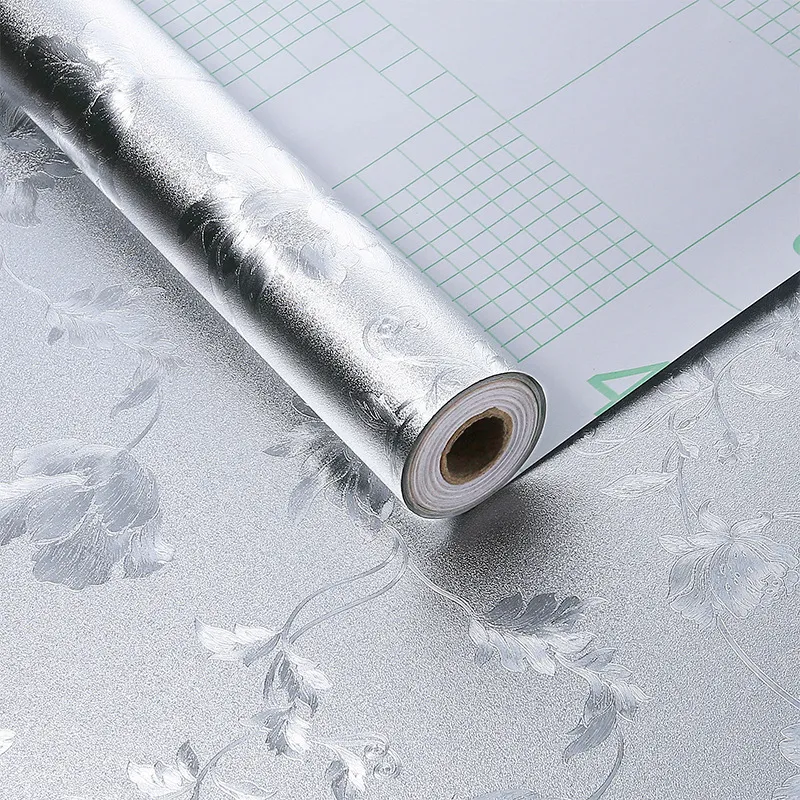
Wood PVC film is a decorative polyvinyl chloride film engineered to replicate natural wood textures while offering consistent color, abrasion resistance, and easier maintenance than veneer. It is widely applied to MDF, plywood, particle board, PVC boards, and composite panels through lamination, wrapping, or self-adhesive installation, depending on the film construction.
“Best” wood grain depends on the space, lighting, and the substrate you’re covering. For commercial furniture, designers typically prefer clean, repeatable patterns with moderate contrast. For residential interiors, a richer pore texture and more organic grain flow can feel closer to natural oak or walnut.
The same printed grain can look completely different depending on surface treatment. When evaluating samples, check under both warm and cool lighting.
✔ Buyer tip:
When matching existing cabinetry, request color-matching and confirm the pattern repeat length to avoid noticeable seams across adjacent doors or long panels.
If you’re sourcing specifically for wood grain décor lines, view dedicated options like
Wood Grain Film
to compare grains, finishes, and intended application methods.
Most purchasing problems come from unclear specifications. To avoid delays and mismatched materials, define the film’s thickness, width, roll length, and core size, plus any converting requirements (slitting, labeling, and protective wrap).
Thickness affects handling, scratch resistance, and how forgiving the film is during wrapping/lamination.
Your lamination or wrapping line determines ideal width and winding. Ordering the wrong width increases scrap and splicing downtime. If you run multiple SKUs, ask for custom slitting so each roll feeds cleanly with minimal trim waste.
If your application requires a stable base film produced through controlled calendering, explore
Calendered Film
as a core material route commonly used for decorative and industrial PVC film manufacturing.
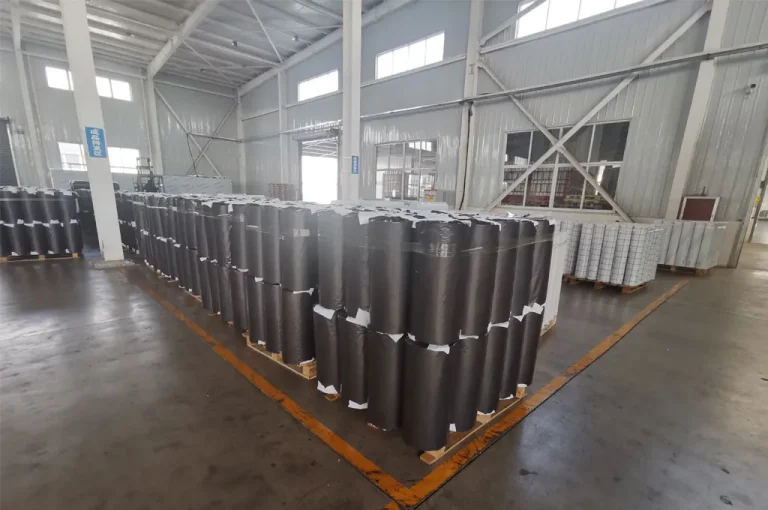
Roll damage often happens in transit, not in production. For export shipments, specify each roll to be individually wrapped with dust-proof PE film or kraft paper, labeled with specs, and packed to prevent telescoping and moisture ingress.
⚠ Checklist to confirm before shipment:
roll ID label, width tolerance, emboss direction, winding direction, core diameter, protective wrap, and outer carton/pallet method.
Wood PVC film pricing is driven by both material inputs and process complexity. When comparing quotes, don’t focus only on the price per roll—confirm usable yield, defect control, and lead time stability. A slightly higher-priced film can lower your total cost if it reduces scrap, rework, and downtime.
Send a single specification sheet to each supplier. Include: pattern name or sample photo reference, thickness, width, roll length, finish (matte/gloss/emboss), application method (lamination, membrane press, wrapping, self-adhesive), and required compliance (REACH/RoHS/FDA if needed).
Wood PVC film is widely used across furniture and building decoration because it balances appearance and durability. Selecting the right structure for the end-use is critical—especially for kitchens, high-touch office surfaces, and moisture-prone areas.
For cabinet doors, desk tops, wardrobe panels, and shelving, wood grain PVC film provides a uniform finish with stable color. For higher-end SKUs, choose embossed matte textures to reduce fingerprints and improve realism.
For skirting boards and trim components, narrow slit rolls improve efficiency and reduce waste. If your project includes matching skirting lines, consider product formats similar to
PVC skirting film
so patterns and tones remain consistent across room edges.
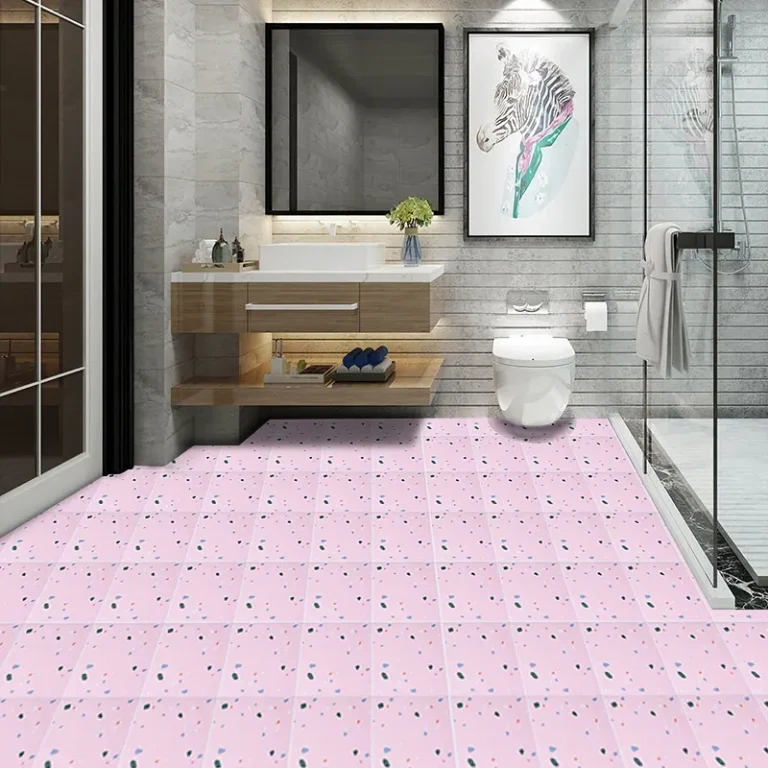
While wood grain films are often used for vertical and furniture surfaces, some projects require coordinated materials for floors or protective layers. In such cases, evaluate dedicated options like
Floor Film
to ensure abrasion performance and installation method are aligned to foot-traffic requirements.
Bulk orders should be protected by measurable standards: thickness tolerance, color consistency, adhesion behavior (for self-adhesive films), and surface defect control. If your markets require environmental and safety compliance, request declarations and test reports in advance.
If you need deeper selection guidance on PVC films, categories, and application notes, browse
Knowledge
resources that help buyers specify the right structure for different industries.
For brands, contractors, and manufacturers who need distinct designs, OEM/ODM services can translate your concept into production-ready rolls. Typical customization includes: film thickness, width, roll length, emboss type, gloss level, pattern repeat, and packaging labels.
For direct purchasing, sample requests, or to confirm MOQ and lead time, use the
Contact
channel to submit your requirements (type, thickness, width, pattern, quantity). For general purchasing concerns, you can also consult the
FAQ
page to review standard ordering topics.
A reliable supplier is not only a factory with machines—it’s a partner that can maintain consistency across time. Look for end-to-end production capability (calendering, printing, slitting, packaging), strict QC, and proven export shipping methods. This matters when you need repeat orders that match the first delivery—especially for ongoing furniture lines or multi-phase construction projects.
✔ Practical recommendation:
For long projects, order a reference master sample and request suppliers to match against it for every batch. This simple step helps maintain consistent grain tone and reduces disputes.
Provide pattern/design reference, thickness, width, roll length, surface finish (matte/gloss/emboss), application method, quantity, and any compliance requirements. Also note your desired packaging (PE wrap or kraft paper, labels, palletizing).
Yes, with controlled printing and batch QC. For best results, approve a physical master sample and confirm color tolerance for repeat orders.
It can be, especially when using scratch-resistant structures and fingerprint-reducing matte finishes. Confirm your performance requirements with the supplier before bulk purchasing.
MOQ and lead time depend on thickness, finish, and customization level. Many suppliers support trial orders, then scale to mass production after sample approval.
Request individual roll wrapping, clear labels, stable winding, moisture protection, and export-grade cartons/pallets. Confirm core size and handling instructions for your logistics route.