Address
304 North Cardinal St.
Dorchester Center, MA 02124
Work Hours
Monday to Friday: 7AM - 7PM
Weekend: 10AM - 5PM
Address
304 North Cardinal St.
Dorchester Center, MA 02124
Work Hours
Monday to Friday: 7AM - 7PM
Weekend: 10AM - 5PM


 ByPulivk
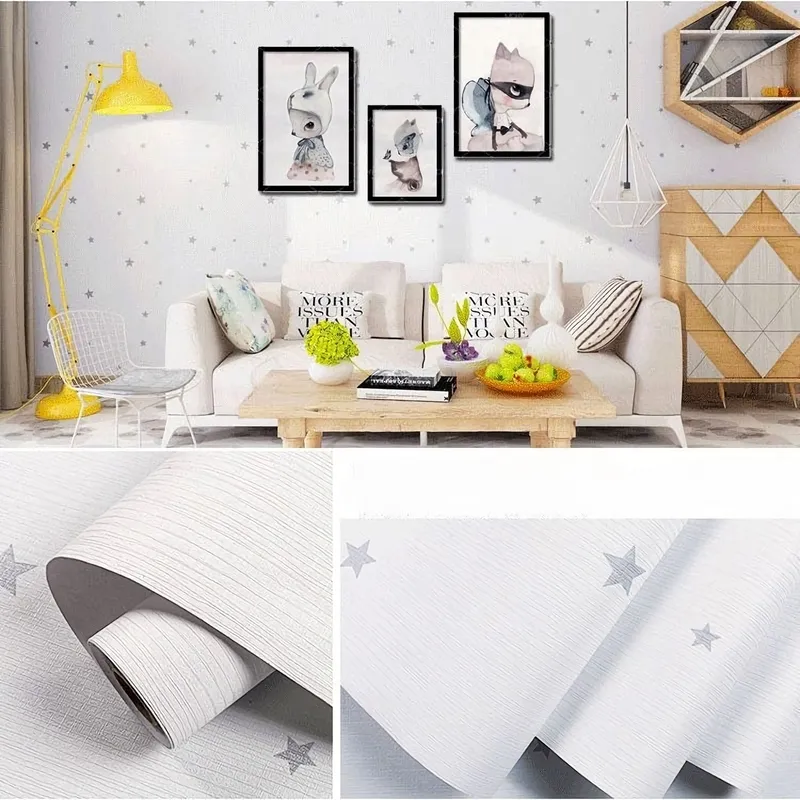
In modern manufacturing and construction, pvc blue film has become an indispensable material for surface protection, packaging, and specialized industrial uses. Its distinctive blue tint offers more than just visual identification—it provides functional benefits that enhance performance across diverse applications. Whether you need temporary protection during transportation or a reliable barrier in cleanroom environments, pvc blue film delivers consistent results backed by rigorous manufacturing standards.
PVC blue film is a calendered polyvinyl chloride film manufactured with precise color pigmentation to achieve a uniform blue appearance. The blue coloration serves multiple purposes: it makes the film highly visible during application and removal, helps distinguish protected surfaces from unprotected ones, and can indicate specific grade levels in industrial settings. According to ASTM PVC Film Standard specifications, these films must meet stringent requirements for thickness uniformity, tensile strength, and elongation properties.
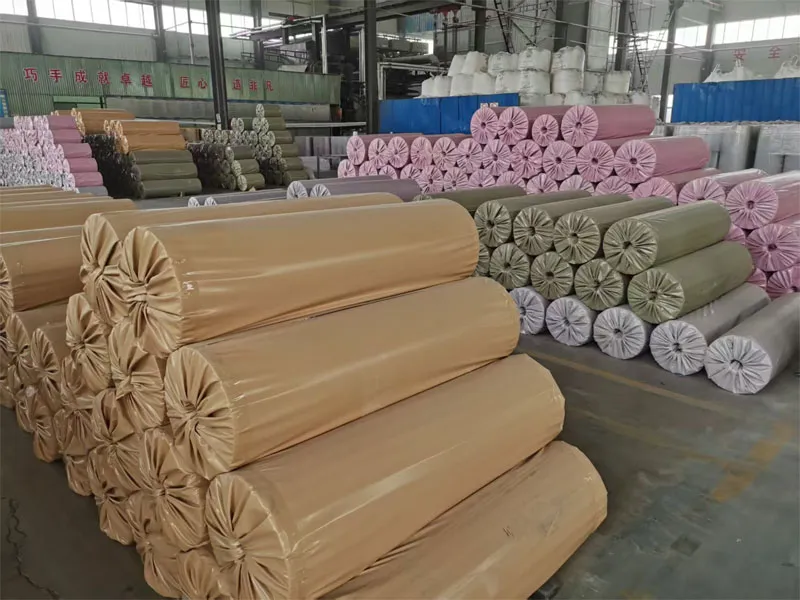
Manufacturers produce pvc blue film in various thicknesses ranging from 0.03 mm to 0.50 mm, with widths up to 1500 mm. The Plastic Film Classification system categorizes these films based on their mechanical properties and intended end-use. Key attributes include excellent tear resistance, good puncture resistance, and reliable UV stability when formulated with appropriate inhibitors. The film’s inherent flexibility allows it to conform to irregular surfaces without lifting or creating air pockets, ensuring complete coverage and protection.
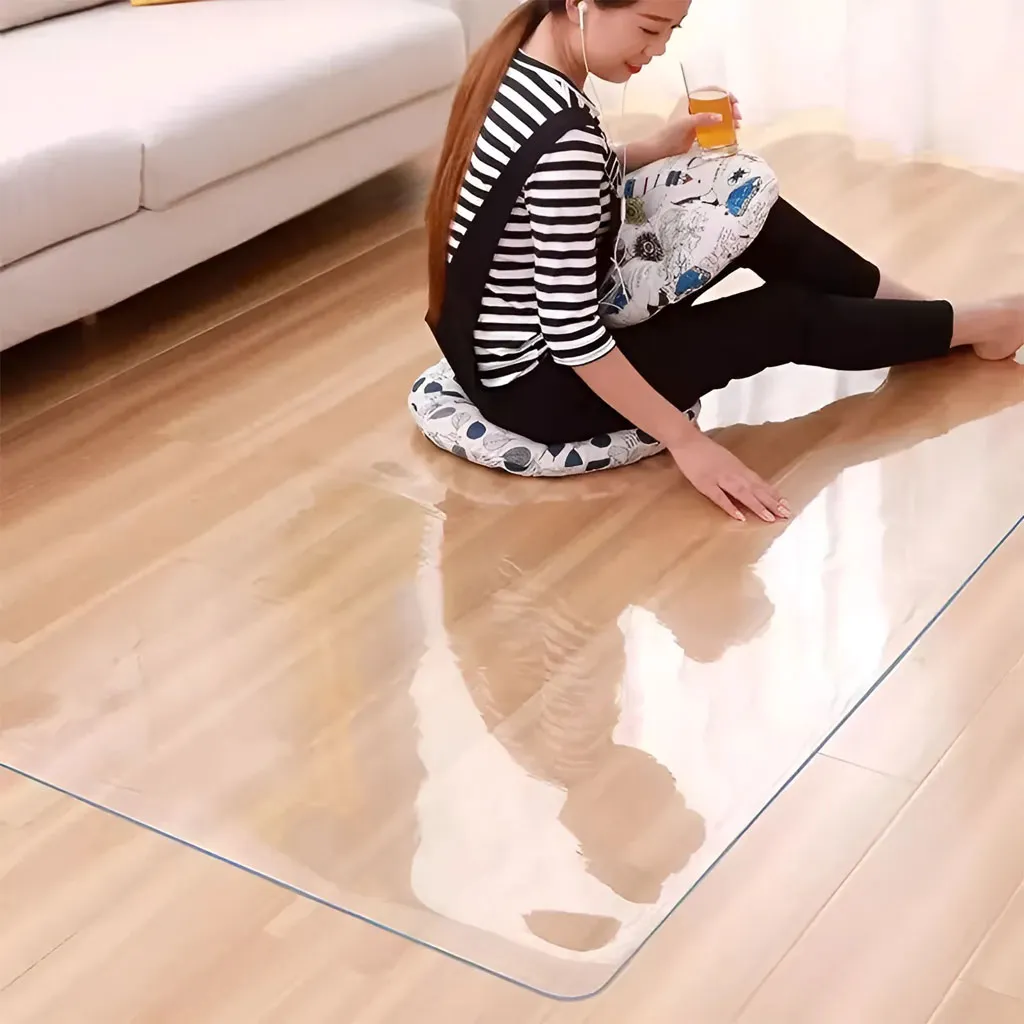
The versatility of pvc blue film extends across numerous industries. In construction and renovation, contractors rely on it to protect windows, flooring, and fixtures from paint splatter, dust, and debris. Floor Film products specifically designed with blue tinting offer temporary protection during high-traffic construction phases. In the electronics industry, anti-static blue films safeguard sensitive components during assembly and shipping, meeting the requirements outlined in Plastic Film Tensile Testing protocols.
Automotive manufacturers use pvc blue film to protect painted surfaces, interior panels, and trim during assembly and transport. The film’s conformability ensures it stays in place on curved body panels without lifting. In metal fabrication, blue films prevent scratches on stainless steel, aluminum, and coated metals during stamping, bending, and handling operations.
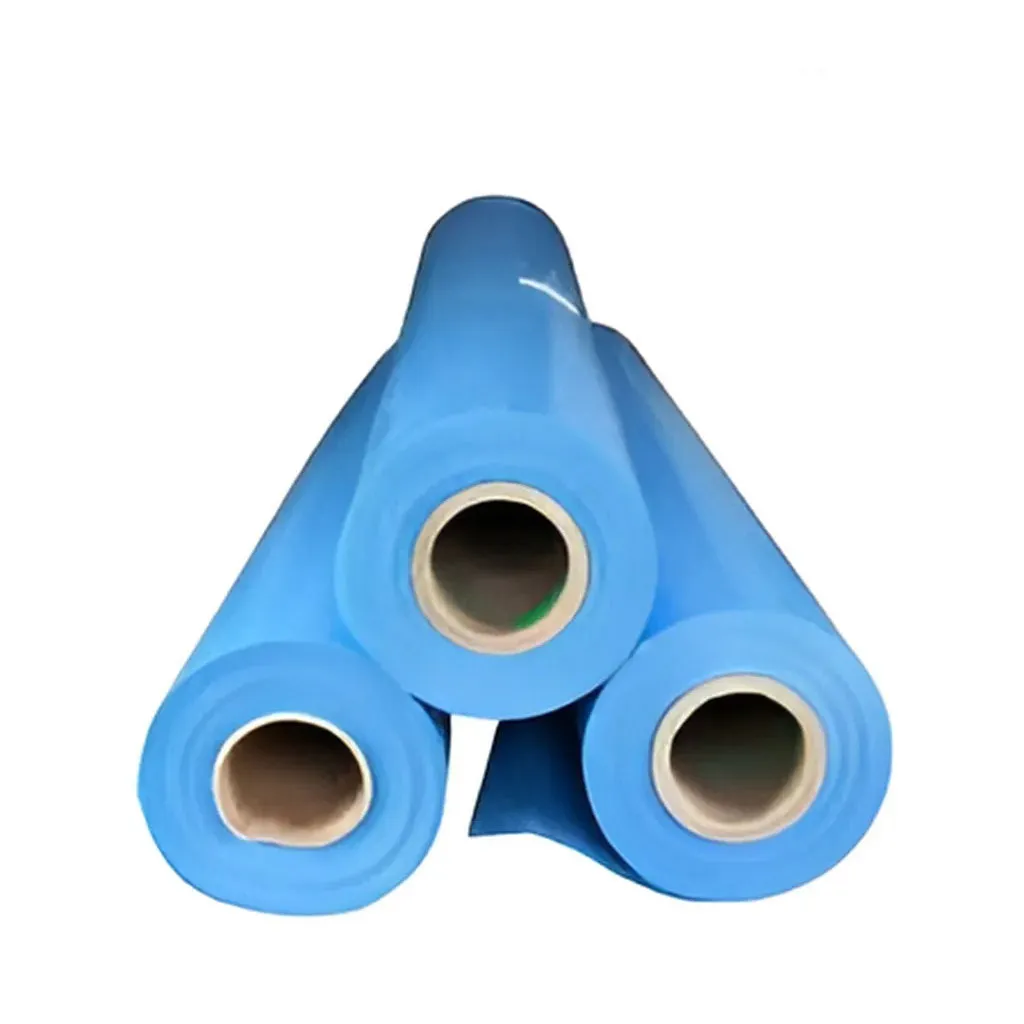
Selecting the right pvc blue film requires understanding key technical parameters. The table below outlines typical specifications that buyers should evaluate when sourcing blue PVC films for their applications.
| Parameter | Typical Range | Testing Standard |
|---|---|---|
| Thickness | 0.03 – 0.50 mm | ISO 4593 |
| Width | Up to 1500 mm | ISO 4592 |
| Tensile Strength (MD) | 15 – 35 MPa | ASTM D882 |
| Elongation at Break | 150% – 400% | ISO 527-3 |
| Tear Resistance | 40 – 120 N/mm | ASTM D1004 |
| Adhesion Level | Low / Medium / High | Custom Specification |
These parameters are verified through multiple QC checkpoints during production. Manufacturers following PVC Life Cycle Assessment guidelines ensure that their products meet both performance and environmental standards throughout the value chain.
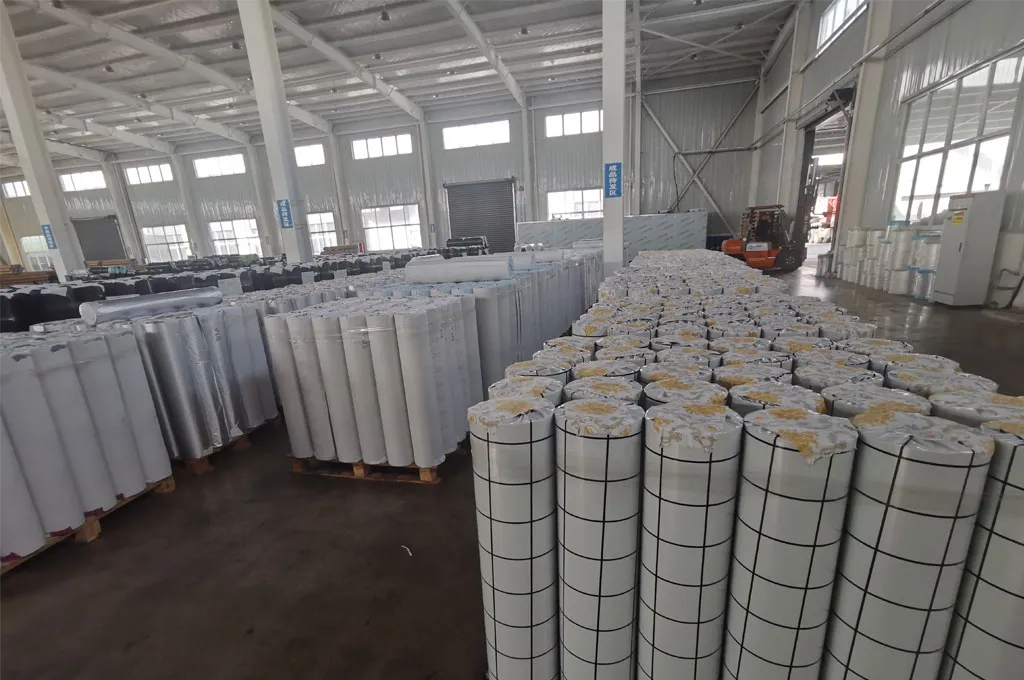
Proper handling of pvc blue film is essential to maintain its protective qualities. Films should be stored in a cool, dry environment away from direct sunlight and heat sources. Rolls are typically wrapped in dust-proof PE film or kraft paper, labeled with specifications, and packed in cartons or on pallets for safe transport. When applying blue film to surfaces, ensure the substrate is clean, dry, and free of oils or contaminants to achieve optimal adhesion. The film should be applied with even pressure using a squeegee or roller to eliminate air bubbles and ensure full contact.
The PVC industry has made significant strides in sustainability, as reflected in the VinylPlus 2030 Commitment to circular economy principles. Modern pvc blue film formulations can be produced with lead-free and phthalate-free compounds, complying with RoHS and REACH regulations. Some manufacturers offer recyclable grades that can be reprocessed into new film products, reducing waste and supporting a more sustainable material lifecycle. When sourcing blue PVC films, buyers should inquire about environmental certifications and recycled content options available from their suppliers.
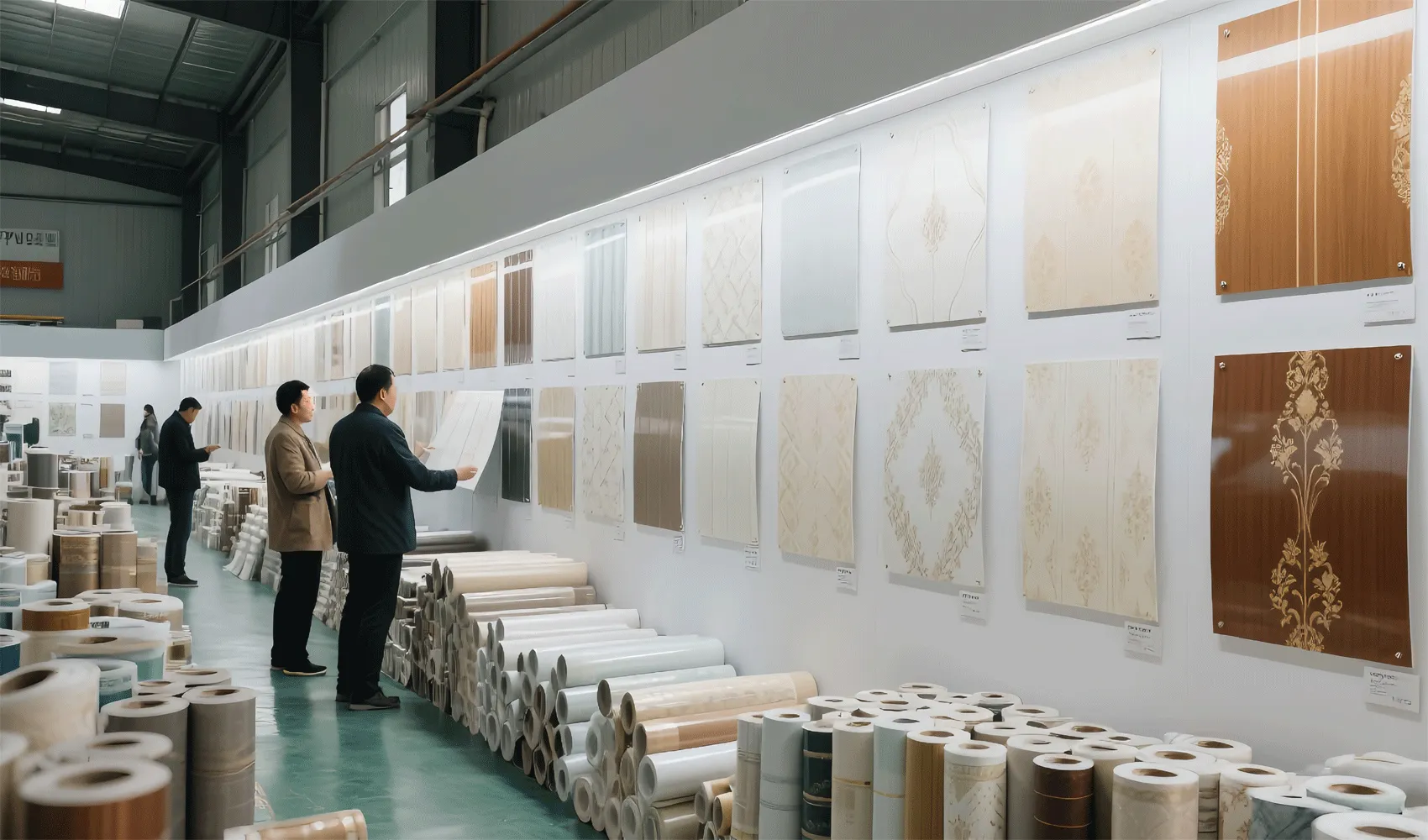
Leading manufacturers offer extensive customization options for pvc blue film. Beyond standard blue shades, customers can specify custom colors, printed logos, perforation patterns, and specialized adhesive formulations. Calendered Film production lines can be adjusted to produce films with specific surface textures, including glossy, matte, and embossed finishes. Split-packaging services allow full rolls to be cut into smaller, fixed-length rolls based on customer requirements, with each roll individually wrapped and labeled for easy identification and inventory management.
For businesses seeking reliable pvc blue film supply, Henan Pulivk New Materials Co., Ltd. offers comprehensive in-house production capabilities spanning calendering, printing, and split-packaging lines. This integrated approach ensures consistent quality, flexible customization, and efficient lead times for partners worldwide.
Choosing the optimal pvc blue film depends on several factors including the substrate material, exposure conditions, and duration of protection required. For short-term indoor protection, a low-tack film with standard blue pigmentation may suffice. Outdoor applications exposed to UV radiation and temperature fluctuations demand films formulated with UV stabilizers and higher adhesion levels. For cleanroom and medical environments, anti-static properties and strict contamination controls are essential. Consulting with experienced suppliers early in the specification process helps ensure the selected film meets all technical requirements while remaining cost-effective.
Whether your application involves packaging sensitive electronics, protecting finished surfaces during construction, or providing temporary barriers in industrial settings, pvc blue film offers a proven solution backed by decades of material science development and real-world performance validation.