Address
304 North Cardinal St.
Dorchester Center, MA 02124
Work Hours
Monday to Friday: 7AM - 7PM
Weekend: 10AM - 5PM
Address
304 North Cardinal St.
Dorchester Center, MA 02124
Work Hours
Monday to Friday: 7AM - 7PM
Weekend: 10AM - 5PM


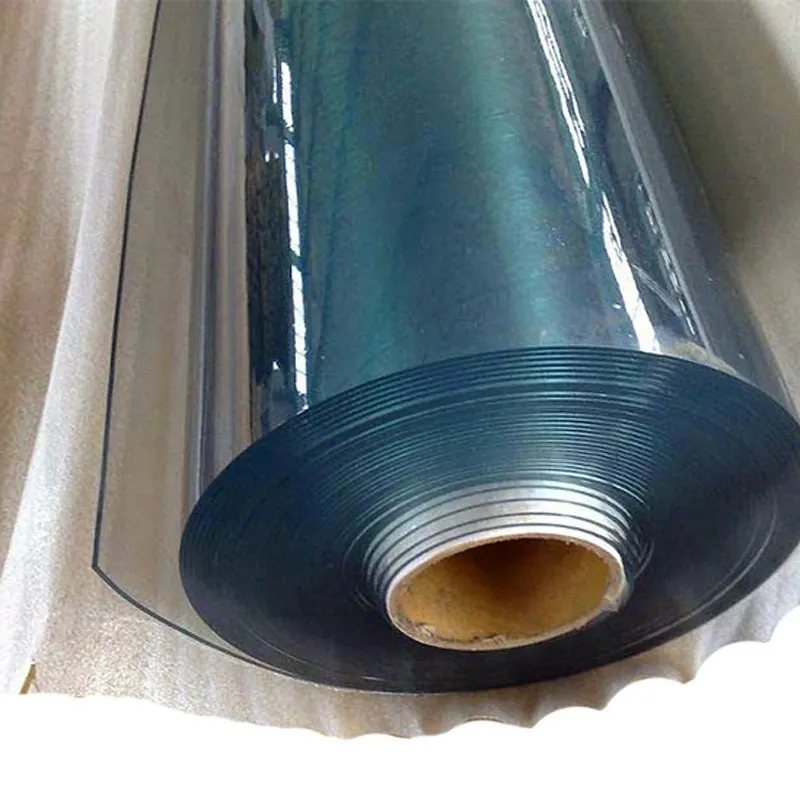
Clear PVC film is prized for transparency and protection, but condensation on the surface can ruin visibility and performance. This guide explains how anti-fog treatments work, practical application methods for both DIY and industrial settings, testing tips, and how to choose the right solution to keep PVC clear film fog-free and highly visible.
Fogging occurs when warm, moisture-laden air meets a colder PVC surface and water vapor condenses into tiny droplets. Those droplets scatter light and reduce clarity. Common scenarios include shower enclosures, greenhouse covers, refrigerated display cases, and vehicle window protection films.
Key factors: humidity differential, surface temperature, and the surface energy of the film. Films with low surface energy attract discrete droplets; anti-fog treatments increase surface wettability so moisture forms a continuous sheet instead of light-scattering beads.
There are several anti-fog approaches, each suited to different applications and budgets. Understanding the mechanism helps select the most effective method for a specific use-case.
| Treatment | How It Works | Durability | Common Uses |
|---|---|---|---|
| Hydrophilic Coatings (Spray/Coating) | Increase surface energy so water spreads into a film, preserving transparency. | Medium — reapplication may be needed after cleaning or abrasion. | Shower screens, greenhouse films, medical barriers. |
| Permanent Chemical Treatment (In-Line) | Integrates anti-fog functionality during calendering or coating for long-lasting effect. | High — designed for industrial and long-term applications. | Automotive, commercial refrigeration, packaging films. |
| Anti-fog Laminates or Films | Apply a dedicated anti-fog layer over clear PVC to protect underlying film. | High — physical barrier resists cleaning abrasion. | Display windows, protective covers, face shields. |
| Temporary Home Remedies (Soapy Water, Shampoo) | Create a thin film that can reduce surface tension temporarily. | Low — washes off quickly. | Quick fixes for household mirrors or glasses. |
For short-term or household needs, DIY sprays or soapy-water treatments can be cost-effective. However, for commercial, automotive, or high-abrasion applications, industrial in-line treatments or anti-fog laminates provide superior longevity and consistent performance.
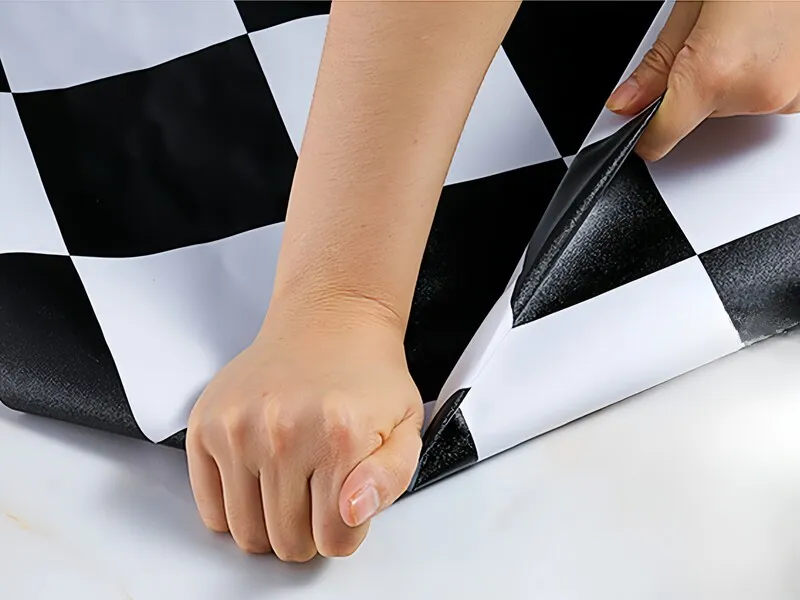
Preparation is critical. Clean the PVC film thoroughly with an alcohol-based cleaner to remove oils and residues. Apply the anti-fog product according to manufacturer instructions—usually in thin, even layers—and allow full curing time before exposure to moisture.
Tip: Avoid abrasive cleaners after treatment; use a soft microfiber cloth and mild detergents to preserve the anti-fog finish.
Reliable anti-fog treatment should be tested for contact angle, fogging resistance time, and abrasion resistance. A lower static water contact angle indicates better hydrophilicity. Industry tests often report minutes until complete fogging at fixed humidity/temperature differentials.
Consider requesting sample rolls treated with the chosen anti-fog method and run accelerated aging with repeated cleaning cycles to verify long-term performance before large-scale purchase.
In hot, humid regions like Southeast Asia or coastal areas, condensation forms quickly—choose treatments with higher hydrophilicity and abrasion resistance. For refrigerated or cold-chain applications, ensure the anti-fog system remains effective at low temperatures and during frequent temperature cycling.
To maximize service life, minimize exposure to abrasive contact, clean gently, and reapply top-up coatings if using spray products. Laminated anti-fog films or permanent in-line treatments require far less maintenance and are ideal when clarity and durability are top priorities.
When sourcing anti-fog PVC films, consider OEM capabilities that can integrate anti-fog treatments during production to lower per-unit cost and ensure uniformity. Many manufacturers offer custom widths, thicknesses, and anti-fog grades to match specific end uses.
For custom anti-fog PVC films and reliable production support, contact Pulivk: https://pvcfilmtec.com/