Address
304 North Cardinal St.
Dorchester Center, MA 02124
Work Hours
Monday to Friday: 7AM - 7PM
Weekend: 10AM - 5PM
Address
304 North Cardinal St.
Dorchester Center, MA 02124
Work Hours
Monday to Friday: 7AM - 7PM
Weekend: 10AM - 5PM


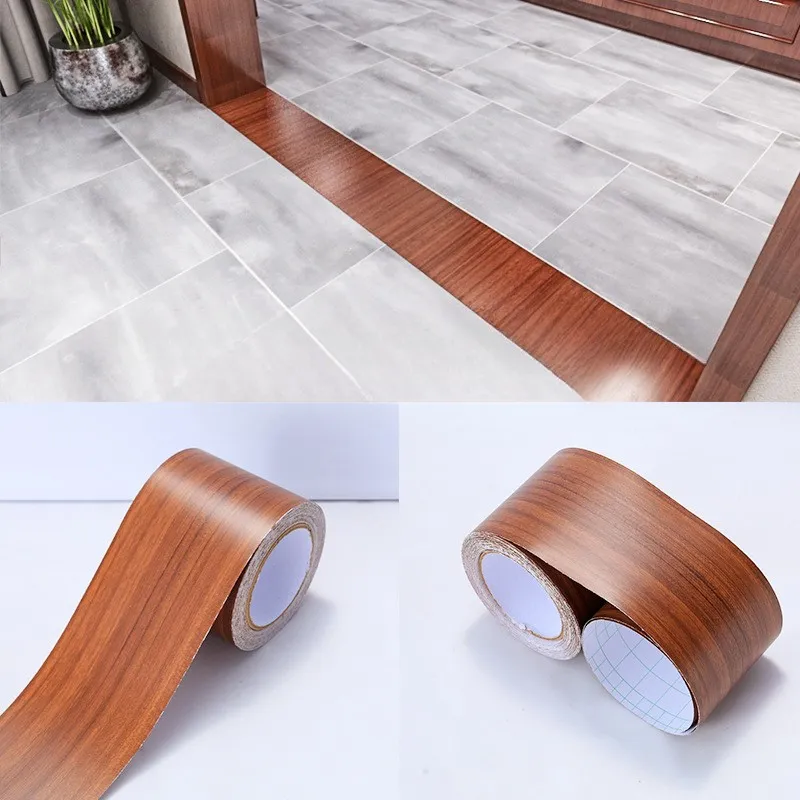
Understanding the price of PVC cling film involves more than just comparing numbers on a quote. It’s a complex calculation influenced by raw material costs, manufacturing processes, product specifications, and market dynamics. Whether you’re a procurement manager for a furniture factory, a project contractor, or a business owner sourcing materials, a clear grasp of these factors is essential for making cost-effective purchasing decisions without compromising on quality.
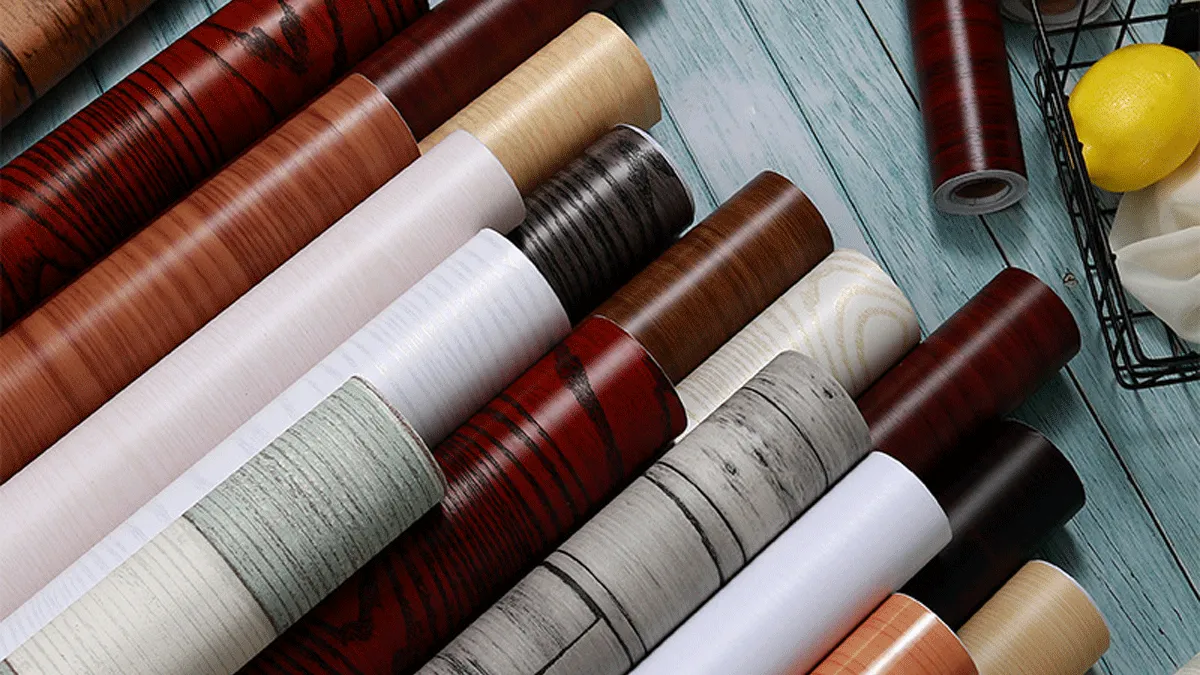
This comprehensive guide will break down the key elements that determine PVC film pricing, explore the different types available and their cost implications, and provide a framework for meaningful cost comparison. By the end, you’ll be equipped to navigate the market confidently and select the best value product for your specific application.
The final price per square meter or per roll of PVC film is not arbitrary. It is the sum of several interconnected cost drivers. Here are the primary factors you should consider:
The base cost of polyvinyl chloride (PVC) resin is a fundamental price driver, fluctuating with global oil and petrochemical markets. However, the formulation goes beyond just PVC.
High-quality films incorporate plasticizers (like DINP or DOTP for eco-friendly options), stabilizers, pigments, and additives for UV resistance, anti-fog, or anti-static properties. Each additive increases the raw material cost. A heavy-duty floor film requiring high durability additives will naturally cost more than a standard decorative film.
Thickness, measured in microns (µm) or mils, is a direct and linear cost factor. Thicker films use more raw material, resulting in a higher price. Common ranges are:
The visual and tactile finish significantly impacts price. A simple solid color film is less expensive to produce than a complex pattern.
Films engineered for specific environments or functions include a “performance premium.”
Economies of scale apply. Larger orders allow manufacturers to optimize production runs, reducing the cost per unit. Conversely, highly customized orders—such as unique colors, proprietary patterns, or specific roll dimensions—incur setup charges and minimum order quantities (MOQs), raising the unit price compared to standard stock items.
Understanding the product landscape helps contextualize pricing. Here’s a breakdown of common types, from economical to premium.
These are standard-calendered films with simple solid colors, basic gloss/matte finishes, or straightforward patterns. They are typically thinner and used for short-term decoration, protective packaging, or low-wear interior surfaces. Price is highly competitive, focusing on functional coverage rather than long-term aesthetics or durability.
This is the most extensive category, covering the majority of commercial and residential applications. It includes:
These films justify their higher cost through advanced performance or luxury aesthetics.
Comparing prices on a like-for-like basis is critical. A cheaper film that fails prematurely is far more expensive in the long run.
Create a detailed specification sheet: Thickness (µm), width (mm), roll length (m), surface finish (e.g., gloss level, texture type), adhesive type, key performance requirements (wear rating, fire class, etc.), and required certifications.
Look beyond the price per roll. Consider:
The manufacturer’s capability affects true cost. A supplier like Pulivk Film, with in-house calendering, printing, and slitting, offers better quality control, faster lead times for custom orders, and often more competitive pricing due to vertical integration. Their OEM/ODM services mean you pay only for the specifications you need.
Pro Tip: Always request physical samples from shortlisted suppliers. Test them for color consistency, adhesion, tensile strength, and cleanability under your actual conditions. The sample performance is the best predictor of long-term value.
Navigating PVC cling film pricing requires a shift from seeking the lowest price to identifying the optimal cost-in-use. The most economical choice is the film that meets all your technical and aesthetic requirements at the lowest total cost over its service life.
Invest time in upfront specification. Partner with technically proficient suppliers who offer transparency in their costing and can provide guidance. Remember, factors like supplier reliability, consistent quality, and technical support are intangible benefits that safeguard your project timeline and final product quality, ultimately contributing to your bottom line.
The most common error is comparing films based solely on thickness or a generic name (e.g., “wood grain film”) without accounting for density, surface treatment quality, adhesive performance, and technical certifications. Always compare detailed specification sheets.
Significantly. Ordering a full container load (20-40 pallets) can often reduce the unit cost by 15-25% compared to a small pallet order, due to optimized production and lower logistics costs per unit. Many manufacturers offer tiered pricing based on volume.
Yes. Always clarify if the quoted price includes: export packaging (heavy-duty), palletization fees, inland freight to the port, and any specific documentation charges (e.g., special certificates of analysis). These are sometimes listed as separate line items.
Not necessarily. While certain European brands have a reputation for high environmental and performance standards, many Asian manufacturers, especially integrated producers with modern facilities, produce films that meet and exceed international standards (REACH, RoHS, ISO) at a more competitive price. The key is verifying the specific certifications and test reports for the batch, not just the origin.
Absolutely. For temporary displays, promotional items, or short-term packaging, discuss this with your supplier. They can often recommend a fit-for-purpose, lower-cost formulation (e.g., slightly thinner, with standard pigments) that reduces cost while still performing adequately for its intended lifespan, avoiding over-specification and unnecessary expense.