Address
304 North Cardinal St.
Dorchester Center, MA 02124
Work Hours
Monday to Friday: 7AM - 7PM
Weekend: 10AM - 5PM
Address
304 North Cardinal St.
Dorchester Center, MA 02124
Work Hours
Monday to Friday: 7AM - 7PM
Weekend: 10AM - 5PM


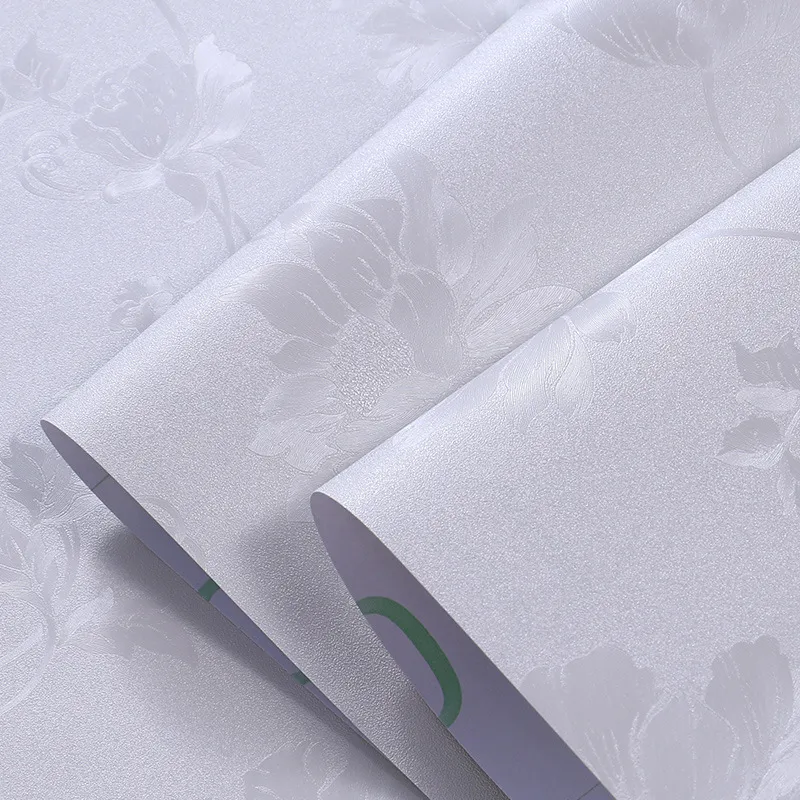
PVC coated film is a versatile engineered material used across interior decoration, flooring, packaging, and industrial protection. Understanding its composition and layer structure helps designers, specifiers, and buyers choose the right grade for durability, printability, and performance. This guide breaks down the typical PVC coated film build-up, highlights key properties, and shows common applications where each layer matters.
PVC coated film is a multi-layer polymer sheet where a polyvinyl chloride (PVC) base is combined with functional layers such as primers, printed decorative layers, protective lacquers, and adhesives. The layered architecture allows manufacturers to tailor mechanical strength, surface finish, scratch resistance, and chemical properties for specific end uses.
Each layer in a PVC coated film serves a dedicated purpose:
Backing / Carrier Layer: Provides dimensional stability and base mechanical strength. Often plain PVC or blended with plasticizers for flexibility.
Primer Layer: Improves bonding between the base film and subsequent printed or lacquer layers, ensuring long-term adhesion.
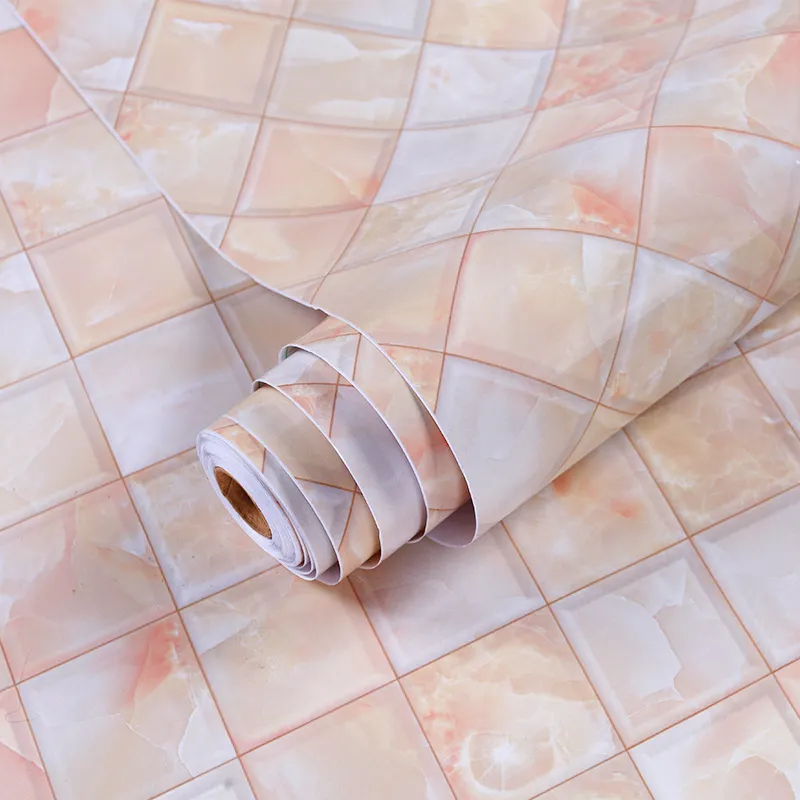
Decorative / Printed Layer: A digitally or gravure printed design (wood grain, marble, solid color) that provides aesthetics and brand identity.
Clear Wear / Protective Lacquer: A transparent coating that protects printed graphics from abrasion, chemicals, UV fading, and frequent wear.
Adhesive / Release Treatment (for self-adhesive types): Applied on the reverse for peel-and-stick installation; release paper may be added during packaging.
Functional Additives: Anti-slip, anti-static, flame-retardant, antimicrobial, or UV-stabilizers may be integrated into one or more layers.
| Layer | Primary Function | Typical Materials / Treatments |
|---|---|---|
| Backing / Base Film | Structural support, flexibility | Calendered PVC, plasticizers, fillers |
| Primer | Adhesion promotion | Chemical primers, corona treatment |
| Printed Decorative Layer | Visual pattern, color | Solvent or UV inks, gravure/digital print |
| Wear Layer / Lacquer | Scratch & chemical resistance | PU, acrylic or PVC-based lacquers |
| Adhesive / Release | Self-adhesion, application ease | Pressure-sensitive adhesive + release paper |
Manufacturers vary layer thickness, additives, and surface texturing to produce different finishes such as glossy, matte, silk, wood-grain, and stone effects. Multi-layer composites can add a non-slip wear layer for flooring or a thicker lacquer for heavy-duty industrial applications. Custom color matching and printed patterns are common for OEM and private-label orders.
Durability: Controlled by wear layer chemistry and thickness.
Flexibility: Determined by base film formulation and plasticizer content.
Printability: Enhanced by primers and surface treatments (corona, plasma).
Resistance: Anti-scratch, water, oil, and UV resistance vary by lacquer and additives.
Decorative Surfaces: Wardrobe and cabinet wraps, wall coverings, furniture veneers—where look and scratch resistance are essential.
Floor Films: Decorative floor coverings and peel-and-stick flooring benefit from reinforced wear layers and anti-slip additives.
Protective Films: Temporary protective films for glass, metal, and painted surfaces during transport or installation.
Packaging & Labels: Printed PVC coated films for durable packaging that resists moisture and handling damage.
Automotive & Industrial: Trim, decals, and interior panels using specialized lacquers and adhesives for long-term adhesion and resistance.
Match the film’s layer architecture to the end use: thicker wear layers for floors, UV-stable lacquers for exterior-facing surfaces, and high-bond primers for complex laminations. Check the technical datasheet for abrasion cycles (Taber), peel strength, and chemical resistance ratings when selecting a supplier.
Full in-house production—from calendering to printing and split-packaging—ensures consistent quality control, faster lead times, and competitive pricing. Pulivk offers calendered film production, printing lines, and split-packaging options to support OEM customization, flexible roll sizes, and export-ready packing.
Ensure substrate is clean, dry, and free of grease; use recommended primer if bonding to challenging surfaces.
For self-adhesive films, apply at moderate temperatures and use a squeegee to avoid trapped air.
Clean coated PVC surfaces with mild detergents; avoid harsh solvents unless the datasheet confirms resistance.
Understanding the layer-by-layer composition of PVC coated film is the quickest route to the right product choice. Prioritize the wear layer and primer for longevity, and specify additives for environmental and safety needs. For tailored specifications and OEM production, working with a manufacturer that controls the full production chain can reduce risk and improve delivery reliability.