Address
304 North Cardinal St.
Dorchester Center, MA 02124
Work Hours
Monday to Friday: 7AM - 7PM
Weekend: 10AM - 5PM
Address
304 North Cardinal St.
Dorchester Center, MA 02124
Work Hours
Monday to Friday: 7AM - 7PM
Weekend: 10AM - 5PM


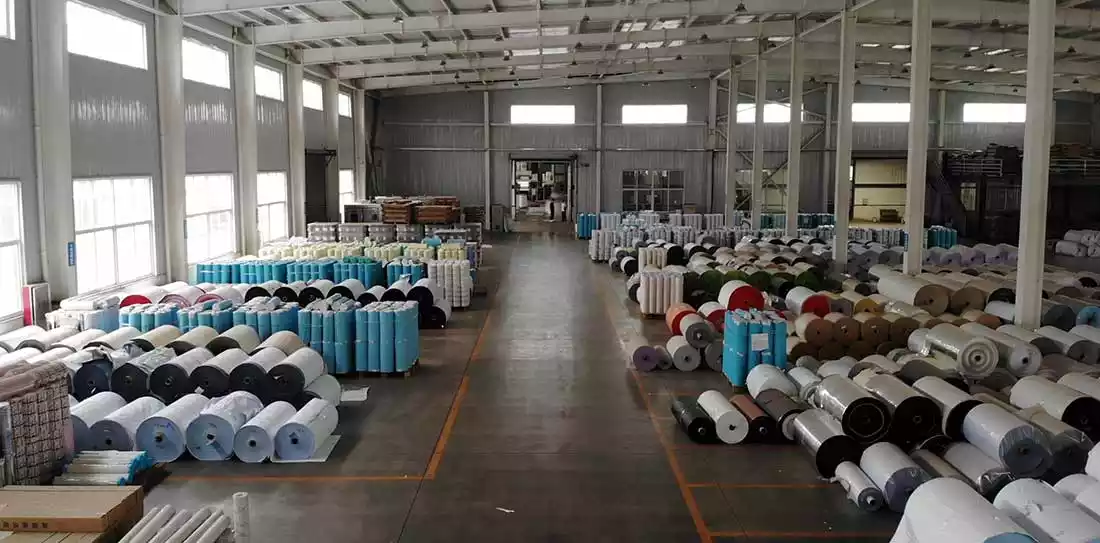
In the world of furniture design and renovation, achieving a high-end look without the high-end cost is a constant pursuit. This is where PVC decorative film steps in as a transformative solution. This versatile material offers an incredible array of textures, colors, and finishes, allowing you to refresh old furniture, customize new pieces, or add protective and aesthetic layers to surfaces with remarkable ease. From modern minimalist kitchens to classic wooden wardrobes, PVC film provides the flexibility to realize any design vision.
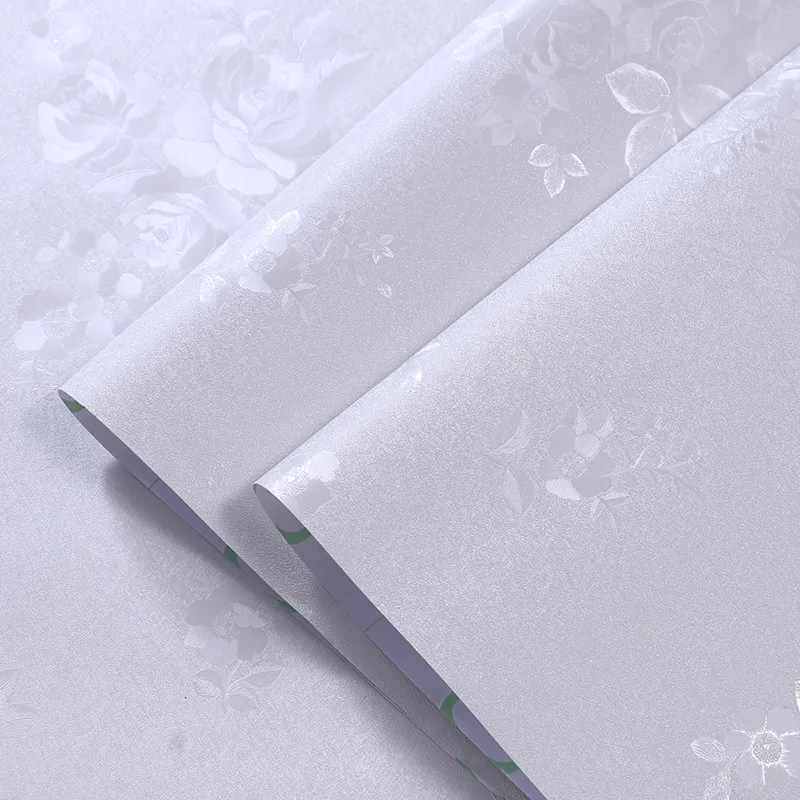
PVC, or Polyvinyl Chloride, film is a thin, flexible sheet manufactured through processes like calendering. For furniture applications, it is often laminated onto substrates like MDF, particleboard, or plywood to create durable, visually appealing surfaces. The core appeal lies in its ability to mimic expensive materials—such as natural wood, stone, metal, or fabric—at a fraction of the price and weight, while offering superior consistency and easier maintenance.
Key Takeaway: PVC film is not just a cover; it’s a design enabler. It allows manufacturers and DIY enthusiasts to experiment with bold patterns, like a dramatic marble film for a statement table, or subtle textures, such as a soft-touch finish for a contemporary feel, without committing to the real material’s cost or limitations.
The variety available is vast, each type serving a specific aesthetic or functional purpose. Understanding these categories is the first step in selecting the right film for your project.
Glossy Film: Creates a reflective, high-shine surface that enhances color vibrancy and gives a sleek, modern look. Ideal for cabinet doors and contemporary furniture. Explore options like glossy wardrobe film for a polished finish.
Matte Film: Offers a non-reflective, smooth finish that is sophisticated and hides fingerprints and minor scratches well, perfect for a subdued, elegant aesthetic.
Textured Film: Includes options like 3D silk texture, linen, leather, or wood grain that you can actually feel, adding depth and a tactile quality to furniture surfaces.
Wood Grain Films: The most popular category, replicating everything from oak and walnut to exotic teak with stunning realism. A wood grain film can bring warmth to any piece.
Solid Colors & Abstracts: Provide bold, uniform color blocks or modern artistic patterns for a minimalist or avant-garde style.
Stone & Metal Effects: Mimic the cool elegance of marble, granite, or brushed stainless steel, offering a luxury look for accents and full surfaces.
Self-Adhesive Films: Feature a pressure-sensitive backing for easy DIY application, perfect for quick upgrades and removable decor.
Thermal Lamination Films: Require heat and pressure to bond, typically used in industrial settings for a permanent, bubble-free finish on flat surfaces.
Specialty Films: Include anti-fingerprint, anti-bacterial, or enhanced scratch-resistant properties for high-traffic areas like kitchen cabinets and children’s furniture.
PVC film’s versatility shines across the entire furniture spectrum, from mass production to custom one-off pieces.
This is a major application area. Films are used to create cabinet doors, drawer fronts, and side panels. The choice here often balances aesthetics with practicality. A glossy film can make a small kitchen feel larger and brighter, while a textured wood grain offers a classic, cozy feel. For areas prone to splashes, films with easy-clean surfaces or specific kitchen anti-oil properties are invaluable.
For bedroom and hallway storage, PVC film provides a seamless, easy-to-clean surface that resists moisture better than painted wood. Sliding door panels, external finishes, and internal shelves can all be laminated for a cohesive look. The range of finishes allows perfect matching with bedroom decor themes.
Tables & Desks: Table tops benefit greatly from durable, scratch-resistant films. A high-pressure laminate (HPL) with a PVC surface layer is common for office and dining tables, offering protection against daily wear while maintaining visual appeal.
Decorative Accents & Upcycling: DIYers and refurbishers use self-adhesive films to breathe new life into old furniture—covering dated laminate on dressers, creating feature panels on headboards, or lining the backs of bookshelves for a pop of color or pattern.
Selecting the perfect PVC film involves more than just picking a favorite color. Consider these critical factors to ensure success, durability, and satisfaction.
Where will the furniture be used? A kitchen cabinet film must resist moisture, grease, and frequent cleaning. Bathroom furniture requires excellent moisture resistance. Office or living room furniture may prioritize scratch resistance and aesthetic appeal. Always match the film’s technical specifications to its end-use conditions.
Film thickness, measured in microns (µm), directly impacts durability. Thicker films (e.g., 150-300µm) are more resistant to impacts, scratches, and wear, making them suitable for high-traffic horizontal surfaces like tabletops. Thinner films (e.g., 50-100µm) are often sufficient for vertical surfaces like cabinet doors. Inquire about wear layer specifications for added assurance.
Color Fastness: Ensure the film is UV-resistant if the furniture will be near sunlight to prevent fading.
Pattern Realism: High-quality films use advanced printing techniques to create deep, realistic textures. Request physical samples to judge the look and feel under your own lighting.
Finish Consistency: The gloss level (measured in GU – Gloss Units) should be consistent across the entire roll and batch for a uniform appearance on large projects.
Will the film be applied in a factory with a hot-press laminating machine, or is it a DIY project? This determines whether you need thermal laminate film or self-adhesive film. For adhesive films, check the tack level and whether it allows for repositioning during application. The quality of the adhesive affects long-term bond strength and prevents edges from lifting.
For indoor furniture, especially in homes with children, safety is paramount. Reputable suppliers like Pulivk ensure their films comply with international standards. Key certifications to look for include:
Always request relevant test reports or certificates from your supplier.
For large projects or unique designs, working with a supplier that offers OEM/ODM services is advantageous. Can they match a specific Pantone color? Can they produce custom widths or roll lengths to minimize waste? A supplier with full in-house control over calendering, printing, and finishing (like Pulivk) can offer greater flexibility, consistent quality, and better lead times.
High-quality PVC film is extremely durable, resisting scratches, stains, and moisture. Maintenance is simple: regular dusting and cleaning with a soft, damp cloth using mild soapy water. Avoid abrasive cleaners or scouring pads. For glossy finishes, a microfiber cloth helps avoid streaks. With proper care, the film can retain its appearance for many years.
Standard rigid films are best for flat surfaces. However, certain types of thinner, more flexible PVC films or vinyl wraps are designed for mild curves and compound shapes. For complex 3D surfaces, it’s a specialized job best left to professionals with the right tools and materials to prevent wrinkling or premature peeling.
While real wood veneer offers an authentic natural grain, it is more expensive, susceptible to water damage, and can warp. PVC film is more cost-effective, offers superior consistency in pattern and color, provides better moisture and scratch resistance, and requires less maintenance. It’s a practical alternative that achieves a similar aesthetic with enhanced durability.
Yes, most quality self-adhesive films are designed to be removable. The key is to peel slowly and at a low angle, applying gentle heat from a hairdryer to soften the adhesive if needed. Always test in an inconspicuous area first. Some residual adhesive might remain, which can be cleaned with a commercial adhesive remover or rubbing alcohol.
Reputable suppliers use standardized color management systems. When requesting a sample, confirm it is from a production batch. For exact color matching, provide a physical sample or Pantone code. Under the same supplier and batch, color consistency is high. However, always view final products under the lighting conditions where the furniture will be placed, as light can alter perceived color.