Address
304 North Cardinal St.
Dorchester Center, MA 02124
Work Hours
Monday to Friday: 7AM - 7PM
Weekend: 10AM - 5PM
Address
304 North Cardinal St.
Dorchester Center, MA 02124
Work Hours
Monday to Friday: 7AM - 7PM
Weekend: 10AM - 5PM


PVC decorative film has become a practical, design-forward material choice across France—especially for apartment renovations, boutique retail fit-outs, and hospitality projects where people want a refined look without long downtime. From Parisian haussmann-style flats to coastal homes in Provence or Normandy, French buyers often prioritize clean finishes, easy maintenance, and materials that feel “premium” while staying cost-conscious. This guide explains the best uses, popular types, how to evaluate suppliers, and how to buy PVC decorative film confidently in the French market.
◆ Key takeaway:
In France, PVC decorative film is widely used for furniture resurfacing, doors & wall panels, kitchen and bathroom upgrades, and commercial interiors. Choosing the right texture (matte, wood grain, stone, soft-touch) and the right performance (waterproof, anti-scratch, low-VOC inks, adhesive strength) matters as much as aesthetics.
French renovation culture often favors smart upgrades over full replacement. Many households and property owners prefer refreshing kitchens, wardrobes, or rental apartments quickly—without noisy demolition or long construction schedules. PVC decorative film fits this approach because it can deliver a new visual identity with minimal disruption.
✔ Renovation speed
Ideal for fast makeovers in rentals, studios, and secondary homes—common in cities like Paris, Lyon, and Bordeaux.
✔ Design flexibility
French interiors often mix modern minimalism with classic details; film patterns (wood, stone, textile) help match both.
✔ Maintenance
Smooth, wipe-clean surfaces are valued in kitchens and hospitality where appearance must stay consistent.
Below are the most common and high-value applications in France, with practical notes about what typically works best in local interiors and commercial spaces.
French kitchens often balance elegance and functionality. PVC decorative film is widely used to refresh cabinet doors, side panels, and wardrobe fronts—especially when the structure is still solid but the finish feels dated.
For higher-end looks, choose matte or soft-touch finishes that feel less plastic and more “architectural.”
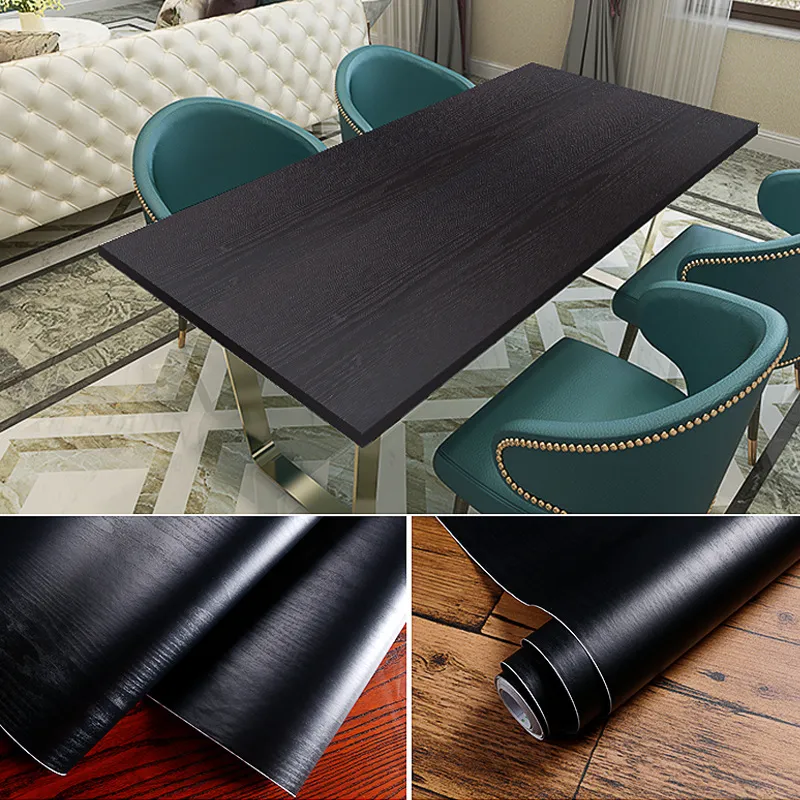
Recommended options include wood-grain patterns for warm interiors and glossy finishes for modern spaces. Explore wood patterns here:
Wood Grain Film.
◆ Pro tip for French apartments:
When working with smaller kitchens (common in urban apartments), lighter oak, ash, or stone tones visually expand the space, while matte surfaces hide fingerprints better than high gloss.
Decorative film is frequently applied to wall cladding panels in offices, salons, cafes, and reception areas where design impact matters. In France’s hospitality scene (boutique hotels, patisseries, wine bars), film helps create consistent themes across multiple locations while controlling costs.
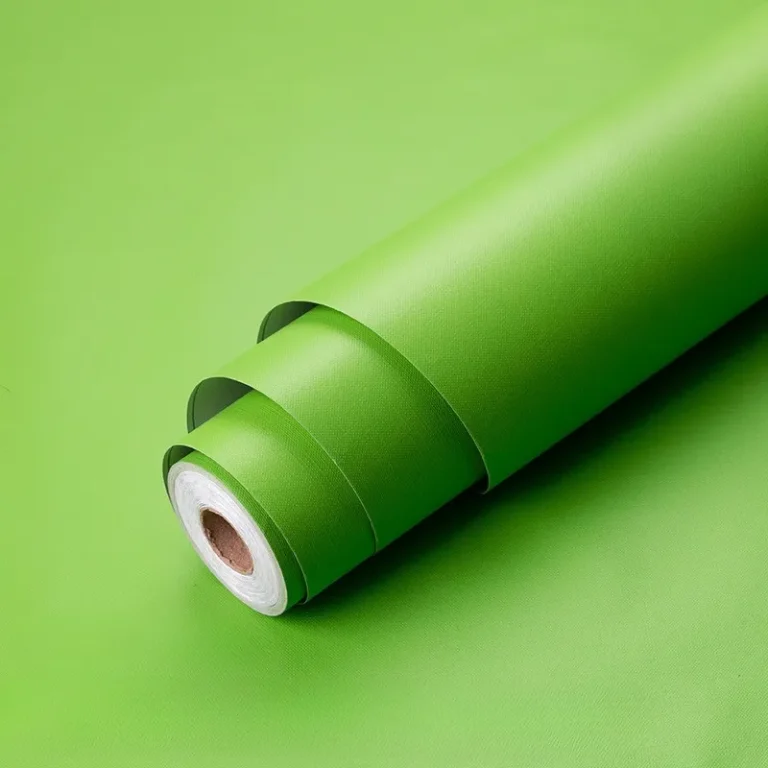
Solid colors can create minimalist “gallery walls” or modern retail backdrops:
Solid Color Wallpaper.
Skirting and edge details are easily damaged by cleaning tools and foot traffic. Applying a durable skirting film improves resistance and maintains a neat finish—useful for rental turnovers and commercial corridors.
For product reference:
PVC Skirting Film.
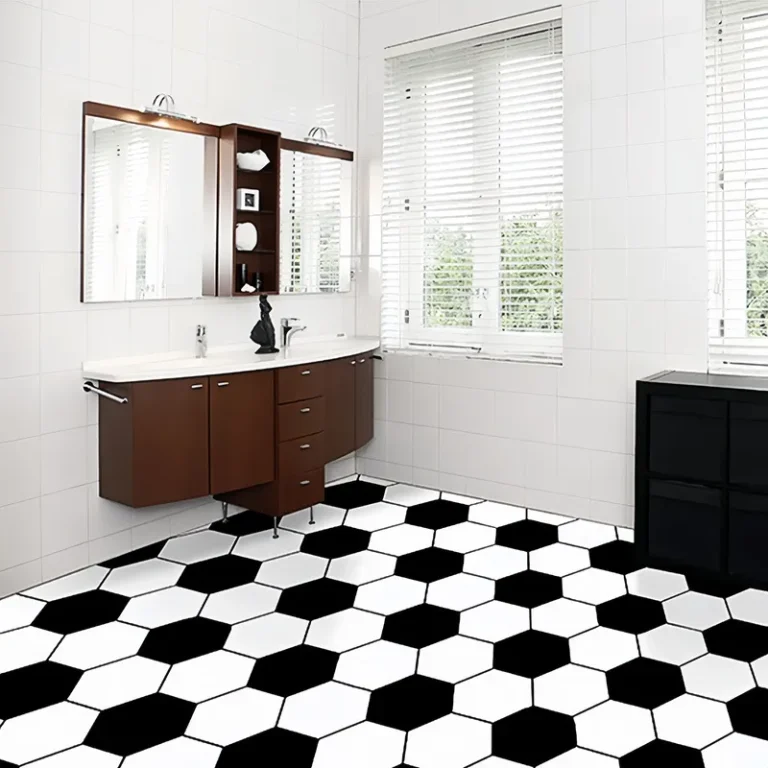
For light commercial areas, exhibitions, or quick refresh projects, PVC floor film can protect underlying surfaces and unify the look. Always confirm wear layer, anti-slip expectations, and cleaning chemistry suitability (common in French cafes and bakeries where frequent wet cleaning is standard).
Product reference:
Floor Film.
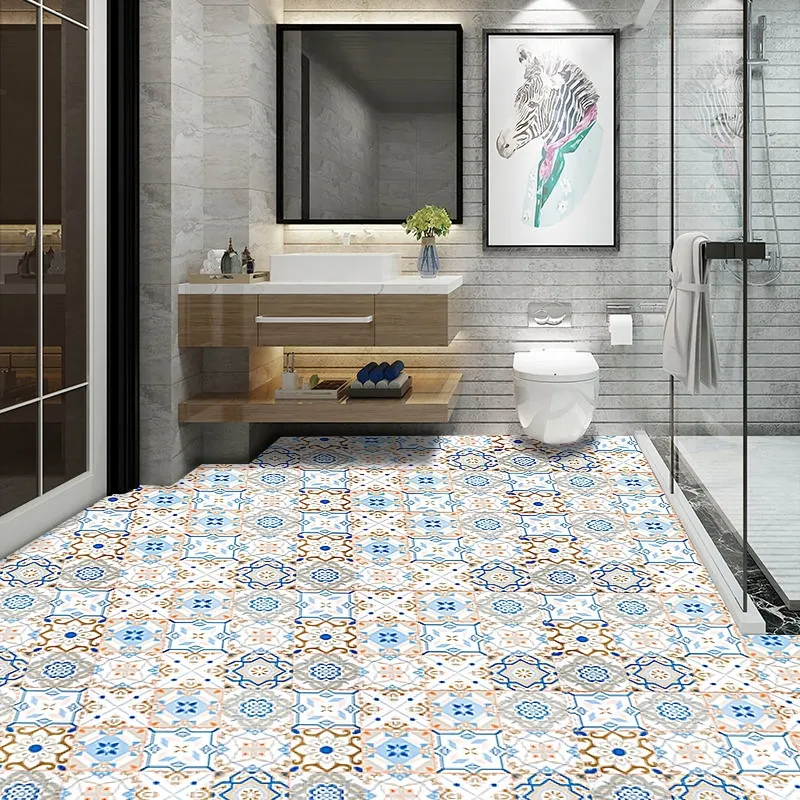
Bathrooms in France can be compact, and ventilation varies by building age. For wet zones, prioritize waterproof performance, stable adhesive, and surfaces that resist staining. In kitchens, oil and cooking vapor can dull finishes—so oil-resistant or easy-clean surfaces deliver better long-term appearance.
Not all PVC decorative films are the same. Selection should match your substrate (MDF, plywood, metal, PVC board), your environment (humidity, heat, cleaning frequency), and your desired look.
◆ Calendered PVC film
Known for stable thickness and efficient production for large orders. Often used for furniture, wall panels, and industrial applications.
Reference:
Calendered Film.
Wood grain
A top choice for French interiors—pairs well with neutral walls, natural textiles, and black/bronze hardware.
Stone / marble look
Popular for feature surfaces and kitchens; offers a “Paris boutique” aesthetic when paired with minimal lighting and clean lines.
Matte & soft-touch
Preferred for premium feel; reduces glare (useful in bright rooms with large windows) and hides light scratches.
For electronics, appliances, and sensitive production spaces, functional coatings can be critical. Options may include anti-static, anti-fog, food-grade coatings, and tailored adhesive systems (self-adhesive or non-adhesive for lamination processes).
Buying well is about balancing appearance, durability, compliance expectations, and after-sales reliability. Use the checklist below to reduce costly rework and mismatch.
France-based importers, distributors, contractors, and manufacturers often source film internationally. The difference between a smooth project and a failure is frequently decided during supplier evaluation.
◆ Ask about production capability
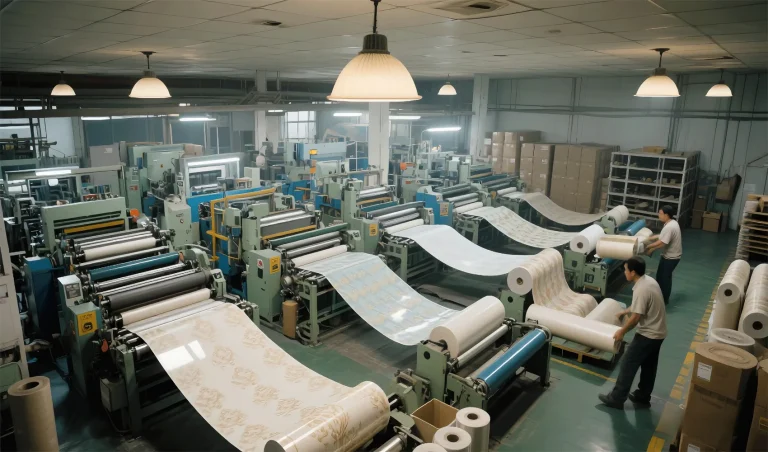
A strong supplier can control calendering, printing, and slitting/packaging in-house—reducing lead time and quality variability.
◆ Ask about QC and traceability
Look for multi-step QC (thickness, adhesion, optics) plus batch traceability—important for chain stores and repeat orders.
◆ Ask about OEM/ODM
Custom thickness, width, embossing, patterns, and packaging are common needs in France, where design consistency matters.
Pulivk Film focuses on R&D and manufacturing of PVC films, covering calendered film, decorative film, floor film, soft-touch film, transparent film, and more. With integrated production lines for calendering, printing, and slitting/packaging, a full-process supplier can manage quality from raw materials to finished rolls, helping buyers reduce overall cost and shorten delivery times.
For France-bound shipments, export-ready packaging is typically important: dust-proof PE film or kraft paper wrapping per roll, clear spec labels, and protective outer packing to minimize transport damage.
While product specs are universal, successful projects in France tend to reflect local expectations about finish quality and visual harmony. French consumers and commercial designers often pay attention to subtle details: consistent sheen, realistic texture, and clean edge finishing.
To avoid delays and mismatches, confirm these items in writing. This is especially important when ordering for multiple sites (franchises, retail chains) or for phased renovations.
1) Dimensions
Thickness, width, roll length, core size, and tolerance requirements for your machine or installer.
2) Surface & emboss
Gloss level (matte/satin/gloss), emboss depth, and whether texture direction must align across panels.
3) Adhesion method
Self-adhesive vs lamination; confirm curing time, temperature range, and substrate preparation.
4) Color control
Standard sample approval, production sample, and batch-to-batch control for repeat orders.
Even premium film can fail if the substrate is dusty, oily, or uneven. For kitchens and bathrooms in particular, surface prep is decisive.
1) What is PVC decorative film, and is it suitable for indoor French renovations?
PVC decorative film is a thin polyvinyl chloride sheet designed to add color, texture, and protection to surfaces like furniture panels, doors, and walls. When produced with eco-friendly inks and controlled materials, it is suitable for indoor decorative use.
2) Which finish is best for kitchens in France—glossy or matte?
Matte (or soft-touch) is often preferred because it reduces fingerprints and glare, while still looking premium. Glossy can work well for modern styles, but it may show smudges more easily.
3) Can I order custom colors or patterns for a French retail chain project?
Yes. Many manufacturers offer OEM/ODM customization including thickness, width, embossing, printing, and packaging—useful for maintaining consistent branding across multiple locations.
4) What should I test before buying in bulk?
Test adhesion on your real substrate, scratch/cleaning resistance, color under your lighting, and performance in humidity/temperature conditions similar to the installation site.
5) How do I request samples or a quotation efficiently?
Provide film type, thickness, width, roll size, finish, color/pattern reference, intended application, and estimated quantity—then request samples for evaluation before finalizing the PO.