Address
304 North Cardinal St.
Dorchester Center, MA 02124
Work Hours
Monday to Friday: 7AM - 7PM
Weekend: 10AM - 5PM
Address
304 North Cardinal St.
Dorchester Center, MA 02124
Work Hours
Monday to Friday: 7AM - 7PM
Weekend: 10AM - 5PM


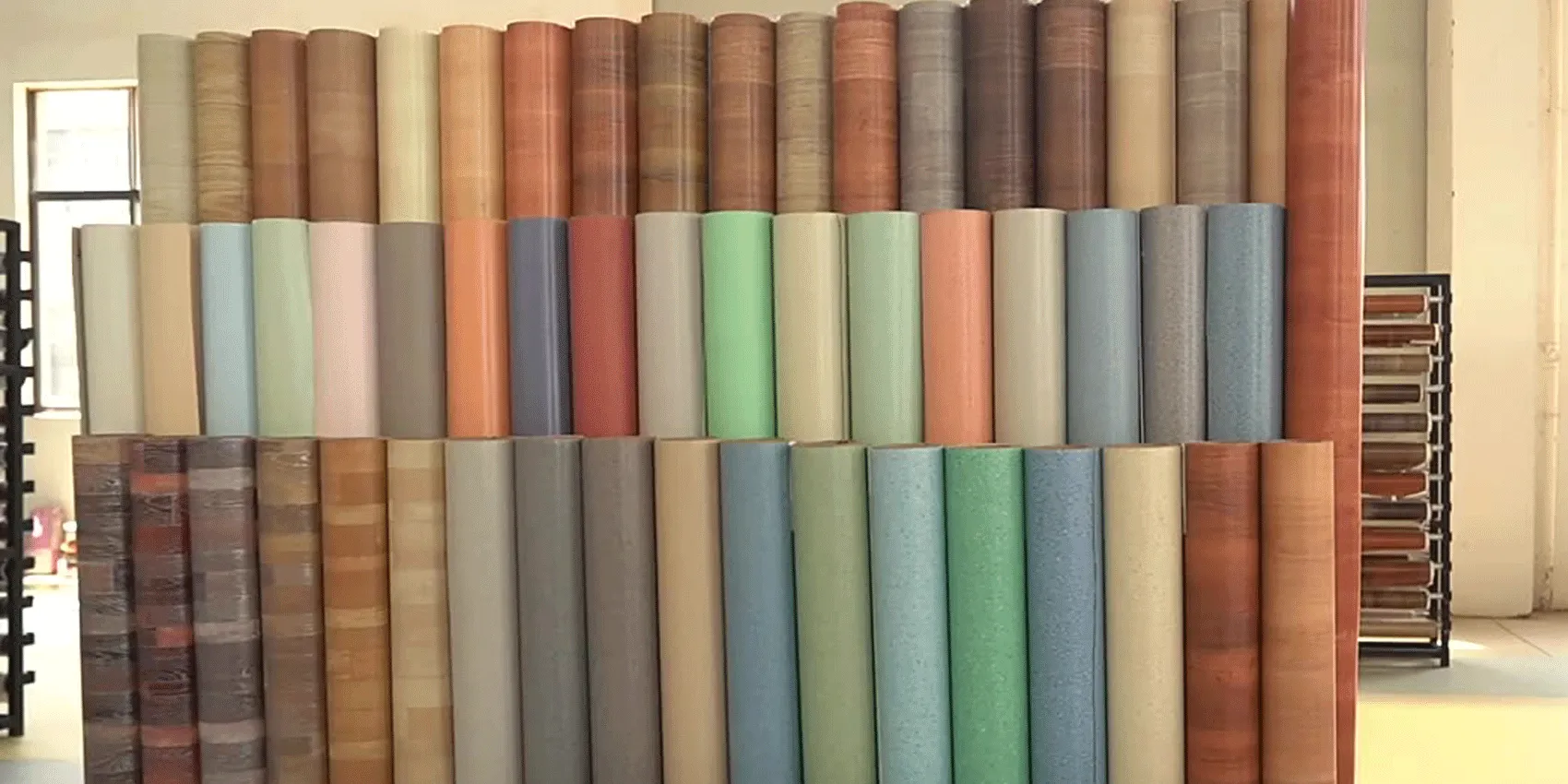
In Saudi Arabia, PVC decorative film has become a practical finishing material for homes, offices, retail spaces, and large-scale fit-outs—especially where high temperatures, frequent cleaning, and a preference for refined interiors all meet. From Riyadh’s modern apartments to Jeddah’s coastal properties, people often want surfaces that look premium (wood, marble, textile, metallic) while staying easy to maintain. PVC decorative film fits that lifestyle: it upgrades cabinets, doors, walls, and furniture without the cost and downtime of full replacement.

This guide explains top uses, typical price factors, and where to buy PVC decorative film in Saudi Arabia. It also highlights what to check for local conditions like heat, sun exposure, and everyday wear—so your finish stays consistent and long-lasting.
✔
Fast upgrades without renovation mess: Many households prefer quick improvements before Eid gatherings, new tenant move-ins, or retail refresh cycles—film allows a “new look” with less disruption.
✔
Design flexibility that matches local taste: Wood tones, marble looks, and clean solid colors fit popular interior styles—from modern minimal to warmer hospitality-focused spaces.
✔
Durability for daily cleaning: Frequent wipe-downs (dust control, kitchen splashes, high-traffic areas) make scratch resistance and easy maintenance a major advantage.
PVC decorative film is a thin, engineered sheet used to decorate and protect surfaces such as MDF boards, cabinets, doors, wall panels, and furniture. Depending on the type, it can be laminated via hot press, vacuum membrane, flat lamination, or applied as a self-adhesive wrap for renovation projects.
It is not the same as paint or wallpaper. Paint changes color only; PVC film adds texture, pattern, and functional properties (scratch resistance, moisture resistance, easy cleaning). Compared with wallpaper, PVC decorative film is often more suitable for hard surfaces like boards and profiles, and offers more realistic 3D textures.
Kitchens in Saudi homes often prioritize cleanliness, durability, and a refined finish—especially in open-plan layouts where the kitchen is visible to guests. PVC decorative film is widely used on cabinet doors, drawer fronts, end panels, and pantry units.
★
Recommended finishes: matte solid colors (fingerprint-friendly), wood grain for warm tones, and marble looks for upscale modern kitchens.
⚠
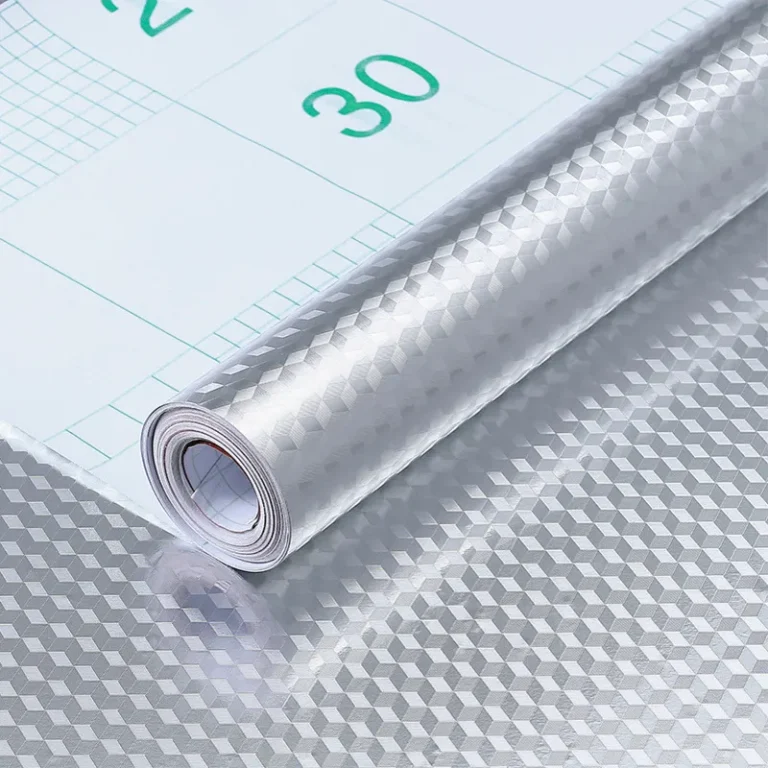
Practical tip: for zones near cooking, choose films designed for easier degreasing and stable appearance. For specialized options, see
Kitchen Anti-oil Film.
Wardrobes and dressing rooms are a major focus in many Saudi households, where storage solutions are often customized. PVC decorative film supports consistent color matching across large panel runs, and provides surface choices like glossy, matte, soft-touch, or fabric textures.
In daily use, wardrobes benefit from scratch resistance, easy cleaning, and stable color—especially when exposed to strong indoor lighting or sunlight from windows.
If you want high-end looks without heavy materials, a marble finish can deliver strong visual impact. A common choice is
Marble Film
for door faces or feature panels.
For villas, majlis-style reception spaces, and modern guest areas, feature walls are often designed to feel premium and welcoming. PVC decorative films can be used on wall panels, trim boards, and decorative frames to create a layered interior look.
Design idea: Combine a calm solid color base with a textured accent (silk, cloth, or 3D emboss) to create depth without overwhelming the space.
For a refined tactile finish, explore
3D Silk Texture Film
for feature panels in reception or hospitality settings.
Skirting boards and trims take constant impact from cleaning tools, moving furniture, and foot traffic. PVC films for skirting are designed to protect and visually unify the room—especially in projects where a consistent wood tone or solid color theme is needed.
A purpose-made option is
PVC Skirting Film,
commonly used by fit-out contractors and furniture factories for reliable wrapping and consistent appearance.
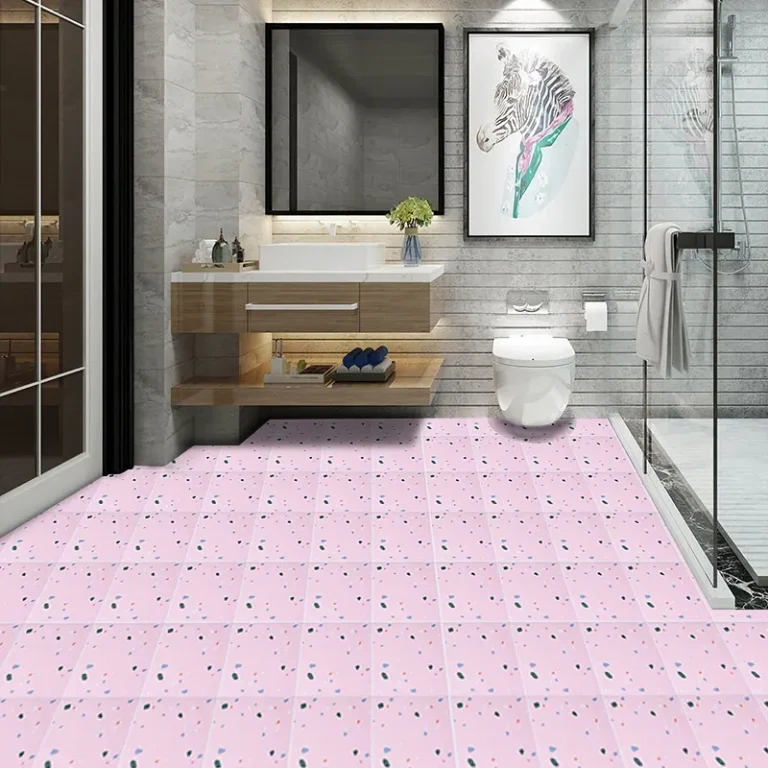
In commercial projects, renovations often need speed. Floor films and protective films can support quick turnaround, provide decorative updates, or protect surfaces during installation work. For decorative flooring solutions, see
Floor Film.
Prices in Saudi Arabia vary widely because “PVC decorative film” includes multiple structures, thicknesses, surface layers, and performance levels. Instead of relying on one fixed number, buyers usually compare films using a few cost drivers:
Thicker films and multi-layer constructions generally cost more, but they may deliver better impact resistance and a more stable feel during lamination. For factories, stable thickness helps improve yield and reduce defects.
Embossed textures, soft-touch coatings, and high-gloss finishes typically add cost due to additional processing and coating control. In Saudi interiors, matte and soft-touch finishes are often preferred for a calm, premium appearance and better fingerprint masking.
Realistic marble veining, deep wood pores, and consistent color matching across batches require better printing calibration and quality control. For contractors doing phased projects, batch consistency matters as much as the initial look.
Films can be engineered with functional coatings. In certain Saudi applications—like electronics packaging, high-dust environments, or high-cleaning-frequency zones—these upgrades justify higher pricing.
Larger volumes reduce unit cost. OEM/ODM customization (special width, roll length, color matching, private label packaging) can influence pricing depending on setup requirements. Delivery terms (EXW/FOB/CIF), shipping route, and lead time also affect final cost.
💡
Quotation checklist: When requesting a price, include application (cabinet/door/wall), thickness, width, roll length, finish (matte/gloss/emboss), pattern/color code, and quantity. This reduces back-and-forth and speeds up sampling.
For small jobs or urgent needs, local distributors can be convenient—especially if you need fast pickup and limited quantities. This works well for maintenance teams, small workshops, or quick retail refreshes.
Best for: small volume, quick replacements, basic patterns, immediate availability.
Many contractors and joinery factories source film through specialized supply channels that can support consistent batches for large projects, plus technical support on lamination methods and substrate compatibility.
Best for: ongoing projects, consistent batch matching, multiple branches or phased installations.
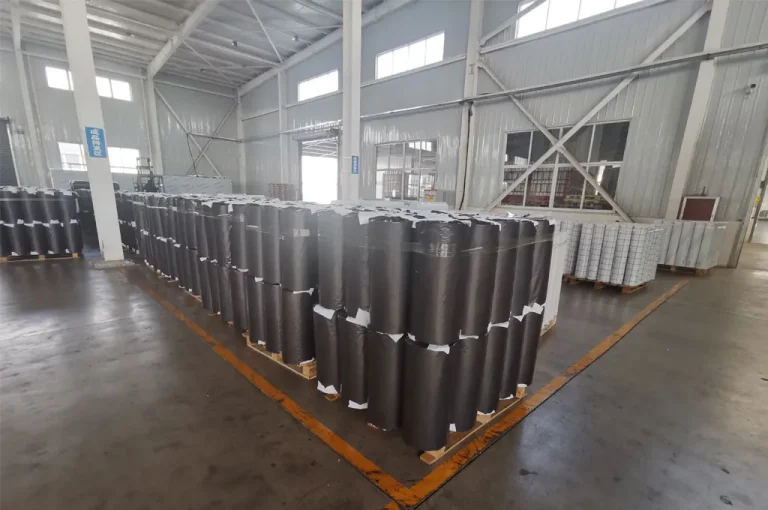
If you need stable quality, custom patterns, reliable lead times, or export-ready packaging, buying directly from a manufacturer can reduce risk—especially for high-volume cabinet lines, hotel fit-outs, or multi-site retail rollouts.
If you’re evaluating base film structures, start with
Calendered Film
to understand the foundation used across many decorative and industrial film applications.
In Saudi Arabia, materials may face heat during transport, storage, and installation. For areas near windows or bright atriums, consider finishes designed to maintain appearance under intense light and to reduce visible fingerprints and micro-scratches.
Homes often host guests, and commercial spaces may have frequent cleaning schedules. Matte, embossed, or easy-clean surfaces can help keep interiors looking fresh with simple wipe-down routines.
Not all films are intended for the same process. Some are best for vacuum membrane pressing, others for flat lamination, and others for self-adhesive renovation. Confirm the substrate (MDF, plywood, PVC board, metal panel) and equipment before finalizing.
For large projects, request samples and confirm gloss level, emboss depth, and color under your site lighting. Batch-to-batch consistency is critical for phased villa projects or retail chains where later expansion must match earlier installations.
For interior decoration, especially where people spend long hours indoors, material safety and odor control matter. When selecting a supplier, confirm whether films comply with relevant quality and environmental expectations, and whether they can provide test reports upon request.
Look for: stable thickness, consistent printing, strong adhesion performance (when laminated), and clear packaging labels for traceability.
If your application is sensitive: ask about heavy-metal-free, phthalate-free materials and the availability of compliance documentation (e.g., ISO management systems, REACH/RoHS/FDA where applicable).
To get an accurate quote for Saudi Arabia projects, prepare these details:
If you need product exploration first, you can browse the broader catalog via
Product
or reach out directly through
Contact.
Yes. Choose an easy-clean surface and confirm it’s intended for cabinet lamination or your specific installation method. For cooking-adjacent zones, consider anti-oil options to simplify maintenance.
It depends on the substrate, the lamination process, and the wear level. Higher-traffic, high-touch surfaces often benefit from more robust structures. Ask for samples and confirm performance with your equipment.
Many manufacturers offer OEM/ODM services, including custom color matching, printing, roll sizes, and labeled packaging for consistent project delivery.
Lock in an approved sample, request batch control, and plan procurement so the same batch covers major visible areas. For phased projects, confirm repeatability before reordering.
Often yes, but MOQ depends on film type and customization level. Provide your target specifications and quantity to confirm sampling and trial order options.