Address
304 North Cardinal St.
Dorchester Center, MA 02124
Work Hours
Monday to Friday: 7AM - 7PM
Weekend: 10AM - 5PM
Address
304 North Cardinal St.
Dorchester Center, MA 02124
Work Hours
Monday to Friday: 7AM - 7PM
Weekend: 10AM - 5PM


In Thailand, PVC decorative film has become a practical way to refresh interiors and products without heavy renovation costs. From Bangkok condos and Phuket villas to shopfronts, hotels, and furniture workshops in Chiang Mai, decorative films are widely used to mimic wood, marble, metal, fabric textures, and modern solid colors—while adding everyday durability against humidity, stains, and frequent cleaning.
This guide explains the top uses, key benefits, and how to choose and buy PVC decorative film locally (or source reliably for projects across Thailand). It also includes Thailand-specific considerations such as tropical weather, high foot traffic in commercial areas, and common design preferences in Thai homes and hospitality spaces.
Key takeaway:
In Thailand’s climate, choosing the right film type (surface finish, thickness, adhesive, and printing stability) often matters more than the pattern itself—especially for kitchens, bathrooms, and hotel/public spaces.
PVC decorative film is a thin, flexible sheet made from polyvinyl chloride and designed to deliver both visual texture and surface protection. It can be printed, embossed, matte/gloss finished, or laminated. In Thailand, it’s popular because it matches local needs: quick renovations for rental properties, hospitality upgrades during low season, and cost-efficient furniture production for domestic and export markets.
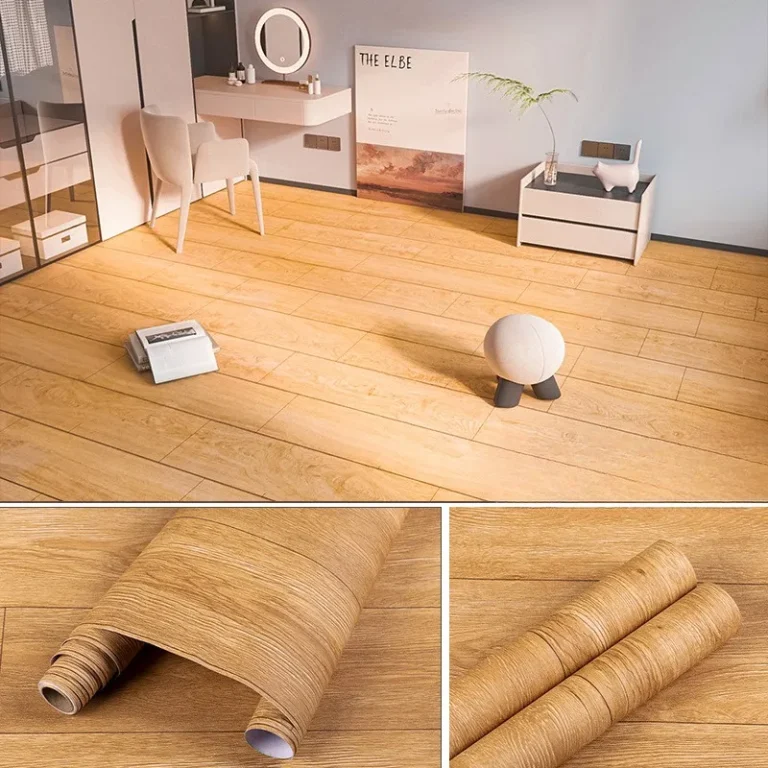
✔ Typical finishes: wood grain, marble/stone, metal/brushed, fabric/silk texture, solid color, glossy, matte, soft-touch, embossed 3D, and self-adhesive films.
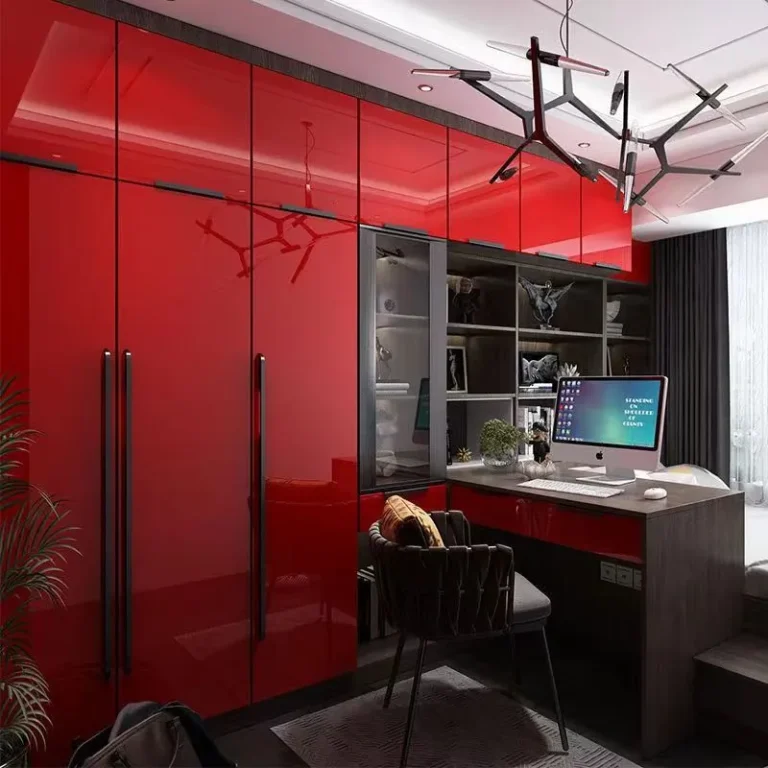
Thai homes often combine modern minimal surfaces with warm, natural tones. That’s why wood grain and soft matte films are common on wardrobes, TV walls, shoe cabinets, and built-in storage. For furniture makers, film-wrapped boards can deliver a consistent look at scale while staying easier to maintain than natural veneer.
If you’re matching popular apartment aesthetics in Bangkok—light oak, walnut, or “Japandi” neutral palettes—start with a stable base film and a clear protective layer to reduce scratch marks from daily use.
For reference product types, see Wood Grain Film.
Decorative film is often used to refresh wall panels, reception counters, elevator lobbies, and corridor accents—especially in hotels and serviced apartments where downtime must be minimal. In tourist cities like Phuket, Pattaya, and Krabi, fast renovation between bookings is a big reason films are preferred over dusty construction work.
💡 Thailand hospitality tip:
Choose finishes that look premium under warm lighting—matte stone, soft-touch neutrals, or subtle textile textures. Avoid overly reflective gloss in narrow corridors where lighting creates harsh glare.
For minimalist color palettes, explore Solid Color Wallpaper-style options that work well for feature walls and uniform backgrounds.
Thai kitchens can be demanding: high-heat cooking, spices, and frequent wipe-downs. PVC films used on cabinet doors, backsplashes (on suitable substrates), and countertops (where appropriate) help resist staining and make cleaning easier—especially in rental units and small condos where the kitchen is compact.
For heavy-use cooking zones, consider specialized options like Kitchen Anti-oil Film to reduce cleaning time and keep surfaces looking fresh.
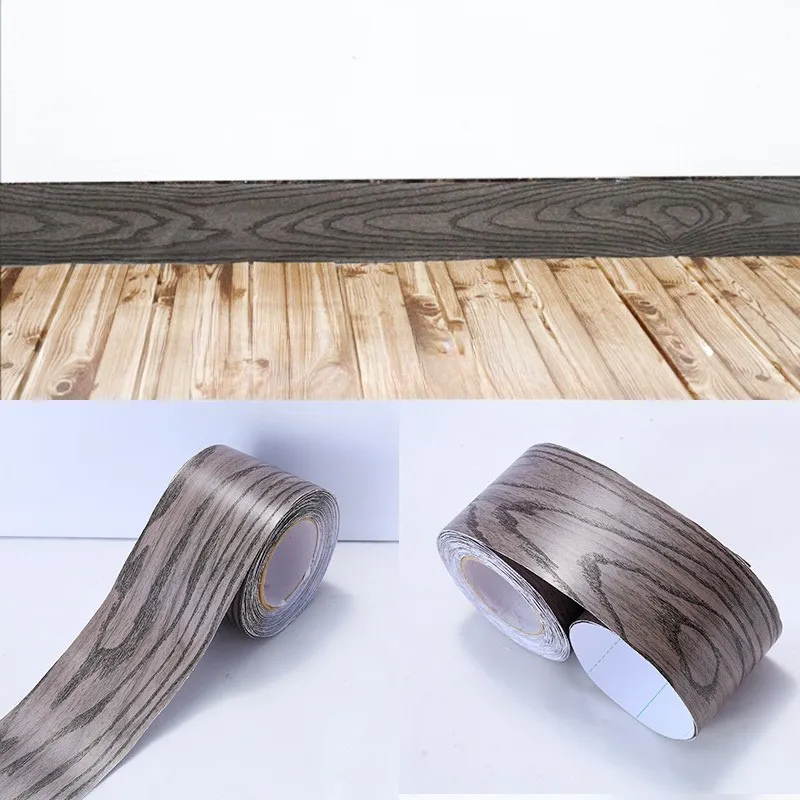
Skirting and trims take constant hits from mops, shoes, luggage wheels, and moving furniture—especially in offices and hotels. Films can upgrade the look of skirting boards and protect them from scuffs and moisture exposure during cleaning.
For trim-focused projects, see PVC Skirting Film.
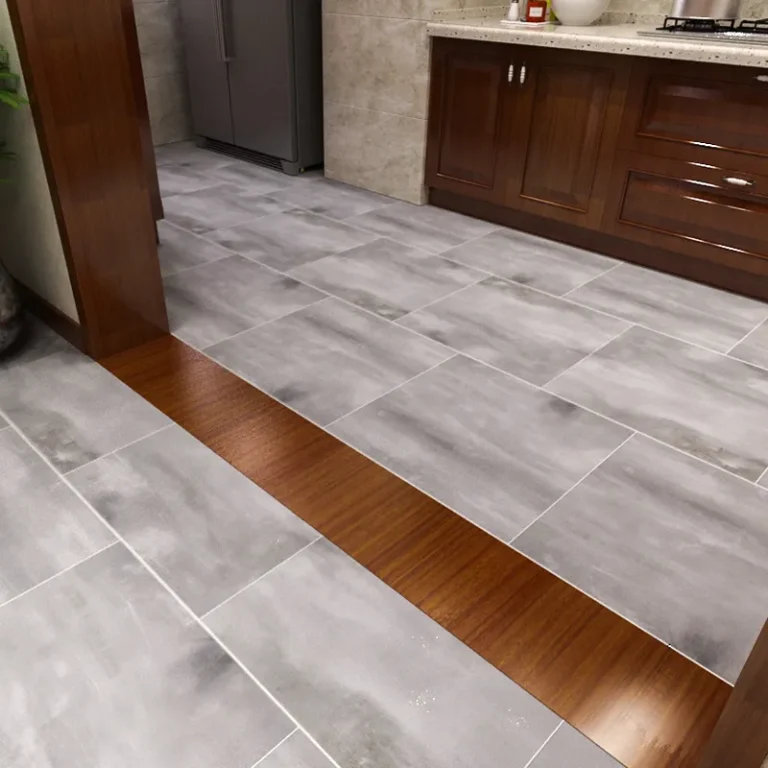
While many Thai projects still prefer tile, there is strong demand for fast and affordable floor refresh solutions—especially for pop-up retail, rentals, and quick hospitality upgrades. Film-based products can support temporary updates or protection layers depending on the product structure and installation method.
If your focus is floor surface decoration or protective solutions, review Floor Film options and match them to your substrate, traffic level, and cleaning routine.
Matte finishes are popular in Thailand for modern condos and cafes because they look calm under warm lighting and hide fingerprints. Glossy finishes can make small rooms feel larger but may show scratches more easily. Embossed/3D textures add realism for wood and fabric looks and can improve tactile feel for premium furniture.
Many performance issues (wrinkling, shrinkage, uneven lamination) trace back to base film stability. A reliable calendered film foundation is often preferred for consistent thickness and process control—especially for large surface coverage and batch production.
If you want to understand this category better, see Calendered Film.
In Thailand, installation conditions vary—from air-conditioned malls to humid coastal properties. For that reason, you should confirm whether the film is designed for self-adhesive application or for lamination/press wrapping in a workshop. Adhesive quality matters for long-term edge stability, especially on corners, cabinet doors, and areas exposed to heat (like near cooking equipment).
⚠ Common mistake:
choosing a beautiful pattern without checking substrate compatibility. Always confirm the board type (MDF, plywood, particle board, metal panel, etc.), surface preparation, and whether primers are needed.
For furniture doors and wall panels, a balanced thickness with a protective top layer is usually enough. For commercial counters, skirting, and high-contact zones, prioritize scratch resistance and cleanability. For flooring-related use, confirm the film’s intended structure and wear performance before purchase—Thailand’s sand and dust can increase abrasion in entrances and beachfront areas.
Contractors managing multiple condo units or hotel rooms often need consistent color matching across shipments. Ask for batch control, traceability, and a clear sampling process. For Thai interior trends, neutral woods, warm greige, and subtle stone patterns remain strong because they fit both modern and traditional decor, including spaces with Buddha shelves, natural textiles, and warm ambient lighting.
For small renovations and DIY updates, buyers often start with local building material markets and home improvement stores where they can touch samples and confirm color under local lighting. This works well for single-room refreshes, cabinet face-lifts, or small commercial counters where exact batch continuity is less critical.
In Thailand, many decorative film purchases happen through contractor supply networks and furniture production clusters. If you are fitting out multiple units (condos, hotels, serviced apartments), buying through a workshop/installer can reduce risk because they typically know which film types behave well under Thai humidity and cleaning routines.
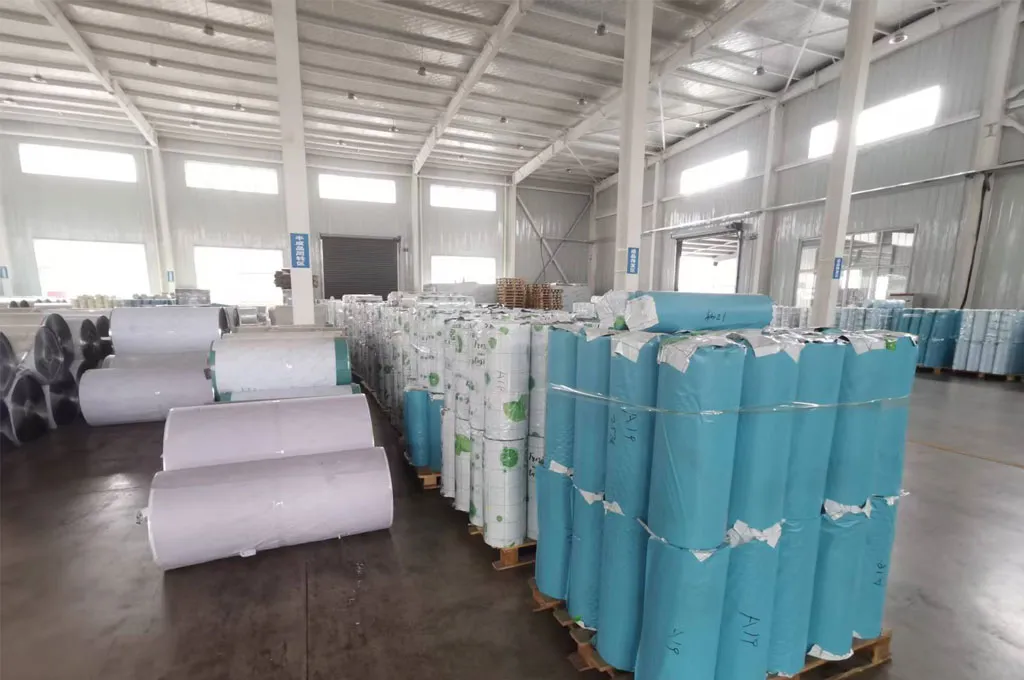
For wholesalers, importers, brand owners, and large projects, factory-direct sourcing offers better control over specifications, packaging, lead times, and consistency. Pulivk Film focuses on R&D and manufacturing across calendering, printing, and slitting/packaging—supporting decorative PVC films such as wood grain, stone/marble, solid color, metal, embossed, 3D texture, and self-adhesive options. OEM/ODM customization can cover thickness, width, roll size, color/pattern, surface finish, and packaging, which is especially useful for Thai distributors serving varied customer tastes.
Whether you’re applying self-adhesive film or using lamination, the substrate should be clean, dry, and stable. In coastal or rainy-season conditions, allow extra time to ensure panels are fully dry. Oils, dust, and moisture are common causes of lifting edges and bubbles.
Areas near stoves, ovens, sun-facing windows, and equipment rooms experience higher temperatures. Choose films known for stable performance and confirm temperature tolerance. For kitchens in particular, prioritize stain resistance and easy wipe-down surfaces.
Thai households and commercial spaces often use frequent wet cleaning. Select films that handle regular wiping without losing color or gloss level. Ask your supplier about recommended cleaning agents; harsh solvents can damage some surfaces.
✅ Practical care rule:
Use mild cleaners and soft cloths for daily maintenance; avoid abrasive pads on glossy and embossed textures to preserve finish and pattern clarity.
Light oak and warm walnut tones pair well with Thai design elements like natural rattan, linen curtains, and warm lighting. They also feel welcoming in cafes and wellness spaces, which are common business formats across Thailand.
Marble-look films are widely used in reception counters, feature walls, and modern bathrooms (on appropriate substrates) to create a luxury impression while keeping renovation lighter and faster than stone installation.
Solid color films make it easier to match brand guidelines for retail chains, clinics, and offices. Neutral palettes also help small rooms feel cleaner and more spacious—an advantage in compact condo layouts.
Yes, when you choose a stable base film and the correct adhesive/installation method for your substrate. Proper surface preparation and moisture control during installation are critical in humid regions.
Yes, but select oil-resistant and easy-clean surfaces, and avoid placing standard films too close to direct heat sources. For heavy-use zones, consider purpose-built kitchen films.
Confirm thickness, finish, batch consistency, installation method, cleaning resistance, and whether the supplier can support repeat orders with consistent color and texture.
Many manufacturers provide OEM/ODM options such as custom thickness, width, roll size, printing, surface finish, and packaging—useful for distributors serving different regional tastes within Thailand.
Ensure the substrate is clean and dry, use the correct adhesive/lamination settings, avoid installation during extreme humidity, and allow sufficient curing time before heavy cleaning or heat exposure.