Address
304 North Cardinal St.
Dorchester Center, MA 02124
Work Hours
Monday to Friday: 7AM - 7PM
Weekend: 10AM - 5PM
Address
304 North Cardinal St.
Dorchester Center, MA 02124
Work Hours
Monday to Friday: 7AM - 7PM
Weekend: 10AM - 5PM


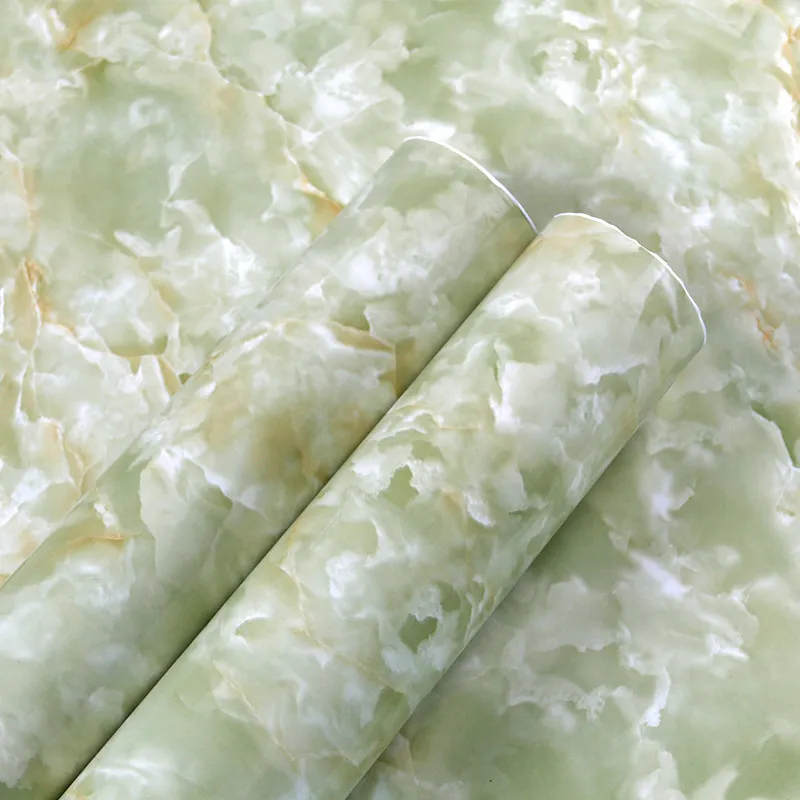
PVC decorative laminate film has become an indispensable material in modern interior design and manufacturing. This versatile, cost-effective solution offers a durable and aesthetically pleasing surface finish for a wide range of applications. From revitalizing old furniture to creating stunning feature walls, PVC film provides designers, manufacturers, and DIY enthusiasts with unparalleled creative freedom.
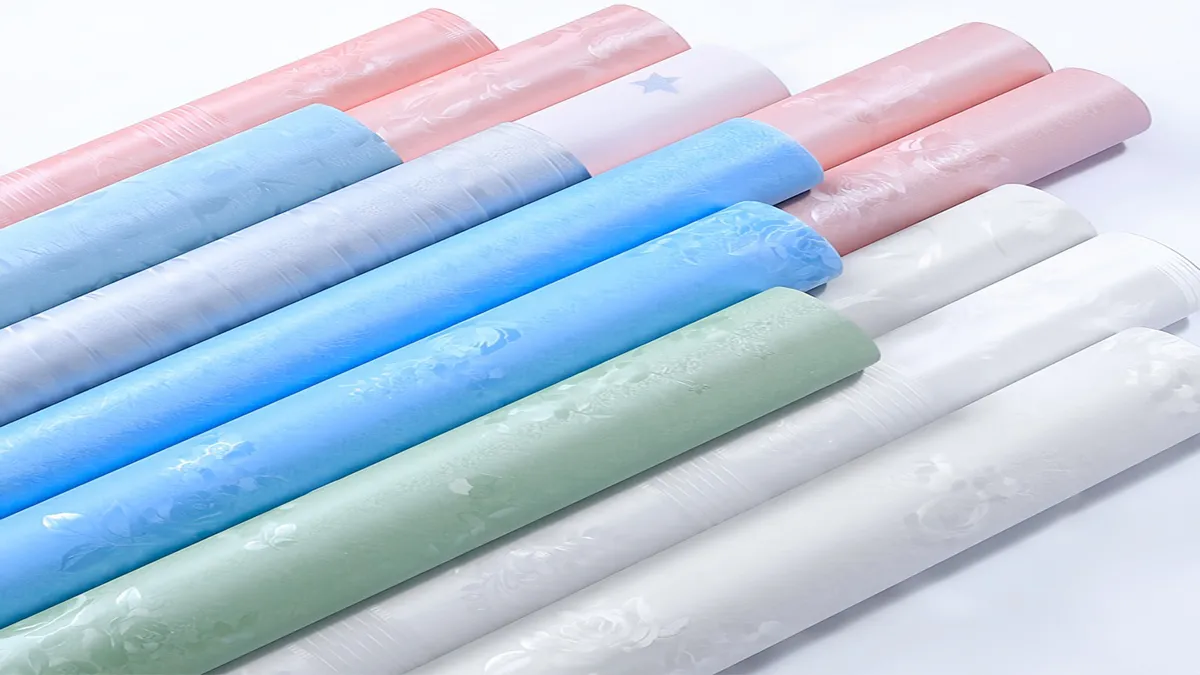
At its core, PVC (Polyvinyl Chloride) decorative film is a thin, flexible sheet coated with adhesive or designed for thermal lamination. It is manufactured through a precise calendering process that ensures uniform thickness and consistency. The surface can be printed with an almost infinite variety of patterns, textures, and colors, mimicking materials like wood, stone, metal, or fabric with remarkable realism.
Key Characteristic: Unlike traditional veneers or laminates, PVC film is remarkably thin and flexible. This allows it to conform to curved surfaces, intricate profiles, and tight corners that would be challenging for rigid materials, opening up new possibilities in design.
The market offers a diverse array of PVC films, each tailored for specific looks and functions. Understanding these types is crucial for selecting the right product for your project.
Beyond aesthetics, films are engineered for performance:
The versatility of PVC decorative film is demonstrated by its widespread use across numerous sectors.
This is the largest application area. Films are laminated onto particleboard, MDF, or plywood to create kitchen cabinets, wardrobes, office furniture, and shelving. It allows for rapid style changes and is more scratch-resistant than painted finishes. Refurbishing old furniture with self-adhesive film is a hugely popular, eco-friendly trend.
Architects and interior designers use PVC film for wall cladding, elevator interiors, column wraps, and retail displays. It’s a lightweight alternative to tiles or solid panels for feature walls. Specific products like PVC skirting film or solid color wallpaper are designed for these vertical applications.
Door panels, dashboards, and trim pieces in vehicles often use durable, UV-stable PVC films for a consistent color and texture that withstands temperature fluctuations and wear.
Refrigerators, washing machines, and consumer electronics frequently feature PVC film wraps on their housings, offering brand-specific colors and textures at a lower cost than molded colored plastic.
Selecting the appropriate PVC film involves considering several technical and practical factors.
Is it for a vertical surface (wall, cabinet door) or a horizontal one (tabletop, floor)? What is the base material (wood, metal, glass, existing laminate)? The answer determines the required adhesive strength, flexibility, and wear layer thickness. For high-traffic areas like kitchen flooring, a thicker, more durable film is essential.
⚠️ Critical Questions: Will the film be exposed to moisture (bathrooms, kitchens), UV light (windows), heat (near stoves), or chemicals? For kitchens, consider specialized anti-oil films. For bathrooms, ensure it’s 100% waterproof.
Choose a pattern that scales correctly for your project size. A large wood grain on a small drawer front may look unnatural. Texture affects both feel and light reflection—a matte, textured film is better at hiding seams and scratches.
Partner with a supplier like Pulivk Film, which controls the full production process—from calendering and printing to slitting. This ensures consistent quality, color matching, and the ability to handle custom OEM orders. They offer a vast portfolio, from decorative films to functional solutions like bathroom floor stickers, ensuring you get a product fit for purpose.
High-quality PVC film, when properly applied to a suitable substrate, is extremely durable. It is resistant to scratches, stains, and moisture. Indoors, it can last 10-15 years or more without significant fading or wear, depending on the traffic and environmental conditions.
Self-adhesive films are designed for DIY application on smooth, flat surfaces. Success depends on careful surface preparation (cleaning, degreasing) and patient, bubble-free application using a squeegee. For large, complex, or curved surfaces, or for thermal lamination, professional installation is highly recommended to ensure a flawless, long-lasting result.
Reputable manufacturers like Pulivk Film produce films that are phthalate-free, lead-free, and compliant with international safety standards (REACH, RoHS). They use eco-solvent or water-based inks. While PVC as a material has environmental debates, its long lifespan, low maintenance, and ability to refurbish existing items (reducing waste) contribute to its sustainable profile in interior applications.
Maintenance is simple. Use a soft cloth dampened with a mild soap solution or a dedicated vinyl cleaner. Avoid abrasive pads, harsh chemicals (like acetone or bleach), and steam cleaners, as these can damage the surface finish or cause edges to lift.
Standard interior PVC films are not suitable for full outdoor exposure as UV radiation will cause fading and embrittlement. However, specific grades of PVC film are manufactured with UV inhibitors and enhanced weather resistance for sheltered outdoor use (e.g., covered patios, signage). Always check the manufacturer’s specifications for outdoor suitability.