Address
304 North Cardinal St.
Dorchester Center, MA 02124
Work Hours
Monday to Friday: 7AM - 7PM
Weekend: 10AM - 5PM
Address
304 North Cardinal St.
Dorchester Center, MA 02124
Work Hours
Monday to Friday: 7AM - 7PM
Weekend: 10AM - 5PM


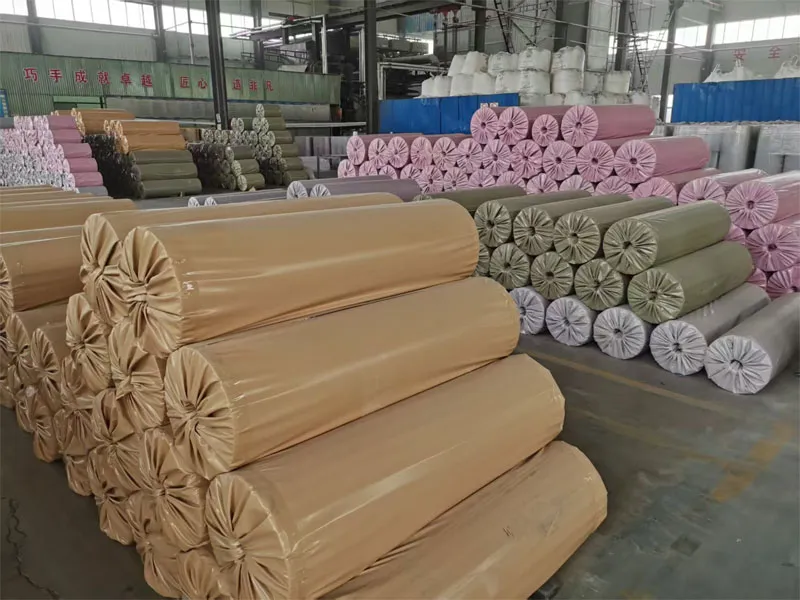
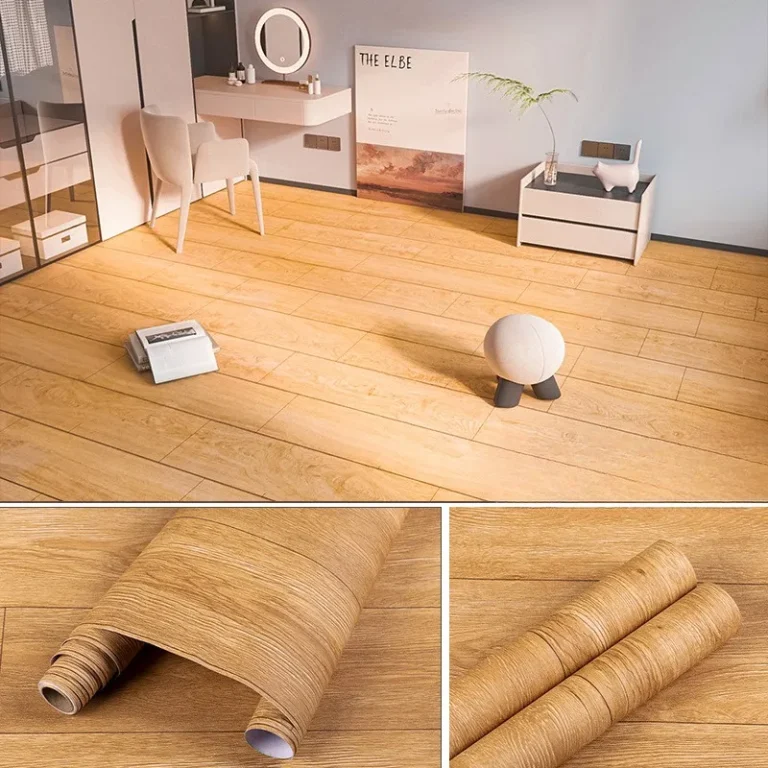
Understanding PVC duct film temperature resistance helps designers, installers, and facility managers choose the right film for HVAC ducts, cable protection, and industrial coverings. This guide explains how heat affects PVC duct film performance and durability, what to watch for in different climates, and practical steps to extend service life.
Thermal softening, plasticizer migration, and adhesive failure are the primary ways heat degrades PVC duct film. As temperature rises the film’s flexibility and dimensional stability change: mild warmth may only relax the material, but sustained high temperatures can cause shrinkage, surface tackiness, discoloration, and loss of mechanical strength. In HVAC and construction settings, this leads to gaps, blistering, and premature replacement.
Softening temperature: PVC duct films, especially plasticized grades, begin to soften around 50–60°C under load. Prolonged exposure above this range accelerates plasticizer bleed and dimensional changes. Color stability: UV plus heat intensifies yellowing and loss of printed patterns. Adhesion: Laminates and pressure-sensitive adhesives used with films may fail or flow at elevated temperatures.
Use the table below to quickly assess likely film behavior at a given temperature and recommended actions for installers and specifiers.
| Temperature (°C) | Typical effect on PVC duct film | Recommended action |
|---|---|---|
| -10 to 25 | Dimensionally stable; good flexibility at low temperatures. | Standard installation; store rolls protected from frost for best performance. |
| 25 to 50 | Normal service range; some softening in thin films at upper end. | OK for most indoor duct applications; avoid direct radiant heat sources. |
| 50 to 60 | Onset of plasticizer migration and slight shrinkage; adhesives may weaken. | Monitor exposure time; select higher-heat-grade film or add ventilation. |
| 60 to 80 | Visible deformation, tackiness, possible delamination, and accelerated aging. | Avoid use unless film is formulated for high-temp service; consider metal or silicone-based alternatives. |
| >80 | Severe degradation, melting, adhesive breakdown, and potential off-gassing. | Not recommended. Replace with heat-resistant materials; ensure safety protocols for possible vapors. |
Choose the right film formulation: thicker calendered films and those with heat-stable plasticizers or additives resist softening longer. Where adhesion matters, select adhesives rated for the maximum expected surface temperature. For duct surfaces near heating elements or sunlight-exposed rooftop ducts, use high-temperature film or protective lids.
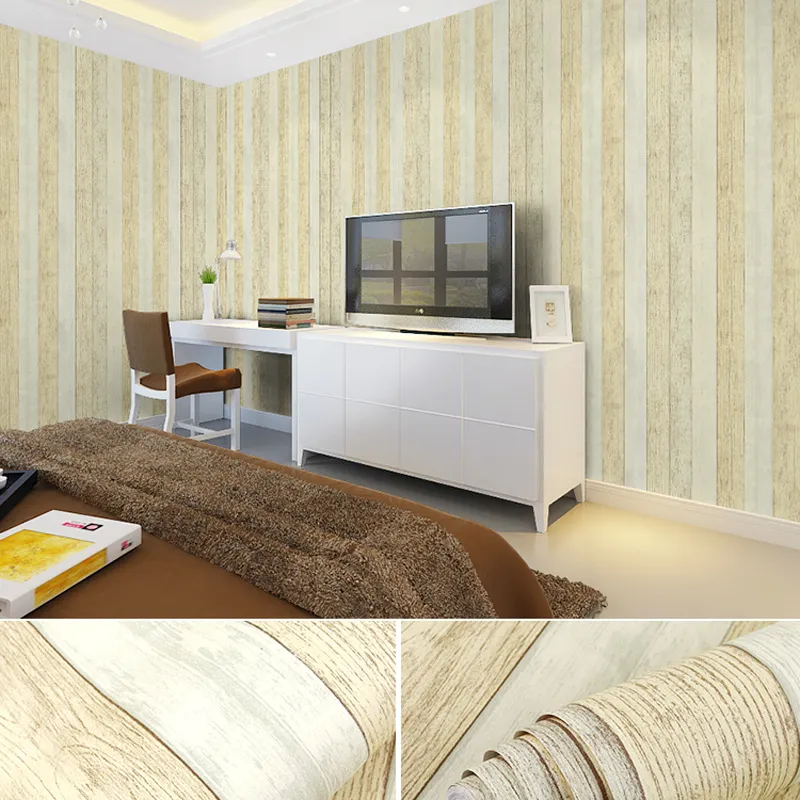
Store film rolls in cool, shaded areas and allow them to acclimate before application. Avoid stretching film near warm ducts and apply under recommended temperature ranges to prevent immediate creep or adhesive failure. For long-term installations, schedule regular inspections for shrinkage and edge lifting.
When PVC is exposed to very high temperatures it can release plasticizer odors or volatile compounds. Ensure jobsite ventilation during thermal exposure and consult safety data for specific film grades. For enclosed mechanical rooms in warm climates, consider passive cooling or heat shields to protect film-laminated surfaces.
Work with a manufacturer who can provide material data and test reports for thermal aging and adhesive performance. Pulivk offers traceable production lines and can supply technical guidance for selection and OEM customization.
Bottom line: Match film type to the maximum expected temperature and exposure duration. Proper selection, storage, and installation extend service life and maintain appearance under heat stress.