Address
304 North Cardinal St.
Dorchester Center, MA 02124
Work Hours
Monday to Friday: 7AM - 7PM
Weekend: 10AM - 5PM
Address
304 North Cardinal St.
Dorchester Center, MA 02124
Work Hours
Monday to Friday: 7AM - 7PM
Weekend: 10AM - 5PM


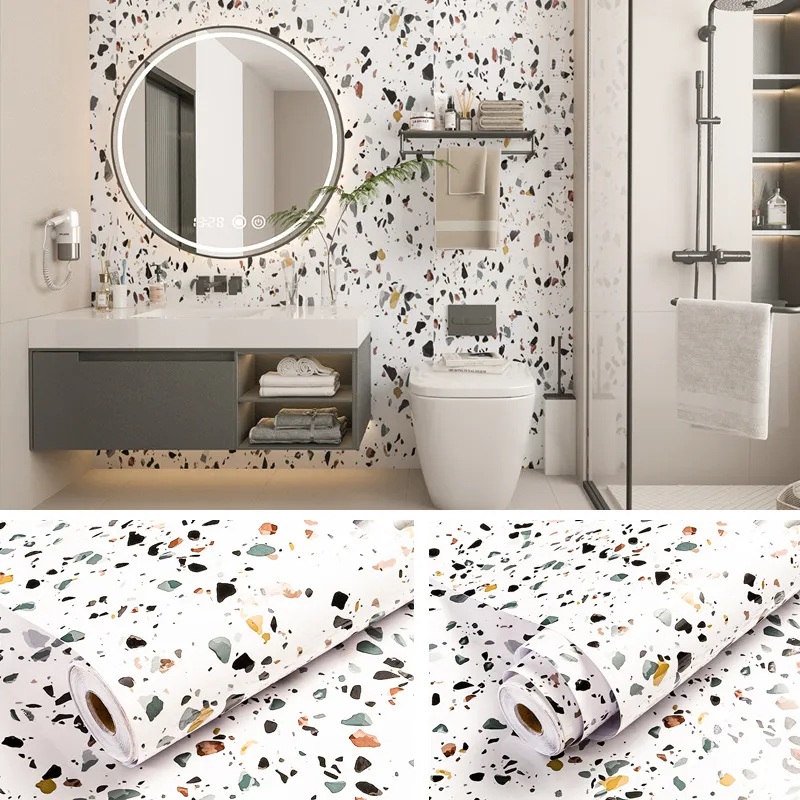
PVC film is everywhere—from cabinet doors and wall panels to flooring overlays and protective layers for electronics. But even the best film can fail if the bonding system is wrong. A “PVC film adhesive” is not one single product; it’s a decision based on substrate, temperature, plasticizers, surface energy, production speed, and the end-use environment.
This guide explains the best adhesive types for PVC film, where each one performs best, and how to choose a reliable bonding solution for furniture, building decoration, advertising, medical, and industrial applications—especially when using calendered and decorative PVC films.
PVC (polyvinyl chloride) films can contain plasticizers, stabilizers, pigments, and functional coatings (anti-static, matte, soft-touch, etc.). These components affect adhesion. In many decorative applications, the film is thin and flexible, so the adhesive must hold strongly without telegraphing defects, bubbling, or edge lift.
Key bonding challenges for PVC film:
● Plasticizer migration can soften certain adhesives over time.
● Low surface energy coatings (some matte/anti-fingerprint layers) can reduce wet-out.
● Heat and humidity accelerate failure if the adhesive is not formulated for the environment.
● High-speed lamination needs fast green strength plus long-term cohesion.
Solvent-based PU is a classic choice for demanding PVC film lamination, especially when long-term heat resistance and strong adhesion to wood-based panels are needed.
Best for: furniture wrapping, membrane pressing, high-stress decorative lamination.
Strengths: excellent bond strength, good heat/water resistance, reliable on many substrates.
Watch-outs: VOC handling, solvent safety requirements, drying/flash-off control.
Water-based systems support low-odor, low-VOC production and are common for interior decorative work. They can perform very well when paired with appropriate film and process settings.
★ Selection tip: If your PVC film has functional coatings (matte/soft-touch/anti-fingerprint), request wetting tests and confirm the adhesive’s compatibility with that surface treatment.
Best for: interior wall panels, cabinetry, decorative boards, applications prioritizing safer production.
Strengths: lower VOC, easier compliance, cleaner working environment.
Watch-outs: drying sensitivity (humidity and airflow), sometimes lower heat resistance than solvent PU unless engineered.
Hot melt adhesives enable fast production because they set quickly as they cool (or react, in PUR hot melt). In profile wrapping and edge banding, hot melt can deliver a clean look with high throughput.
EVA hot melt: cost-effective, fast; but moderate heat resistance.
PO hot melt: better heat aging, often improved creep resistance.
PUR hot melt: reactive curing for high heat and moisture resistance, strong long-term durability.
PSA is used when the film is designed to stick with pressure rather than curing chemistry. This is common in signage, DIY renovation films, labels, temporary protection, and repositionable decorative sheets.
Best for: self-adhesive decorative films, advertising graphics, protective overlays.
Strengths: easy application, no mixing, fast installation.
Watch-outs: surface cleanliness is critical; some substrates need primer for long-term hold.
Contact adhesives can deliver strong initial grab for manual lamination. They are used in workshops, repairs, and some low-to-medium duty bonding tasks.
⚑ Practical note: Contact adhesives can be sensitive to heat creep. If the product will face warm climates, sun exposure, or hot kitchen conditions, consider PU or PUR hot melt instead.
PVC film is not “one surface.” Glossy films, matte films, embossed textures, and soft-touch coatings can behave differently in lamination. Start your selection by confirming film category, thickness, surface treatment, and whether the film is calendered or laminated in multi-layer structures.
For MDF, particleboard, plywood, and composite boards, PU (solvent or water-based) and PUR hot melt are common choices. If you’re wrapping profiles or 3D shapes, choose an adhesive that maintains strength at bends and edges while resisting plasticizer migration.
If you are working with premium textures, consider decorative options such as
3D Silk Texture Film
that may require compatibility testing to ensure the adhesive wets the textured surface evenly.
Wall and skirting applications need stable bonding across seasonal humidity swings and daily cleaning. For skirting profiles, the lamination process often prefers hot melt or PU systems that provide strong edge hold.
For product reference, see
PVC skirting film.
Recommended focus for building interiors:
● Resistance to cleaning chemicals and moisture
● Long-term adhesion at corners/edges
● Minimal odor and emissions for occupied spaces
Flooring is harsh: foot traffic, temperature changes, plasticizer interaction, and ongoing cleaning. Adhesives here must resist creep and maintain cohesive strength. PUR hot melt and high-performance PU systems are frequently selected for demanding environments.
If you’re evaluating decorative or protective layers for flooring systems, explore
Floor Film
options and confirm the lamination adhesive is validated for abrasion and heat aging targets.
Functional PVC films (anti-static, insulating, protective) often require adhesives with stable dielectric performance and controlled outgassing. In addition to adhesion, you may need certification alignment (RoHS/REACH) and consistency across batches.
Adhesion depends as much on the substrate as on the film. MDF dust, oily metals, silicone contamination, or release agents can cause sudden failures.
✔ Quick substrate readiness check:
● Is the surface clean, dry, and dust-free?
● Is sanding/priming needed to stabilize porosity?
● Are you bonding to PVC, PET, metal, glass, wood, or composite board?
● Are there coatings (UV paint, melamine, lacquer) that reduce adhesion?
“Indoor use” can still be aggressive. Kitchens, bathrooms, and sunlit spaces accelerate aging. If the product might ship internationally, consider container heat and storage time before installation.
Questions to answer: maximum operating temperature, exposure to moisture/steam, cleaning chemicals, UV exposure, and expected lifetime (temporary decoration vs. long-term furniture component).
Adhesives behave differently depending on whether you are doing flat lamination (large panels), profile wrapping (moldings/frames), or 3D membrane pressing. Production speed, open time, and heat activation window must match the equipment.
Process match examples:
● Profile wrapping: hot melt (EVA/PO/PUR) is common for speed and clean edges.
● Vacuum membrane press: PU systems are widely used for uniform bonding on complex shapes.
● Self-adhesive films: PSA with proper surface preparation and squeegee pressure.
Some PVC films—especially flexible grades—contain plasticizers that can migrate into the adhesive over time. The result can be softening, edge lift, or reduced shear strength. Request migration/aging tests (heat aging, humidity aging) for the specific film grade you use.
A reliable selection process is test-driven. Combine immediate checks (peel strength, bubble inspection) with accelerated aging (heat, humidity, chemical wipe).
Recommended evaluation set:
● 24h / 72h peel test (room temp + elevated temp)
● Heat aging (e.g., 60–80°C) for creep/edge lift monitoring
● Humidity aging (high RH) for whitening, bubbling, or delamination
● Cleaning chemical wipe test for kitchens/bathrooms
Often caused by trapped solvent/water, too short flash-off time, uneven coating weight, or high substrate moisture. Improve airflow and drying, control coating thickness, and confirm substrate moisture content.
Common triggers are low adhesive heat resistance, insufficient wrap tension/pressure, or plasticizer migration. Use higher cohesion systems (PU/PUR), optimize forming temperature, and add primers when needed.
This points to compatibility issues with plasticizers or cleaners. Validate with aging tests and select adhesives designed for plasticized PVC.
Some coatings resist wetting. Solutions include adhesive changes, corona/plasma treatment (where suitable), or switching to a film surface engineered for lamination.
Even a top adhesive can fail with uncontrolled production. Stable lamination relies on repeatable film quality, consistent roll handling, and disciplined process control.
Operational best practices:
● Maintain consistent film tension to avoid stretch and pattern distortion
● Use dust-controlled packaging and storage to reduce contamination
● Track batches (film + adhesive) for traceability and faster troubleshooting
● Standardize surface prep and primer application when required
For decorative lamination projects, starting with a stable base film is crucial. Calendered PVC film is widely used for consistent thickness and surface quality; see
Calendered Film
for reference.
Adhesive selection becomes easier when your film supplier can provide consistent roll-to-roll quality, surface treatment options, and OEM customization (thickness, width, pattern, packaging). Full-process production—calendering, printing, and slitting/packaging—helps stabilize variables that directly affect bonding.
What to ask your supplier before finalizing adhesive:
● Film structure (single-layer vs. multi-layer) and whether it includes plasticizers
● Surface finish and any functional coating (anti-static, anti-fog, soft-touch)
● Recommended adhesive families based on prior export/industry experience
● Available compliance documentation (RoHS/REACH/FDA where relevant)
To explore more PVC film categories and end-use references, you can browse the full catalog at
Product.
For furniture-grade MDF lamination, PU adhesives (solvent-based or engineered water-based) and PUR hot melt are common best performers, especially when heat/moisture resistance and edge durability are required.
Typical causes include insufficient pressure/temperature during wrapping, adhesive with low heat creep resistance, surface contamination, or plasticizer migration. Confirm process settings, improve prep, and consider higher-cohesion PU/PUR systems.
Yes—when correctly formulated and properly dried/processed. They are often excellent for interior decorative uses, but the final choice should be validated with heat/humidity aging tests for your specific film and substrate.
Sometimes. Primers help when bonding to low-energy surfaces, coated boards, difficult plastics, or when long-term edge hold is critical. A small test panel often reveals whether primer adds measurable improvement.
Control drying/flash-off, keep substrates dry and dust-free, apply uniform coating weight, and match adhesive open time to your line speed and lamination temperature.