Address
304 North Cardinal St.
Dorchester Center, MA 02124
Work Hours
Monday to Friday: 7AM - 7PM
Weekend: 10AM - 5PM
Address
304 North Cardinal St.
Dorchester Center, MA 02124
Work Hours
Monday to Friday: 7AM - 7PM
Weekend: 10AM - 5PM


Choosing the right adhesive for PVC film determines bond strength, durability, and appearance. This guide explains common glue types, recommended uses, surface preparation, and practical tips so you can pick the best adhesive for decorative, protective, or structural PVC film projects.
PVC film has low surface energy and can be flexible or textured. Using the wrong adhesive often leads to bubbling, delamination, edge lift, or staining. Match adhesive chemistry to the film type and the substrate (wood, metal, glass, painted surfaces, or engineered boards) to ensure a long-lasting finish.
Overview: The most reliable choices for PVC film are solvent welds (PVC cement), contact/neoprene adhesives, acrylic pressure-sensitive adhesives (PSAs), and specialized hot-melt or polyurethane systems for demanding conditions.
| Adhesive Type | Pros | Cons | Best Uses |
|---|---|---|---|
| Solvent-based PVC cement | Fusion bond, excellent permanent strength | Fumes; needs ventilation; can soften thin film | Permanent joins, edge seaming, rigid PVC to PVC |
| Contact / Neoprene adhesive | Fast tack, good for large-area laminations | May yellow with UV; limited reposition time | Decorative film for cabinets, furniture wraps |
| Acrylic PSA (pressure-sensitive) | Clear, UV-stable options, flexible, easy to apply | Lower heat resistance for some formulations | Self-adhesive film, protective films, signage |
| Hot-melt (EVA/Polyurethane) | Fast set, good bond to many substrates | Requires heat equipment; not ideal for heat-sensitive film | Temporary or semi-permanent laminations in factory settings |
| Two-part epoxy / structural adhesives | Very strong structural bonds | Rigid, can crack on flexible films; risk of staining | Load-bearing joins where flexibility not required |
| Water-based adhesives | Low VOC, easy cleanup | Poor adhesion to non-porous PVC unless treated | Paper-backed films or porous substrates |
Decorative furniture film: Use an acrylic PSA or quality contact adhesive for even coverage and minimal solvent interaction. For invisible seams, choose low-show adhesives and roll firmly with a laminate roller.
Protective floor or temporary films: Choose removable acrylic PSAs designed for floor protection—these balance tack and clean removability without leaving residue.
Exterior-exposed PVC film: Select UV-stable acrylics or specialized polyurethane adhesives that resist temperature cycles and moisture. Avoid standard neoprene contact adhesives unless rated for outdoor use.
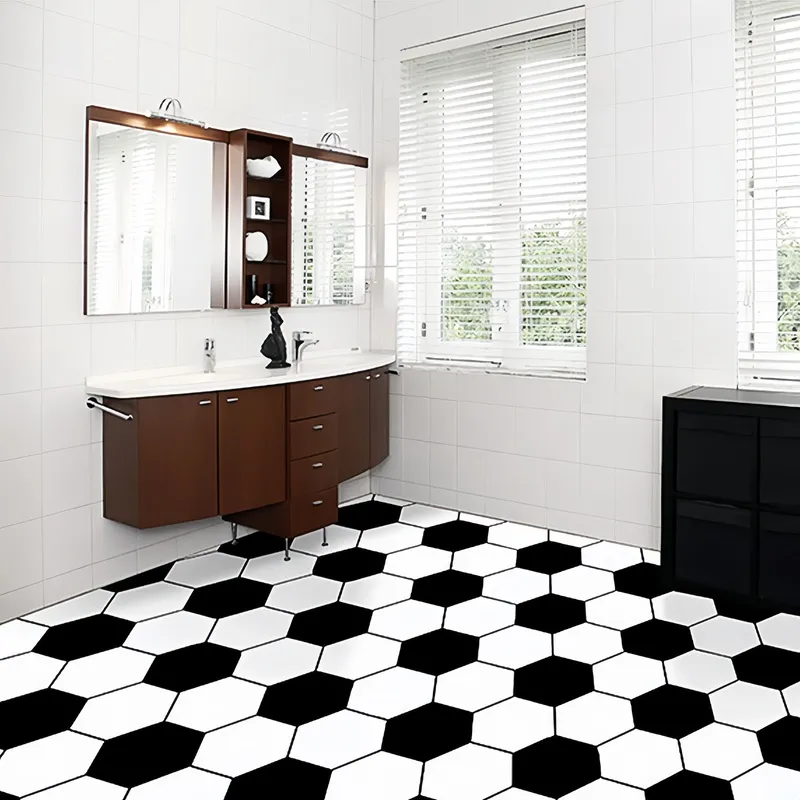
Proper prep is the difference between a short-term fix and a permanent installation. Follow these steps:
– Work temperature: Apply adhesives in the recommended temperature range (often 15–30°C / 59–86°F) for optimum flow and cure.
– Use a roller: A laminate roller or J-roller removes trapped air and increases contact area.
– Allow proper cure: Pressure-sensitive adhesives often develop full strength over 24–72 hours; solvent-based systems may require longer depending on ventilation.
– Avoid over-application: Excess solvent adhesives can wrinkle or discolor thin film.
Do not assume one adhesive fits every job. Avoid using white PVA glues, standard household superglues (cyanoacrylates) on flexible PVC, or brittle epoxies where film movement occurs. These can fail quickly or damage the film surface.
| Project | Recommended Adhesive | Why |
|---|---|---|
| Self-adhesive decorative film | Acrylic PSA (clear) | Clean look, removable options, UV stable |
| Cabinet or furniture wrap | Contact / Neoprene adhesive | High initial tack, good for large-area lamination |
| Permanent PVC-to-PVC seam | Solvent PVC cement | Creates fused bond for durability |
| Exterior or high-moisture | UV-stable acrylic or PU adhesive | Weather and moisture resistance |
Many solvent adhesives require local exhaust ventilation and PPE (gloves, goggles). Choose low-VOC acrylics where indoor air quality is a priority. For large manufacturing runs, consult adhesive manufacturers for MSDS and compatibility charts.
How long before the bond reaches full strength? Most PSAs gain usable strength immediately and full strength within 24–72 hours. Solvent cements may need several hours to a day to evaporate and reach full structural properties depending on ventilation.
Can I use double-sided tape for thin PVC film? Yes — high-bond acrylic double-sided tapes are excellent for thin films and temporary protection layers, but check temperature and aging data for long-term applications.
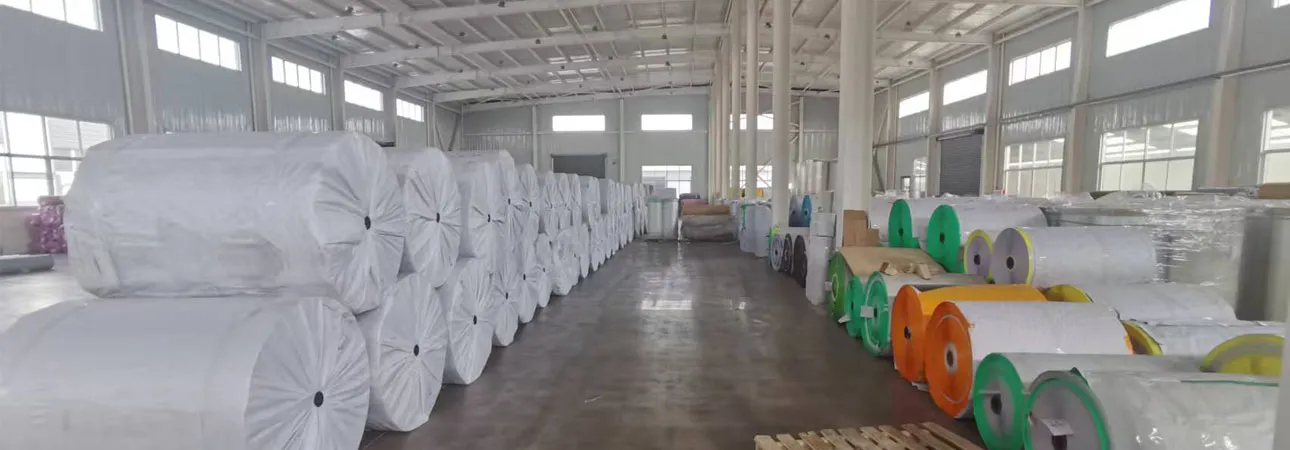
For consistent film quality and production-scale support, Pulivk manufactures a wide range of PVC films (calendered, embossed, glossy, matte, self-adhesive) and can advise on tape or adhesive compatibility for OEM runs.
If you need a quick checklist: test adhesive on a scrap, ensure proper cleaning and primer if needed, roll out for even contact, and allow recommended cure time. Following these steps will significantly increase the life and appearance of your PVC film installation.