Address
304 North Cardinal St.
Dorchester Center, MA 02124
Work Hours
Monday to Friday: 7AM - 7PM
Weekend: 10AM - 5PM
Address
304 North Cardinal St.
Dorchester Center, MA 02124
Work Hours
Monday to Friday: 7AM - 7PM
Weekend: 10AM - 5PM


Choosing a PVC film blowing machine is not only about speed or price—it’s about producing stable, high-quality film that meets your downstream requirements (printing, lamination, embossing, slitting, packaging) while keeping scrap and downtime under control. This guide breaks down the key decision points: material behavior, output targets, film structure, automation level, energy use, compliance, and how to match machine configuration to real applications such as furniture surfaces, construction decoration, protective packaging, and functional industrial films.

Key takeaway:
The “right model” is the one that can hold thickness tolerance, gloss/haze, and winding stability at your target output—with consistent quality across shifts and batches.
Before comparing models, define the film you need to sell or use. PVC can be processed into multiple film types, and each type drives different hardware choices (screw design, die style, cooling, winding, and measurement).
✔ Define these specs first:
If your application is primarily decorative or surface finishing for furniture and interior panels, you may also compare whether blowing is the best route versus calendering. For reference, explore Calendered Film as a benchmark for optical and surface uniformity requirements.
PVC is more heat-sensitive than many polyolefins. When selecting a film blowing machine, the configuration must protect melt stability and minimize degradation. Poor configuration often shows up as unstable bubble, gel formation, odor, discoloration, or inconsistent thickness.
⚠ What “PVC-friendly” machine design typically means:
If you frequently run color changes or pattern-sensitive decorative grades, quick cleaning and stable processing windows become even more important than peak output numbers.
Many buyers compare machines primarily by “kg/h.” In reality, the best machine is the one that produces saleable film at your required tolerance—especially for premium decorative and functional films. Define a realistic production goal and ask suppliers to prove stability over time.
Higher output typically increases the need for better cooling, stronger bubble stability controls, more accurate thickness measurement, and higher-grade winding. If your film must be printed or laminated, the cost of thickness variation can exceed the savings from a cheaper line.
Tip for evaluation:
Ask for a continuous run test (e.g., several hours) and request records of thickness profile, roll hardness, and scrap rate.
Selecting a wider model can future-proof your capacity, but it also demands better web handling and winding. If your business serves furniture surfaces, wall panels, and trim materials, consider the width range used by your converters and installers. For example, baseboard and edging materials often benefit from stable slitting and winding; products such as PVC skirting film highlight why roll consistency matters—uneven rolls lead to slitting defects and waste.
In blown film, the die and air system directly shape your film’s gauge uniformity, optical properties, and flatness. For PVC, bubble stability is especially important because instability quickly turns into thickness deviation and winding problems.
What to check with the supplier:
If your end-use demands high visual uniformity (e.g., solid color surfaces), thickness variation will show as shade differences after lamination or installation. That’s why decorative products like Solid color wallpaper benefit from tight process control even when the film is not extremely thin.
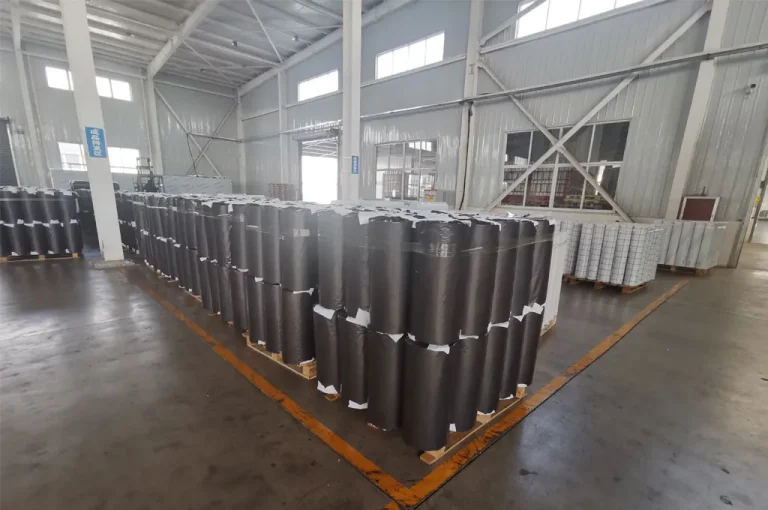
A perfectly extruded film can still become unsellable if the winder creates telescoping, wrinkles, trapped air, or inconsistent hardness. If you ship globally or store inventory, roll integrity is critical to avoid claims.
Consider whether you need center winding, surface winding, or a combination, plus automatic tension adjustments. For softer PVC films or thicker decorative grades, winding pressure and tension curves must be tuned to avoid blocking and deformation.
Roll-quality checklist:
edges aligned, no wave, stable hardness from core to outer layers, and repeatable roll length/weight labeling for batch traceability.
Slitting magnifies winding defects. If your film will be slit into narrow rolls for building trim, furniture profiles, or protective tapes, specify the winder and EPC (edge position control) requirements clearly in your RFQ.
Automation is not only for “big factories.” Even a mid-size producer can benefit from fewer operator-dependent variables, especially when producing high-value decorative or functional grades.
Recommended add-ons (select by ROI):
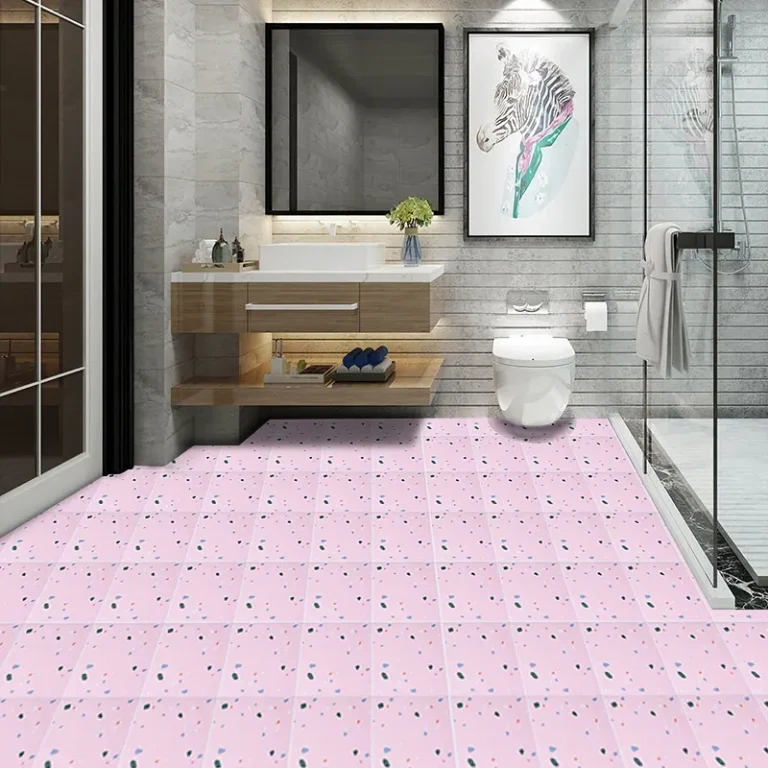
If you plan to produce floor-related films where appearance and durability are sensitive to thickness and surface stability, tighter control and documentation help you win long-term contracts. See product examples such as Floor Film to align your QC expectations with the market’s acceptance standards.
A single-layer PVC film line is often suitable for stable, general-purpose products. Multi-layer (co-extrusion) can reduce cost and add functionality—such as combining a decorative surface layer with a more economical core, or introducing a functional skin layer for anti-static or improved adhesion.
Decision rule:
If your product needs multiple surface properties (e.g., appearance + printability + anti-static), co-extrusion can be more consistent than post-coating—provided your team can manage formulation and layer stability.
When comparing models, clarify how many extruders, how layer ratios are controlled, and how quickly the system can transition between recipes without producing large scrap rolls.
Buyers increasingly require films to be suitable for indoor decoration and human contact applications. Your line should support safe processing and consistent compliance documentation. In practice, that means stable temperatures, clean processing, and the ability to document batches for audits.
Ask your supplier about:
A PVC film blowing machine is a system purchase. The long-term outcome depends on engineering support, commissioning quality, and whether the supplier understands your end product. Evaluate the partner’s ability to help you scale—not just ship equipment.
Request real production evidence: thickness reports, run logs, customer references, and videos showing stable winding at your target gauge. If possible, ask for a live online factory tour and confirm how QC is conducted from raw material to finished rolls.
Many PVC film producers operate complete workflows including printing, slitting, and packaging. If your business model also requires decorative finishing or private label supply, aligning upstream film quality with downstream converting is essential. For companies offering full-process production (from film making to slitting and packing), this helps reduce lead time, lower cost, and keep quality consistent from batch to batch.
Operational advantage:
If your supplier can support OEM/ODM requirements (spec, color matching, packaging), you reduce rework and shorten your time-to-market for new patterns and functional grades.
To avoid overbuying or under-specifying, use a structured RFQ approach. This prevents “feature comparison shopping” and focuses the conversation on performance outcomes.
RFQ essentials (copy & send):
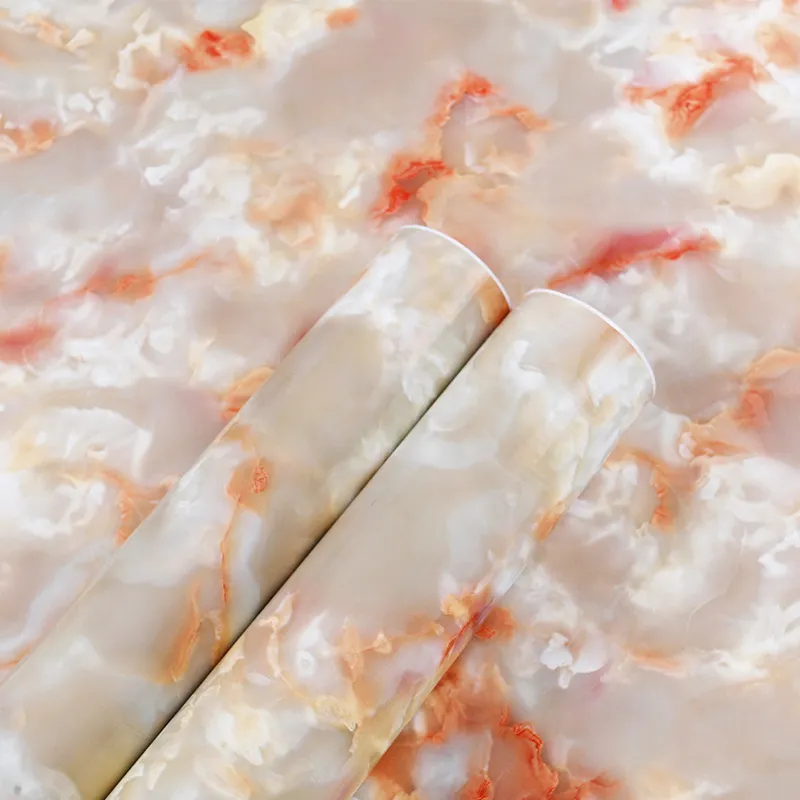
If you also plan to supply decorative surfaces (wood grain, marble, metallic, soft-touch) and want market references, you can browse product categories and knowledge resources at
https://pvcfilmtec.com/product/
and
https://pvcfilmtec.com/knowledge/.
Many projects fail not because of PVC itself, but because the selection ignores the realities of production and customer acceptance.
PVC film is used for decorative and industrial purposes such as furniture surface finishing, interior wall and panel decoration, flooring-related layers, protective packaging, and functional applications (e.g., anti-static or adhesion-enhanced films).
Choose single-layer for simpler products and easier operation. Choose multi-layer when you need combined properties (appearance + function) or want to optimize cost by adjusting layer ratios—provided you can manage formulation control and process stability.
All three matter, but many quality issues come from the die/air system (thickness uniformity) and the winder (wrinkles, telescoping, roll hardness). A balanced configuration is essential for consistent, sellable rolls.
Require a continuous run test at your target width/thickness with records for thickness profile, scrap rate, roll quality, and stable output. Also confirm training, spare parts, and after-sales response commitments.