Address
304 North Cardinal St.
Dorchester Center, MA 02124
Work Hours
Monday to Friday: 7AM - 7PM
Weekend: 10AM - 5PM
Address
304 North Cardinal St.
Dorchester Center, MA 02124
Work Hours
Monday to Friday: 7AM - 7PM
Weekend: 10AM - 5PM


 ByPulivk
Whether you are an architect, designer, engineer, or hobbyist, PVC film calque plays an essential role in precision tracing and design work. Unlike traditional paper-based tracing sheets, PVC tracing film offers superior durability, dimensional stability, and resistance to moisture, making it a top choice for both professional and creative applications. Understanding what makes a quality PVC film calque and how to select the right one can significantly improve your workflow and final results.
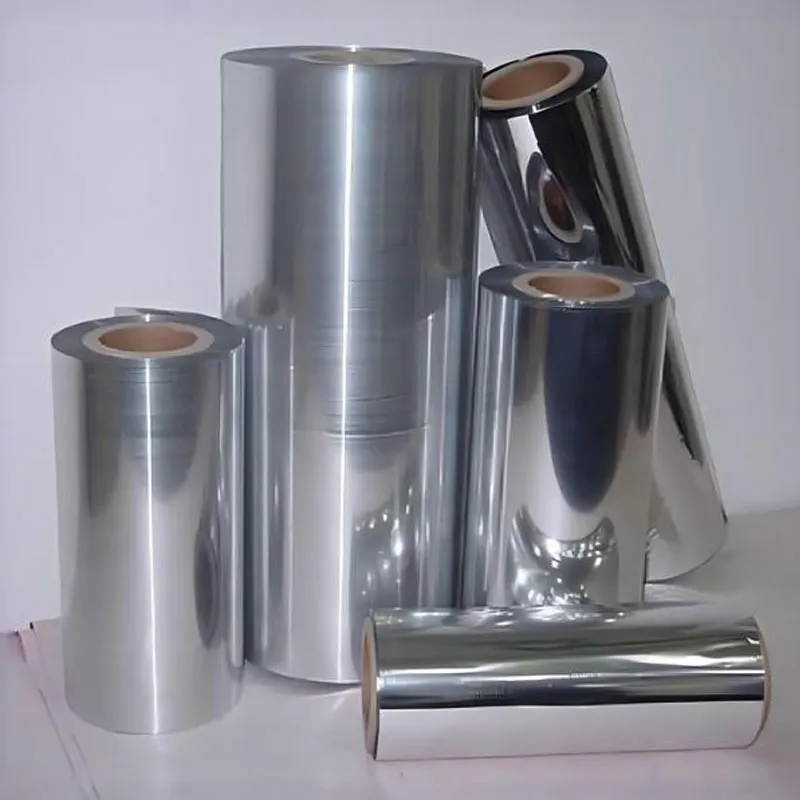
PVC film calque, also referred to as PVC tracing film or transparent calendered film, is a thin, flexible plastic sheet produced through the PVC calendered film manufacturing process. It is engineered to provide excellent clarity, smooth surface finish, and consistent thickness—all critical factors for accurate tracing and overlay work.
Unlike polyester or acetate alternatives, PVC tracing film offers a unique balance of affordability and performance. It is widely used where frequent handling, ink adhesion, and long-term storage matter. The material is available in various finishes, including matte, glossy, and frosted, depending on specific application needs.
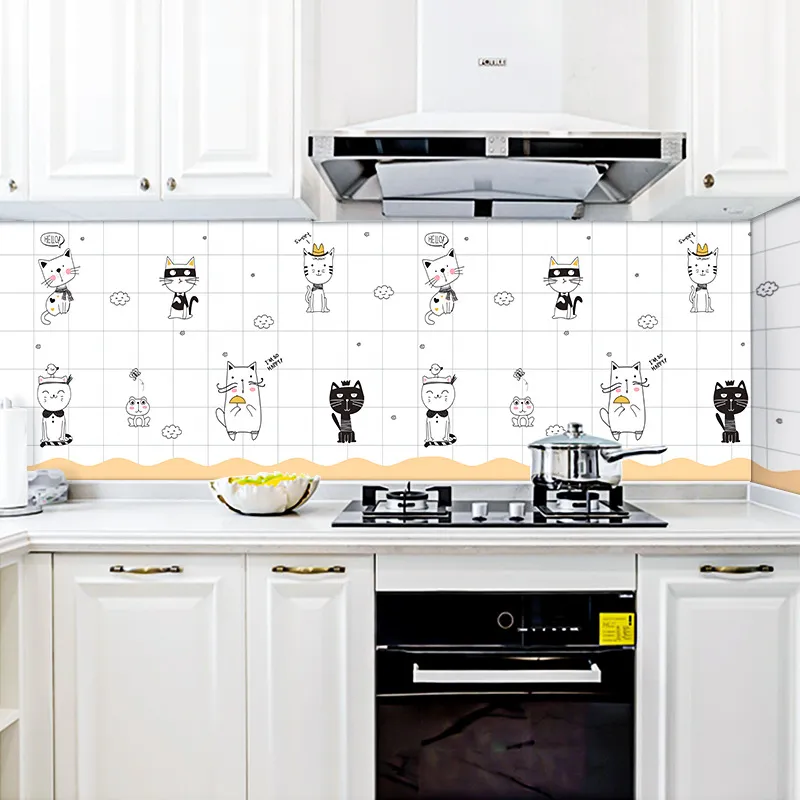
The versatility of tracing film made from PVC extends across multiple industries. Here are some of the most common applications:
Why do professionals across various fields prefer PVC film calque over other tracing materials? Here are the standout advantages:
High-quality PVC tracing film delivers crystal-clear visibility, allowing users to see underlying layers with minimal distortion. This is essential for accurate tracing, overlay comparison, and multi-layer design work. Products that meet ASTM D1003 haze testing standards ensure consistent optical performance.
One of the biggest challenges with paper-based tracing sheets is their tendency to expand or contract with humidity changes. PVC tracing film maintains its dimensions across varying environmental conditions, which is verified through ASTM D1204 dimensional stability testing. This ensures your measurements remain accurate from initial sketch to final output.
PVC calque film is inherently resistant to tearing and water damage. Unlike paper, it can withstand repeated handling, erasing, and even accidental spills without compromising structural integrity. The tear resistance properties are measurable through standardized testing protocols, giving users confidence in the material’s longevity.
The calendered surface of PVC tracing film provides an ideal substrate for both ink and pencil work. Ink adheres well without bleeding, and pencil lines can be cleanly erased without leaving ghost marks. This surface quality is particularly valued in technical drawing and illustration.
Compared to polyester-based alternatives, PVC film calque offers a more economical solution without sacrificing essential performance characteristics. For bulk users such as design studios, architectural firms, and educational institutions, the cost savings can be substantial over time.
Selecting the appropriate PVC film calque requires evaluating several key factors. The following table compares important specifications to consider:
| Selection Criterion | What to Look For | Why It Matters |
|---|---|---|
| Thickness (Gauge) | 0.03 mm to 0.50 mm depending on application | Thicker films offer more durability; thinner films provide better flexibility for detailed work |
| Surface Finish | Matte, glossy, or frosted options | Matte surfaces reduce glare and hold pencil better; glossy finishes are preferred for ink and overlay clarity |
| Transparency Level | High light transmittance with low haze | Critical for multi-layer tracing and accurate overlay alignment |
| Roll Width | Up to 1500 mm with custom cutting available | Wider rolls reduce seams for large-format projects; custom widths minimize material waste |
| Ink Compatibility | Compatible with technical pens, markers, and inkjet media | Ensures clean lines without smudging or bleeding |
| Environmental Resistance | UV-stabilized and moisture-resistant formulations | Prevents yellowing and degradation during long-term storage |
One common question is whether to choose a matte or glossy finish for your tracing film. Both have distinct advantages depending on your workflow:
Many professionals keep both types on hand, selecting the appropriate finish based on the specific project requirements.
How does PVC tracing film compare to commonly used alternatives? Understanding these differences helps you make an informed decision based on your specific needs:
| Feature | PVC Film Calque | Tracing Paper | Polyester Film |
|---|---|---|---|
| Durability | High — tear and moisture resistant | Low — tears easily, water damage risk | Very high — extremely durable |
| Cost | Moderate — budget-friendly | Low — cheapest option | High — premium pricing |
| Dimensional Stability | Good — minimal expansion/contraction | Poor — affected by humidity | Excellent — virtually no change |
| Surface Quality | Smooth, consistent calendered finish | Varies — may have texture | Very smooth — sometimes too slick |
| Weight | Lightweight and flexible | Very lightweight | Heavier and stiffer |
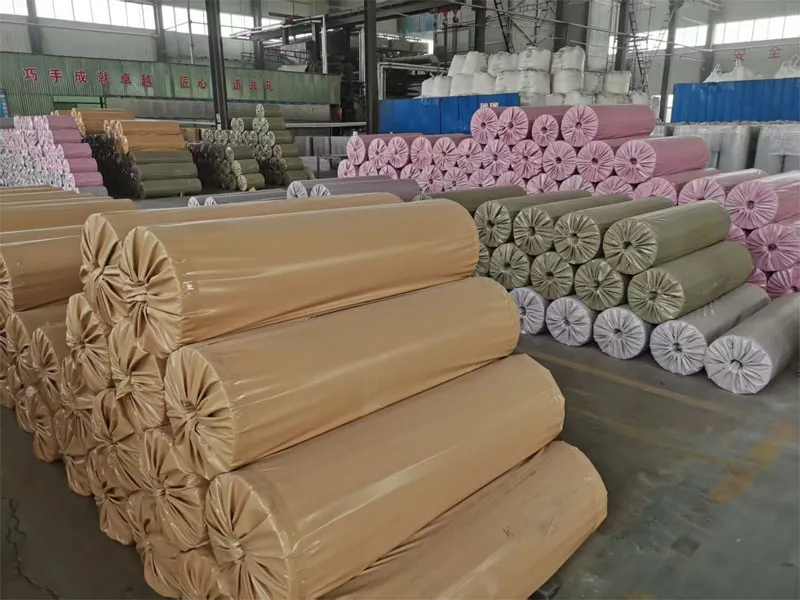
The quality of your tracing film directly impacts the precision of your work. Partnering with an experienced manufacturer ensures you receive consistent, high-quality transparent PVC film that meets industry standards. Henan Pulivk New Materials Co., Ltd. operates advanced calendering production lines with full in-house quality control, from raw material processing to finished packaging. This integrated approach guarantees stable quality and faster lead times for bulk orders.
When evaluating suppliers, look for:
Whether you need standard rolls or custom-sized sheets, working with a manufacturer that offers flexible split packaging and OEM services can significantly streamline your supply chain.
To maximize the lifespan and performance of your PVC film calque, proper storage and handling are essential:
Choosing the right PVC film calque comes down to understanding your specific application requirements—whether that means prioritizing transparency, surface finish, or thickness. By selecting a quality product from a reliable supplier and following proper handling practices, you can achieve professional-grade results across architectural, design, educational, and creative projects. For those seeking consistent quality and flexible ordering options, exploring the range of PVC film calque products available from established manufacturers is an excellent starting point.