Address
304 North Cardinal St.
Dorchester Center, MA 02124
Work Hours
Monday to Friday: 7AM - 7PM
Weekend: 10AM - 5PM
Address
304 North Cardinal St.
Dorchester Center, MA 02124
Work Hours
Monday to Friday: 7AM - 7PM
Weekend: 10AM - 5PM



 ByPulivk
PVC film casting is a highly versatile manufacturing process that transforms raw vinyl compounds into thin, continuous sheets with exceptional uniformity. This technique is fundamental to producing high-quality PVC film used across industries ranging from furniture manufacturing to medical packaging. Understanding the intricacies of the casting process, the equipment involved, and its distinct advantages can help buyers and engineers make informed material decisions.
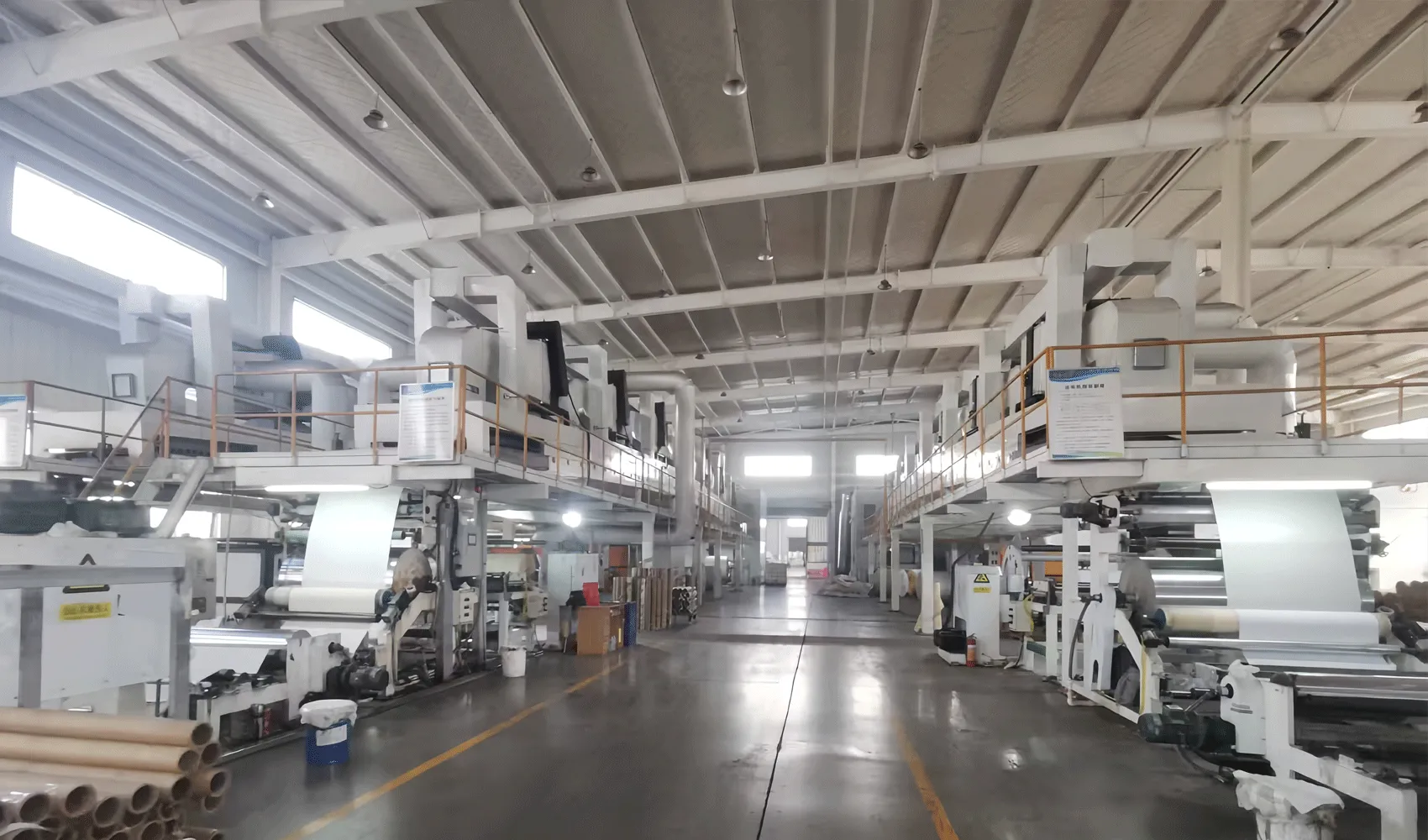
Unlike calendered PVC film production, which relies on heat and pressure through a series of rollers, casting involves dissolving PVC resin in plasticizers and solvents to form a liquid mixture called an organosol or plastisol. This liquid is then evenly distributed onto a moving carrier belt or release paper and passed through a precisely controlled oven system where heat fuses the material into a solid film. The result is a PVC film with outstanding gauge consistency and surface quality, making it ideal for PVC decorative film applications that demand flawless aesthetics.
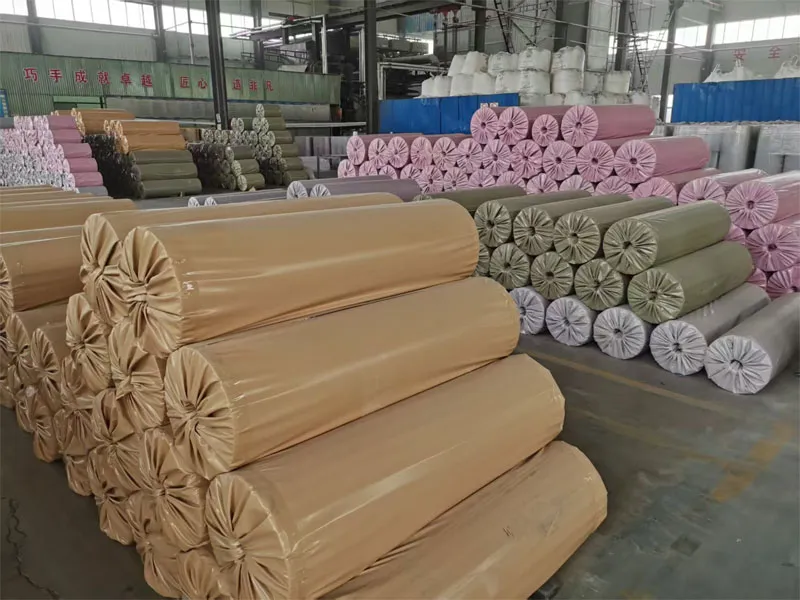
Modern PVC film casting lines are sophisticated systems integrating multiple subsystems for continuous operation. Each component plays a vital role in maintaining product quality and production efficiency. Leading PVC film manufacturers invest heavily in advanced casting equipment to ensure consistent output that meets international standards such as ISO Film Tensile Testing requirements.
Compared to calendered alternatives, cast PVC film offers several distinct advantages that make it the preferred choice for demanding applications. The absence of high-pressure mechanical working during formation preserves the material’s inherent properties and allows for unique performance attributes.
| Benefit | Description |
|---|---|
| Superior Gauge Uniformity | Cast film achieves thickness tolerances as tight as ±2%, tested per Plastic Film Thickness Testing methods, reducing material waste in precision applications. |
| Exceptional Optical Clarity | The low-stress casting environment minimizes haze and gel particles, with clarity verified through Plastic Film Haze Testing. |
| Wide Color and Texture Range | In-line pigment dispersion and embossing capabilities enable unlimited design possibilities, from high-gloss solid colors to intricate 3D textures. |
| Low Residual Stress | Without the mechanical orientation inherent in calendering, cast PVC film exhibits minimal shrinkage and excellent dimensional stability during thermal lamination processes. |
| Broad Thickness Range | Casting accommodates films from 0.03 mm to over 0.50 mm in a single production run, offering flexibility that meets diverse industry needs. |
The adaptability of cast PVC film has driven its adoption across a wide spectrum of sectors. Its combination of aesthetic versatility, durability, and processability makes it indispensable in modern manufacturing.
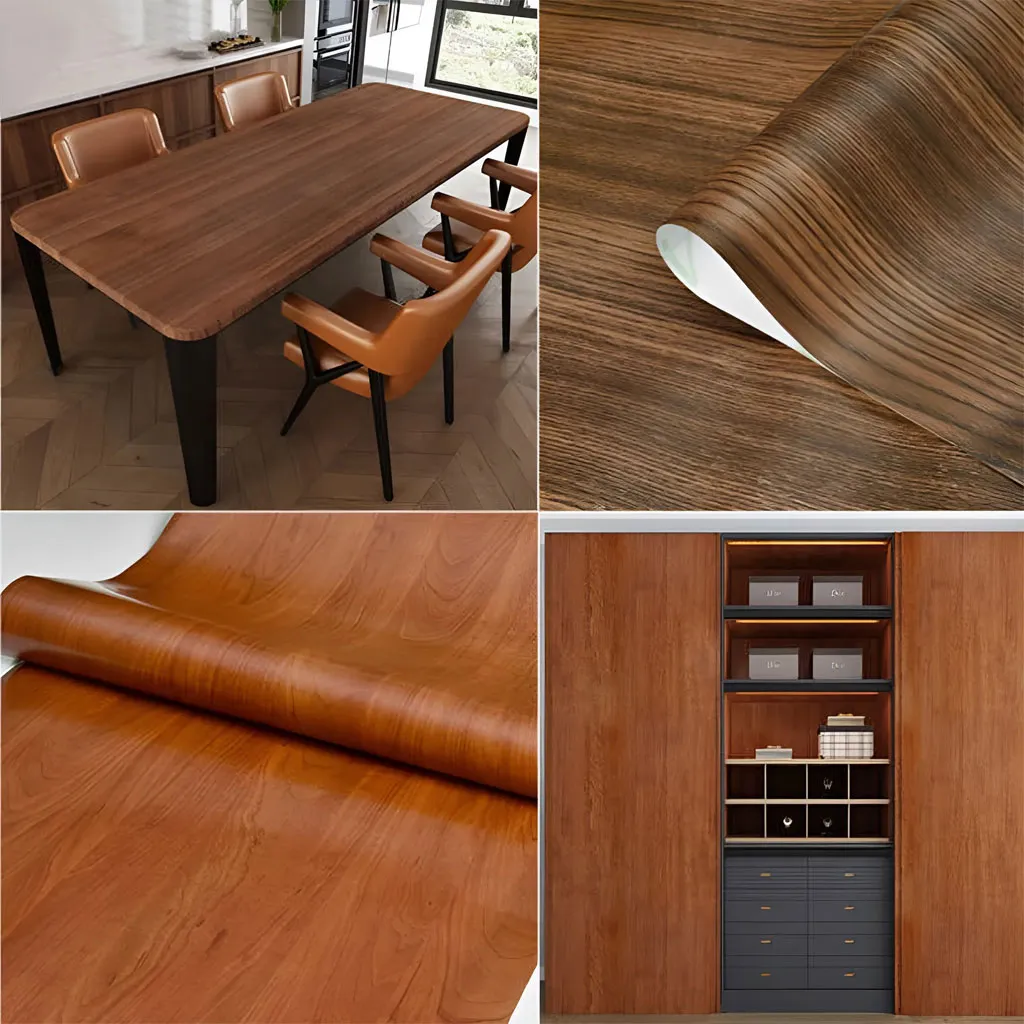

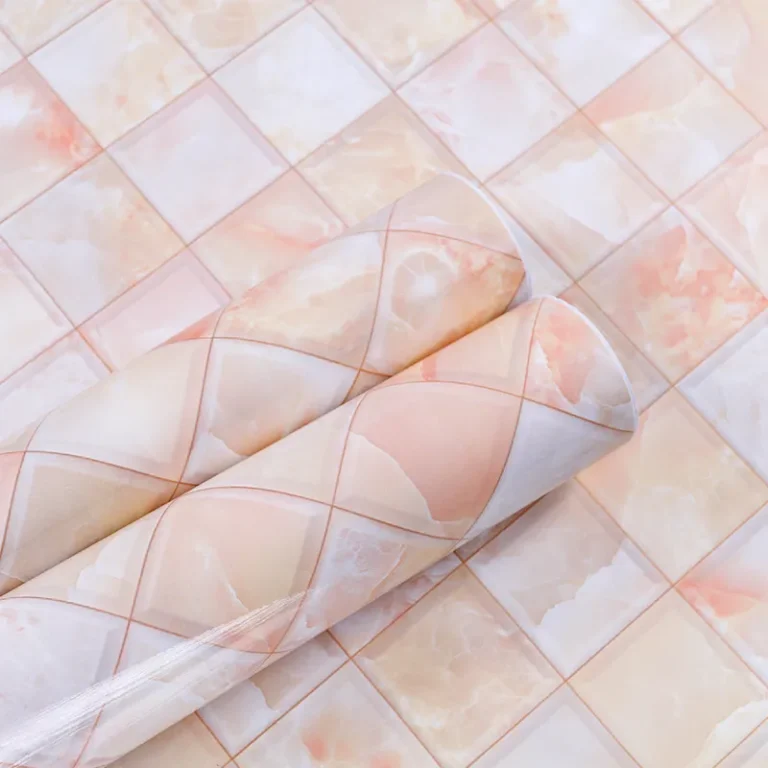
The following table highlights some representative PVC film products available for diverse applications. Each product undergoes rigorous quality testing aligned with Thermoplastic Film Testing Guide protocols to ensure consistent performance.
| Product | Preview | Typical Application |
|---|---|---|
| Marble Film | 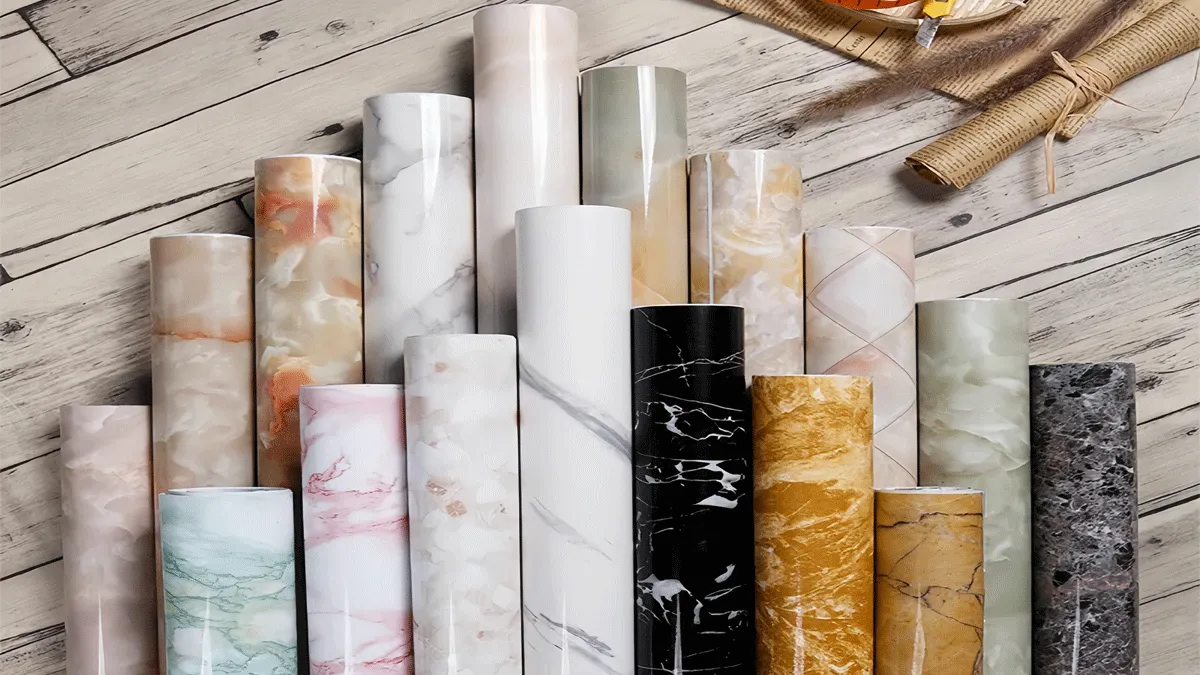 |
Wall panels, furniture surfaces, countertop wraps |
| 3D Silk Texture Film | 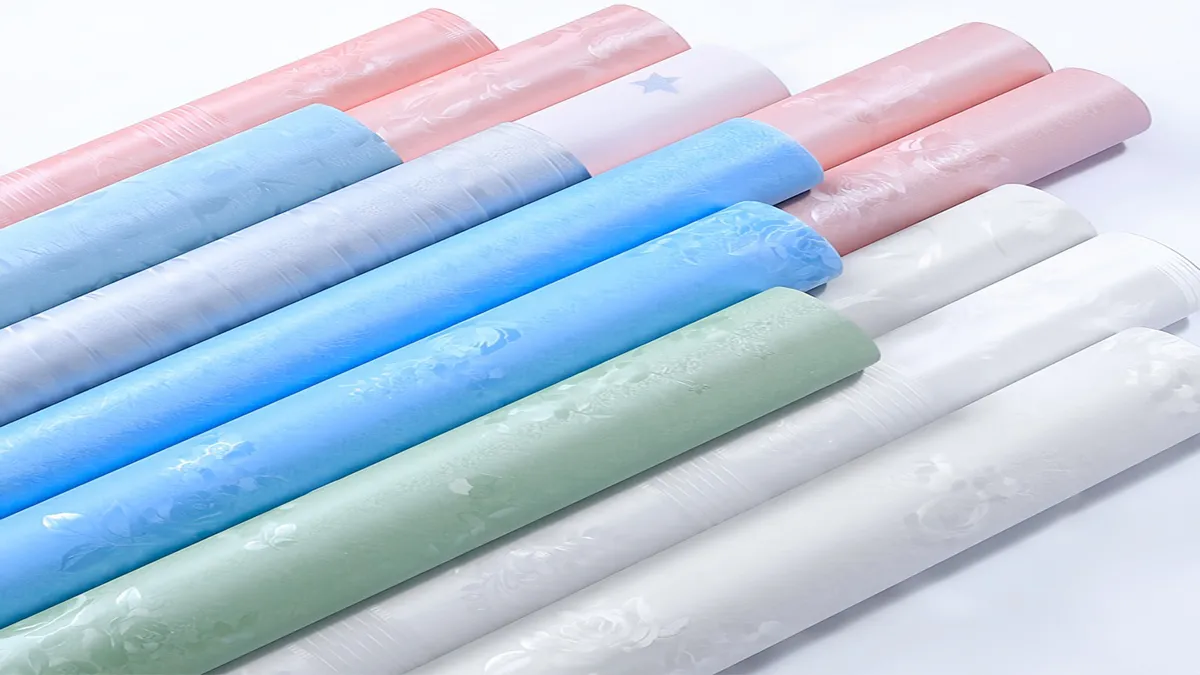 |
Premium interior decoration, wardrobe surfaces, luxury packaging |
| Glossy Wardrobe Film | 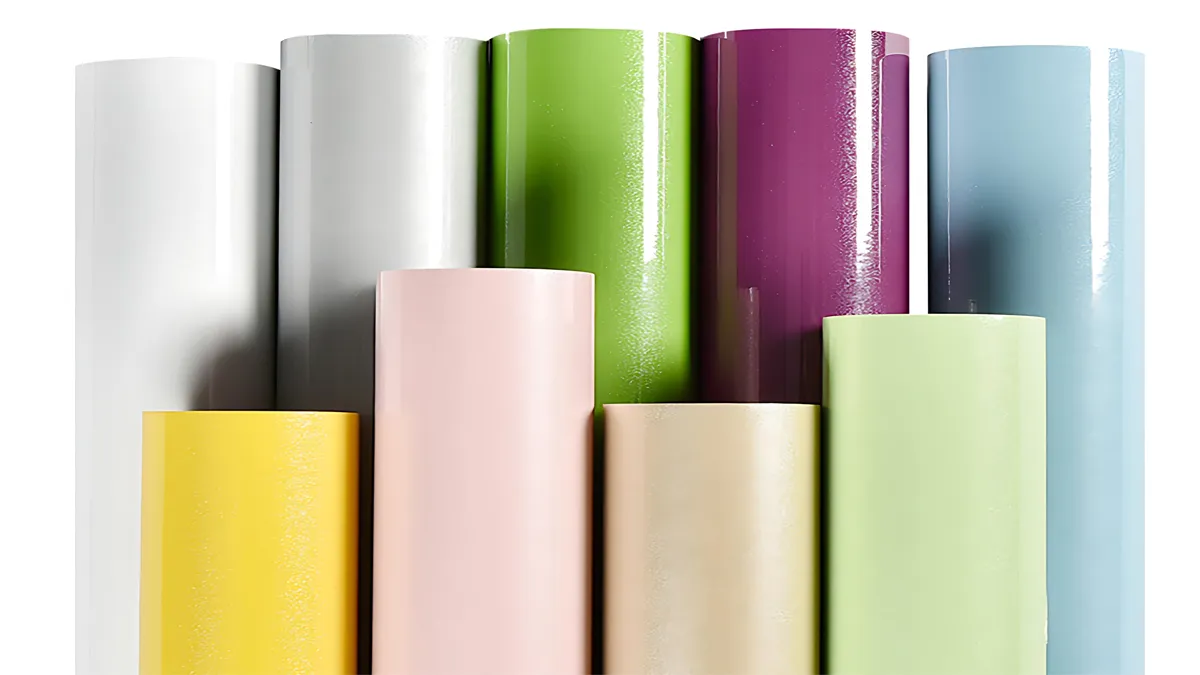 |
Wardrobe doors, cabinet fronts, modern furniture façades |
| Solid Color Wallpaper | 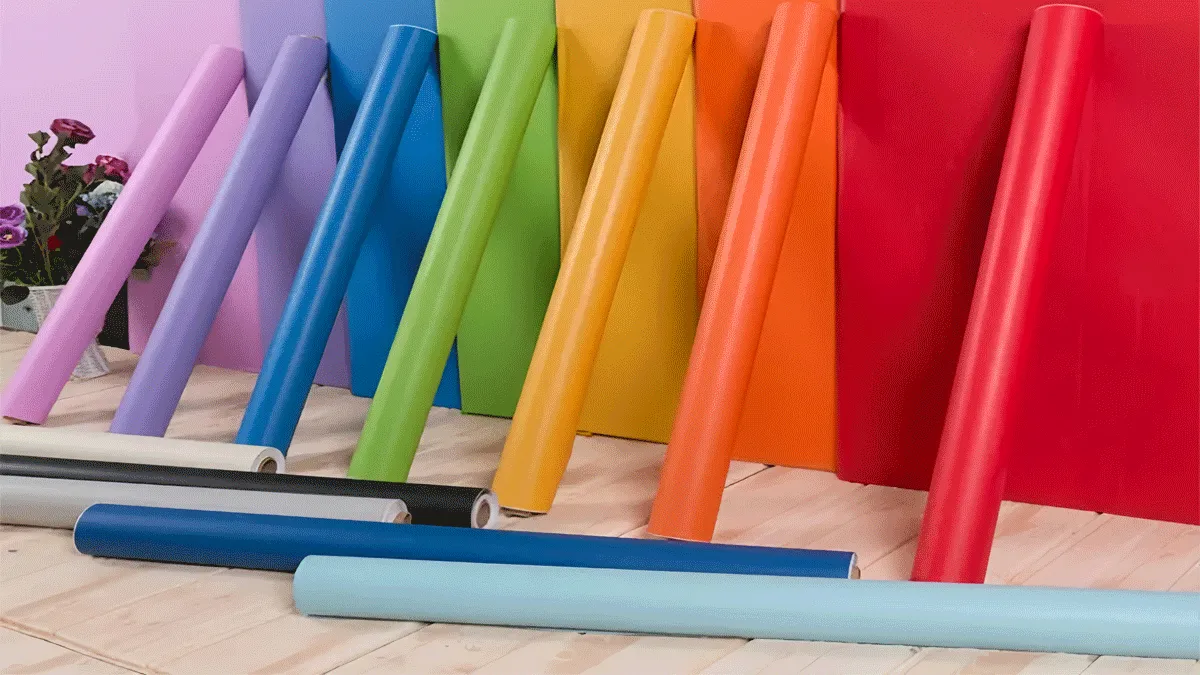 |
Interior wall decoration, commercial space design, accent walls |
Ensuring the reliability of cast PVC film requires adherence to globally recognized testing standards. Reputable manufacturers subject their films to comprehensive evaluations covering mechanical properties, optical characteristics, and environmental resistance. Key tests include Plastic Film Tensile Testing for strength and elongation, Plastic Film Tear Resistance evaluation for durability during handling, and Plastic Film Gloss Testing to verify surface finish consistency. For applications involving food contact, compliance with relevant PVC Plasticizers and Phthalates regulations is also essential.
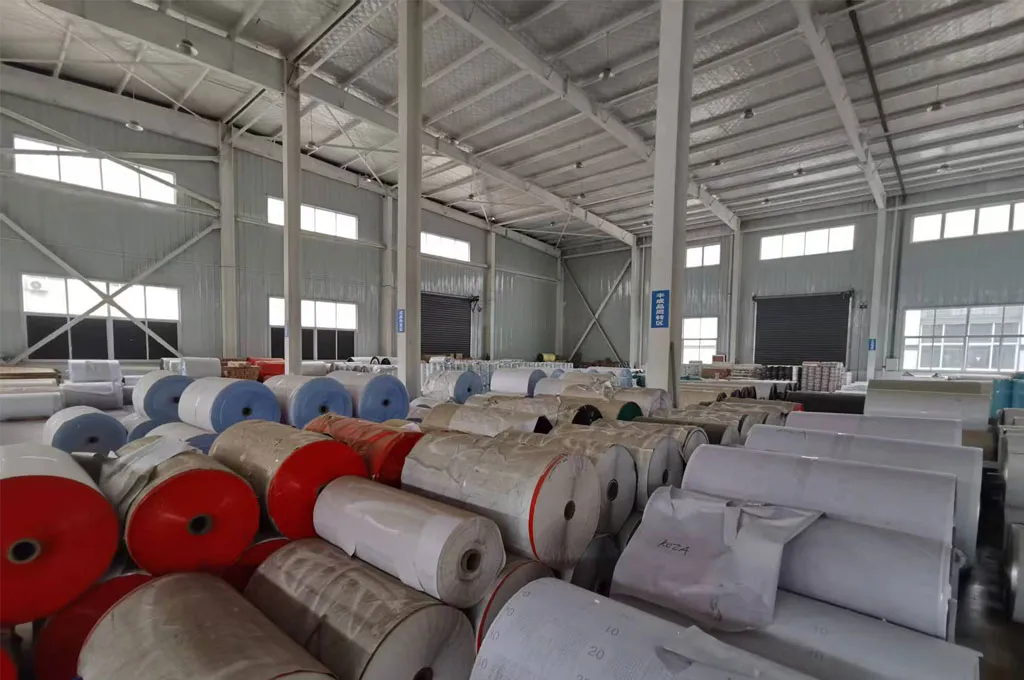
Selecting a reliable supplier is critical to project success. When evaluating PVC film sources, consider factors such as in-house production capabilities, quality certification portfolios, customization flexibility, and global logistics experience. Henan Pulivk New Materials Co., Ltd. operates integrated calendering, printing, and split-packaging lines that maintain complete quality control from raw material intake to final shipment. With years of experience supplying diverse markets—including Southeast Asia, the Middle East, and Europe—the company offers flexible OEM and customization options tailored to specific project requirements.
For more information on product specifications, sample requests, or technical consultation, explore the full product range or reach out directly to discuss your application needs.