Address
304 North Cardinal St.
Dorchester Center, MA 02124
Work Hours
Monday to Friday: 7AM - 7PM
Weekend: 10AM - 5PM
Address
304 North Cardinal St.
Dorchester Center, MA 02124
Work Hours
Monday to Friday: 7AM - 7PM
Weekend: 10AM - 5PM


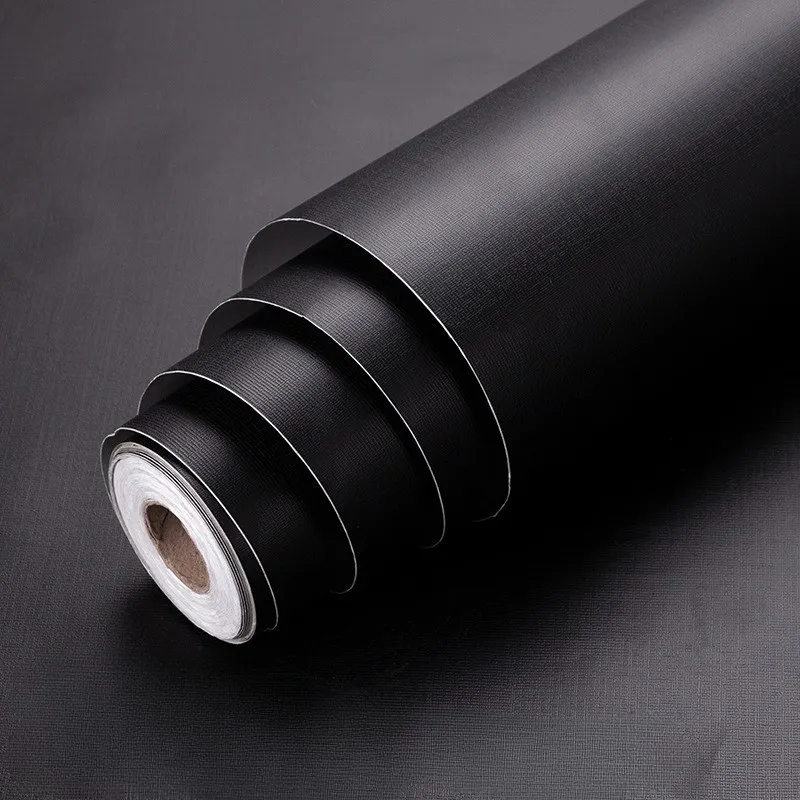
Clear PVC film is a versatile, cost-effective plastic sheet used to protect, cover, wrap, laminate, or decorate surfaces while keeping the underlying material visible. Whether you’re sourcing for furniture panels, packaging, building materials, electronics, medical supplies, or household products, choosing the right thickness, surface finish, and compliance level can dramatically improve performance and reduce total cost.
Key idea:
Clear PVC film is not “one product.” It ranges from soft flexible films for wrapping and protection to tougher calendered films for lamination and long-life surface covering—each needing different thickness and additives.
PVC (polyvinyl chloride) film is a thin sheet material engineered for clarity, flexibility, and durability. “Clear” PVC film is designed to offer high transparency or controlled translucency while maintaining strength, chemical resistance, and processability. Depending on formulation, it can be made softer (for drape and easy sealing) or more rigid (for flatness and dimensional stability).
In manufacturing, clear PVC film is often produced via calendering—pushing heated material through rollers to achieve consistent thickness, smooth surface, and stable roll quality. If you’re comparing production routes, calendered film is commonly chosen for uniform thickness, good optical performance, and scalable industrial supply.
Clear PVC film is frequently used as a protective overlay on panels, cabinet components, shelving, and decorative boards. It helps resist stains, moisture, and daily abrasion while preserving the original look (wood grain, solid color, or printed layers beneath). In premium decorative programs, manufacturers may pair clear protective layers with textured decorative films for a higher-end tactile finish.
✔ Practical tip:
If your product needs both “look” and “feel,” consider combining a clear protective layer with a texture solution like
3D silk texture film
for a refined surface that still performs in day-to-day use.
In architectural and decorative applications, clear PVC film is used for surface protection during transport and installation, for moisture barriers in certain assemblies, and as a transparent layer in multi-layer decorative systems. It can also support renovation scenarios where the goal is to protect existing finishes without changing appearance.
For adjacent decorative needs (where clear is not required but a coordinated system matters), many projects pair clear protective films with wall-covering or edge solutions such as
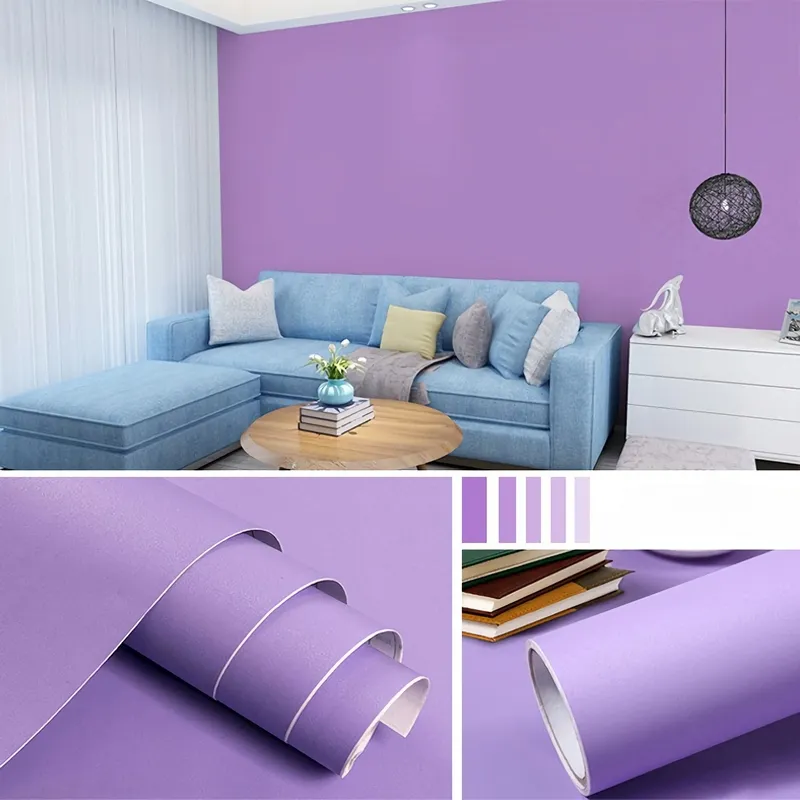
solid color wallpaper
or skirting materials like
PVC skirting film.
Clear PVC film can be used for temporary protection (anti-scratch, anti-dust) on glossy surfaces, panels, and housings; for insulation layers; or as a carrier in lamination. Where static can damage components or attract particles, anti-static treatments are commonly specified, especially for clean packaging workflows.
Clear film is applied in display protection, laminated surfaces, and transparent covers for printed graphics. It provides scuff resistance and helps keep signs or panels clean in high-touch commercial environments.
For medical packaging and cleanroom environments, film requirements are stricter: cleanliness, stable mechanical properties, and compliance documentation matter as much as clarity. Buyers often request test reports and third-party verification for safety and consistency (e.g., heavy-metal-free and controlled plasticizer content).
Clear PVC film appears in table covers, protective mats, moisture shields, DIY protection during renovation, and general-purpose wrapping. In kitchens and wet areas, users usually prioritize easy wiping, oil resistance, and stain resistance. Where foot traffic is involved, thicker grades or purpose-specific flooring films may be preferred.
Thickness (often expressed in microns/µm or millimeters/mm) directly impacts stiffness, clarity stability, tear strength, and how the film behaves during forming or lamination. The “best” thickness depends on whether the film is a temporary protector, a long-term overlay, or part of a multi-layer structure.
⚠ Thickness doesn’t solve everything:
If the film will be used on glossy panels, prioritize surface scratch resistance and clean unwind. If used in electronics packaging, prioritize anti-static performance and cleanliness.
“Clear” can mean different haze and gloss levels. Super-clear grades prioritize low haze for maximum transparency; standard clear grades may accept slightly higher haze for improved process stability or cost control. If your customer evaluates products under bright retail lighting, haze becomes more noticeable—ask for optical specs and sample validation.
Glossy surfaces often deliver stronger “wet look” clarity, while matte finishes reduce glare and fingerprint visibility. Embossing can improve tactile feel and hide minor surface imperfections. When the film is used as a protective layer on high-touch areas, matte or lightly textured surfaces can reduce smudges and micro-scratch visibility.
Procurement problems usually come from incomplete specifications. For clear PVC film, you can avoid rework and disputes by confirming performance requirements, processing method, and packaging details up front—especially for OEM programs.
📌 Provide these details to get accurate quotes:
For consistent production runs, align on incoming inspection methods and acceptance criteria. Typical checkpoints include thickness mapping, tensile strength, tear resistance, elongation, adhesion (if laminated/adhesive), and optical inspection for gels, fish-eyes, or surface marks. Batch traceability and retained samples help resolve issues quickly.
MOQ and lead time vary by customization level (thickness, treatments, and packaging). For new projects, start with samples that match the intended thickness and surface finish, then proceed to a trial order to validate machine compatibility and end-user durability. For ongoing supply, confirm safety stock or production scheduling to protect your delivery commitments.
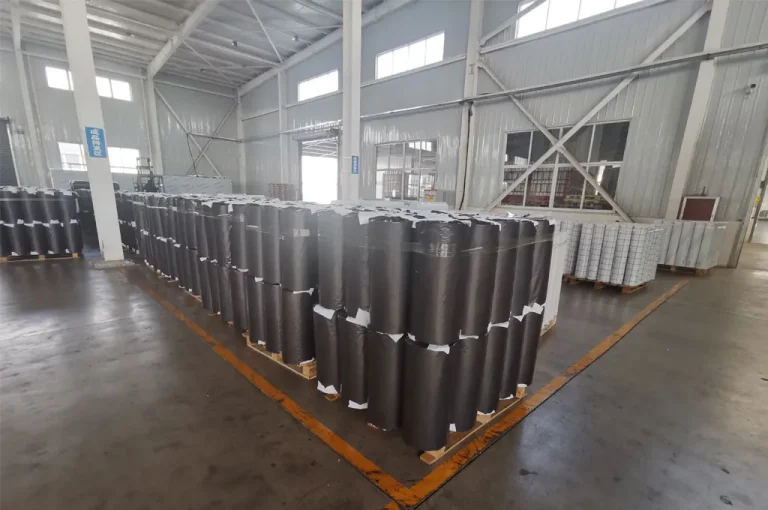
Pulivk Film focuses on R&D and manufacturing of PVC films across multiple categories, including transparent film, decorative film, floor film, soft-touch film, and more. With integrated calendering, printing, and slitting/packaging lines, production can be managed from raw material to finished rolls—supporting stable quality and predictable delivery for global buyers.
Choose a mid-range thickness (often 120–250 µm) with strong scratch resistance and clean unwind. If your process includes lamination, confirm heat behavior and dimensional stability to reduce curling. Request samples to test surface appearance under strong lighting and frequent wiping.
Prioritize super-clear optics (lower haze), stable roll flatness, and tight thickness tolerance. If you use automated packing, confirm coefficient of friction (COF) and sealing/handling behavior. For export shipments, specify dust-proof wrapping and clear labeling to reduce warehouse mistakes.
Specify anti-static performance targets and cleanliness expectations. Confirm restricted substances compliance and ask for QC records that include optical defect checks and batch traceability.
Clear films for high-wear areas usually require higher thickness and abrasion resistance. If your project is flooring-related, it may be more appropriate to source a purpose-built solution such as a floor film designed for durability and long-term performance.
For general protection and lamination, 120–250 µm is commonly used. For heavy-duty covers, consider 250–500 µm or thicker. Always validate with samples on your actual substrate and equipment.
Many PVC films are designed for indoor environments and can be produced with compliance to REACH/RoHS and other requirements. If your project involves frequent human contact or special environments, request documentation and test reports for your target standard.
Glossy clear film usually provides higher visual clarity and shine, while matte clear film reduces glare and makes fingerprints and small scratches less visible—often better for high-touch surfaces.
Yes. OEM/ODM programs commonly support customized thickness, width, roll length, surface finish, and export-ready packaging (dust-proof wrap or kraft paper with labels).
Send your film type, thickness, width, roll length, surface finish, functional treatments (anti-static/anti-fog), compliance needs, and estimated quantity. Including your application and substrate helps suppliers recommend the most stable option.