Address
304 North Cardinal St.
Dorchester Center, MA 02124
Work Hours
Monday to Friday: 7AM - 7PM
Weekend: 10AM - 5PM
Address
304 North Cardinal St.
Dorchester Center, MA 02124
Work Hours
Monday to Friday: 7AM - 7PM
Weekend: 10AM - 5PM



Choosing a PVC film extruder machine is not only about output speed or a lower purchase price. The right model must match your target film type (decorative, transparent, self-adhesive, anti-static), your downstream processes (printing, embossing, slitting/packing), and the quality benchmarks your customers will measure every day: thickness stability, surface clarity, gloss/matte consistency, and roll-to-roll uniformity.
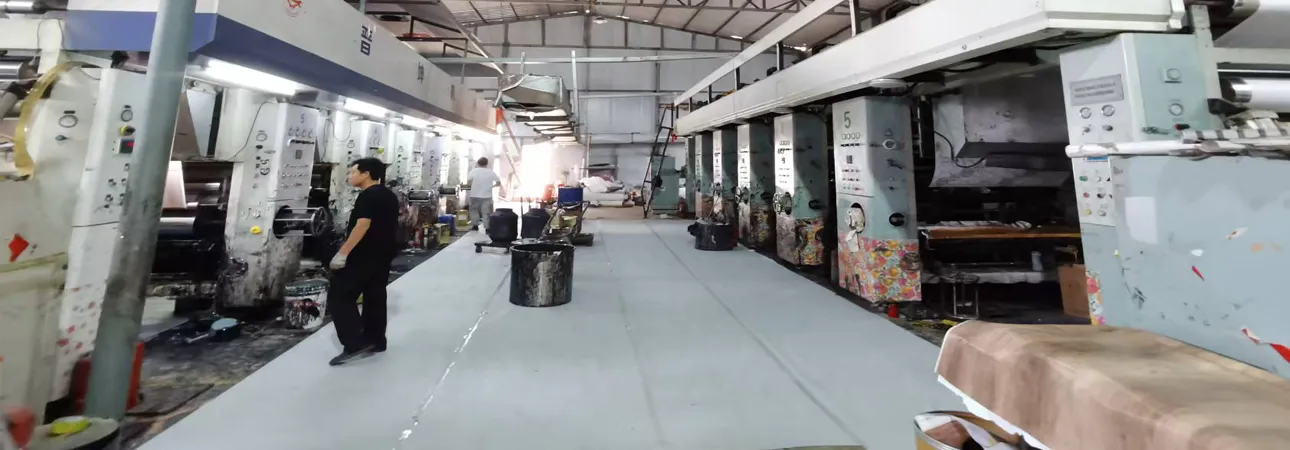
This guide breaks down what truly matters when selecting an extruder for high-quality PVC film production, including key machine configurations, material and formulation factors, quality control points, and practical decision checklists you can use during supplier evaluation.
A common purchasing mistake is selecting an extruder first and trying to “make it work” for multiple PVC film categories later. Start by mapping your product mix and performance requirements. PVC film can vary widely in formulation, thickness, softness, clarity, and surface functional treatments.
Key film categories that strongly influence extruder selection:
If your business centers on decorative and calendered grades, you may also compare the extruder line with calender-based solutions. For reference product directions, see Calendered Film and surface-focused options like Wood Grain Film.
“PVC film extruder machine” can mean different process architectures. Two mainstream routes are cast extrusion (extruder + flat die + chill rolls) and extruder feeding a calender (for specific decorative/rigid or semi-rigid film strategies).
▶ Cast film extrusion
Strong choice for consistent thickness, smooth surfaces, and efficient switching between SKUs. Typical when you need stable optics and clean surfaces for later laminating, coating, or adhesive processes.
▶ Extruder + calender system
Often aligned with calendered decorative films and certain embossing/texture strategies. This route can be excellent for specific thickness ranges and surface “body,” but demands deeper know-how in roll temperature balance, nip settings, and formulation consistency.
If your main products are decorative architectural and furniture films, evaluate not only the extruder but also the entire downstream ecosystem: printing compatibility, embossing readiness, and slitting/packing requirements (dust-proof PE wrap or kraft paper, specification labels, roll protection during export).
For PVC, screw design is a deciding factor in output stability and degradation control. PVC is heat-sensitive, so the screw must deliver gentle, uniform plasticization with minimal shear hotspots.
What to check in screw/barrel specifications:
Practical tip: if you plan to produce both decorative textured films (e.g., silk-like textures) and high-clarity films, you may need different screw configurations or at least validated processing windows per SKU. For texture-focused product direction, see 3D Silk Texture Film.
Even with a strong extruder, the wrong die or unstable melt filtration will show up as gauge variation, surface lines, gels, and optical defects. For PVC film, focus on consistent flow, clean melt, and responsive thickness control.
Goal: remove contaminants and unmelted particles without causing unstable pressure spikes.
★ Thickness stability target:
define an internal standard for average thickness tolerance and across-width variation, then require a factory run test report (not just a brochure value).
The cooling section (chill rolls, calender rolls, temperature control units) is essential to lock in surface quality. Inconsistent cooling leads to waviness, internal stress, poor flatness, and uneven gloss.
For home improvement categories (wall films, skirting films, flooring-related films), the surface must be visually consistent under indoor lighting and also resist daily wear. Product references that highlight these end-use needs include
PVC Skirting Film and Floor Film.
Overbuying capacity can raise unit costs if you run below optimal load, while underbuying capacity risks late delivery and unstable operation at the machine’s limit. Define realistic targets using your typical order structure: average run length, SKU change frequency, and seasonal peaks.
High-quality film production is a repeatability game. When evaluating models, compare what the machine can measure and control automatically (not just what an operator can adjust manually).
Machine selection is inseparable from materials. PVC film performance depends on resin, plasticizer (for flexible grades), stabilizers, lubricants, pigments, and functional additives. If the machine is not designed for your formulation window, you may see discoloration, odor issues, unstable melt pressure, or brittle film.
Many buyers require compliance with REACH, RoHS, ISO systems, and in some applications FDA considerations. Plan your material selection, stabilizer system, and QC records so they can support audits and third-party testing.
Also confirm the machine supplier’s guidance on preventing PVC thermal degradation: temperature profiling, residence time control, and startup/shutdown procedures.
Even a perfect film can fail commercially if converting steps are inefficient or inconsistent. If you intend to offer a full solution (from film making to printing and slitting/packing), ensure the extruder line integrates smoothly with downstream equipment and workflow.
Buying a PVC film extruder is a long-term production commitment. Beyond technical specs, evaluate whether the supplier can help you reach stable production quickly and keep it stable across shifts, seasons, and raw material batches.
Use this “proof-first” question set:
If you want to benchmark a supplier’s ability to support product development and stable delivery schedules, explore their documentation, knowledge base, and service channels, such as Knowledge and the formal FAQ.
Avoiding predictable selection errors can save months of tuning time and significant scrap costs.
Surface quality is most affected by melt stability + filtration cleanliness + cooling/roll temperature stability. Even small fluctuations can create gloss banding, haze, or flow marks.
Sometimes yes, but only if the line supports tight contamination control, appropriate screw design, and strong melt filtration. You should request trial data for both product categories before committing.
Require a documented thickness map (across width) plus roll-to-roll data over a sustained run, not just a short startup sample. Also confirm the measurement method and calibration record.
Common requirements include ISO system management and material compliance expectations such as REACH and RoHS; certain applications may also require FDA-related considerations. Align standards with your target customers and request supporting test reports.
Share film type, thickness, width, roll length/OD, surface finish (gloss/matte/embossed), functional requirements (anti-static, self-adhesive), expected monthly volume, and your downstream steps (printing, slitting, packaging).