Address
304 North Cardinal St.
Dorchester Center, MA 02124
Work Hours
Monday to Friday: 7AM - 7PM
Weekend: 10AM - 5PM
Address
304 North Cardinal St.
Dorchester Center, MA 02124
Work Hours
Monday to Friday: 7AM - 7PM
Weekend: 10AM - 5PM


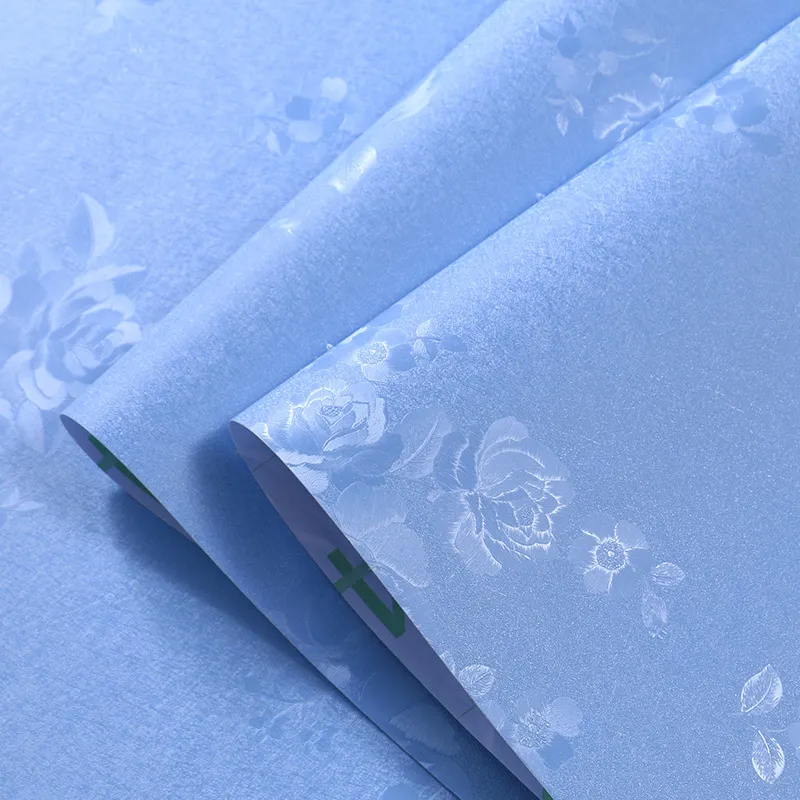
Understanding the PVC film extruder structure is essential for manufacturers, engineers, and buyers who demand consistent film quality, efficient production, and predictable costs. This guide explains the main components, the working principle, and the step-by-step production process so you can evaluate equipment performance and optimize operations.
The PVC film extruder combines mechanical, thermal, and control systems to transform PVC compound into continuous film. Each component impacts film thickness, surface finish, and production speed.
Function: Melts and homogenizes the PVC compound. The screw profile and L/D ratio determine shear, mixing, and output. Proper venting and cooling zones manage PVC decomposition risks.
Function: Shapes the molten PVC into a flat sheet or film. Precision-machined manifolds ensure uniform flow across the width to prevent gauge variation and edge defects.
Function: Controls film thickness and surface texture immediately after extrusion. Water tanks, chill rolls, or air cooling stabilize the film and lock in dimensional properties.
Function: Apply surface finish (gloss, matte, embossing patterns) and help control film tension. Embossed patterns are added here for decorative or functional surfaces.
Function: Maintains steady film speed and tension. Variable-speed motors and servo controls prevent stretching and gauge fluctuations.
Function: Wind film into rolls with accurate tension control and perform inline slitting to required widths for packaging or downstream processing.
Feeders, vacuum systems, temperature controllers, and an automated PLC control panel are essential to maintain process stability and repeatable film characteristics.
| Component | Primary Function |
|---|---|
| Barrel & Screw | Melting, mixing, and conveying PVC compound |
| Flat Die | Forming uniform film profile |
| Calibration / Cooling | Thickness control and surface setting |
| Haul-Off & Winder | Tension control and roll finishing |
PVC extrusion follows a thermomechanical transformation path where raw resin, plasticizers, stabilizers, and additives become a coherent film through controlled heating, shaping, and cooling.
Dry or pre-blended PVC masterbatch is fed into the extruder hopper. The screw compresses and heats the material, with heater bands and barrel sensors keeping melt temperature within a narrow range to avoid degradation.
The screw’s mixing sections and vent ports remove entrapped air and volatiles. Uniform melt ensures consistent optical properties and mechanical strength in the final film.
Molten PVC flows through the flat die where precise gap control defines the initial film thickness. Flow distribution devices reduce edge bead and help equalize flow across wide dies.
Immediately as the film exits the die it is stabilized using chilled rolls or a calibration unit. Surface treatments (corona, embossing) are applied either inline or downstream to achieve the desired appearance and functional traits like adhesion or slip.
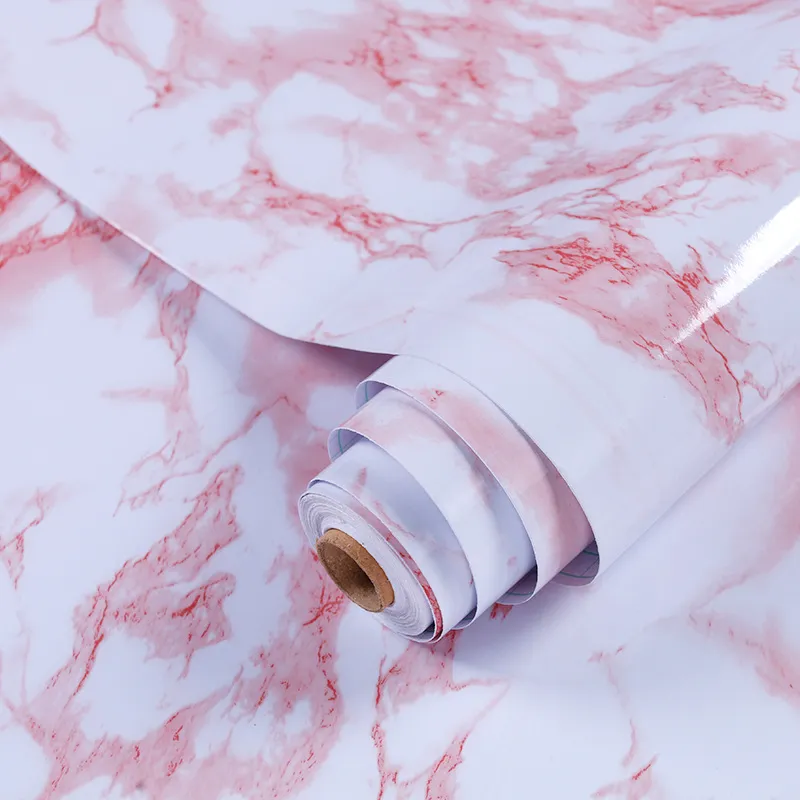
Optimizing each step reduces waste, improves yield, and delivers repeatable film properties for decorative, protective, or packaging uses.
Quality control starts with consistent resin and additive dosing. Pre-blending in a dry mixer improves melt homogeneity and lowers the risk of streaks or blooms in the finished film.
Set melt temperature profiles, screw speed, and die gap according to formulation and target thickness. Use inline sensors for thickness, temperature, and surface quality to enable quick corrections and avoid off-spec production.
Cooling rate affects crystallinity, gloss, and dimensional stability. Calender rolls for high-gloss or embossing textures require tight parallelism and temperature control to prevent surface defects.
Slitting systems with pneumatic tension control and precision cutters produce clean edges ideal for glazing, lamination, or retail packaging. Proper split-packaging and labeling protect rolls during transport and storage.
Common problems include thickness variation, gels, fish-eyes, and discoloration. Effective troubleshooting uses a systematic approach: check raw materials, confirm process temperature stability, verify die alignment, and inspect cooling/calandering systems.
Modern PVC film extruders use variable-speed drives, heat recovery systems, and optimized screw designs to cut energy per kilogram of film produced. Recycling trim and off-spec material back into controlled feed streams reduces material costs and environmental footprint.
Consider upgrades when maintenance costs rise, product consistency degrades, or demand requires wider widths and faster line speeds. Newer control systems deliver improved uptime and faster recipe transitions for multiple product SKUs.
Pulivk operates full in-house production with calendering, printing, and split-packaging lines—enabling tight quality control, flexible OEM customization, and stable lead times for global customers.
When selecting a PVC film extruder or film supplier, evaluate equipment capability, QC results, and the supplier’s vertical integration. Machines that provide reliable melt control, precision dies, and robust cooling systems will consistently deliver high-quality PVC film suitable for decorative, functional, and packaging applications.