Address
304 North Cardinal St.
Dorchester Center, MA 02124
Work Hours
Monday to Friday: 7AM - 7PM
Weekend: 10AM - 5PM
Address
304 North Cardinal St.
Dorchester Center, MA 02124
Work Hours
Monday to Friday: 7AM - 7PM
Weekend: 10AM - 5PM


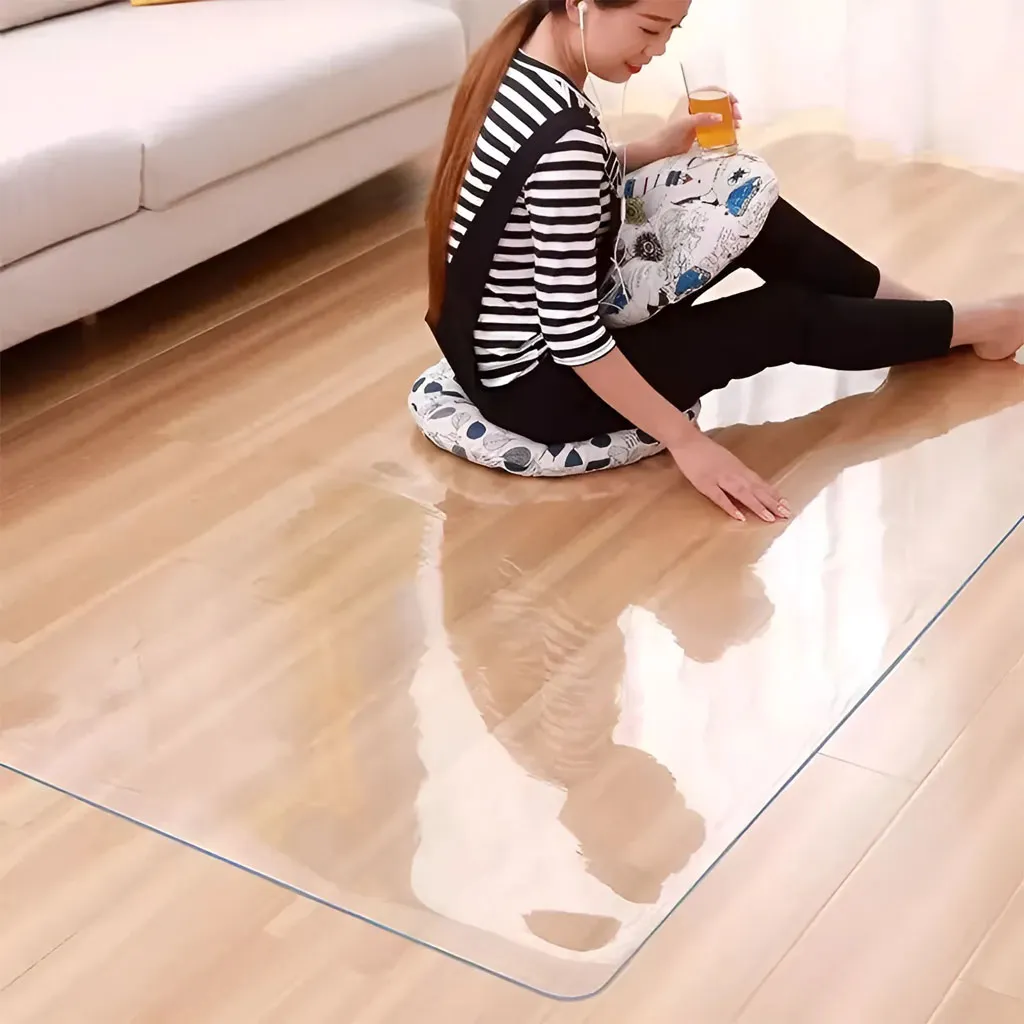
Understanding PVC film fire ratings is essential for architects, specifiers, manufacturers, and safety officers who need to balance aesthetics, durability, and life-safety performance. This guide explains the most relevant tests and classifications for fire-resistant PVC film, how to interpret results, and practical tips for choosing certified materials for different applications.
Fire rating for PVC film refers to standardized measurements of how a film reacts to heat and flame: whether it ignites easily, how fast flames spread across its surface, how much smoke it produces, and whether it contributes to toxic gases. Different tests focus on specific behaviors—flame spread, smoke development, heat release, or ignition resistance.
Below are the standards you will most often encounter when evaluating PVC film for commercial, residential, or industrial projects.
| Standard / Test | What it measures | Typical result indicators |
|---|---|---|
| UL 94 | Flammability of plastic materials—vertical and horizontal burn tests | Classes: HB, V-2, V-1, V-0 (V-0 best) |
| EN 13501-1 | Reaction to fire for building products in Europe | Classes A1 – F plus smoke (s1-s3) and flaming droplets (d0-d2) |
| ASTM E84 / NFPA 255 | Surface flame spread and smoke developed index | Flame Spread Index (FSI) & Smoke Developed Index (SDI) |
| ISO 5660 (Cone Calorimeter) | Heat release rate, total heat, smoke production | HRR (kW/m2), THR, MARHE — quantitative fire growth metrics |
When comparing test reports, always look at the full suite of data—a low flame spread score with high smoke or toxic gas output may still pose unacceptable risk in enclosed spaces. For building codes, the combination of reaction-to-fire class plus smoke and droplets ratings (EN system) often drives acceptance.
Decorative PVC films used on furniture or wall coverings must meet local interior surface requirements. For high-rise or public buildings, seek materials classified at least B-s1,d0 (EN 13501-1) or equivalent with low smoke development.
Temporary protective films for floors and surfaces often face mechanical wear as well as fire-awareness considerations on job sites. Choose films with self-extinguishing properties and documented performance in UL 94 or ASTM E84 tests for surface spread.
Packaging films may need to comply with transportation regulations and fire-safety rules for warehouses. Look for cone calorimeter data (ISO 5660) if heat release is a concern for stored volumes.
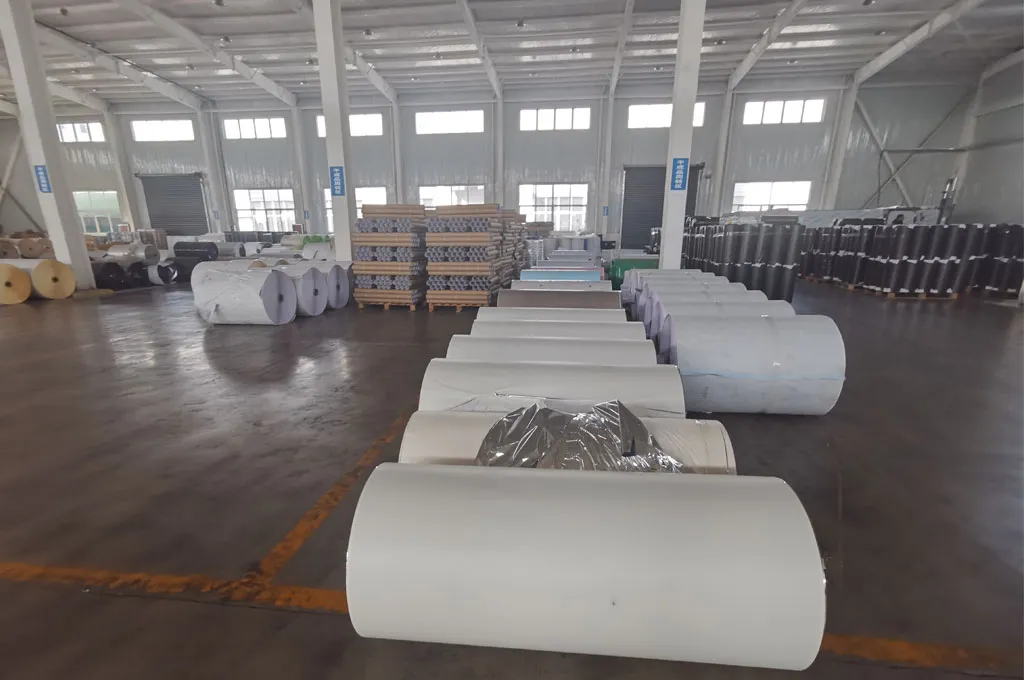
1. Define the required standard(s) based on jurisdiction and application (e.g., EN 13501-1 for Europe, ASTM E84 for some US projects). 2. Provide representative samples and production specification to the lab. 3. Review preliminary results—if performance is marginal, reformulate (add flame retardants, change plasticizer). 4. Run final tests and obtain certificates and test reports. 5. Keep certificates available for project submittals and QC checks.
Lab tests simulate controlled conditions; actual performance can vary with installation, adhesives, substrate, and exposure. Always validate the full system (film + substrate + adhesive) where possible.
Store PVC films away from heat sources and direct sunlight to prevent premature aging. During installation, avoid confining films near high-heat machinery or open flames. Use fire-safe adhesives and follow manufacturer instructions for temperature and humidity ranges.
Building codes and fire authorities vary by region—some jurisdictions set strict surface spread limits for escape routes and public areas. Always check local building codes and consult fire marshals for high-risk applications. For example, public transit interiors, hospitals, and schools often require the most restrictive classifications for both flame spread and smoke generation.
If a project is high-occupancy or has special hazards (chemical storage, surgical suites, or kitchens), engage a fire engineer early to assess system-level risk and recommend test standards appropriate for the environment.
Pulivk — Henan Pulivk New Materials Co., Ltd. operates full in-house production with calendering, printing, and split-packaging lines, enabling consistent quality control and tailored PVC film solutions for global markets.
When in doubt, request sample testing under the standards most relevant to your installation and ask for long-term aging or exposure data to verify continued compliance over the product’s service life.