Address
304 North Cardinal St.
Dorchester Center, MA 02124
Work Hours
Monday to Friday: 7AM - 7PM
Weekend: 10AM - 5PM
Address
304 North Cardinal St.
Dorchester Center, MA 02124
Work Hours
Monday to Friday: 7AM - 7PM
Weekend: 10AM - 5PM


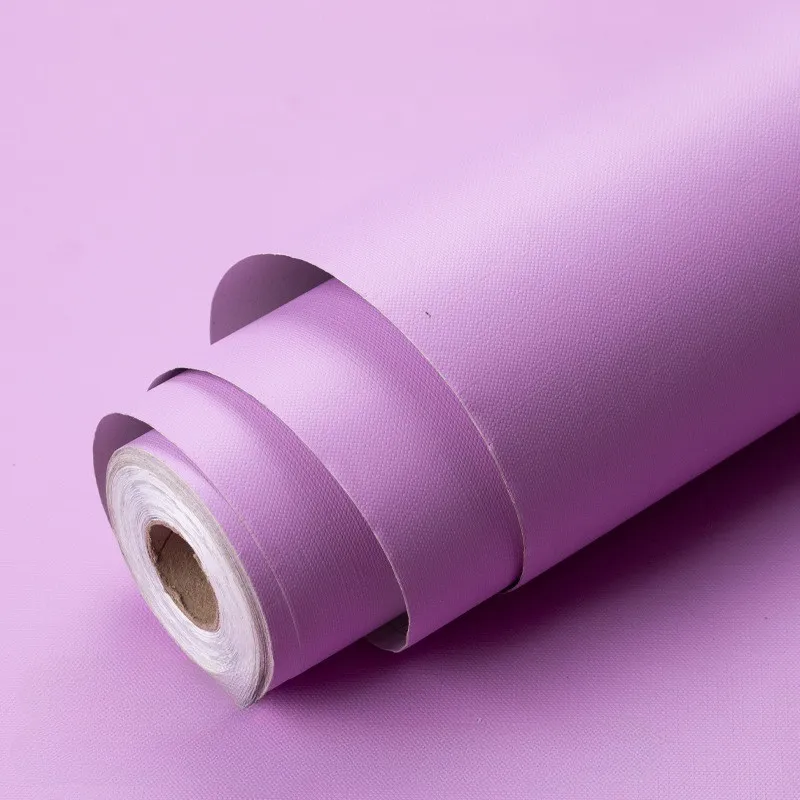
PVC film for ceiling systems has become a practical alternative to traditional paint, gypsum finishing, and some panel solutions—especially in projects that demand fast installation, consistent aesthetics, and easy cleaning. Whether you are renovating a home, fitting out a retail space, or upgrading a commercial interior, PVC ceiling film can deliver a smooth decorative surface with reliable moisture resistance and a wide range of textures and colors.
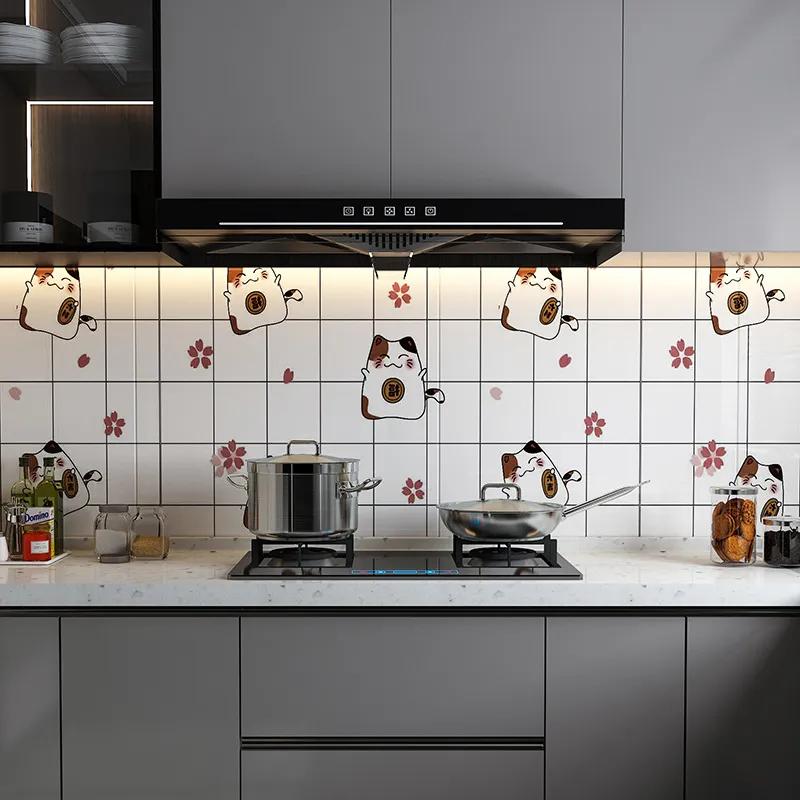
PVC film is a thin, flexible sheet made from polyvinyl chloride, manufactured to deliver decorative appearance plus functional protection. In ceiling applications, it is commonly used as a finishing layer on panels, boards, and modular components, or as a surface wrap for profiles and trim.
Depending on the design goal, the film may be glossy, matte, embossed, wood-grain, stone/marble-look, or fabric-textured. Many projects also choose functional variants such as anti-static or easy-clean finishes.
✔ Moisture resistance:
A strong choice for humid spaces such as bathrooms, laundry rooms, and coastal buildings where painted surfaces may stain or peel.
✔ Easy maintenance:
Many finishes can be wiped clean with mild detergent, supporting hygiene and reducing ongoing upkeep.
✔ Consistent decorative effect:
Film-based surfaces avoid common paint issues like uneven rolling marks, patchy color, or sanding waves—helpful in retail and hospitality where lighting is unforgiving.
✔ Fast renovation:
PVC film solutions can shorten project cycles by minimizing wet work and reducing curing time compared with repainting.
✔ Design flexibility:
From minimalist solid colors to tactile textures and marble/wood effects, it is easy to match different interior styles and brand identities.
PVC films vary by manufacturing method, surface finish, thickness, and whether they include adhesives or functional coatings. Below are the most common categories used for ceiling decoration and related ceiling components.
Calendered film is produced through calendering lines that create stable thickness control and consistent surface appearance. It is commonly selected for ceiling panels, profiles, and decorative wrapping where you need dependable performance at scale.
If you want to explore production-grade options, see Calendered Film.
Solid colors are popular for minimalist homes, offices, clinics, and corridors. They pair well with linear lighting and can be used to create seamless-looking ceiling planes. For matching wall/ceiling color concepts, you can reference
Solid Color Wallpaper
to coordinate tones across surfaces.
Wood-look ceilings create a warmer and more natural feel in living rooms, cafes, boutiques, and lobbies—without the warping risk and maintenance burden of some natural timber installations. For commonly used patterns and finishes, see
Wood Grain Film.
Marble-effect ceilings can support luxury aesthetics in reception areas, salons, and commercial interiors. The advantage is visual impact with easier cleaning than porous natural stone. For decorative references, visit
Marble Film.
Textured finishes help hide minor substrate imperfections and can reduce harsh glare from downlights. They are useful in showrooms, feature ceilings, and areas where you want visual depth. For an example of texture-forward options, check
3D Silk Texture Film.
Glossy surfaces make spaces feel brighter and more spacious, but they show substrate flaws and fingerprints more easily.
Matte or soft-touch finishes reduce reflections and hide small imperfections, often preferred in bedrooms, cinemas, or offices with strong overhead lighting.
PVC film can be applied in different ways depending on the ceiling system and fabrication method. Common scenarios include:
Performance depends heavily on preparation, adhesive compatibility, and installation discipline. The checklist below helps reduce bubbling, wrinkles, edge lifting, and premature failure.
Use adhesives designed for PVC film and your substrate (board types, metal, plastic, etc.). Always verify:
initial tack, heat resistance, and long-term bonding.
Incompatible glue can cause plasticizer migration, staining, or edge lifting.
The “best” option depends on environment, lighting, substrate, and the look you want. Use the decision points below to narrow down choices and avoid overpaying for features you do not need.
Strong downlights and daylight angles can exaggerate seams and substrate waves. If your ceiling uses spotlights, consider
matte or light texture to reduce reflections and hide minor defects.
Thicker films can be more forgiving during installation and may improve perceived quality, but the best choice depends on your ceiling system and the application method. For mass production of panels and trims, stable calendered options are often preferred for consistent roll-to-roll performance.
For branded commercial interiors or large residential developments, customization can be the difference between “close enough” and truly cohesive. Manufacturers with full-process production (calendering, printing, and slitting/packing) can support
color matching, pattern development, roll size options, and consistent batch control.
Routine care is simple, but it pays to follow best practices to preserve gloss and prevent surface haze:
Yes—humidity resistance is one of the main reasons people choose PVC film. Make sure the substrate is dry and edges/seams are handled carefully to prevent moisture ingress.
They can be, especially under strong downlights. Good planning, consistent pattern direction, and choosing matte or lightly textured finishes can reduce seam visibility.
Matte or textured finishes typically hide substrate waves and minor defects better than glossy finishes, which reflect light and highlight unevenness.
Yes. Many suppliers support OEM/ODM customization such as thickness, width, roll length, color matching, printing patterns, and packaging requirements.
Request samples for adhesion and appearance testing on your actual substrate, verify batch consistency, and ask for relevant compliance documentation when required for indoor projects.