Address
304 North Cardinal St.
Dorchester Center, MA 02124
Work Hours
Monday to Friday: 7AM - 7PM
Weekend: 10AM - 5PM
Address
304 North Cardinal St.
Dorchester Center, MA 02124
Work Hours
Monday to Friday: 7AM - 7PM
Weekend: 10AM - 5PM


PVC film has become one of the most practical surface materials in modern construction—supporting faster finishing, consistent aesthetics, and reliable protection across walls, ceilings, doors, skirting, partitions, and flooring systems. From new builds to renovation projects, the right PVC film can help you achieve a premium look (wood, marble, textile, solid colors) while improving durability, cleanability, and moisture resistance—often at a lower lifecycle cost than many traditional finishes.
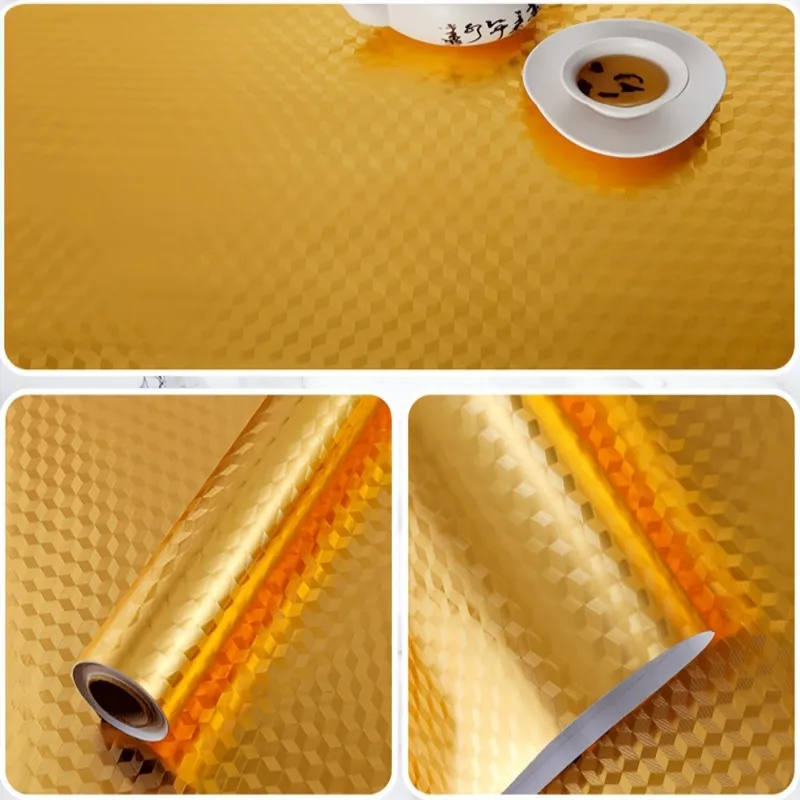
This guide breaks down how PVC film is used in construction, what benefits matter most on-site, and how to choose the right type by application, substrate, environment, and performance requirements. If you want to explore broader product categories and specifications, you can also browse the manufacturer’s catalog via
Product.
In construction, “PVC film” usually refers to a thin, engineered polyvinyl chloride sheet used as a decorative and/or functional surface layer. It can be supplied as calendered film, printed film, embossed film, transparent film, soft-touch film, or self-adhesive film. Depending on the application, it may be laminated onto boards (MDF, plywood, WPC), wrapped around profiles, or used as a protective cover film during installation.
✔ Key idea:
PVC film is not “just decoration.” In building interiors, it often serves three roles at once—appearance, protection, and maintenance simplification.
PVC decorative films can replicate paint, wallpaper, stone, fabric, or premium textures while delivering a more wipeable surface. They are widely used in apartments, hotels, offices, hospitals, and retail spaces where cleaning efficiency and consistent appearance are important.
For clean, modern interior palettes, solid-tone systems are popular in corridors and feature walls. For example, Solid color wallpaper options can help standardize color across batches and sites—especially useful for multi-unit projects.
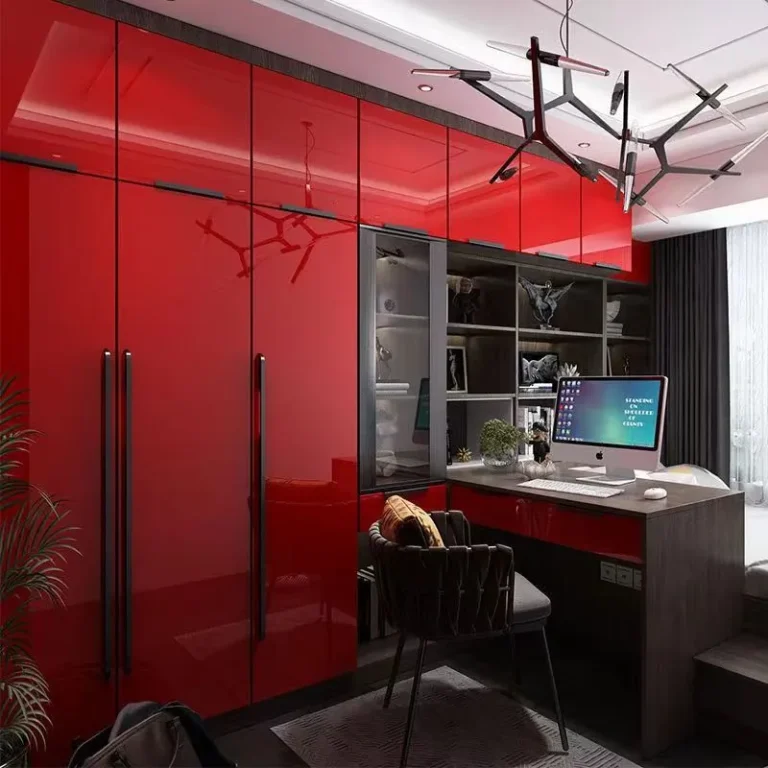
A major construction use-case is surface finishing for interior doors, kitchen cabinets, wardrobes, and built-ins. PVC films can be laminated onto flat panels or used for profile wrapping, delivering wood grain, gloss, matte, stone, or metallic looks with better scratch resistance than many paint systems.
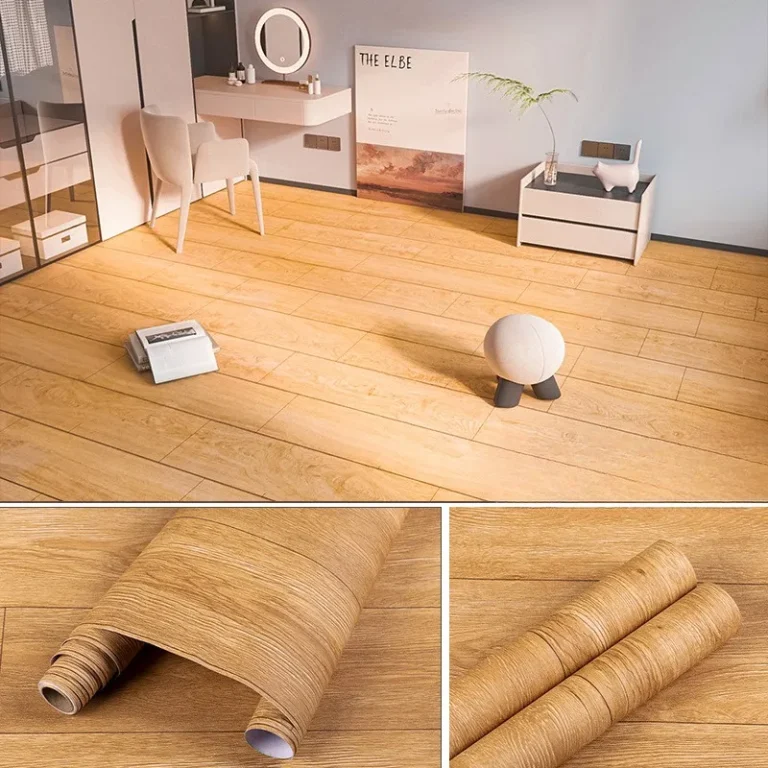
If you need a classic warm interior tone without the variability of natural veneer, Wood grain film is commonly specified for large-scale housing and hospitality projects where repeatability matters.
Skirting boards and trims take regular impact from cleaning equipment, shoes, and furniture. PVC film wrapping improves scuff resistance and reduces repainting. It also helps match skirting color and texture with doors, cabinetry, or flooring for a cohesive interior scheme.
For trim-focused projects, consider purpose-built options such as
PVC skirting film, designed for profile wrapping consistency and wear performance.
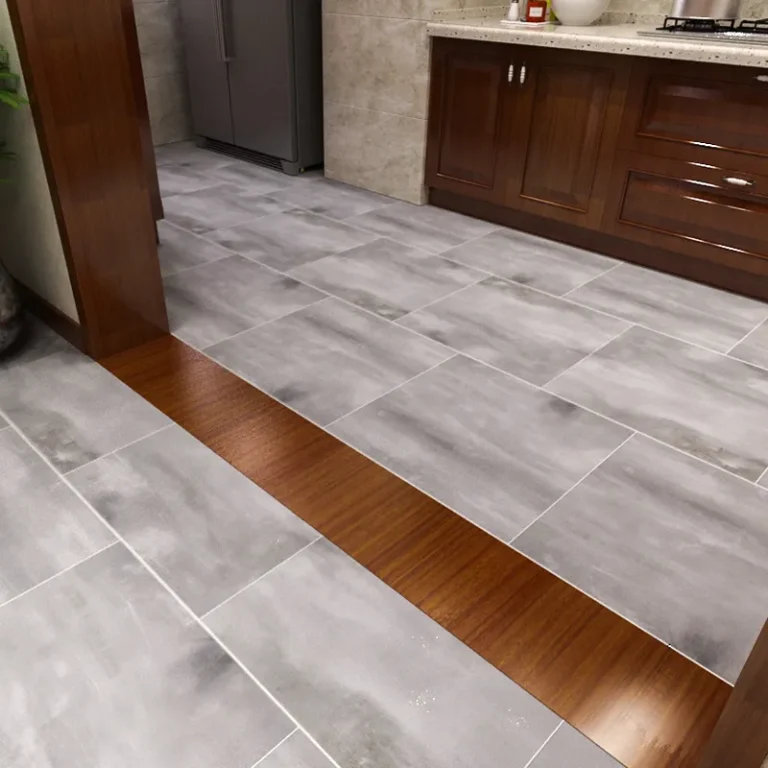
In flooring, PVC films can be used as a surface layer in multi-layer floor products, or as protective films during construction handover to reduce damage and cleanup time. The key factors here are abrasion resistance, slip performance, dimensional stability, and compatibility with the base layer.
For projects needing decorative and functional floor surfaces, you can review
Floor film specifications and finish options (e.g., matte, embossed) to align with traffic level and maintenance needs.
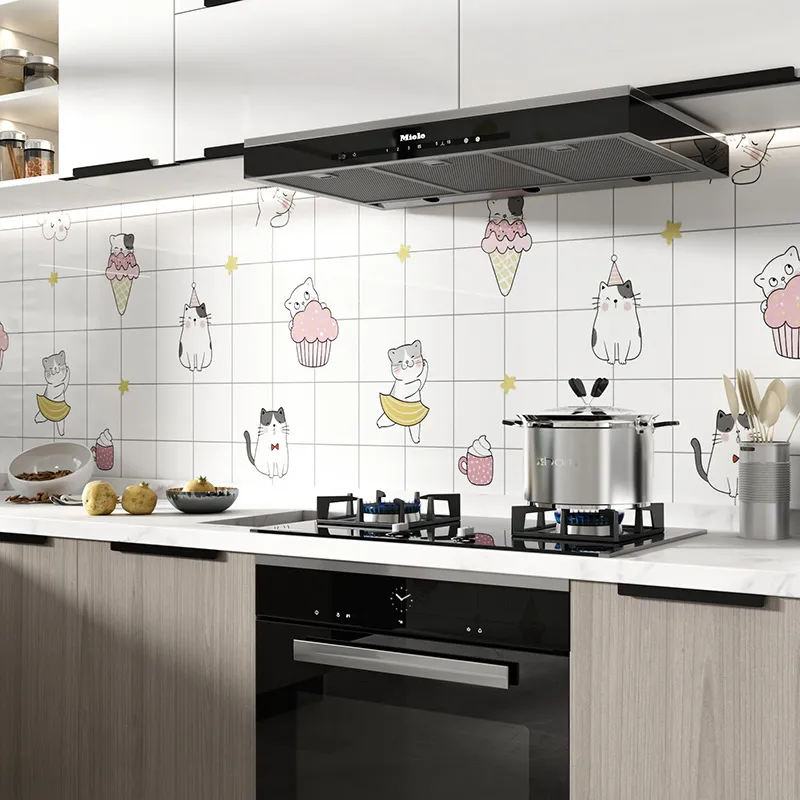
Moisture, detergents, and stains are daily realities in wet zones. PVC film solutions are often selected for cabinets, wall panels, and decorative surfaces due to their water resistance and wipe-clean properties. For high-use kitchens, choose surfaces that resist oil, frequent wiping, and temperature changes—especially near cooking zones.
Tip for site supervisors:
If multiple trades work in tight interiors, consider temporary protective films on finished surfaces to reduce punch-list repairs and handover delays.
Large construction projects need predictable color and pattern repeat. PVC films can be produced in controlled batches, helping architects and contractors maintain design consistency across phases, buildings, or room types—especially helpful for hotels, student housing, and commercial rollouts.
Compared with multi-step painting or veneer finishing, film-laminated panels can reduce on-site labor, drying time, and odor concerns. Prefinished boards also help improve scheduling certainty when multiple trades must coordinate.
A well-specified PVC film (correct thickness, embossing, coating, and adhesive system) can withstand frequent wiping, light abrasion, and routine impacts. This is particularly valuable for doors, trims, cabinets, and other high-contact surfaces.
In many interior applications, PVC film improves surface resistance to moisture and common household stains, supporting easier cleaning and reduced long-term refurbishment. For property managers, this often translates into lower maintenance effort and more stable presentation.
PVC films can be engineered with glossy, matte, embossed, pearlescent, soft-touch, anti-static, anti-fog, or self-adhesive properties—allowing a closer match to project requirements instead of forcing one material to do everything.
★ Specification mindset:
Choose PVC film like you choose a flooring or paint system—by use scenario, expected wear, and maintenance plan, not only by color.
Application determines everything—thickness, surface finish, coating, and adhesive requirements. A cabinet door face, a wall panel, and a skirting profile experience very different wear and installation methods. Define:
Many construction-grade PVC films are calendered for stable thickness and good processing behavior. Calendered films can serve as base films for printing/embossing or as functional layers depending on the formulation.
If you need a baseline understanding of calendered options, start with
Calendered Film,
then select surface textures and coatings based on your project goals.
Thickness affects both feel and durability, but also wrapping/lamination performance. Thicker films can deliver better impact resistance and a more premium hand-feel, while thinner films may be easier for certain laminating conditions and reduce material cost. The “right” thickness is the one that meets performance targets without complicating production or installation.
Finish drives both aesthetics and how surfaces age:
⚑ Practical checkpoint:
Request a sample and run a simple site test: wipe with common cleaners, check fingerprint visibility under project lighting, and confirm the texture does not trap dirt in high-use areas.
Construction environments vary widely. Functional coatings can be a difference-maker:
Even the best film can fail if the adhesive system and substrate are mismatched. Selection depends on whether the film will be laminated in a factory line, pressed onto boards, or wrapped around profiles. Key points to confirm:
For interior construction, ensure films meet relevant chemical and safety requirements. Many buyers look for heavy-metal-free and phthalate-free materials, and may request documentation for ISO systems and regulatory compliance such as REACH and RoHS. If the film will be used in sensitive spaces (medical, schools, childcare), it’s worth clarifying the full compliance package early in procurement.
Prioritize scratch/scuff resistance, cleanability, and pattern stability. Matte or lightly embossed finishes often hide wear better than high gloss in corridors and shared areas. For color-critical corporate interiors, request batch control details and pre-approval samples under project lighting.
Renovation projects benefit from PVC film’s speed and reduced disruption. Select finishes that are forgiving (matte/embossed), easy to wipe, and aligned with everyday living patterns. In rental properties, emphasize stain resistance and maintenance simplicity to reduce turnover costs.
Choose films designed for frequent wiping and oil exposure. Confirm chemical resistance against typical kitchen cleaners and check how the finish handles fingerprints. Also confirm the edge sealing method (especially around sink areas) to prevent moisture ingress into the board.
Water resistance helps, but system design matters. Select suitable substrates, seal joints correctly, and avoid detailing that traps water. In wet zones, a film should be treated as part of a full moisture management system—not a standalone waterproofing layer.
Before mass adoption on a project, do small validation runs and request measurable parameters. Useful checks include:
For teams coordinating procurement and technical questions, manufacturer resources such as
Knowledge
and
FAQ
can help align terminology (film types, finishes, and testing expectations) before you lock in a specification.
Store rolls upright (as recommended by the supplier), away from direct sunlight and heat sources. Keep films sealed in protective wrapping until use to minimize dust contamination—especially critical for laminating and self-adhesive applications.
Film lamination and wrapping are sensitive to temperature, pressure, and speed. Maintain consistent parameters, and avoid rushing set-up—most surface defects in finished panels come from process instability rather than the film itself.
Use non-abrasive cloths and test any cleaner in a small hidden area first. During construction closeout, cover finished surfaces in high-risk areas (corridors, elevators, loading access) to avoid last-minute damage and rework.
PVC film is a versatile construction finish that supports consistent design, faster project delivery, and practical durability for real-world use. To choose the right type, start with the application and environment, then specify the correct thickness, finish, functional treatments, and adhesion system for your substrate and process. Finally, confirm compliance needs and run a small on-site validation before full rollout.
Decision shortcut:
Where used → how it’s installed → what it must resist → which finish stays looking good.
Yes. Many PVC films are designed for interior decorative and protective use on walls, panels, doors, cabinets, trims, and flooring layers. Always confirm compliance documents for the target market and the intended indoor environment.
Choosing by color only. For cabinet and door faces, you should also verify scratch resistance, stain resistance (fingerprints/oil), and edge adhesion performance based on your lamination/wrapping process.
Matte or lightly embossed finishes often hide scuffs and fingerprints better in high-traffic spaces. Gloss can look premium, but may require more frequent cleaning and careful handling.
Run a sample lamination/wrapping trial using your actual board/profile, adhesive type, and production parameters. Check for edge lifting, bubbles, and adhesion after a short aging period under warm/humid conditions.
Yes. Many suppliers offer OEM/ODM options for thickness, width, color/pattern, surface textures, and functional coatings (such as anti-static or easy-clean), plus customized roll cutting and packaging for safer transport and faster site handling.