Address
304 North Cardinal St.
Dorchester Center, MA 02124
Work Hours
Monday to Friday: 7AM - 7PM
Weekend: 10AM - 5PM
Address
304 North Cardinal St.
Dorchester Center, MA 02124
Work Hours
Monday to Friday: 7AM - 7PM
Weekend: 10AM - 5PM


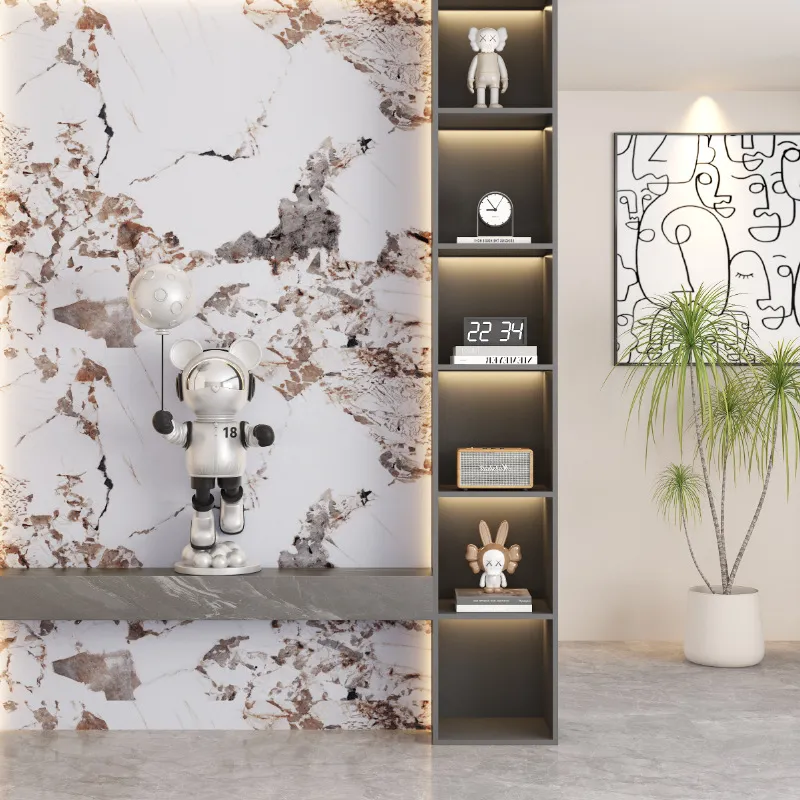
PVC film for countertops is a practical way to protect or renovate worktops without the cost, dust, and downtime of replacing the entire surface. Whether you manage a rental property, refresh a retail counter, or upgrade a family kitchen, modern PVC decorative films can deliver a durable, waterproof, easy-to-clean finish that looks like wood, stone, marble, or solid color—while helping reduce everyday wear from spills, heat, and abrasion.
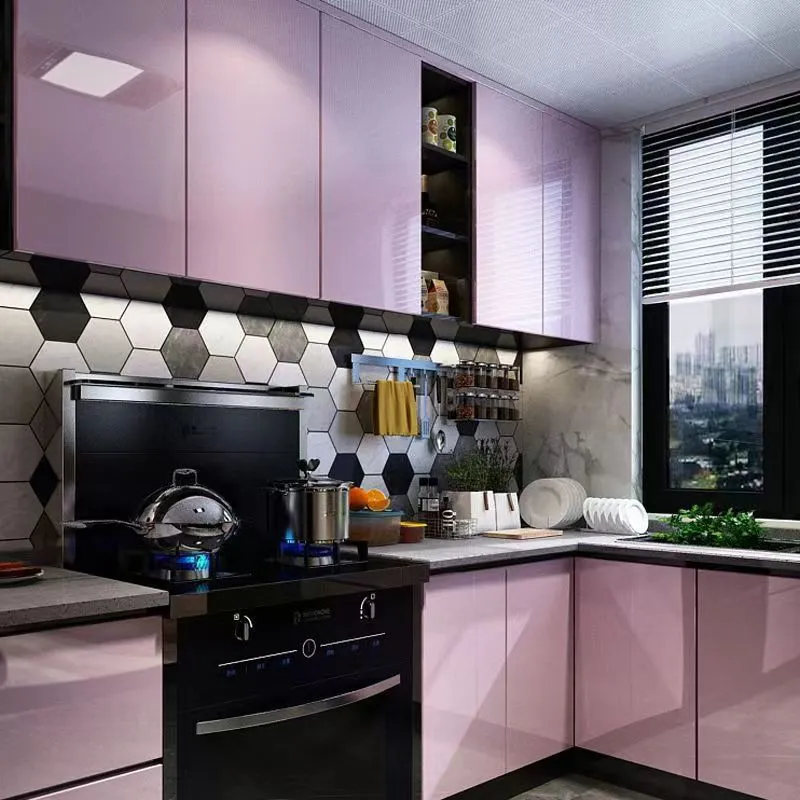
In this guide, you’ll learn how countertop PVC film works, how to choose the right texture and adhesive, what surfaces it can be applied to, and how to maintain a clean, long-lasting result—especially in high-use areas like kitchens, café counters, reception desks, and shop checkouts.
Key idea: A well-chosen PVC film acts like a protective “skin” that upgrades appearance and improves daily usability.
PVC film is a thin sheet made from polyvinyl chloride designed for decoration and surface protection. For countertop use, it is commonly produced as calendered film or decorative film with printed patterns and optional embossing. Many projects use self-adhesive versions for faster installation, while commercial fabrication lines may apply non-adhesive film with specialized lamination equipment.
If you want a stable base material widely used for decorative applications, see Calendered Film. Calendering supports consistent thickness, good surface quality, and production scalability—important when you want the same look across multiple counters (for example, a chain café or multi-unit housing).
Marble / stone look: Great for modern kitchens, reception desks, and minimalist retail counters. Consider Marble Film when you want high-end visuals without heavy slabs.
Wood grain: Works well for warm, homey interiors, cafés, and Scandinavian-inspired designs. Explore Wood Grain Film for natural patterns and tactile textures.
Solid color & matte finishes: Ideal for clean, contemporary spaces and commercial counters that need consistent branding. A calm, uniform surface also hides minor substrate inconsistencies better than high-gloss patterns.
Countertops face constant friction: dishes sliding, bags dragged across checkout counters, and repeated wiping. Quality PVC film can improve scratch resistance and reduce visible aging. Embossed textures may help camouflage micro-scratches better than mirror-gloss surfaces, especially in busy kitchens or high-traffic retail environments.
Spills happen—oil, juice, cleaning solution, coffee rings. PVC film provides a water-resistant layer that helps keep liquids from soaking into porous surfaces or worn laminate seams. The real advantage is consistency: with proper edge treatment and careful sealing around sink cutouts, day-to-day splashes become far less stressful.
A smooth, sealed surface means you can usually clean with mild detergent and a soft cloth. For many users, this is the biggest lifestyle upgrade: less time on maintenance, fewer harsh chemicals, and fewer “stubborn stain” moments after cooking or rush-hour service.
Tip: For kitchens with frequent frying or heavy cooking, pairing a countertop PVC film project with an oil-resistant wall solution can improve the whole cleaning routine. See Kitchen Anti-oil Film for backsplash or nearby wall areas.
⚠ Important: PVC film is protective and decorative, but it is not a substitute for stone or thick laminate in extreme conditions.
Thickness influences durability, handling, and how well the film hides minor surface flaws. Generally, a thicker decorative film can feel more substantial and resist wear better, while thinner films may be easier for quick cosmetic updates. For commercial rollouts, consistent thickness across batches supports predictable installation results and fewer rework hours.
Glossy surfaces look bright and premium but show scratches, smudges, and fingerprints more easily—especially under strong lighting. Matte surfaces hide everyday marks better and deliver a modern feel. Embossed textures (wood pores, stone grain, fabric-like patterns) improve tactile realism and can also reduce the visibility of minor abrasion.
Self-adhesive films are popular for renovations because they reduce installation steps. Non-adhesive films may be used when laminating with dedicated equipment or when the project requires a specific bonding system. For wet zones (near sinks), adhesive performance and edge detailing matter more than aesthetics—because water ingress is what typically causes premature lifting.
Depending on your market and application, you may need anti-static, easy-clean topcoats, or food-contact considerations for certain environments. Manufacturers with strong QC systems can provide batch traceability and relevant certifications (commonly aligned with ISO quality management and chemical compliance requirements).
PVC film adheres best to surfaces that are clean, smooth, dry, and stable. Before application, the countertop must be structurally sound; film will not “fix” swelling, delamination, or crumbling edges.
A countertop film project succeeds more from preparation than from speed. The goal is uniform adhesion, clean edges, and controlled tension so the film doesn’t shrink back at corners over time.
Pro focus area: The most common failure point is not the flat surface—it’s the edge (impact, water exposure, repeated wiping). If your countertop has a sink, invest extra time in wrapping, trimming, and sealing around cutouts.
A countertop is a large visual plane. If your cabinets already have strong patterns, choose a calmer countertop film (solid color or subtle stone). If the room is visually quiet, a bold marble or wood grain can become the focal point. In small kitchens, lighter films often make the space feel more open, while in spacious areas darker tones can feel more grounded and premium.
People judge a surface not only by appearance but by touch. Textured options can feel more “real” and also reduce fingerprint visibility. If you want a refined tactile surface for counters, panels, or furniture fronts, consider a fabric-like decorative option such as 3D Silk Texture Film for certain design themes.
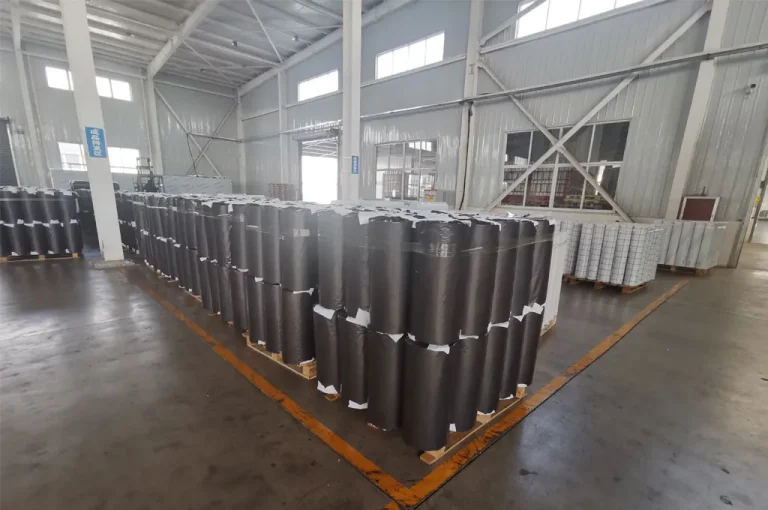
For multi-site projects or OEM programs, consistency is everything: the same color, the same embossing depth, the same adhesive behavior, and predictable roll quality. A supplier with integrated capabilities—calendering, printing, slitting, and packaging—can control the full process from raw materials to finished rolls, improving lead times and reducing batch variation.
Pulivk Film focuses on PVC film R&D and production across calendered film, decorative film, soft-touch options, transparent films, and more, supporting industries such as furniture, building decoration, electronics, advertising, medical, and home improvement. With OEM/ODM flexibility, projects can be customized by thickness, width, surface effects, patterns, and packaging—especially useful when you’re matching existing interiors or rolling out a branded retail look.
Quality checklist for buyers: ask about batch traceability, thickness tolerance, adhesion stability, surface defect control, export-grade packaging, and available compliance documents (such as REACH/RoHS/FDA-related statements when applicable).
Choose a matte stone or subtle marble style that feels modern and neutral. Tenants tend to value clean, bright surfaces. Prioritize easy cleaning and edge durability over high-gloss “showroom shine.”
Go for textures that hide fingerprints and micro-scratches. If the counter is used for ordering and drink pickup, choose a finish that remains presentable after frequent wiping. Consider coordinating with oil-resistant wall film near prep zones for faster nightly cleanup.
Solid colors and consistent patterns support branding and look professional under bright lighting. For multiple stores, ask for controlled color matching and consistent embossing so each location looks identical.
1) Can I apply PVC film over an existing laminate countertop?
Yes, if the laminate is stable, clean, and not peeling or swollen. Clean/degrease thoroughly and repair chips or lifted edges before application.
2) Is countertop PVC film truly waterproof?
The film surface is water-resistant, but long-term performance depends on edge finishing and preventing water from entering seams (especially around sinks).
3) How do I clean a PVC film countertop without damaging it?
Use a soft cloth with mild detergent. Avoid abrasive pads and harsh solvents unless confirmed compatible by the film supplier.
4) Will heat damage PVC film on countertops?
Direct contact with hot pans can cause deformation or discoloration. Use trivets/heat pads and avoid placing heated cookware directly on the surface.
5) Can I order custom colors or patterns for large countertop projects?
Yes. Many manufacturers offer OEM/ODM customization (thickness, width, patterns, surface textures, and packaging) for consistent multi-site rollouts.