Address
304 North Cardinal St.
Dorchester Center, MA 02124
Work Hours
Monday to Friday: 7AM - 7PM
Weekend: 10AM - 5PM
Address
304 North Cardinal St.
Dorchester Center, MA 02124
Work Hours
Monday to Friday: 7AM - 7PM
Weekend: 10AM - 5PM


PVC film has become one of the most practical surface solutions for modern doors and windows, especially when manufacturers and renovators need a balance of appearance, protection, cost control, and fast production. Whether you are upgrading interior doors, wrapping window profiles, or producing large batches for projects, the right PVC film can deliver a clean, durable finish that is easier to maintain than many traditional coatings.
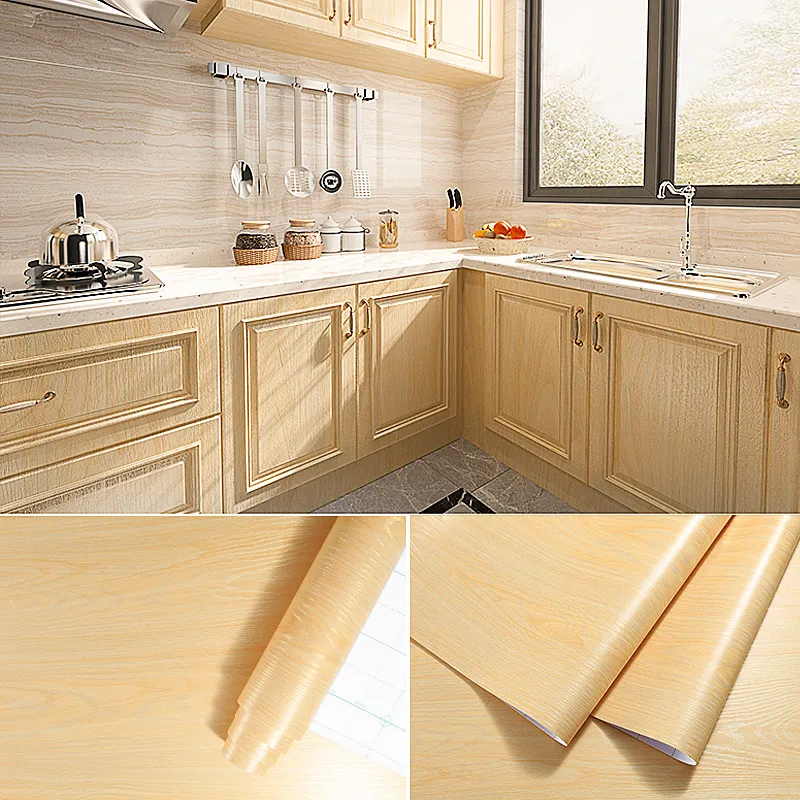
This guide explains benefits, real-world uses, and how to choose the right option—from film structure and surface finish to adhesion, compliance, and OEM customization. You’ll also find selection checklists and common pitfalls to avoid, helping you specify PVC film with confidence for residential and commercial door/window applications.
PVC film is a thin, engineered sheet made from polyvinyl chloride. In doors and windows, it is typically used as a decorative and protective layer applied onto substrates such as MDF, plywood, WPC, aluminum, PVC profiles, or composite boards. Depending on the application, the film can be produced through processes like calendering and then finished with printing, embossing, and functional coatings.
Key idea: A well-matched PVC film system is not just “a pretty layer”—it is a controlled surface package that can improve scratch resistance, stain resistance, moisture performance, and visual consistency across mass production.
✔ Used for interior doors, wardrobes, window trim, profile wrapping, partitions, and decorative panels.
Compared with painting or veneer, PVC film can provide more consistent color and pattern across multiple production lots—especially important for project-based orders where doors, window frames, and trims must match under different lighting. Prints like wood grain, stone, solid colors, and metal effects can be replicated with stable process control.
Door surfaces get handled constantly. PVC films are commonly selected for wipe-clean performance—helping reduce visible fingerprints, light staining, and everyday wear. The right top-layer finish (matte, soft-touch, glossy, embossed) can also hide micro-scratches better than some painted systems.
For bathrooms, laundry areas, coastal climates, and high-humidity buildings, PVC film can help protect the substrate from moisture ingress—especially when edges and seams are treated correctly. This is a major reason it is widely used in interior decoration and building materials.
Large-scale door and window production depends on predictable unit cost and stable lead times. PVC film wrapping/lamination can reduce finishing steps, minimize rework, and support automated production, which is helpful for OEM supply chains and project delivery schedules.
Modern interiors often demand specific “looks”: Scandinavian light wood tones, minimal matte solids, stone-inspired neutrals, or premium tactile finishes. PVC film can be produced with embossing and specialty textures to match these trends without the maintenance complexity of natural materials.
Where the value shows up most: project housing, hotels, apartments, offices, hospitals, and schools—anywhere you need uniform appearance, easy cleaning, and controlled budgets.
⚑ For premium “touch” on cabinet doors and interior doors, consider soft-touch and embossed options to increase perceived quality without major cost jumps.
PVC decorative film is frequently laminated on MDF or composite panels for interior doors. Popular choices include wood grain film for natural warmth, matte solids for minimal design, and textured finishes to reduce visible fingerprints.
For window trims and decorative profile wrapping, films should be chosen based on forming performance, adhesion, and weather exposure. Depending on whether the application is indoor trim or near sunlight/heat, you may also need UV and heat resistance options to prevent color shift.
In many interior projects, the goal is to make doors and windows visually consistent with skirting and wall finishes. Coordinated surface solutions reduce design risk and simplify procurement. For example, using a matching PVC skirting film can help maintain a uniform tone across door frames, baseboards, and panels.
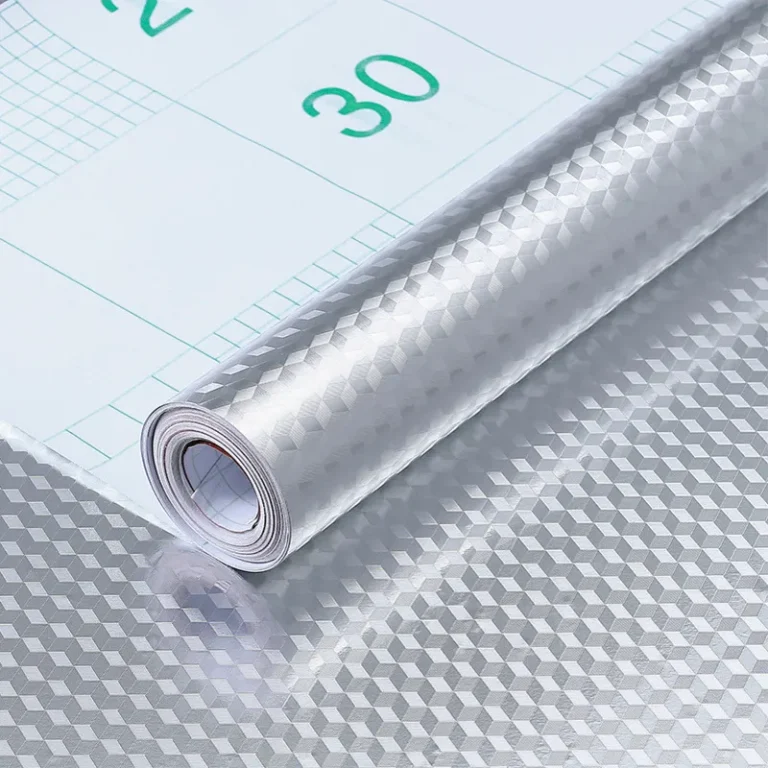
When the design brief calls for a higher-end tactile feel, textured films can deliver “material depth” without complex fabrication. Options like 3D silk texture film are often used to elevate interior doors, wardrobe fronts, and decorative window trims where touch and appearance matter.
In renovation workflows, PVC films are also used as surface upgrades to refresh older panels. Choosing the right adhesive system and surface preparation becomes critical here—existing coatings, dust, or oils can reduce bonding performance and lead to edge lifting.
Calendered film is widely used because it supports stable thickness control and scalable output. For industrial door and window programs, it is often selected to ensure consistent rolls, controlled shrinkage behavior, and predictable processing in lamination/wrapping lines. If you’re comparing base film options, start with specifications aligned to calendered film performance requirements.
Decorative films can be printed and embossed to create specific patterns and tactile effects. For door and window aesthetics, wood grain is a classic choice, while minimalist interiors often choose matte solid colors. In luxury projects, marble and metal effects can be used selectively for trim features or accent panels.
Selecting surface feel is not only about appearance; it affects scratch visibility, cleaning behavior, and perceived quality:
Glossy: bright and premium-looking, but may show fingerprints more easily.
Matte: modern and calmer; often more forgiving for daily touch points.
Soft-touch: high-end feel; great for interior doors/wardrobes when comfort matters.
Embossed: adds depth; can hide minor wear and increase realism in wood/stone patterns.
Some projects require functional surfaces—such as anti-static (for electronics-related facilities), anti-fog (select interior uses), or special coating requirements. These should be requested early because coatings can impact adhesion, forming performance, and cleaning compatibility.
Start by classifying the exposure conditions. A film used on an interior bedroom door differs from one used near a sunlit window bay or in a steamy bathroom. Clarify:
Thickness impacts forming, stiffness, and perceived quality. Thicker films can feel more substantial and may handle deeper embossing, while thinner films may be easier to process on certain profiles. Ask your supplier for recommendations based on:
Many PVC film failures are not “film problems”—they are adhesion system mismatches. Confirm the bonding approach (hot-melt, solvent-based, water-based, PUR, self-adhesive) and validate it with trials on your real substrate. If you are doing profile wrapping, check heat activation window and post-form shrinkage behavior.
⚠ Selection warning: If a film has a special coating (anti-fingerprint, anti-static, etc.), confirm compatibility with your adhesive before you lock the specification.
Practical step: run a small pilot, then perform peel/adhesion checks after 24–72 hours and after heat/humidity conditioning.
Doors are touched more than many other surfaces, so stain visibility matters. In bright corridors and hotel lobbies, gloss can show fingerprints and micro-scratches; matte or light texture often looks cleaner longer. For “premium feel” on interior doors, soft-touch can increase perceived value—especially in residential and hospitality projects.
If your job requires matching doors, window trim, skirting, and wall panels, confirm color under multiple light sources (warm indoor light, daylight, and cool LEDs). Request control samples and define acceptance criteria for ΔE (color tolerance) if your customer is strict.
For interior building materials, compliance matters. Ask for documentation such as ISO system management, REACH/RoHS alignment, and material safety declarations. For projects with sensitive requirements (healthcare, childcare, food-related zones), confirm that inks and additives meet the relevant restrictions and that third-party test reports are available.
Before approving bulk rolls, align on measurable checks. These help reduce claims, rework, and on-site replacement:
If you are sourcing at scale, customization is often the difference between “usable” and “optimized.” A capable manufacturer can support custom thickness, width, roll length, color/pattern printing, embossing, and packaging. To speed up quotation and sampling, prepare:
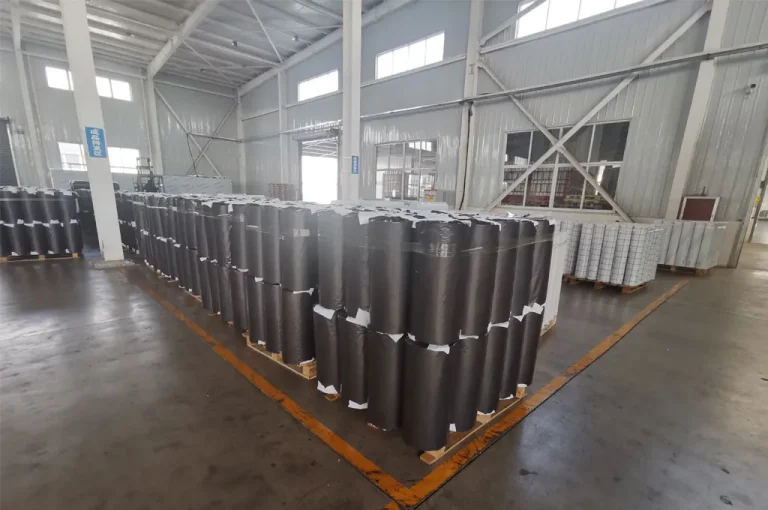
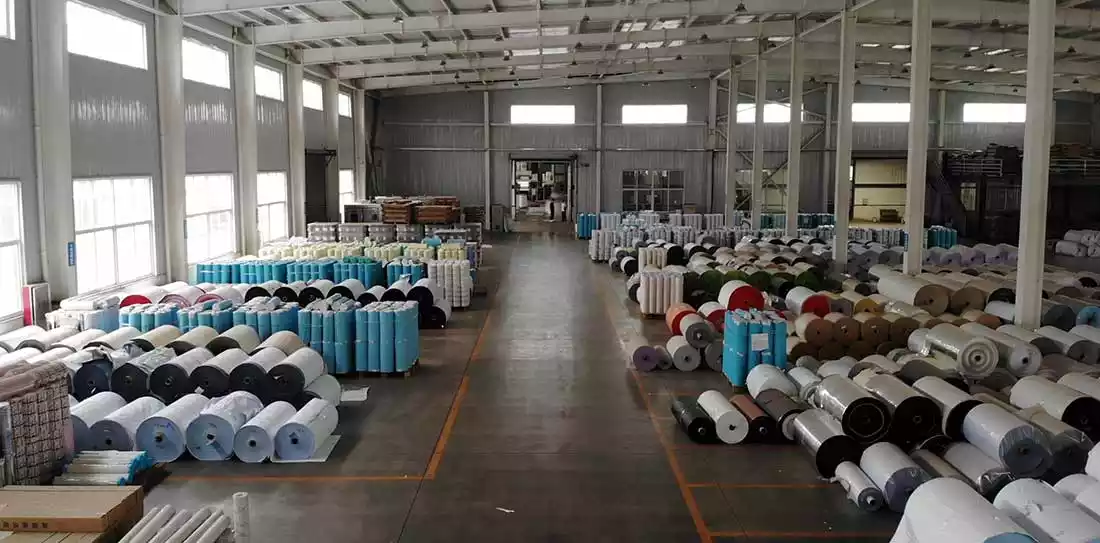
Why full-process production matters: when calendering, printing, and slitting/packaging are controlled in one workflow, suppliers can better manage batch traceability, lead time, and consistency.
Packaging tip: confirm protective wrap (dust-proof PE film or kraft paper) and clear roll labels to prevent transit damage and mix-ups.
A film can look perfect on a sample board but fail on your production line. Always validate forming behavior, adhesion, and aging performance with your exact substrate and equipment settings.
Doors and window trims have corners, grooves, and cut-outs. If the profile radius is too tight for the chosen film thickness/structure, you may see stress whitening, rebound, or lifting. Coordinate film selection with profile design early.
Define measurable standards (color tolerance, gloss range, defect limits, packaging method). This reduces disputes and keeps quality consistent across shipments.
Q1: Is PVC film suitable for both doors and windows?
Yes. It is widely used for door panels, frames, trims, and decorative window components. The key is selecting the correct structure/finish for the exposure conditions and bonding method.
Q2: What finish is best for high-traffic doors?
Matte or lightly textured finishes are often preferred because they help reduce fingerprint visibility and hide minor wear better than high gloss in many real-world settings.
Q3: Can PVC film be customized for color, pattern, and roll size?
Yes. OEM/ODM options commonly include thickness, width, roll length, printing pattern, embossing, and packaging—especially for project-based door and window programs.
Q4: How do I reduce the risk of edge lifting after lamination?
Validate adhesive compatibility, ensure clean substrate preparation, test forming parameters, and run heat/humidity aging checks before mass production. Edge design (radii) should also match film capability.
Q5: What should I request from a supplier before placing a bulk order?
Ask for samples, test data (thickness, adhesion, aging), compliance documentation (as required), and packaging details. Align acceptance standards for color, gloss, and surface defects.