Address
304 North Cardinal St.
Dorchester Center, MA 02124
Work Hours
Monday to Friday: 7AM - 7PM
Weekend: 10AM - 5PM
Address
304 North Cardinal St.
Dorchester Center, MA 02124
Work Hours
Monday to Friday: 7AM - 7PM
Weekend: 10AM - 5PM



PVC film is widely used in modern food packaging because it is clear, flexible, and reliable for everyday wrapping and overwrapping.
Whether you are a retailer, food processor, distributor, or a brand building a private-label wrap, understanding how PVC film performs—and how to choose the right specification—helps you protect freshness, reduce waste, and stay compliant with safety standards.
This guide explains benefits, common uses, safety considerations, and a practical checklist for selecting the right PVC food packaging film.
PVC (polyvinyl chloride) food packaging film is a thin, flexible plastic film used to wrap foods and seal trays.
It is commonly produced as calendered film (a process that delivers uniform thickness and excellent optical clarity), then finished with specific formulations and optional coatings to match the packing method and food type.
For many fresh-food applications, PVC film is valued for its strong “cling,” easy handling, and professional presentation at point of sale.
✔ Key idea:
“Food-grade PVC film” is not just a material name—it’s a combination of safe formulation, process control, and compliance documentation for the intended food-contact use.
Food presentation matters—especially for fresh produce, meat trays, bakery items, and deli foods.
PVC film is known for high transparency and gloss, making products look clean and appealing under store lighting.
Clear visibility also helps reduce handling, because customers can inspect items without opening packaging.
PVC wrap typically provides consistent cling, helping it conform around irregular shapes and remain sealed on trays.
This improves packing speed and reduces rework in high-throughput environments such as supermarkets, central kitchens, and fresh food suppliers.
With the right formulation and thickness, PVC film can seal smoothly on common trays and reduce edge lifting.
A stable seal supports leak resistance and helps keep products neat during transport and shelf display.
For many standard fresh-food workflows, PVC film offers a strong cost-to-performance balance.
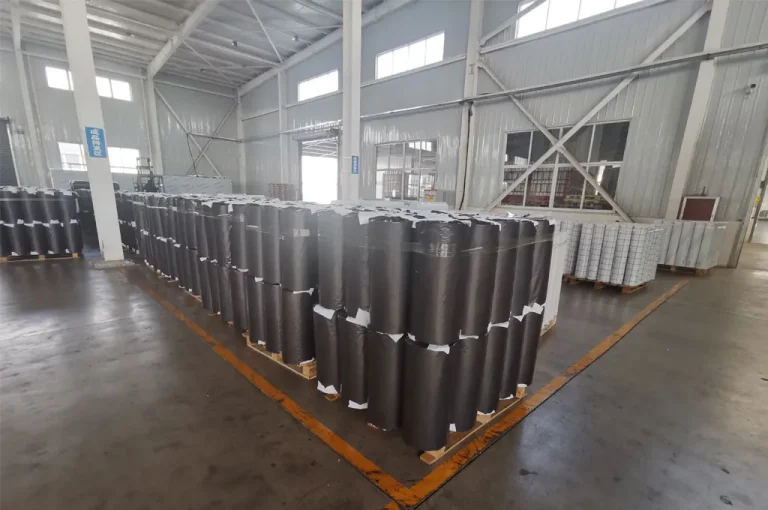
When films are produced with full process control (calendering, optional printing, slitting, and export-ready packing), lead times and quality consistency can improve—especially for recurring orders.
Tip:
If you need stable thickness and predictable optics for automated packing, start your evaluation with a calendered film base and then confirm food-contact compliance and sealing behavior on your trays.
PVC film is used across multiple packaging formats and product categories.
The best choice depends on food temperature, moisture/oil content, storage conditions, and whether the wrap touches food directly or only contacts the tray.
PVC overwrap is commonly applied on foam or rigid trays in retail.
The film’s cling helps maintain a tight surface appearance and reduces loose corners.
For high-drip products, choosing an appropriate thickness and confirming seal quality are essential to prevent leaks during handling and display.
For fresh produce, packaging goals often include minimizing dehydration and providing clean visibility.
In practice, you will balance wrap tightness with the product’s natural respiration and moisture behavior.
Always test with your specific produce type, because surface moisture and temperature swings can affect fogging and cling.
PVC film can help keep bakery items protected from dust while maintaining an attractive, glossy presentation.
For ready-to-eat foods, it’s especially important to verify food-contact compliance and ensure the film is suitable for the expected storage temperature range.
In food service operations, wraps are used for portioning, covering containers, and short-term storage.
Selection typically prioritizes easy tearing, stable cling, and dependable performance in busy prep environments.
★ What to document for each use-case:
food type, contact mode (direct/indirect), temperature range, storage time, packing method (hand wrap vs. machine), tray material, and required compliance market (FDA/EU/REACH, etc.).
PVC film can be safe for food packaging when it is manufactured with a compliant formulation and verified through quality control and testing.
“Safety” is not a single claim—it depends on migration limits, additive selection, and intended use conditions (temperature, fat content, contact duration).
Reputable suppliers provide documentation and third-party reports for the target market.
For procurement and compliance teams, food-grade PVC film should come with clear specifications and supporting files such as:
material declarations, compliance statements, and test reports aligned with your destination market.
Many buyers also require management-system evidence such as ISO quality and environmental certifications.
Important:
Safety depends on matching film performance to real use:
fatty foods, high heat, and long contact times may require specific formulations and stricter verification.
Always confirm your local regulatory requirements and request supporting documents from the supplier.
Depending on where you sell, you may need evidence aligned to standards such as FDA-related requirements, EU framework regulations, or chemical-restriction programs (e.g., REACH/RoHS).
Many professional manufacturers also provide statements that the film is free of heavy metals and restricted phthalates, along with batch traceability.
If you are building a supplier list, you can review general company information and capabilities on the About Us page and confirm which certificates/test reports are available for your specific film grade.
Choosing PVC film is easier when you convert “nice-to-have” features into measurable requirements.
Below is a field-tested checklist you can use for RFQs, sampling, and production approval.
Hand wrapping often prioritizes easy tear, steady cling, and forgiving handling.
Machine wrapping typically demands tighter tolerances, smooth unwinding, consistent stretch, and stable sealing behavior across different shift conditions.
If you are unsure, request samples optimized for both and run side-by-side trials.
Thickness affects strength, puncture resistance, and perceived quality.
In general, heavier or sharp-edged items and high-drip trays benefit from a more robust gauge, while lighter dry items can use thinner film to save cost.
Your supplier should be able to hold thickness within a controlled tolerance and provide inspection records.
Cling and sealing are highly dependent on tray material, tray shape, and packing temperature.
Run tests with your actual trays and workflow, including:
seal integrity, corner lift, leak incidents, and appearance after refrigeration.
Condensation can reduce shelf appeal and customer confidence.
If your products move between warm prep areas and cold display, ask about anti-fog options and test under real temperature swings.
Also assess optical clarity under your store lighting—gloss, haze, and distortion can vary by formulation and thickness.
Food packaging film should not introduce off-odors or affect taste.
Ask about raw material controls, clean packaging, and how rolls are wrapped for dust protection.
Strong QA programs often include batch traceability and multiple checkpoints from raw materials to finished rolls.
Many suppliers can support printed marks, private labeling, and export-ready packaging.
If you require OEM/ODM customization (width, roll length, core size, carton design), confirm these details early to avoid rework.
For buyers exploring broader film solutions beyond food wrap, the Product catalog can help you compare different PVC film families and finishing options.
✔ RFQ mini-template:
Film type (food-grade PVC), thickness, width, roll length, core ID, gloss/haze target, cling level, anti-fog requirement, sealing method, intended food types, temperature range, destination market compliance, and annual volume.
These properties determine how well the film survives handling, stacking, and sharp tray edges.
Practical tests include drop/handling trials on packed trays and checking for pinholes or tears after refrigeration.
Film that unwinds smoothly reduces operator fatigue and machine stoppages.
Inspect roll edges, winding tightness, and whether the roll telescopes or blocks.
Consistent roll quality usually reflects strong slitting and packaging control.
Many wraps look great at room temperature but change in cold display.
Validate appearance after chilling: clarity, fogging, and seal integrity around corners.
★ Practical trial plan:
Run a 3-step test—(1) pack at normal speed, (2) chill for 12–24 hours, (3) simulate customer handling—then record seal lift, leaks, fogging, and visual appeal under retail lighting.
Sustainability in food packaging is a combination of reducing waste, using materials responsibly, and selecting fit-for-purpose packaging.
PVC film can contribute by helping extend freshness and reduce food waste when properly matched to the product and distribution chain.
For responsible sourcing, look for suppliers with environmental management systems, stable quality control, and transparent material compliance documentation.
You can also improve sustainability by optimizing film thickness (avoiding over-spec), reducing packaging errors that lead to rewrap, and using right-sized rolls to minimize scrap.
Film performance depends on the entire chain: formulation, calendering, optional printing, slitting, and protective packing.
A supplier with full-process control can often deliver:
more consistent thickness, stable optics, and predictable lead times.
This matters when you are scaling from trials to regular shipments, or when multiple branches need the same wrap quality.
If your project requires OEM/ODM options (size, color, printing, packaging) and documentation for export markets, confirm capabilities early and align on acceptance criteria.
For common buyer questions about samples, MOQ, compliance, and lead time, the FAQ section is a useful reference point before you request a quotation.
✔ Buyer’s takeaway:
The “right” PVC film is the one that meets your food-contact compliance needs, performs on your trays and workflow, and stays consistent batch after batch.
Yes—when it is produced as a food-grade film and supported by compliance documentation and test reports for your target market.
Always confirm suitability for your specific food type and temperature conditions.
It can be, but fatty foods often require stricter verification because migration behavior depends on formulation and contact time.
Request the appropriate compliance statements and test data for the intended use.
Match thickness to handling risk: heavier items, sharp edges, and high-drip trays typically need stronger film.
The best method is sampling under real packing speed and refrigeration, then evaluating tears, leaks, and appearance.
Ask for: specification sheet (thickness/width/roll length), compliance documents for your destination market, QC method and tolerances, sample lead time, production lead time, and export packing details.
Many manufacturers support OEM/ODM options such as roll size, thickness, surface treatment (e.g., anti-fog), printing, and carton labeling—confirm capabilities and test the final specification before scaling.