Address
304 North Cardinal St.
Dorchester Center, MA 02124
Work Hours
Monday to Friday: 7AM - 7PM
Weekend: 10AM - 5PM
Address
304 North Cardinal St.
Dorchester Center, MA 02124
Work Hours
Monday to Friday: 7AM - 7PM
Weekend: 10AM - 5PM


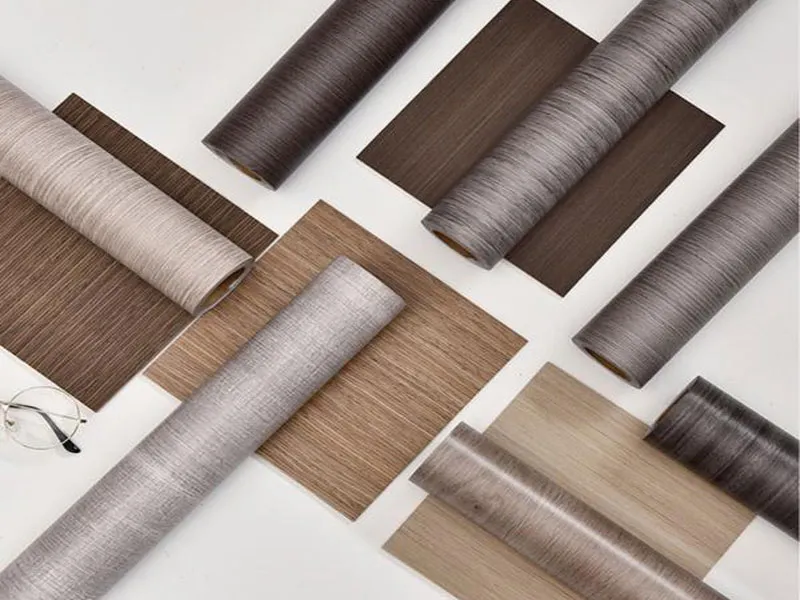
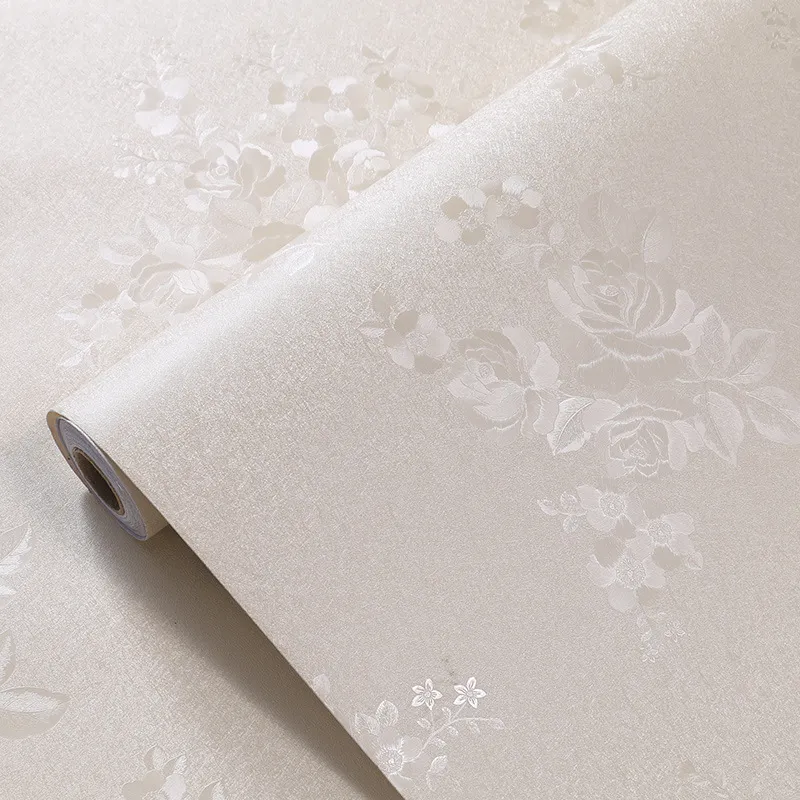
PVC film for furniture is one of the most practical ways to achieve consistent color, modern textures, and durable protection on cabinets, wardrobes, tables, wall panels, and trim. Whether you are manufacturing at scale or upgrading a project finish, the right PVC decorative film can deliver a premium look (wood, stone, metal, solid color, soft-touch) while improving scratch resistance, moisture tolerance, and day-to-day cleanability.
Key idea:
choosing PVC film is not only about pattern. The best results come from matching finish (gloss/matte/embossed), base material (MDF/particle board/plywood), environment (kitchen, bathroom, commercial), and application method (lamination, wrapping, self-adhesive).
PVC film is a thin polyvinyl chloride sheet engineered for decoration and surface protection. In furniture production, it is commonly applied to boards and profiles to create a stable, repeatable finish—especially important for high-volume cabinet doors, wardrobe panels, office furniture, hotel casegoods, and retail fixtures.
PVC film helps manufacturers deliver consistent color across batches and repeatable texture across doors, panels, and edge-wrapped parts.
It is also a strategic solution when you need faster lead times, lower waste, and easy maintenance compared with some painted finishes and natural veneers.
PVC film is used across both residential and commercial furniture because it can be engineered for different visual styles and functional needs. Below are the most common applications—and what to prioritize for each.
| Application | Typical film choices | Performance priorities |
|---|---|---|
| Kitchen cabinet doors | Matte, gloss, wood grain, anti-oil easy-clean | Stain resistance, abrasion resistance, heat & moisture tolerance |
| Wardrobes & closets | Wood grain, glossy solid colors, soft-touch | Scratch resistance, color consistency, anti-fingerprint |
| Bathroom vanities | Waterproof films, stone/marble looks | Water resistance, easy cleaning, mold-risk reduction |
| Office furniture | Solid colors, brushed/metal textures, wood grains | Wear resistance, uniform appearance, maintenance ease |
| Panels, trims & skirting | Wood/solid color, embossed textures | Impact resistance, color match to doors/flooring |
If you are selecting a base film for printing and decorative furniture surfaces, a common starting point is Calendered Film, which is widely used due to stable thickness control and suitability for further processing (printing, embossing, lamination).
PVC film delivers repeatable color and grain from door to door, batch to batch. This helps when a project requires perfect matching across multiple rooms or replacement panels later.
A well-chosen film improves resistance to scratches, scuffs, and stains, making it suitable for high-touch surfaces like cabinets, drawers, and desks.
For bathrooms, laundry rooms, and kitchens, choosing a film designed for humidity can reduce edge swelling risk on boards when paired with correct sealing and lamination.
Compared to multi-step painting, film lamination can streamline workflow. End users benefit from surfaces that wipe clean with mild cleaners—ideal for rental properties and hospitality furniture.
Tip (quality & compliance):
For indoor furniture, prioritize films produced with low-odor, safer ink systems and request compliance documentation when needed (such as REACH/RoHS/FDA-related requirements for specific use cases).
“The right finish” is what makes the same color look premium or average. It also influences fingerprints, cleaning marks, scratch visibility, and how the surface reflects light in a room.
Glossy films amplify lighting and make small spaces feel larger—popular for modern kitchens and wardrobes. However, high gloss can show fingerprints and micro-scratches more easily, so it is best when paired with good abrasion resistance and proper cleaning habits. If you are targeting a wardrobe door look, explore options like Glossy Wardrobe Film.
Matte finishes reduce glare, suit warm interior palettes, and typically hide small wear better than high gloss. For family homes, rental apartments, and office furniture, matte can be a balanced choice between style and day-to-day maintenance.
Embossing adds tactile realism—especially for wood grains, cloth grains, brushed looks, and 3D effects. Texture also helps reduce fingerprint visibility and can make “solid colors” feel more expensive. For a refined tactile option, consider 3D Silk Texture Film.
Wood grain PVC film is widely used because it delivers the warmth of wood with consistent tone and fewer defects than natural veneer. It is especially helpful when you want to coordinate cabinets, wall panels, and trims in one project. A strong starting point is Wood Grain Film, available in many grains, tones, and embossing choices.
Use the checklist below to select a film that looks right, performs well, and runs smoothly on your production line.
Kitchen:
prioritize easy-clean, stain resistance, and stable color. Matte hides fingerprints; gloss looks sleek but needs better care.
Bathroom:
prioritize waterproof performance, sealed edges, and surfaces that resist soap scum and humidity.
Commercial/office:
prioritize abrasion resistance, consistent appearance, and easier maintenance for high-traffic use.
A high-quality film can still fail if processing is wrong. Most furniture PVC films are applied by lamination or profile wrapping, where adhesion, pressure, and temperature control are crucial.
Maintenance note:
clean with mild soap and a soft cloth; avoid abrasive pads and harsh solvents. For matte and soft-touch surfaces, use gentle cleaning to preserve the uniform sheen.
When sourcing PVC film for furniture, treat it like a functional surface material, not just decoration. Ask for performance data, batch traceability, and clear agreements on color matching and tolerances.
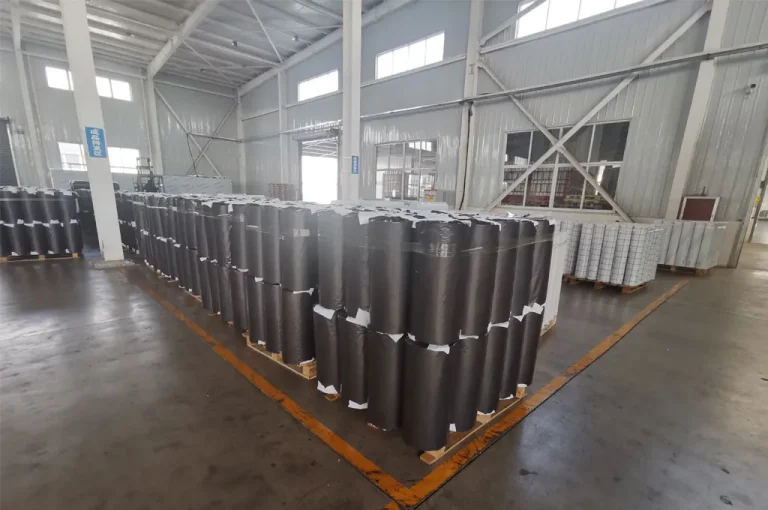
A supplier with integrated calendering, printing, and slitting/packing can reduce lead time and improve consistency by controlling the full workflow.
Also confirm packaging standards (dust-proof wrap, kraft paper options, labels) to protect rolls during export shipping and warehousing.
If you want broader learning resources or product references, you can also explore the supplier’s library at
https://pvcfilmtec.com/knowledge/
and verify ordering or technical questions via the
Contact page.
Beyond technical specs, your pattern and color decisions should support how people actually live with the furniture. In many markets, customers want finishes that are easy to keep looking new—especially in kitchens, kids’ rooms, and rental apartments.
Yes—when you choose a film designed for cabinetry and pair it with correct lamination/wrapping. Prioritize easy-clean, stain resistance, and stable adhesion at edges and corners.
Matte and textured finishes typically hide fingerprints better than high-gloss. Embossed textures can also reduce visible smudges and small scratches.
Keep substrates clean and dry, use compatible adhesives, control temperature/pressure/speed during lamination, and ensure proper curing before stacking. Edges require extra attention because they carry the highest mechanical stress.
Yes. Many manufacturers support OEM/ODM customization for thickness, width, roll size, colors, patterns, embossing, and functional coatings (such as anti-static or easy-clean).
Ask for product specifications, batch traceability, test reports for key performance items, and compliance documents relevant to your market (commonly REACH/RoHS and quality management certifications where applicable).