Address
304 North Cardinal St.
Dorchester Center, MA 02124
Work Hours
Monday to Friday: 7AM - 7PM
Weekend: 10AM - 5PM
Address
304 North Cardinal St.
Dorchester Center, MA 02124
Work Hours
Monday to Friday: 7AM - 7PM
Weekend: 10AM - 5PM


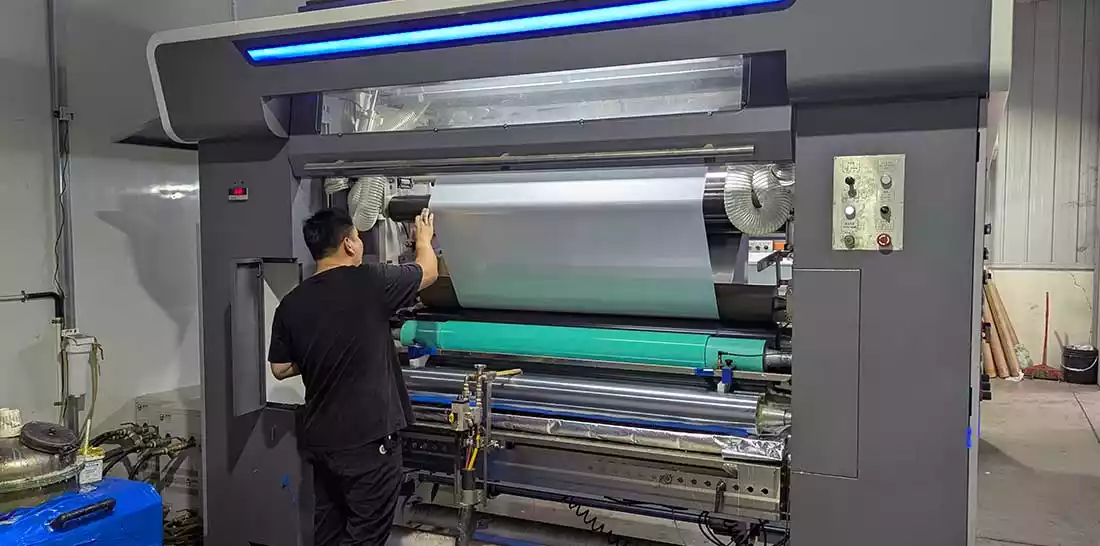
PVC film lamination sheets are a core material behind crisp, long-lasting photo IDs—used in employee badges, student cards, membership cards, access control passes, and many other identification applications. When the lamination layer is engineered correctly, it does more than “cover” the print: it protects color density, improves handling comfort, and helps the card keep its professional look after thousands of taps, swipes, and daily friction.
This guide explains how PVC film for ID cards works, what specifications matter most, how to choose the right lamination sheet for your printer and workflow, and how manufacturers maintain consistent quality at scale—so you can get reliable card performance without trial-and-error.
Polyvinyl chloride (PVC) remains one of the most widely used polymers in card manufacturing because it balances clarity, flexibility, processability, and cost. For ID applications, the lamination film is typically designed to deliver:
Key benefits of PVC lamination sheets
For organizations producing IDs in volume, PVC film also supports consistent converting—calendering, printing, and slitting—so the final sheet size and thickness remain uniform from batch to batch. That consistency translates directly to fewer printer jams, cleaner edges after cutting, and fewer rejected cards.
A high-quality photo ID depends on both the print layer and the protective layer above it. Lamination changes how the card behaves in real-world use—especially in high-contact environments like corporate turnstiles, dormitory entrances, gyms, hospitals, exhibitions, and public transportation systems.
Hands, pockets, lanyards, and card readers all contribute to surface wear. A well-formulated PVC lamination sheet forms a durable barrier that reduces surface scratching and helps keep the printed portrait and text intact. It also lowers the risk of smudging from skin oils or incidental moisture exposure.
Many IDs include QR codes, 1D barcodes, serial numbers, or fine typography. A clear lamination layer helps maintain contrast and sharpness. When the film’s haze is low and thickness is controlled, scanners read more reliably, and visual inspection is easier for staff.
Lamination can be tuned to the desired stiffness and hand-feel. Some card programs prefer a slightly more rigid badge for access control durability; others want flexibility to reduce cracking under bending. The lamination layer plays a major role in achieving that balance.
Tip: If your ID cards are frequently used with readers, prioritize a lamination film engineered for scratch resistance and stable thickness tolerance to reduce scan failures and edge wear.
In industrial manufacturing, PVC films can be produced using different processes. For ID-card lamination, calendered PVC film is common because it enables high throughput and consistent roll-to-roll properties. If you’re evaluating base film options, you can review calendered film characteristics here:
https://pvcfilmtec.com/product/calendered-film/
Clear PVC film is the standard choice for photo IDs because it preserves color fidelity and supports machine readability. Key considerations include haze, gloss level, thickness tolerance, and bonding performance with the card core.
For IDs often checked under strong lighting—front desk counters, security gates, event entrances—matte or anti-glare surfaces can reduce reflections. This makes the portrait and printed information easier to verify, especially on mobile checks or handheld scanners.
While most official IDs prioritize clarity, some membership or promotional cards use subtle textures to enhance tactile feel and branding. For reference, manufacturers also produce specialty texture films (commonly used in interiors and decorative applications), such as:
https://pvcfilmtec.com/product/3d-silk-texture-film/
—these are generally not used as standard ID laminates but show what’s possible when you need a differentiated surface.
Choosing “PVC film” is only the start. ID-card results depend on how the film is specified and controlled. Below are the most important technical factors buyers and card program managers should confirm.
Thicker lamination generally increases surface protection and rigidity, while thinner lamination can help maintain flexibility and reduce overall card thickness if you’re constrained by ISO card standards or specific reader tolerances. The ideal choice depends on whether the card is a low-contact membership card or a high-contact access badge.
Poor optics can make a high-resolution photo look dull and can reduce barcode contrast. Ask suppliers for measurable optical data (such as haze targets) and keep acceptance testing consistent across lots—especially if your ID program uses centralized printing for multiple branches.
Glossy finishes typically maximize color vibrancy and perceived sharpness. Matte finishes can improve real-world legibility under glare and reduce fingerprint visibility. In many programs, glossy is preferred for photo quality, while matte is preferred for frequent inspection environments.
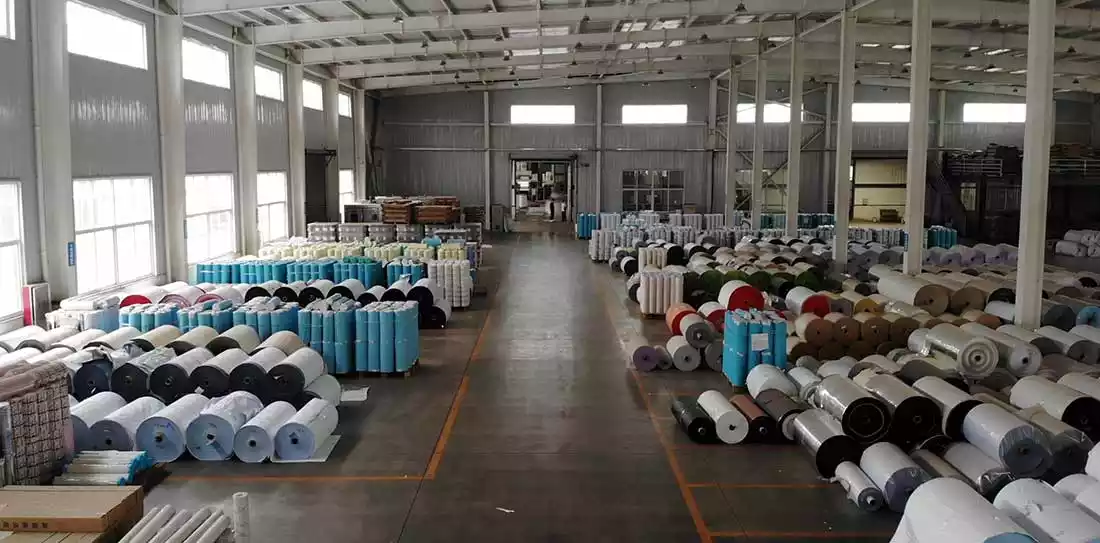
For card issuers and distributors, consistency is as important as raw performance. A supplier with integrated production—calendering, printing, and slitting/packaging—can control more variables that influence your final card results. This helps minimize batch-to-batch variation in thickness, roll tension, surface feel, and bonding behavior.
Pulivk Film operates complete production lines covering calendering, printing, and slitting/packaging—supporting transparent, matte, embossed, pearlescent, colored, anti-static, self-adhesive, and multilayer composite films. This end-to-end capability helps shorten lead times while maintaining process stability.
Not every ID program has the same requirements. A university may need fast issuance and easy reprints; a manufacturer may need badges that survive harsh handling; a hospital may prioritize cleaner surfaces and frequent wiping. OEM/ODM customization can align the film with your exact process and usage environment.
Procurement note: When comparing quotes, ask for lot traceability and QC checkpoints (raw materials → in-process tests → finished-roll inspection). It’s often the difference between stable production and recurring card defects.
ID cards are handled daily and often used indoors for years. For that reason, many buyers prioritize films made with safer formulations and documented compliance. Pulivk Film states its materials are free of heavy metals and phthalates and can comply with management systems and regulations such as ISO 9001, ISO 14001, REACH, RoHS, and FDA, with third-party test reports available upon request.
If you supply cards into regulated environments (education, healthcare, public facilities, or international distribution), keeping compliance documentation organized can also reduce delays during audits or import clearance.
Even the best lamination film can underperform if it’s stored incorrectly or processed outside the recommended window. While exact settings depend on your equipment, these operational habits help maintain stable results:
A dependable supplier should provide not only film, but also the data and support you need to run production smoothly. Before placing repeat orders, confirm the supplier can support your delivery model (trial orders vs. bulk), your target lead time, and your quality expectations.
If you need to explore broader PVC film categories, product options, and application knowledge, you can browse:
https://pvcfilmtec.com/product/
and technical articles at
https://pvcfilmtec.com/knowledge/.
For certifications, lead time, MOQ, or shipping questions, the FAQ page can also be useful:
https://pvcfilmtec.com/faq/.
In photo ID printing, lamination is not an afterthought—it is a performance layer. The right PVC film improves clarity, protects printed information, increases wear resistance, and reduces reject rates in production. By focusing on measurable specs (optics, thickness tolerance, bonding behavior), verifying QC discipline, and aligning the finish with real-world usage, you can produce IDs that remain readable, professional, and durable throughout their service life.
PVC film is a thin polyvinyl chloride sheet used to protect and enhance printed layers. In ID cards, it is valued for clarity, durability, and stable processing during lamination.
Glossy typically gives stronger color and sharper-looking portraits, while matte reduces glare and hides fingerprints better. Choose based on how the IDs are checked (bright counters vs. controlled indoor lighting) and how frequently they are handled.
Common causes include dust contamination, incorrect heat/pressure/time settings, incompatibility between film and card core, or unstable thickness. Testing samples under your normal process conditions is the fastest way to confirm the correct film specification.
Yes. Many suppliers support OEM/ODM customization for thickness, width, roll size, surface finish (glossy/matte/functional), and packaging—so the film matches your equipment and durability targets.
Many do. Request documentation such as REACH/RoHS status, ISO management certifications, and available third-party test reports—especially if you distribute IDs across multiple regions or regulated industries.