Address
304 North Cardinal St.
Dorchester Center, MA 02124
Work Hours
Monday to Friday: 7AM - 7PM
Weekend: 10AM - 5PM
Address
304 North Cardinal St.
Dorchester Center, MA 02124
Work Hours
Monday to Friday: 7AM - 7PM
Weekend: 10AM - 5PM


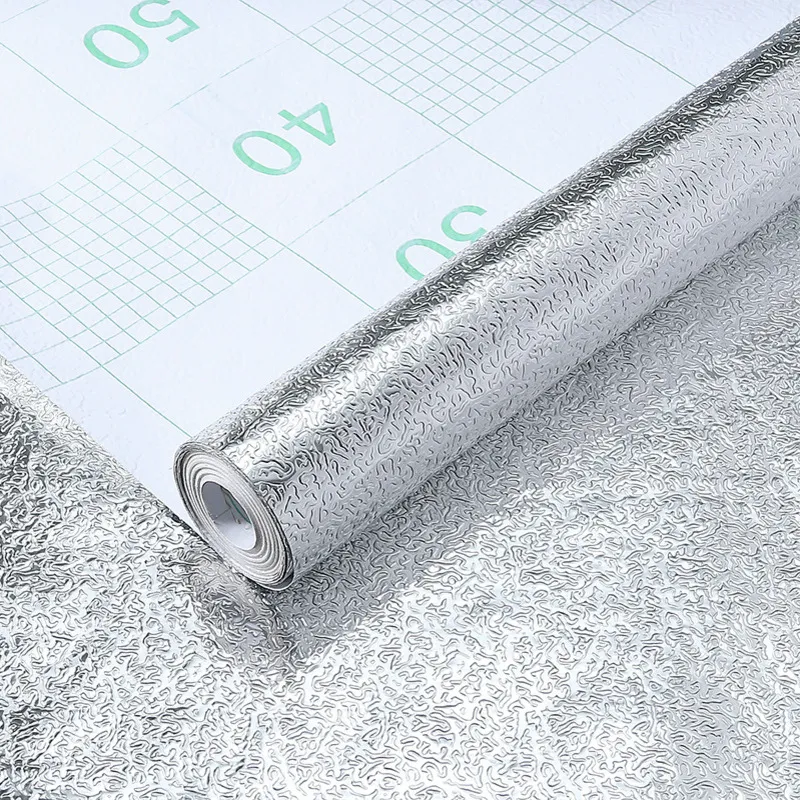
PVC film for printing is one of the most versatile materials used across furniture decoration, interior surfaces, advertising graphics, appliance panels, and functional labels. It combines stable print performance with a wide range of finishes—from high gloss to matte, from transparent to textured—making it easier to hit both visual and durability targets. This guide breaks down the most common PVC film types, the key features that matter in real production, and a practical method to choose the right material for your printing process and end-use environment.
Pulivk Film
focuses on PVC film R&D and manufacturing, offering calendered films, decorative films, floor films, soft-touch films, transparent films, and more—supported by complete in-house calendering, printing, and slitting/packing lines to control quality and lead time.
“Printable” PVC film is not just about whether ink can stick. A printing-grade film is engineered to keep color consistent, avoid defects (like pinholes, bubbles, or mottling), and remain dimensionally stable during printing, drying/curing, lamination, thermoforming, or installation. The film’s resin formulation, plasticizer system, calendering quality, surface energy, and coating options all influence how well it performs on different print technologies.
Key point:
A PVC film that prints beautifully on day one but shrinks, curls, or loses adhesion after installation is not “the right” printable film. Selection must match process + environment + lifetime.
Calendered PVC film is produced by passing PVC through calender rolls to form a uniform sheet. It’s widely used for decorative wrapping, wall and panel surfaces, signage, and protective layers. The best grades offer balanced thickness control, low shrinkage, and consistent surface quality—critical for repeatable printing results.
If you need a stable base film for most mid-to-high volume printing projects, start here:
Calendered Film.
✔ Best for: decorative furniture films, wall panels, advertising sheets, laminated prints, general-purpose graphics
⚠ Watch for: shrinkage under heat, plasticizer migration affecting ink/adhesives, insufficient surface energy for your ink set
★ Selection tip: specify thickness tolerance and heat shrink requirements if your job includes hot lamination or thermoforming.
Decorative PVC films are designed for visual realism and surface feel. Many are printed and embossed to mimic wood pores, stone veining, brushed metal, fabric weave, or 3D depth. When used as a printing substrate, the surface finish and emboss depth can influence dot gain, ink laydown, and perceived color.
Examples commonly used in furniture and interior decoration include:
Wood Grain Film
and
Marble Film.
Textured PVC films add tactile value and hide minor substrate imperfections. For printing, embossing can be an advantage (premium look) or a challenge (color variation on peaks/valleys). If you want a refined decorative texture that still supports high visual impact, review options like
3D Silk Texture Film.
Clear PVC film is common for overlays, protective windows, label layers, and packaging applications. Printing on transparent film often requires tighter control of haze, clarity, and surface cleanliness. Frosted or matte clear films add a soft diffusion effect and can hide fingerprints or backing imperfections.
Self-adhesive PVC film integrates a pressure-sensitive adhesive layer and release liner. It’s widely used for signage, quick renovations, and decorative applications where installation speed matters. Printing performance depends on the face film coating and how the adhesive system behaves under heat, UV exposure, and humidity.
Functional coatings can be added to solve specific problems: anti-static for electronics and clean environments, anti-fog for transparent covers, waterproof and stain-resistant surfaces for kitchens and bathrooms. These treatments can affect ink anchorage—so compatibility tests are essential.
Surface energy influences wetting: if ink beads up, you’ll see poor coverage, weak adhesion, and easy scratching. Many printing PVC films use surface treatment or a primer coating to stabilize ink anchorage. Always match film surface to your ink system (solvent, eco-solvent, UV, latex, water-based, screen inks, gravure inks).
Calendering quality and formulation control shrinkage. Stability is especially important for large-format graphics, registration-critical printing, and lamination. If you plan heat-assisted processing, request shrinkage data at your expected temperature range.
⚑ Practical check:
Ask for a trial roll and run a short production test including your dryer/curing settings, then measure edge curl and post-cure shrinkage after 24–48 hours.
Thicker films tend to be easier to handle and more durable, while thinner films conform better to curved surfaces and reduce cost. But too thin can cause feeding issues, stretching, or visible substrate imperfections. Define thickness based on both the printing line and the final application (flat panels vs. wrapped edges).
Finish changes how customers perceive color and quality. High gloss boosts saturation but reveals scratches. Matte reduces glare and hides wear. Soft-touch adds premium feel but may require special abrasion-resistant topcoats. Embossed textures can visually elevate surfaces but may reduce fine-detail print sharpness.
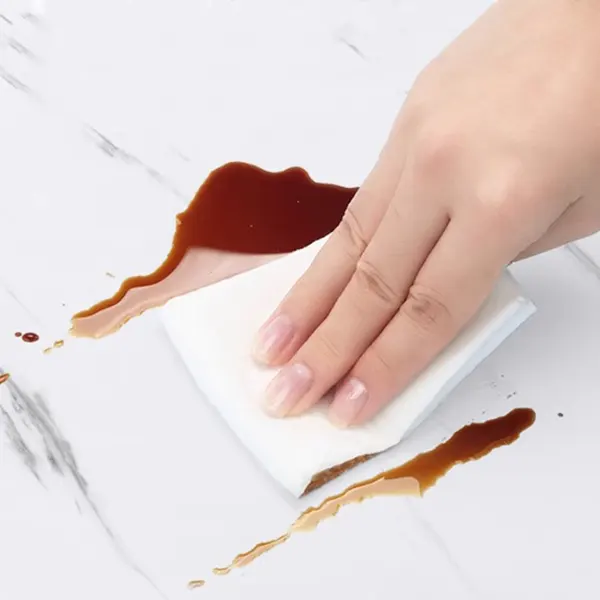
For kitchens, hospitals, public interiors, and retail spaces, printed PVC film must withstand frequent wiping and common chemicals. The correct topcoat can prevent ink damage and staining. If the film will face oils, detergents, alcohol wipes, or disinfectants, specify the cleaning protocol upfront.
Many markets require material compliance, especially for indoor environments and human-contact surfaces. Pulivk’s PVC films can be produced to meet requirements such as ISO systems and regulatory frameworks (e.g., REACH, RoHS, FDA depending on application). If you export, confirm compliance documents and test reports before mass production.
Start with where the printed film will live: indoor furniture surfaces, bathroom humidity, kitchen oil exposure, high-traffic flooring areas, electronics clean zones, or short-term promotional graphics. The environment determines required durability, cleaning resistance, and whether you need functional treatments (anti-static, waterproof, anti-fog).
Different inks demand different surface conditions. For UV printing, curing energy and surface chemistry must support strong crosslinking and adhesion. For solvent-based systems, the film must tolerate solvents without swelling, distortion, or long-term plasticizer interaction. For water-based systems, surface treatment and drying capacity matter more.
🔎 Quick matching guide:
Thickness affects durability, conformability, and cost. Width and roll length affect efficiency and waste. Also confirm core size, winding direction, and packaging method to protect the print surface (dust-proof wrapping and clear labeling help prevent handling errors).
If you’re matching a furniture collection, retail design guideline, or architectural sample board, request lab dips or color matching, and define the acceptable gloss range. For embossed decorative films, ensure the emboss pattern supports the intended design language (modern matte minimalism vs. realistic wood pores).
A proper trial should include: printing, curing/drying, stacking time, lamination (if any), cutting, and final application. Test adhesion, scratch resistance, and cleaning resistance. For projects that will face heat or sunlight, do accelerated aging checks (even simple in-house heat exposure tests can reveal curling risk).
Prioritize realistic appearance, scratch resistance, and long-term adhesion to substrates (MDF, plywood, metal panels). Wood grain and marble looks remain popular because they deliver a premium visual at controlled cost. If the film will be vacuum pressed or wrapped, stability and heat performance become critical.
Prioritize low odor, indoor safety compliance, stable color under lighting, and easy maintenance. Matte and solid-color decorative films are often selected for contemporary interiors. For minimalist projects, a clean finish with consistent gloss is more important than extreme texture depth.
Prioritize functional coatings (anti-static), clean surface, and tight thickness tolerance. Any migration or contamination can affect downstream adhesion or appearance on high-visibility appliance panels.
Prioritize flatness, print color pop, and production speed. For short-term campaigns, cost and ease of installation matter most; for repeated use displays, abrasion resistance and dimensional stability matter more.
Prioritize compliance, low contamination risk, consistent quality, and traceability. Printing must remain legible and durable under handling, with careful control of residues and surface cleanliness.
For stable mass production, treat PVC film like an engineered component, not a commodity. With OEM/ODM programs, you can customize thickness, width, roll length, color/pattern, surface finish (gloss/matte/soft-touch), and functional treatments (anti-static, anti-fog, food-grade coatings). Packaging can also be tailored (dust-proof PE wrap, kraft paper, individual roll labeling) to reduce damage and receiving errors.
📌 Recommended RFQ checklist:
For production planning, it also helps to confirm MOQ and lead time early. If you need fast coordination on specs, sampling, or quotations, use the official contact channel here:
https://pvcfilmtec.com/contact/.
Usually caused by low surface energy, incompatible ink, insufficient curing, or contamination (dust, silicone, oil). Prevention: confirm surface treatment/primer, run tape tests, optimize curing energy, and keep storage/handling clean.
Can be linked to uneven film surface, emboss interference, or unstable ink laydown. Prevention: choose a film grade designed for your print resolution, request consistent gloss control, and validate across multiple rolls.
Often driven by heat history and internal stress. Prevention: specify low-shrink film, avoid excessive drying heat, allow proper conditioning time, and validate after 24–48 hours rather than immediately off the press.
Surface dust, low-energy substrates, humidity, or wrong adhesive selection can lead to edge lifting. Prevention: match adhesive type to substrate, test at real site conditions, and confirm installation temperature range.
Even the best printable PVC film can fail if stored incorrectly. Keep rolls upright or properly supported to avoid telescoping, protect edges from impact, and prevent dust contamination. Store away from direct sunlight and heat sources to reduce stress and plasticizer-related changes. Before production, verify roll labels, thickness, surface finish, and run a small print/adhesion check—especially when switching batches.
QC focus items:
For most decorative and industrial jobs, a high-quality calendered PVC film is the default choice because it offers balanced stability, surface consistency, and cost efficiency.
Yes. OEM/ODM options commonly include thickness, width, finish (gloss/matte/emboss), surface treatments (anti-static/anti-fog), color/pattern, and packaging—so the film matches your printing workflow and product requirements.
Confirm the film has suitable surface treatment/primer for your ink, optimize curing/drying, keep surfaces clean, and consider an abrasion-resistant topcoat or compatible lamination when the application involves frequent contact.
Many PVC films can be produced to comply with common requirements (such as REACH/RoHS and relevant management systems), and suppliers can provide test reports depending on the application and target market.
Send the film type, thickness, width, finish, color/pattern, printing method/ink type, quantity, and end-use conditions. This enables the supplier to recommend the correct printable PVC film grade and prepare accurate pricing.