Address
304 North Cardinal St.
Dorchester Center, MA 02124
Work Hours
Monday to Friday: 7AM - 7PM
Weekend: 10AM - 5PM
Address
304 North Cardinal St.
Dorchester Center, MA 02124
Work Hours
Monday to Friday: 7AM - 7PM
Weekend: 10AM - 5PM


PVC film laminated steel is a composite material that combines the structural strength of steel with the surface performance of a PVC film. By laminating a carefully engineered film onto steel coils or sheets, manufacturers get a ready-to-use surface that looks premium, resists wear, and reduces downstream finishing work. This makes it a practical choice for high-volume production where aesthetics, consistency, and durability must stay stable from batch to batch.
Key idea:
PVC film laminated steel is not “painted steel.” It is a multi-layer surface system designed to deliver stable color/pattern, tactile feel, and functional protection—often with less variability than paint.
PVC film laminated steel is typically produced by bonding a PVC decorative or functional film to a metal substrate (commonly galvanized steel, cold-rolled steel, or other pre-treated steel). The lamination process uses controlled heat/pressure and specialized adhesives or primer systems so the film adheres uniformly across the surface.
The result is a steel surface with color, texture, and performance built in—such as scratch resistance, easy cleaning, moisture resistance, and optional functional coatings (anti-static, anti-fog, etc.). Depending on the selected film type and process, the surface can be glossy, matte, soft-touch, embossed, brushed, wood-grain, stone-grain, or customized.
✔ Common layer concept (simplified):
steel substrate → conversion/primer layer → adhesive/tie layer → PVC film (decorative/functional) → optional topcoat.
Film is produced under controlled conditions, so color tone, pattern repeat, and gloss level can be more consistent than many post-painted processes. This is valuable for cabinet panels, appliance housings, partitions, and interior decoration materials where parts must match even across long production runs.
With the right film and top layer selection, PVC film laminated steel can offer strong resistance to scuffs, stains, and routine chemicals used for cleaning. For high-traffic or high-touch areas, embossed or textured films can help hide minor scratches while maintaining a premium look.
A laminated surface can reduce or remove steps like spraying, curing, rework, and associated VOC management. For factories focused on throughput, the “ready surface” nature of laminated steel helps streamline production and stabilize labor cost.
PVC decorative films support a wide aesthetic range—wood grains, marble looks, metal effects, solid colors, and 3D textures—making it easier to create product lines that fit different price tiers or regional tastes. For example, warm wood-grain tones often fit residential interiors, while solid matte neutrals suit commercial projects.
Many PVC film surfaces are designed for simple wipe-clean maintenance. This can be especially attractive for kitchens, public interiors, and light industrial environments where appearance must remain stable.
⚠ Practical note:
Performance depends heavily on film formulation, adhesive system, and substrate pretreatment. Always validate with samples and real-use tests (heat, humidity, abrasion, chemical wipe).
PVC film laminated steel is used wherever you need structural rigidity plus a decorative, easy-care surface. Below are common application categories and why the material fits.
Ideal for wardrobes, cabinet bodies, office partitions, shelving, and decorative wall panels. The steel provides flatness and strength; the film provides the design finish (wood grain, matte, soft-touch, stone look).
If your design targets wood aesthetics, pairing laminated steel with a wood-grain film style can deliver a consistent “furniture-grade” appearance.
For reference decorative film options, see
Wood Grain Film.
Used in skirting boards, trims, wall protection panels, and modular decoration elements, especially where installers want reliable color consistency and quick cleaning.
For edge/trim related film solutions, you can review
PVC Skirting Film.
Appliance panels, control-box housings, and certain electronics exterior parts can benefit from a laminated surface for appearance and wipe-clean performance. Anti-static or protective surface options may also be considered depending on the use-case.
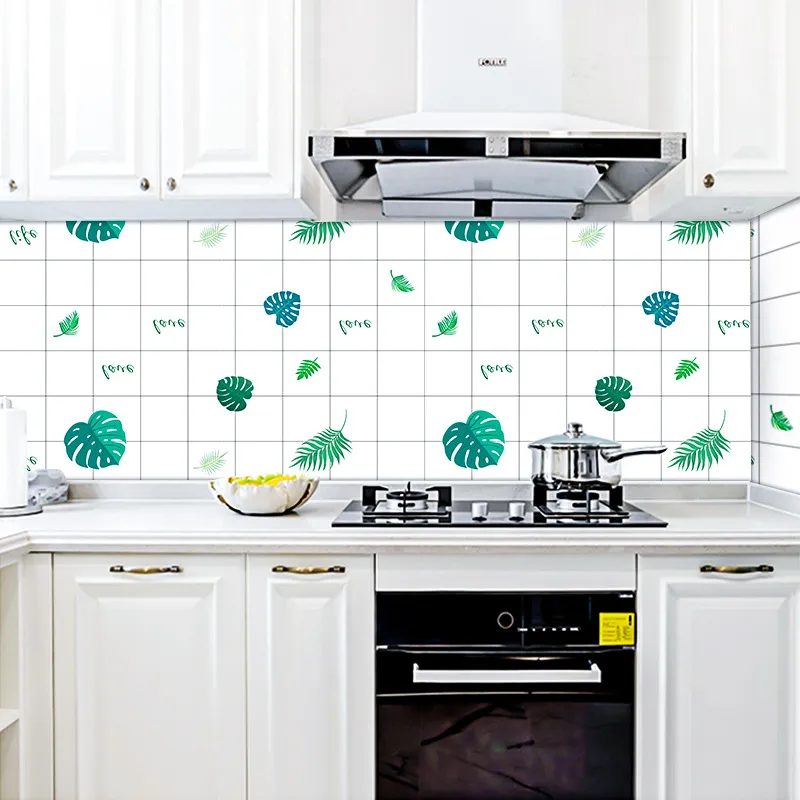
In kitchens or food-adjacent areas, easier cleaning and resistance to mild oils/cleaners are often priorities. If your project needs additional oil-resistant surface characteristics, consider functional film choices like
Kitchen Anti-oil Film
for related surface design concepts (selection should still be validated against your specific chemical exposure).
High-visibility areas benefit from strong decorative consistency. Textured films can help reduce the visibility of fingerprints and daily micro-scratches. For more tactile surface inspiration, explore
3D Silk Texture Film.
Choosing the best PVC film laminated steel is about matching real-world conditions (temperature, cleaning chemicals, humidity, abrasion, and installation methods) with the correct film structure, thickness, surface finish, and steel substrate.
Ask these environment questions:
The steel choice affects corrosion resistance, forming behavior, and overall longevity. Common starting points include galvanized steel for corrosion protection or cold-rolled steel for forming/flatness requirements (paired with correct pretreatment). In humid environments or where edges are exposed, corrosion resistance becomes a priority, so substrate and coating weight matter.
Decorative films (wood grain, marble, brushed, solid matte) are selected based on interior style goals, while functional films are selected for additional properties such as anti-static, protective layers, or easier cleaning.
Many manufacturers start from stable base films such as
Calendered Film
and then adjust textures, printing, and coatings to meet specific product needs.
If the laminated steel will be bent, stamped, roll-formed, or deep-drawn, you must confirm the laminate’s flexibility and adhesion under deformation. Key risk points include edge cracking, whitening, delamination, and wrinkling around tight radii. Consider:
To avoid surprises after scale-up, align on test items and acceptance criteria early. Typical validation includes adhesion, scratch/abrasion, chemical wipe, heat aging, humidity exposure, and color stability. If your supply chain exports globally, it is also helpful to confirm compliance needs such as REACH/RoHS and related documentation for project bidding.
Often linked to poor surface pretreatment, incompatible adhesive systems, trapped moisture, or incorrect lamination parameters. Prevention focuses on stable pretreatment, clean production environments, controlled humidity, and validated bonding parameters.
Can come from ink lot variation, printing calibration, or gloss differences. Prevention includes setting master standards, keeping batch traceability, and approving pre-production samples under consistent lighting.
In public-facing installations, a high-gloss surface may show wear quickly. A matte or textured finish often improves long-term appearance, especially in commercial spaces.
When steel edges are exposed (cutting, punching), corrosion risk increases in humid or coastal settings. Consider corrosion-resistant substrates, better edge design, protective sealing strategies, and installation methods that avoid water traps.
Consistent PVC film laminated steel depends on consistent film production and quality control. Suppliers with integrated capabilities—such as calendering, printing, and slitting/packaging—can control critical variables from raw material selection to finished roll inspection. This helps reduce lead time, stabilize cost, and keep performance consistent across long-running programs.
Quality checkpoints buyers should request:
To get accurate quotes and samples quickly, prepare a short spec sheet. The clearer the input, the fewer sampling rounds you’ll need.
Yes—when the film system is selected for oil/cleaner resistance and validated with real cleaning agents used on-site. For heavy degreasers or frequent high-heat exposure, confirm performance by testing.
Glossy emphasizes color depth but shows fingerprints; matte reduces glare and hides marks; textured/embossed improves scratch “hiding” and adds premium touch. Choose based on traffic level and cleaning habits.
It depends on bend radius, forming depth, adhesive system, and substrate pretreatment. Always request forming tests using your tooling conditions before mass production.
Provide the application, substrate type/thickness, desired film pattern and finish, dimensions (width/sheet size), functional requirements, and expected quantity. This helps suppliers match the correct film structure and lamination parameters.
Many suppliers can offer films designed to comply with major requirements such as REACH/RoHS and provide test reports. Confirm compliance needs upfront because formulations and documentation vary by market and application.