Address
304 North Cardinal St.
Dorchester Center, MA 02124
Work Hours
Monday to Friday: 7AM - 7PM
Weekend: 10AM - 5PM
Address
304 North Cardinal St.
Dorchester Center, MA 02124
Work Hours
Monday to Friday: 7AM - 7PM
Weekend: 10AM - 5PM



Protecting PVC film during transport and storage reduces damage, returns, and downtime. This guide outlines practical, SEO-friendly best practices for packaging, handling, shipping, and warehousing PVC film rolls so manufacturers, distributors, and importers can keep product quality intact from factory to installation.
Common threats include moisture, UV exposure, temperature extremes, mechanical abrasion, and deformation from improper stacking. Rolls can also suffer adhesive migration, dust contamination, and edge crushing during long-haul shipping.
Well-engineered packaging preserves surface finish, maintains dimensional stability, and simplifies customs inspections and inventory handling. Consistent packaging also helps meet buyer expectations across global markets.
Wrap each roll in dust-proof PE film or kraft paper to prevent surface scratches. For printed or delicate finishes use a sacrificial silicone release liner or lightweight foam wrap to avoid abrasion.
Use sturdy cardboard or plastic cores and cap the roll ends with reinforced end-caps. End protection prevents edge crush and helps maintain roundness during stacking.
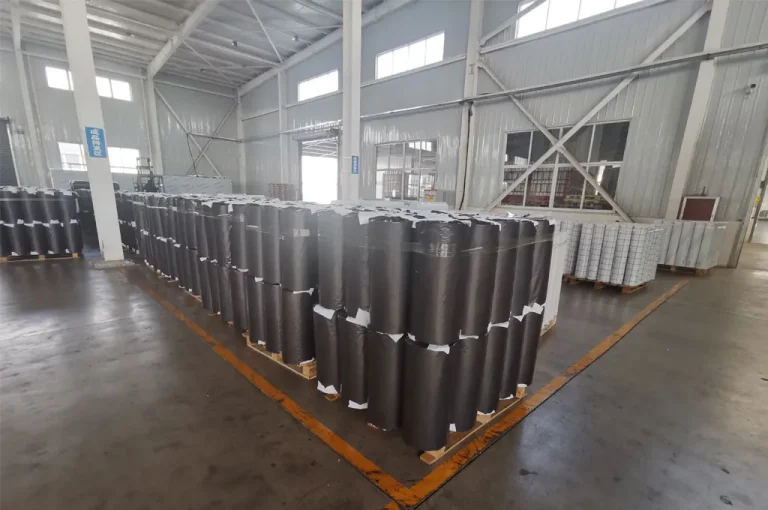
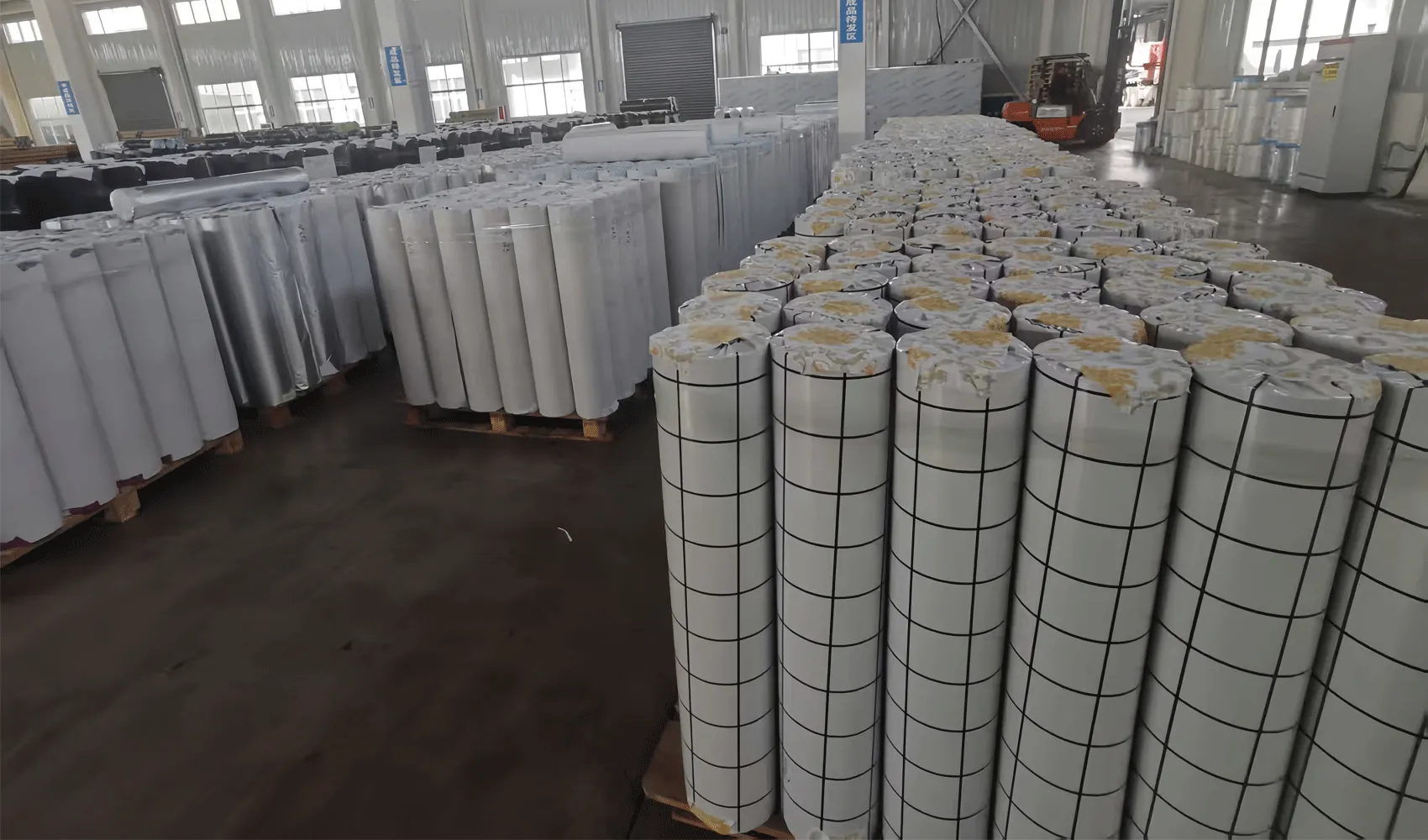
Group rolls on pallets with alternating roll orientation to balance loads. Secure with steel-free strapping where possible and wrap the entire pallet with stretch film to stabilize the load and protect from dust and moisture.
Store PVC film in a clean, dry warehouse away from direct sunlight and heat sources. Ideal conditions: relative humidity 40–60% and temperature 10–25°C (50–77°F). Avoid storage near solvents or strong chemical fumes that can interact with additives.
Short-term: Keep rolls upright or flat on racks for easy access. Long-term: Use climate-controlled rooms and elevated racking to prevent condensation and pest access.
Use mechanical aids like forklifts with soft slings or roll clamps for large reels to minimize manual handling.
Label fragile rolls clearly with orientation arrows, weight, and handling codes to reduce mishandling.
For container shipping, use dunnage and blocking to prevent movement; keep rolls off the container floor with pallets to avoid moisture wicking.
When shipping to hot climates, avoid storing containers on tarmacs during peak heat to reduce thermal expansion and adhesive migration.
Attach clear packing lists, weight & dimension declarations, and handling instructions. For export, include certificates of origin and test reports if requested by buyers. Pre-book shipments with carriers that know how to handle roll goods and offer cargo insurance for high-value consignments.
Inspect rolls before dispatch for surface defects, winding uniformity, and correct labeling. Implement QC checkpoints: pre-packaging, post-packaging, and pre-shipment inspection to catch issues early.
Receivers should inspect for water stains, odors, edge damage, and dimensional changes before signing delivery notes. Document any discrepancies with photos and retain packaging for carrier claims.
| Component | Purpose | Recommended Spec |
|---|---|---|
| PE dust-proof wrap | Surface protection | Transparent, 50–100 μm |
| End-caps | Edge crush prevention | Reinforced cardboard/plastic |
| Stretch film | Pallet stabilization | Transparent, high-elasticity |
| Pallet & dunnage | Keep off floor / prevent shifting | EPAL or export-grade pallets |
Adhesive migration: Relocate storage to cooler areas and allow ventilated spacing between rolls. For minor migration, place rolls on absorbent paper for short-term remediation. Packaging adjustments may be required for longer transports.
Surface scratches: Apply sacrificial liners and review handling processes; train staff to avoid dragging rolls across rough surfaces.
Pulivk — Henan Pulivk New Materials Co., Ltd. provides full in-house production including calendering, printing, and split-packaging lines to ensure packaging consistency and faster lead times.
Full in-house production: calendering, printing, split-packaging.
Flexible OEM and customization for sizes, colors, prints, and packaging.
Strict QC checkpoints from raw materials to final packing.
Global export experience to Southeast Asia, the Middle East, Europe and beyond.
Inner wrap, end-caps, pallet stabilization applied
Clear labeling and handling instructions attached
Pre-shipment QC passed and documentation prepared
Carrier briefed on special handling requirements
Implementing these measures will significantly reduce damage in transit and storage, protect the visual quality of PVC films, and improve customer satisfaction throughout the supply chain.