Address
304 North Cardinal St.
Dorchester Center, MA 02124
Work Hours
Monday to Friday: 7AM - 7PM
Weekend: 10AM - 5PM
Address
304 North Cardinal St.
Dorchester Center, MA 02124
Work Hours
Monday to Friday: 7AM - 7PM
Weekend: 10AM - 5PM


 ByPulivk
Selecting the right production equipment forms the backbone of a successful PVC film manufacturing operation. The machinery you invest in dictates your capacity, the quality of your output, and the range of products you can offer, from simple transparent films to complex decorative surfaces. For businesses aiming to scale or diversify, understanding the core categories of a pvc film machine is the first critical step.
Modern production lines are rarely a single unit; they are a synergy of interconnected systems. The calendering section establishes the film’s gauge and basic properties, while subsequent units add texture, color, and surface functionality. This guide breaks down these essential machine types, their specific uses, and the factors you must weigh to build a line that meets rigorous international standards, such as those defined by the ASTM PVC Film Standard.
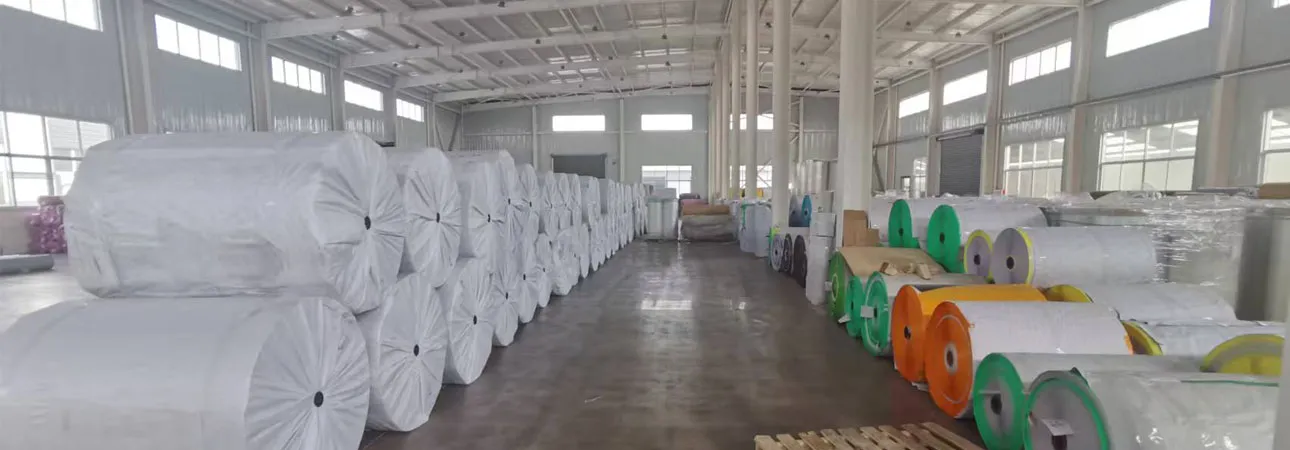
Different end products demand distinct mechanical configurations. While PVC film machine designs can be highly customized, they generally fall into distinct categories based on the forming method. The two primary industrial routes are calendering and extrusion (casting or blowing). Additionally, specialized lines handle coating and laminating, which are pivotal for creating multi-functional films. Below is a detailed breakdown of these systems and their operational roles.
Calendering is the preferred method for high-volume production of calendered film and decorative sheets. These lines consist of a series of heated, counter-rotating rollers that process a pre-gelled PVC compound into a flat film of precise thickness. The configuration of the rollers—typically L-type, inverted L-type, or Z-type—influences the pressure and finish on the material.
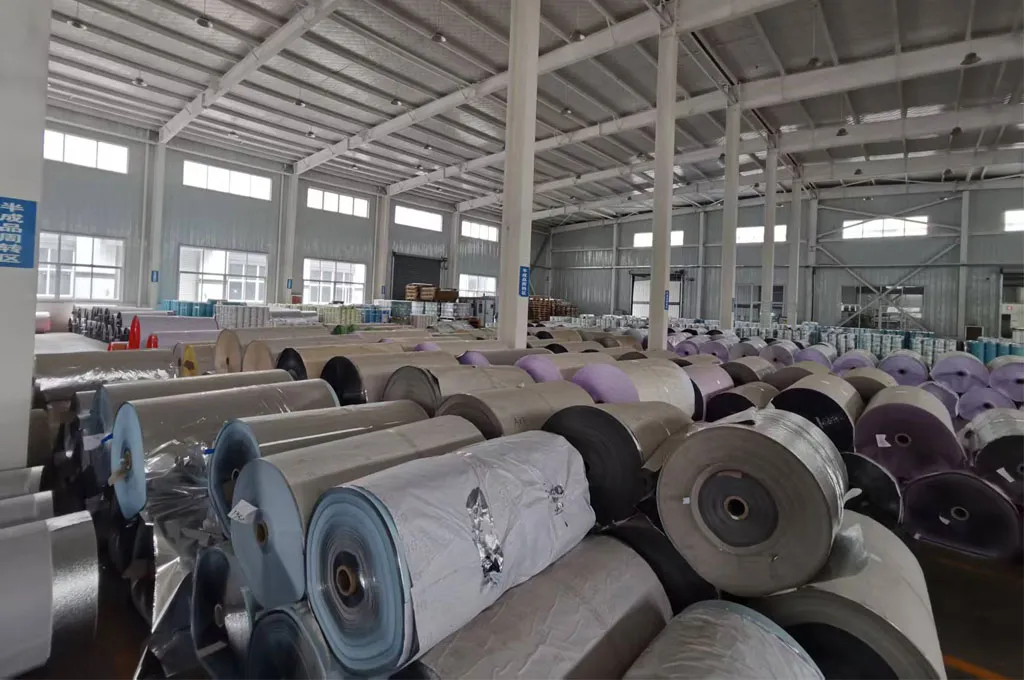
The advantages of a calendering line are its exceptional thickness uniformity and throughput. After the main calender, the film often passes through embossing rollers. This stage imprints textures like wood grain, matte, or high-gloss finishes in a single continuous process. The line ends with cooling drums and winding stations. This integrated system is essential for producing decorative film, floor film, and soft touch film.
Extrusion is another fundamental technique, where PVC resin is melted and forced through a flat die (cast film) or a circular die (blown film). Cast extrusion lines are excellent for producing optical-grade transparent films, protective films, and decorative surface materials. Blown film lines, while common for packaging, are also used for certain types of shrink and barrier films. The key components include the extruder screw, die head, chill rolls (for cast), and air ring (for blown).
To add functionality, base films often pass through secondary processing machines. These include precision coating lines that apply adhesives, UV-resistant layers, or scratch-resistant coatings. Printing machines, using gravure or digital technology, transfer intricate patterns, while laminating machines bond different film layers or substrates together. These systems transform a raw film into a high-value, application-ready material for industries like furniture manufacturing and interior decoration.
The versatility of modern pvc film machine configurations enables a vast portfolio of products that touch nearly every commercial sector. The output ranges from functional packaging to high-end aesthetic surfaces. Understanding what each machine type produces clarifies where your investment should go.
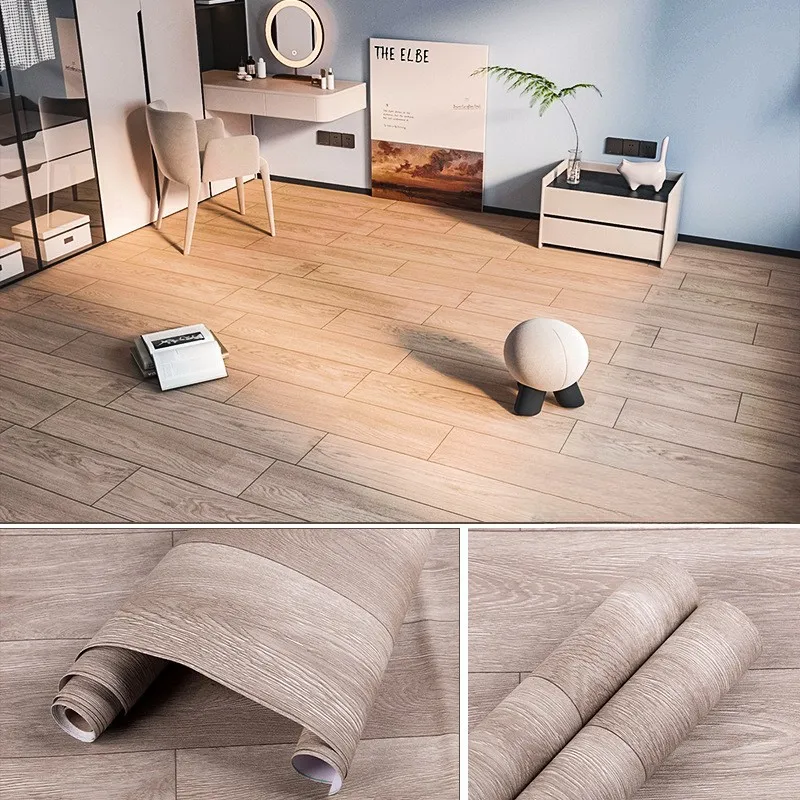
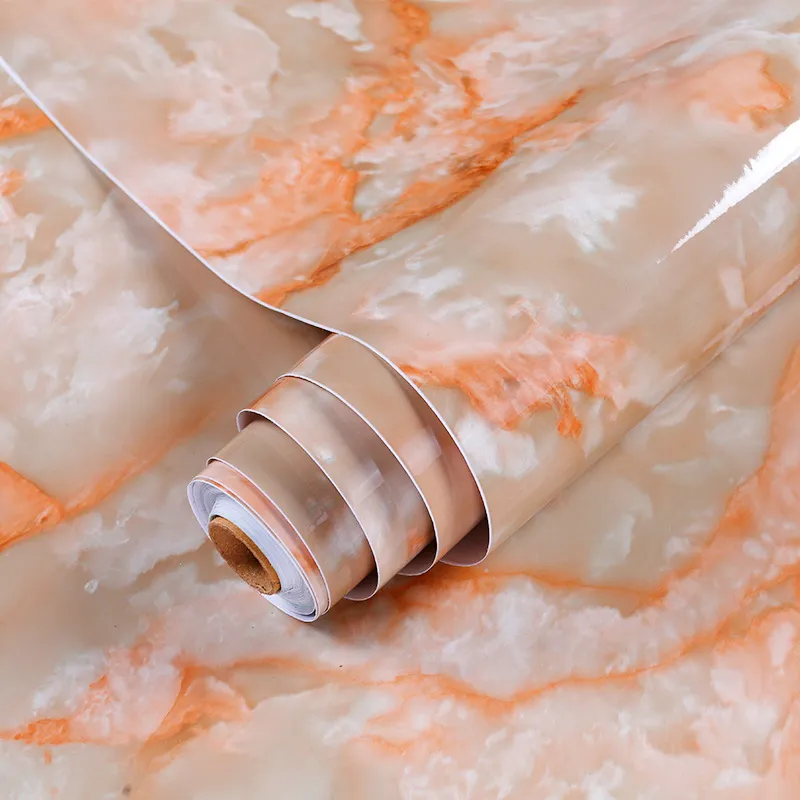
Calendering and embossing lines primarily serve the furniture and building materials industries. They produce wood grain film, marble film, and 3D silk texture film for application on MDF, particleboard, and other panels. These films are core to creating durable and aesthetically pleasing wardrobes, doors, and flooring. The ability to simulate natural materials at a fraction of the cost relies entirely on the embossing precision of the calendar’s rollers.
Extrusion coating lines are crucial for manufacturing anti-static, anti-fog, and flame-retardant films used in electronics packaging and construction. For example, PVC skirting film and floor protection films require specific flexibility and wear-layer coatings that specialized extrusion and coating machines deliver. The performance of these films is often measured against specific Plastic Film Tear Resistance standards to ensure on-site durability.
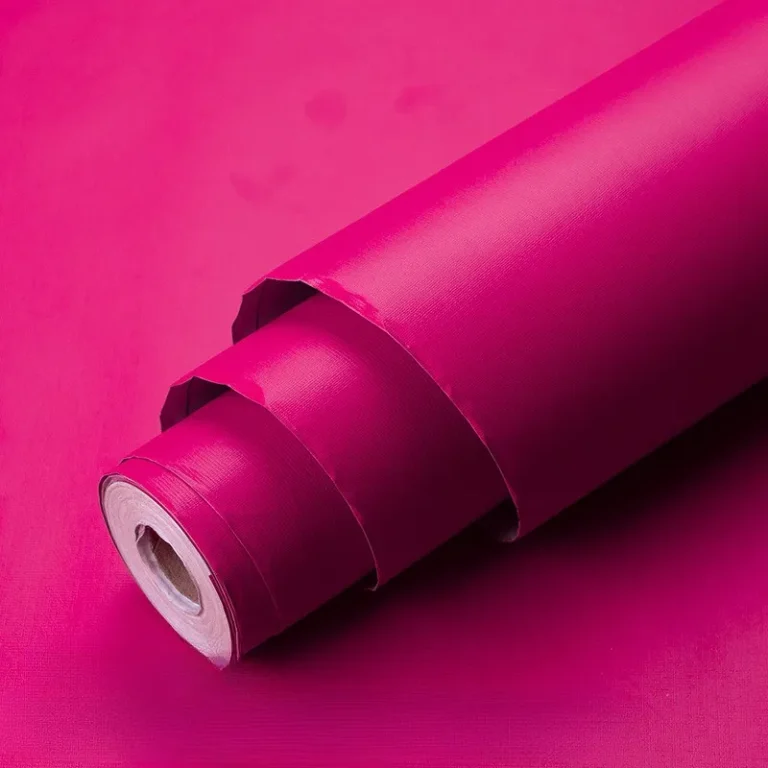
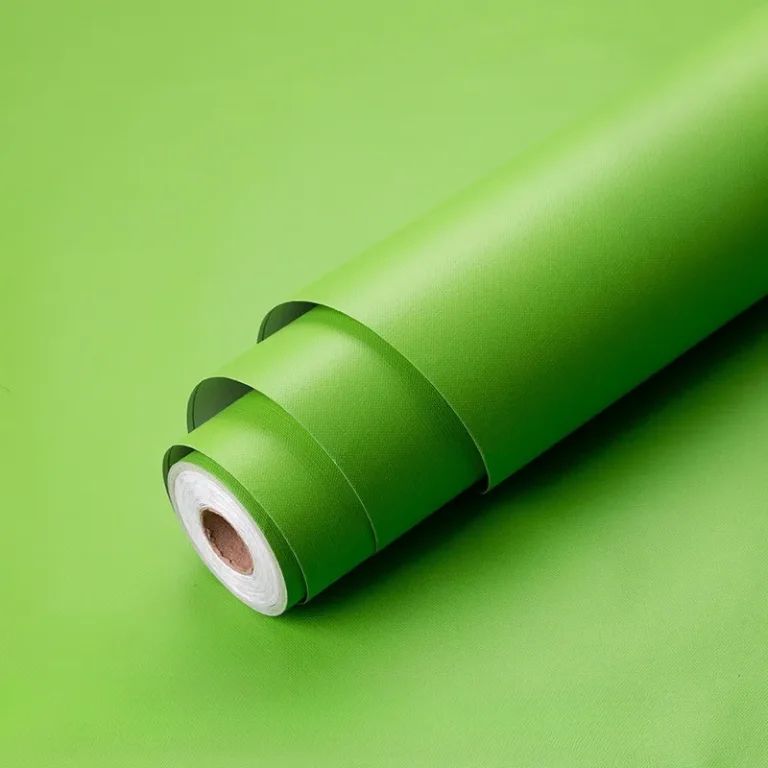
High-clarity cast film lines create the substrates for advertising stickers, lightbox displays, and packaging. Decorative machines produce solid color wallpaper and kitchen oil-proof aluminum foil surface films. The supply of raw, semi-finished films to these industries depends on the precise dimensional stability of the machine, often verified through tests such as those for PVC Film Dimensional Stability.
Selecting a pvc film machine is a significant capital decision that must align with your long-term business strategy. A wrong choice can lead to production bottlenecks, quality inconsistencies, and excessive operational costs. The ideal configuration is rarely the cheapest or the one with the highest nominal output. It is the line that consistently meets your target specifications while remaining economical to run. Below is a guide that walks you through the primary considerations.
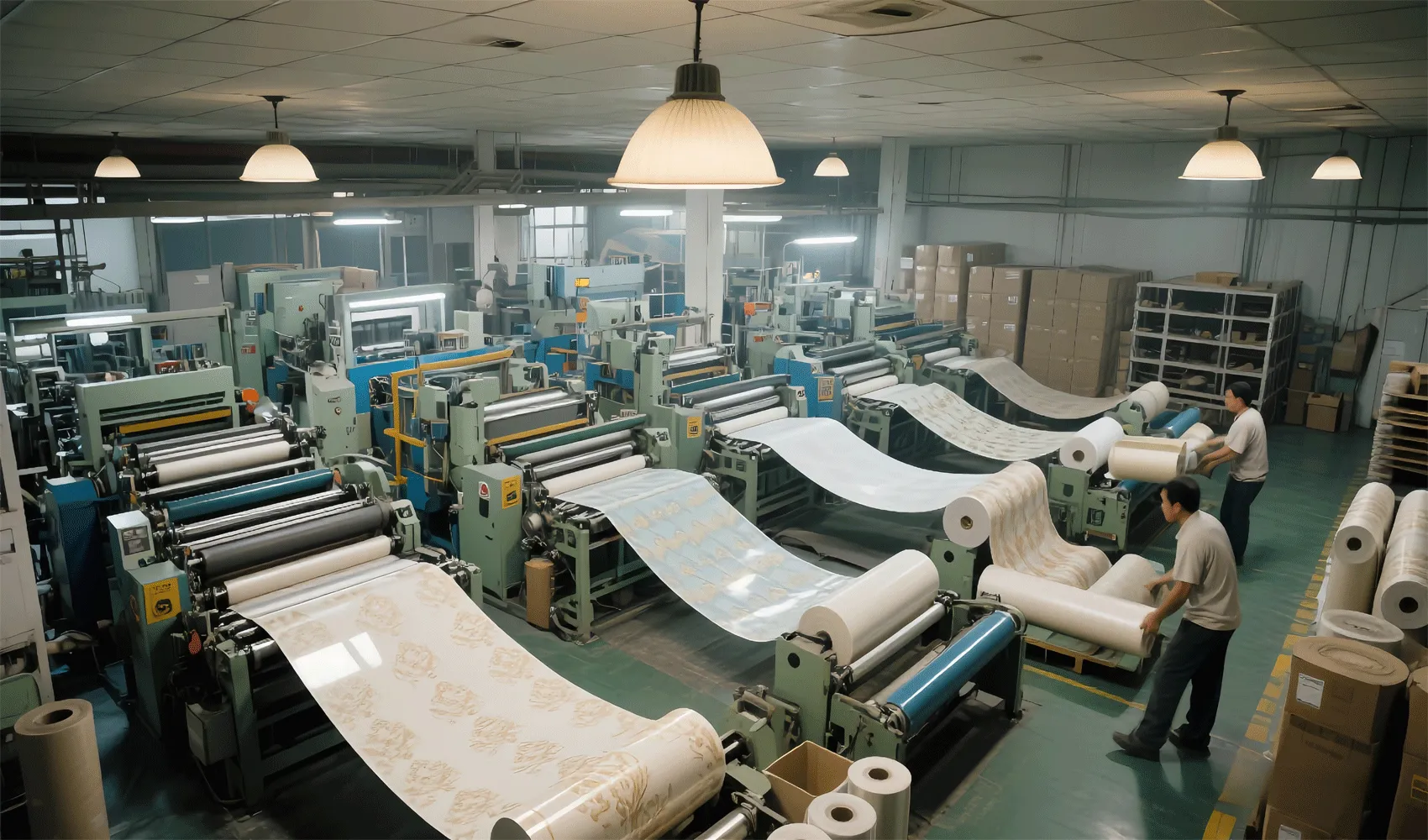
Your product type is the single most decisive factor. Start by listing your target product profiles meticulously:
Once your product needs are mapped, you must scrutinize the machine’s technical capabilities and fit within your factory environment. This requires looking beyond the brand name and focusing on the engineering details and long-term reliability of the equipment.
| Selection Criterion | Key Considerations |
|---|---|
| Production Capacity | Define your target daily or annual output in tons. Assess line speed (m/min) against your effective working hours. A line that is underutilized or constantly bottlenecked will erode profitability. |
| Precision and Controls | Look for closed-loop control systems with automatic gauge control, especially for high-value films. Integration with Plastic Film Thickness Testing sensors provides real-time data to reduce waste and ensure standards compliance. |
| Energy Efficiency | Evaluate motor ratings (IE3 or IE4 efficiency), heating element technology, and heat recovery systems. Energy consumption is a major operational cost in any pvc film machine line, directly impacting your bottom line. |
| Automation and Labor | Modern lines offer features from automatic winding to robotic core handling. Determine the level of automation that matches your local labor costs and skills, as this affects staffing levels and safety. |
The company providing the machinery profoundly impacts your success. A credible supplier does more than just sell equipment; they provide process know-how, formulation support, and ongoing service. This is particularly true when sourcing from integrated manufacturers like Henan Pulivk New Materials Co., Ltd., who understand the full chain from calendering to final application. When performing due diligence, verify the supplier’s quality control protocols. Ask how they test their machines against physical benchmarks. A reliable partner benchmarks their machinery’s output against international criteria, including those for Plastic Film Tensile Testing and Plastic Film Gloss Testing, to guarantee the film meets both mechanical and aesthetic requirements.
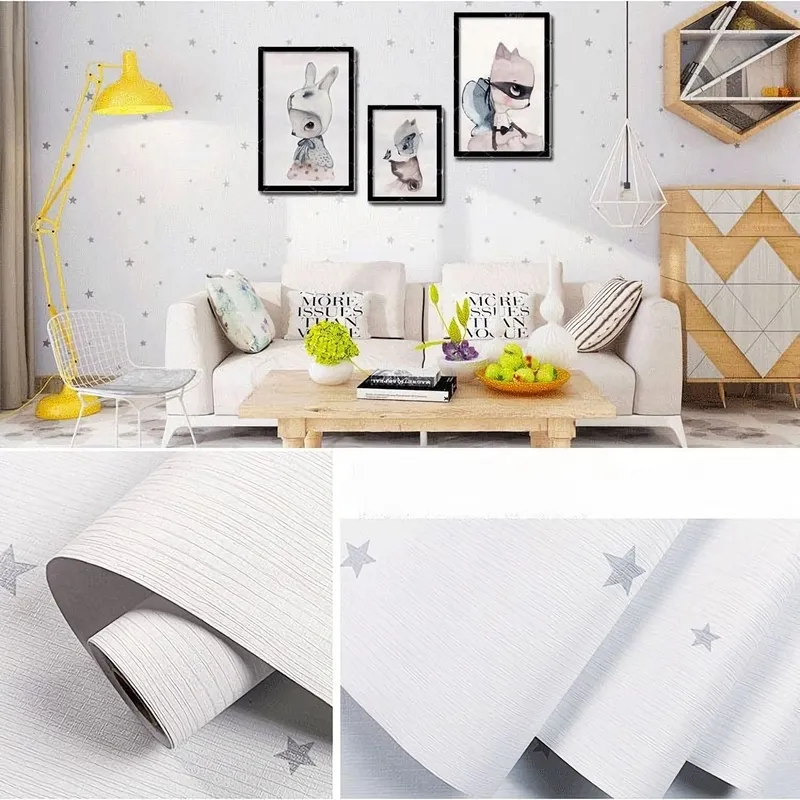
In a competitive market, investing in advanced machine features creates a durable competitive moat. The ability to produce specialty films that command higher margins directly correlates with the sophistication of your equipment. Look beyond standard outputs and consider how your machine can enable product differentiation. The flexibility to run a wide film width, rapid changeover systems, and in-line lamination capabilities define whether you can quickly respond to emerging market trends like bio-based plasticizers or new 3D relief film textures.
For decorative films, the embossing station is the heart of the value-added process. The most advanced systems now utilize quick-change embossing rollers, allowing for drastically reduced downtime between design changes. The application of precise heat and pressure synchronization with the film feed creates the deep, lifelike textures required for wood grain film and art grain film. This high-fidelity reproduction of natural materials is what elevates a standard calendar line to a premium pvc film machine for decoration.
Final product quality is secured not just by the process but by real-time verification. Modern lines incorporate optical surface inspection cameras that defect-map the film at full production speed, detecting gels, fisheyes, and coating streaks. Automated thickness gauges, crucial for meeting ISO Film Thickness Standard requirements, continuously log profile data. This system ensures that every shipped roll of floor film or transparent film is uniformly within tolerance, protecting your customers’ processing and your reputation.