Address
304 North Cardinal St.
Dorchester Center, MA 02124
Work Hours
Monday to Friday: 7AM - 7PM
Weekend: 10AM - 5PM
Address
304 North Cardinal St.
Dorchester Center, MA 02124
Work Hours
Monday to Friday: 7AM - 7PM
Weekend: 10AM - 5PM


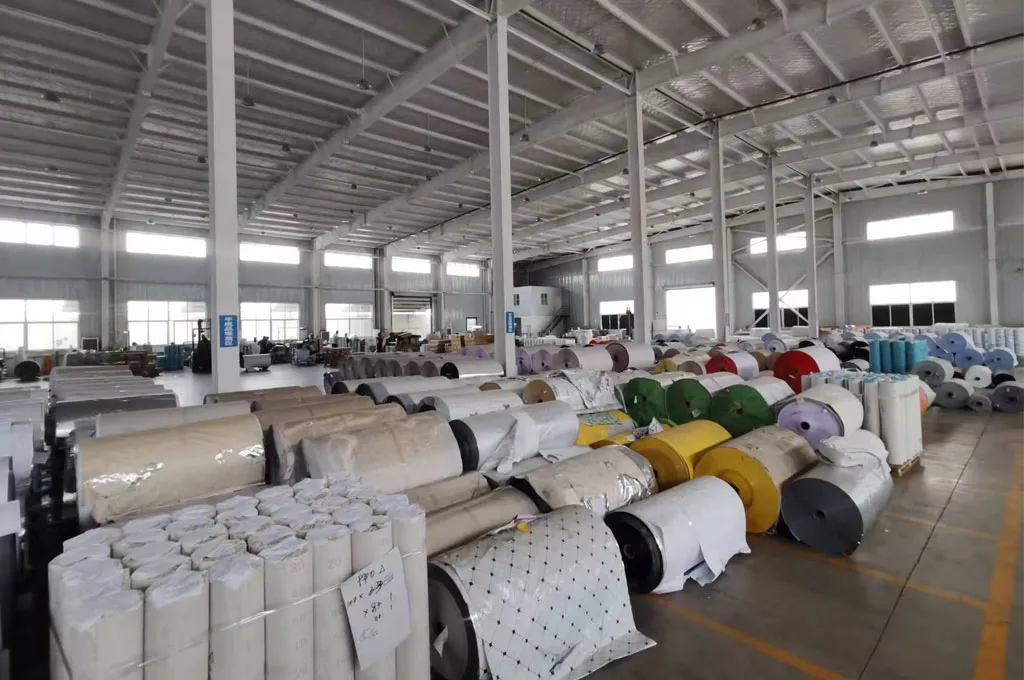
A PVC film machine is the backbone of modern decorative and functional film production—turning PVC resin and additives into consistent rolls used across furniture, building decoration, flooring, electronics, advertising, medical cleanrooms, and home products. Because end-use requirements vary widely (gloss, matte, embossing depth, anti-static, self-adhesive, soft-touch, transparency, etc.), selecting the right machine configuration is less about “one best model” and more about matching process capability to your target film portfolio.
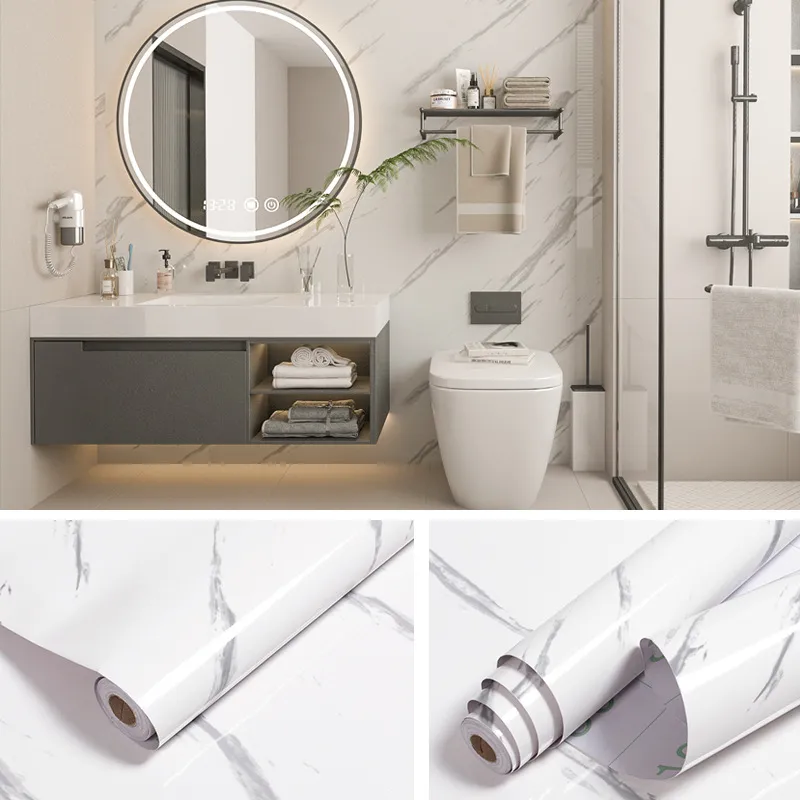
This guide explains the main types of PVC film machines, how the working process flows from raw material to finished roll, the key features that determine quality and productivity, and a practical checklist to help you choose the right model—whether you’re starting a new line or upgrading for higher output and tighter tolerances.
In most factories, “PVC film machine” refers to a complete production line rather than a single unit. Depending on your product, it may include compounding, calendering or casting, printing/lamination, surface treatment, slitting, inspection, and packing.
Key idea:
The best machine is the one that can hold thickness + appearance + roll quality at your required speed, with stable QC and reasonable operating cost.
PVC film can be produced by different forming methods. Your choice depends on target thickness range, surface quality, productivity, and whether you need decorative patterns (wood grain, marble, fabric texture, 3D embossing) or functional properties (anti-static, protective, self-adhesive).
Calendering forms PVC film by passing a plasticized sheet through multiple heated rolls to achieve precise thickness and surface finish. It is widely used for decorative films (furniture foils, wall panels), flooring wear layers, skirting films, and many industrial films.
If you’re focusing on decorative and furniture-grade products, a calender line is often the most direct path to stable mass production. Example product category:
Calendered Film.
✔ Best for: decorative films, consistent thickness control, embossing compatibility, high-output continuous runs.
Extrusion casting melts PVC compound in an extruder and casts the melt through a die onto chill rolls. This setup is useful when you want a continuous extrusion workflow, certain thickness ranges, and specific surface or multi-layer options. It can be paired with downstream embossing, coating, or lamination.
Many decorative PVC films are built through conversion steps: base film forming, printing, top coating, and embossing. This is where you create high-value surfaces like wood grain, marble, brushed metal effects, soft-touch, or 3D textures. For example, texture-focused products such as
3D Silk Texture Film
rely heavily on embossing precision and stable web handling.
Even the best-formed film can fail customer inspection if roll edges are rough, telescoping occurs, or winding hardness is inconsistent. A robust slitting/rewinding system is essential for delivering clean, labeled, transport-safe rolls—especially for export shipments and OEM programs.
A practical way to evaluate equipment is to map the full workflow and identify where quality is created (or lost). Below is a typical end-to-end process used by producers with integrated calendering, printing, and slitting capability.
PVC resin is blended with plasticizers, stabilizers, pigments, and functional additives (e.g., anti-static, anti-fog, antibacterial, flame retardant) to match end-use requirements. Accurate dosing and stable mixing are critical for color consistency, odor control, and mechanical performance.
The compound is plasticized and formed into a sheet/film via calender rolls or extrusion casting. This stage largely determines thickness tolerance, surface smoothness, and clarity (for transparent/matte products).
Controlled cooling stabilizes dimensions and reduces internal stress. Edge trim and automatic guiding help maintain uniform width and reduce waste—especially important when producing skirting, wall coverings, and flooring-related films.
Decorative lines may use gravure printing, transfer printing, and laminations to build depth and durability. High-end products often combine printed patterns with embossing alignment for realistic visuals (e.g., synchronized wood grain).
Common decorative categories include
Wood Grain Film
and
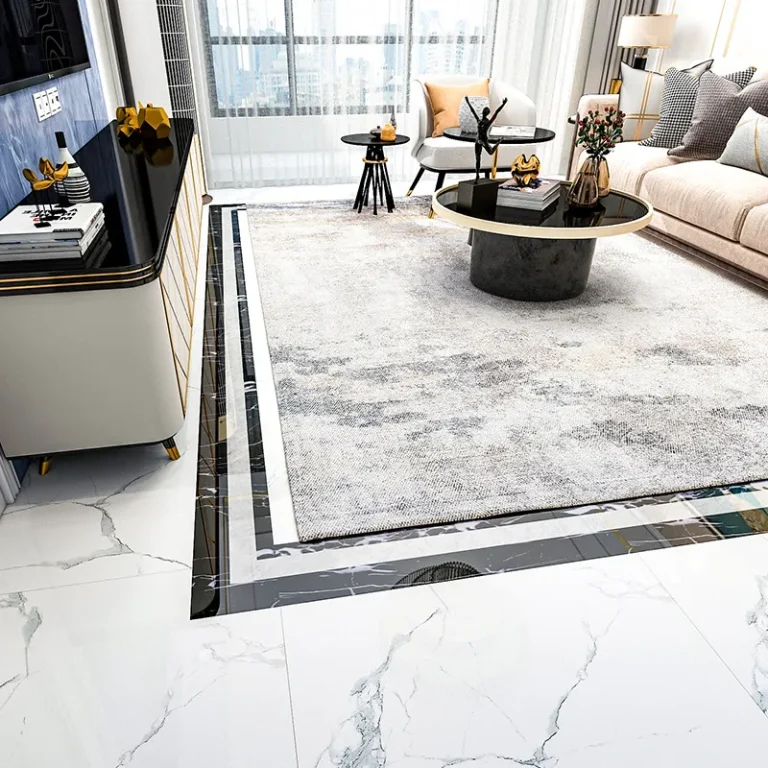
Marble Film,
where ink stability and surface protection directly influence acceptance rates.
Finished jumbo rolls are slit to customer widths and rewound under controlled tension for stable roll hardness. Final QC checks often include thickness measurement, appearance inspection, adhesion tests (for self-adhesive films), and labeling/traceability. Rolls are commonly wrapped individually to protect against dust and transport damage.
⚙ Quality is cumulative:
even small instability in compounding, temperature, or tension can show up later as color shift, shrinkage, poor embossing, or winding defects.
When comparing PVC film machines, focus on the features that protect consistency at speed. Below are the most decision-critical specs and system designs.
Decorative markets judge film by “look and feel.” A strong machine configuration should support repeatable gloss levels, consistent embossing depth, and stable texture replication—especially for premium furniture foils and interior decoration.
Many roll defects are web-handling problems, not material problems. Look for stable tension control (dancer or load-cell), accurate edge guiding, and winding logic that prevents telescoping, wrinkles, and uneven roll hardness.
For OEM/ODM production, you’ll run multiple colors/patterns/thicknesses. Machines with reliable recipe management, controlled dosing, and quick changeover capability reduce downtime while protecting batch-to-batch consistency.
If you sell into regulated markets, confirm your line supports material systems aligned with compliance targets (e.g., REACH/RoHS/FDA requirements where applicable), and that the process can handle low-odor formulations and environmentally safer inks/coatings for indoor decoration and human-contact scenarios.
The “right model” is the one that hits your product spec at the lowest lifetime cost while meeting delivery commitments. Use the checklist below to avoid overspending on irrelevant capacity—or underbuilding a line that will struggle with complaints and rework.
🎯 Define first:
thickness range, width, target output (kg/h), surface (gloss/matte/embossed), and whether you need printing, lamination, or self-adhesive coating.
OEM/ODM programs frequently require multi-SKU production: different widths, colors, patterns, and surface treatments. Confirm whether the line supports efficient switching with minimal scrap—especially if you expect small trial orders and frequent development cycles.
A strong PVC film line builds QC into the process: stable compounding, controlled forming temperatures, and tension-managed winding. Ask how thickness, appearance, adhesion, and batch traceability are monitored from raw material to finished roll—so problems are prevented instead of sorted out at the end.
📌 Practical tip:
If you plan to export broadly, prioritize roll stability + packaging compatibility (dust-proof wrap, labeling, moisture protection) to reduce claims during long-distance logistics.
Recommended: calender forming + printing/lamination + embossing + precise slitting/rewinding. This configuration supports wood, marble, solid color, brushed, and 3D textured styles while maintaining stable thickness and surface feel.
Recommended: low-odor compounding control + stable forming + optional functional coatings (easy-clean, anti-fog) + reliable winding. Appearance uniformity under indoor lighting is a key acceptance factor.
Recommended: consistent gauge control + anti-static options + clean winding/packing. Functional stability often matters more than decorative depth, so thickness and surface defect control are the priority.
Recommended: strict formulation management + clean production practices + traceable QC + compliant material selection. Film cleanliness, odor, and batch traceability are frequently audited requirements.
PVC film is a thin sheet made from polyvinyl chloride. It’s popular because it can be formulated for decorative effects (wood, marble, metal) and functional needs (durability, easy cleaning, anti-static), while remaining cost-effective for mass production.
It depends on your product goals. Calendering is commonly chosen for decorative films requiring stable surface finish and thickness uniformity. Extrusion casting can be ideal for certain continuous extrusion workflows and layer designs when paired with the right downstream units.
The biggest drivers are tension control, edge guiding, and rewinding stability, along with consistent thickness control during forming. Poor winding can cause telescoping, wrinkles, and edge damage even if the film surface looks perfect.
Yes—if the line is designed for recipe repeatability and changeover efficiency. Customization often includes thickness, width, roll length, color/pattern printing, surface treatments (anti-static/anti-fog), and packaging requirements.
Provide target film type, thickness range, width, finish (gloss/matte/emboss), whether printing/lamination/self-adhesive is needed, and expected monthly volume. This ensures the recommended machine model matches real production needs instead of generic capacity.