Address
304 North Cardinal St.
Dorchester Center, MA 02124
Work Hours
Monday to Friday: 7AM - 7PM
Weekend: 10AM - 5PM
Address
304 North Cardinal St.
Dorchester Center, MA 02124
Work Hours
Monday to Friday: 7AM - 7PM
Weekend: 10AM - 5PM



A PVC film manufacturing machine is the core production system used to turn PVC resin and additives into consistent, high-performance films for furniture wrapping, wall panels, flooring, packaging, medical protection, electronics insulation, and more. If you are planning a new PVC film line—or upgrading an existing one—this guide explains machine types, the full production process, cost drivers, quality control, and a practical checklist for choosing the right configuration.
Key takeaway:
The “best” PVC film machine is not the most expensive—it is the one that matches your target market (decorative vs. industrial), film structure (single-layer vs. laminated), and finishing requirements (printing, embossing, functional coatings, slitting, and packaging).
A PVC film manufacturing machine is typically a complete production line rather than a single device. Depending on the technology, it may include material dosing, mixing, plasticizing, film forming (calendering or extrusion), cooling, surface finishing (embossing/printing/coating), online inspection, and slitting & packaging.
For decorative applications such as wood grain, marble, metallic, soft-touch, or self-adhesive surfaces, the line is often paired with printing and embossing units. For industrial and protective films, the focus shifts to thickness control, clarity, and functional treatments.
Calendering uses multiple heated rollers to form PVC into a uniform sheet/film with excellent surface finish and stable thickness. It is widely used for decorative films, furniture membrane, wall film, flooring wear layers, and other premium applications.
If your product plan includes consistent gloss/matte control, embossing compatibility, and reliable thickness tolerance, a calendering line is usually the preferred choice. Learn more about Calendered Film applications and formats.
✔ Best for:
wood grain, marble, solid color, glossy/matte, embossed textures, furniture wrapping, skirting film, and many flooring-related films.
⚠ Considerations:
higher initial investment, higher technical requirements for roller temperature control, and stricter maintenance on roller surfaces.
Extrusion casting melts PVC compound through a die and forms the film on a chilled roll. For some industrial grades, it can be efficient—especially when combined with inline lamination or specialized functional layers. However, for certain decorative effects, calendering often delivers a more “premium” surface appearance.
Many market-ready products are not just “PVC film” but a composite structure—PVC + adhesive + release liner, or PVC laminated onto fabric/foam. Coating and laminating equipment extends your product range into self-adhesive films, protective films, and specialty decorative formats.
Typical inputs include PVC resin, plasticizers (for flexible films), stabilizers, lubricants, pigments, fillers, and functional additives (anti-static, anti-fog, antimicrobial, etc.). The formulation strongly influences:
softness, odor, aging resistance, and surface compatibility with inks and adhesives.
High-speed mixers and hot/cold mixing systems ensure uniform dispersion of additives. Consistent compounding reduces visual defects (specks, streaks) and improves thickness stability during forming.
In calendering, the compound is plasticized and then passed through a roller stack to reach the target thickness and surface finish. In extrusion, a die shapes the film before cooling. At this stage, key controls include temperature profile, nip pressure, line speed, and cooling efficiency.
Production tip:
If you sell to furniture and interior decoration brands, invest early in online thickness measurement and surface defect inspection. These tools prevent large-batch losses and improve customer trust.
Embossing adds tactile and visual value (wood pores, silk texture, stone grains, brushed effects). It can be done inline with a dedicated embossing roll. For example, premium decorative segments often demand refined textures like 3D Silk Texture Film finishes.
Wood grain, marble, metal, and artistic patterns typically rely on gravure or similar printing processes. Critical points include color management, repeat length accuracy, ink adhesion, and curing conditions. Using eco-friendly, non-toxic inks supports interior applications and improves compliance options for global markets.
If your catalog includes popular patterns, you may position products such as Wood Grain Film or Marble Film as flagship SKUs to quickly capture furniture and building decoration customers.
Surface treatments can be applied for different environments and industries:
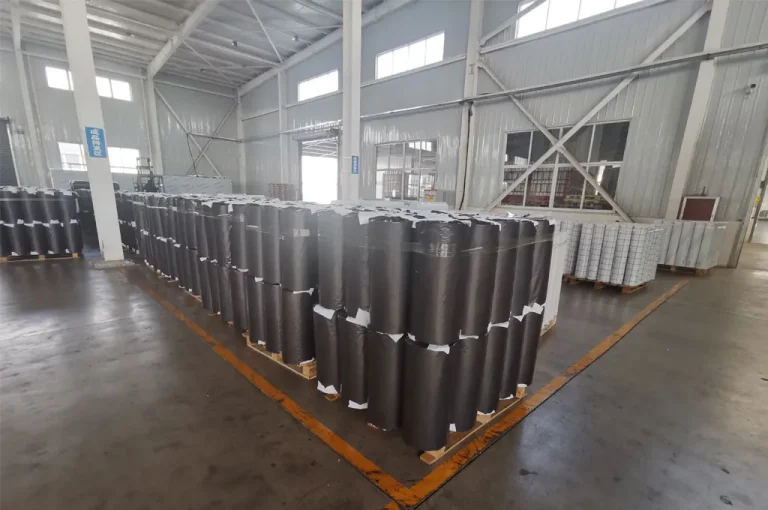
Proper tension control during winding prevents wrinkles and telescoping. Slitting ensures each roll matches customer width requirements. For shipment safety, professional factories typically use dust-proof PE film or kraft paper wrapping and add clear specification labels for traceability.
If you plan to sell into building decoration channels, products like PVC Skirting Film can benefit from accurate slitting, clean edges, and consistent gloss/texture—features that depend heavily on the finishing section of the manufacturing line.
A flexible PVC film manufacturing line can support multiple product families when paired with printing, embossing, and slitting/packing modules:
PVC film manufacturing cost is a combination of capex (equipment investment) and opex (materials, utilities, labor, maintenance, and quality losses). The true “cost per square meter” depends on your yield and downtime as much as on raw material price.
Cost control idea:
A manufacturer with full-process capability (calendering + printing + slitting/packing) can reduce outsourcing costs, shorten lead times, and keep quality stable across batches—especially important for export orders and OEM programs.
Before you compare suppliers, lock down what you will sell in year 1–2:
Ask for evidence that the line can repeatedly hit your requirements:
If you plan to win business from furniture factories, wall panel brands, or distributors, your competitive edge is often fast customization: size, color matching, pattern repeat, and packaging. Look for:
PVC film lines are continuous systems—downtime is expensive. Confirm:
Consistency is what turns a “film factory” into a reliable supplier. A robust QC program typically includes:
Different industries “pull” the production line in different directions:
Focus on wood grain/cloth grain patterns, scratch resistance, stable color, and embossing realism. Printing accuracy and repeat consistency matter for large cabinet and panel projects.
Requires stable width, clean edges, and durable surface performance. Matte/gloss control and waterproof behavior often matter for wall and skirting applications.
Anti-static and insulation performance can become mandatory. Thickness tolerance and cleanliness standards are typically stricter.
Prioritize low contamination, stable QC documentation, and safe materials. If your plan includes these markets, design your workflow around traceability and compliance from day one.
PVC film is a thin sheet made from polyvinyl chloride used for decorative, industrial, and packaging purposes—such as furniture wrapping, wall and ceiling decoration, flooring layers, protective and anti-static applications.
Choose calendering when you need premium surface finish, decorative quality, and stable thickness for large-scale OEM orders. Choose extrusion casting when your product structure and cost model fit casting advantages, especially for certain industrial films or multilayer setups.
Yes. Most professional suppliers support OEM/ODM for thickness, width, roll length, surface finish (gloss/matte/embossed), color matching, printing patterns, and packaging solutions.
Depending on your target markets, you may need ISO quality/environment systems and material compliance such as REACH and RoHS; certain applications may also require FDA-related compliance. Ask for third-party test reports and traceability methods.
Provide film type, thickness range, working width, target output, surface requirements (gloss/matte/emboss/printing), functional needs (anti-static/anti-fog), and expected monthly volume. This allows a supplier to propose the right line configuration and cost model.