Address
304 North Cardinal St.
Dorchester Center, MA 02124
Work Hours
Monday to Friday: 7AM - 7PM
Weekend: 10AM - 5PM
Address
304 North Cardinal St.
Dorchester Center, MA 02124
Work Hours
Monday to Friday: 7AM - 7PM
Weekend: 10AM - 5PM


 ByPulivk
Polyvinyl chloride (PVC) film manufacturing is a sophisticated industrial process that transforms raw polymer materials into versatile, high-performance films used across countless industries worldwide. Understanding the intricacies of PVC film manufacturing—from material selection and production techniques to quality assurance and end-use applications—is essential for procurement professionals, product designers, and manufacturers seeking reliable film solutions.
The foundation of any PVC film manufacturing operation lies in its raw material formulation. PVC resin serves as the primary component, typically accounting for 50-70% of the final film composition. This base polymer is combined with several critical additives that determine the film’s performance characteristics.
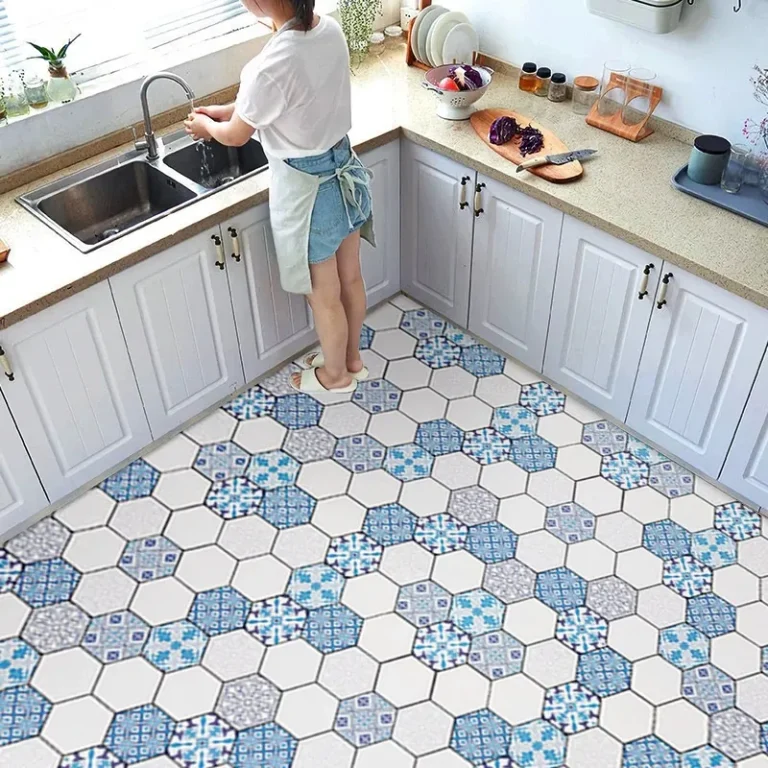
Plasticizers are incorporated to impart flexibility and softness to the film. The type and concentration of plasticizer directly influence properties such as elongation, cold crack resistance, and hand feel. Phthalate-free plasticizers have gained significant traction in recent years due to evolving regulatory requirements, particularly for films used in PVC floor films and interior applications.
Stabilizers protect the polymer chain from degradation during processing and throughout the product’s service life. Heat stabilizers prevent thermal decomposition during calendering, while UV stabilizers extend outdoor durability by resisting yellowing and embrittlement. Pigments and fillers are added to achieve specific colors, opacity levels, and surface effects. Titanium dioxide, carbon black, and calcium carbonate are among the most commonly used fillers in PVC film manufacturing.
Calendering stands as the predominant method for PVC film manufacturing, valued for its ability to produce films with exceptional thickness uniformity and surface quality. The process involves passing a heated, plasticized PVC compound through a series of precision-engineered rollers that progressively reduce the material to the desired thickness.
A typical calendering line consists of four to six counter-rotating rolls arranged in configurations such as L-type, inverted L-type, or Z-type. Each configuration offers distinct advantages for specific film types. The PVC film manufacturing sequence begins with dry blending, where PVC resin and additives are mixed at high speed to create a homogeneous compound. This blend then enters a continuous mixer or extruder for gelation, transforming the powder into a molten, workable state.
The molten compound feeds into the calender nip—the gap between the first two rolls—where it begins its transformation into a continuous sheet. Successive roll gaps become progressively narrower, with each pass reducing film thickness while improving surface finish. Temperature control at each roll is critical; typical operating temperatures range from 160°C to 200°C depending on the formulation.
After calendering, the film passes through embossing rollers that impart surface textures ranging from high gloss to deep matte finishes. This embossing station is where wood grain decorative films and stone patterns receive their distinctive tactile surfaces. The film then undergoes cooling, edge trimming, and winding into master rolls.
Beyond standard calendering, modern PVC film manufacturing incorporates several specialized techniques to meet diverse market requirements. Multi-layer co-calendering enables the production of films with distinct functional layers—such as a wear-resistant surface layer bonded to a flexible core—all within a single continuous process. This technology has revolutionized marble texture films and high-durability surface materials.
Printing and surface treatment stations can be integrated downstream of the calender for inline decoration. Rotogravure printing applies intricate wood grain, stone, and abstract patterns with exceptional fidelity, while coating stations apply primers, adhesion promoters, or protective topcoats. Inline lamination capabilities allow for the simultaneous bonding of the PVC film to backing materials such as paper, fabric, or foam.
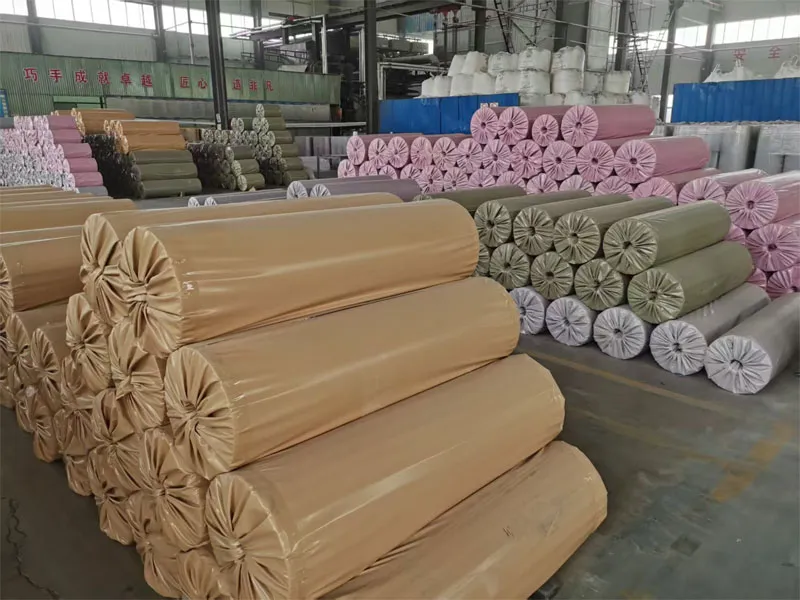
Post-production processes include slitting, where master rolls are cut to customer-specified widths; split packaging, which divides full rolls into smaller, fixed-length units with individual protective wrapping; and quality inspection using automated optical systems that detect surface defects, gauge variations, and color inconsistencies in real time.
Adherence to rigorous quality standards distinguishes professional PVC film manufacturing from commodity production. Both ASTM International and the International Organization for Standardization (ISO) maintain comprehensive testing protocols that govern film properties and performance. The following table summarizes key standards applicable to PVC film production:
| Standard | Property Tested | Application Relevance |
|---|---|---|
| ASTM D1593 | Nonrigid PVC Film Specifications | Base classification for flexible PVC films |
| ISO 527-3 | Tensile Properties of Films | Strength and elongation measurement |
| ASTM D1003 | Haze and Light Transmittance | Optical clarity for transparent films |
| ASTM D2457 | Specular Gloss of Plastic Films | Surface finish consistency evaluation |
| ISO 4593 | Film Thickness Measurement | Precision gauge control verification |
| ASTM D1204 | Dimensional Stability on Heating | Shrinkage behavior assessment |
Effective PVC film manufacturing facilities implement multi-stage quality control checkpoints rather than relying solely on final inspection. Incoming raw material testing verifies resin K-value, plasticizer purity, and pigment dispersion quality before any material enters production. In-process monitoring tracks melt temperature, roll gap pressure, line speed, and embossing roller conditions continuously.
Finished product testing encompasses a comprehensive battery of physical and optical measurements. Thickness is verified using precision micrometers or non-contact gauges at multiple points across the web width. Tensile strength and elongation at break are measured according to ISO 527-3 protocols. Surface gloss levels are checked against ASTM D2457 reference standards. Color consistency is evaluated using spectrophotometers with Delta E tolerances typically held below 1.0 for critical applications.
Environmental compliance has become an integral aspect of quality assurance in PVC film manufacturing. Leading manufacturers now offer lead-free and phthalate-free formulations that comply with RoHS and REACH regulations. Selected products meet stringent requirements for indoor air quality and human contact safety, making them suitable for furniture, interior decoration, and medical environments.
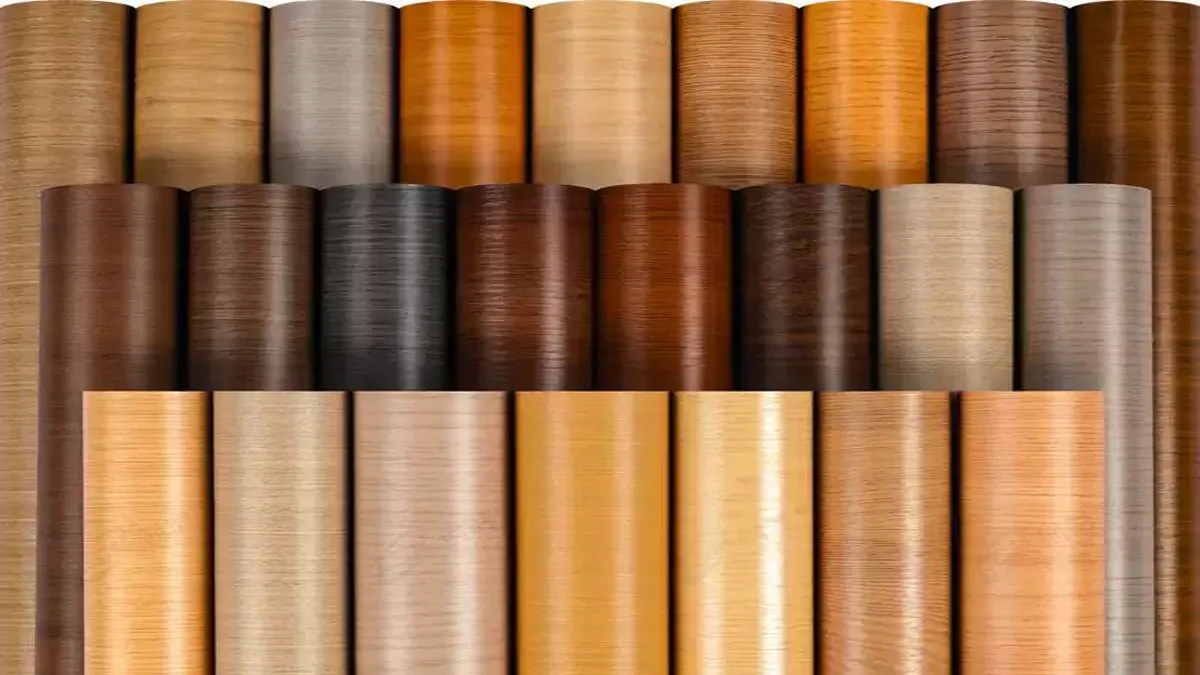
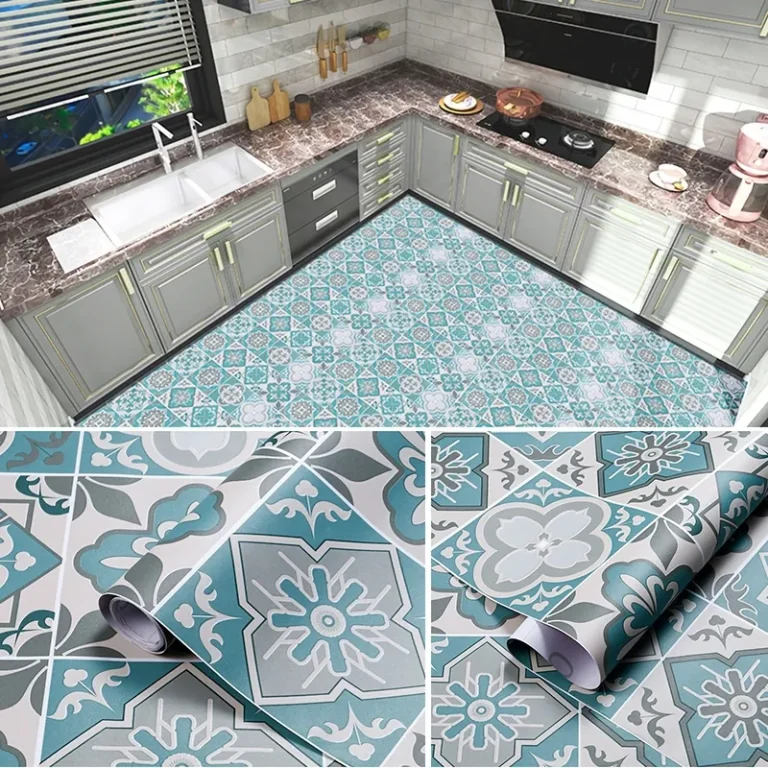
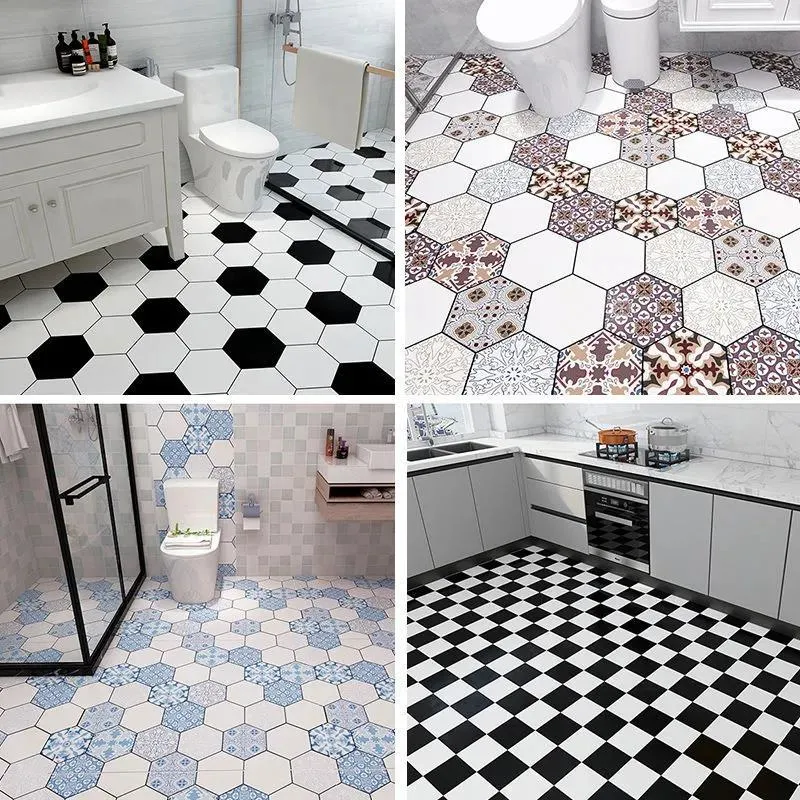
The versatility of PVC films manufactured through advanced calendering processes enables their deployment across an extraordinarily diverse range of industries. In the furniture sector, decorative films transform MDF and particleboard substrates into aesthetically pleasing surfaces for cabinets, wardrobes, and tabletops. The range of available designs spans from realistic wood grain textures to contemporary solid colors and luxurious marble patterns.
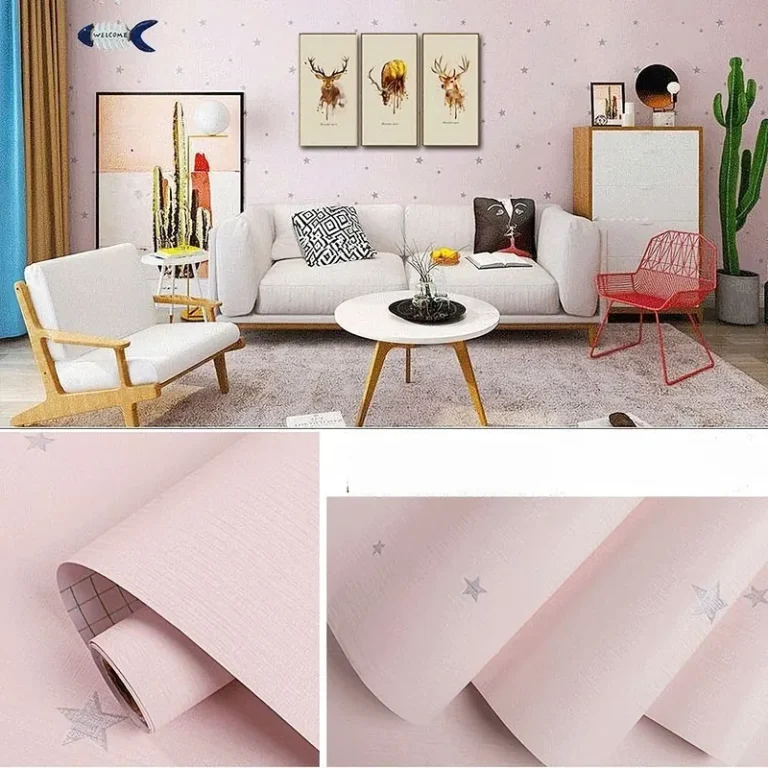
Building and construction applications represent one of the largest markets for PVC film manufacturing output. Wall decoration films provide durable, easy-to-clean surfaces for residential and commercial interiors. Stone pattern films offer the visual appeal of natural stone at a fraction of the weight and cost. Ceiling materials and partition films round out the architectural product portfolio.
The electronics and appliance industry relies on specialty PVC films for protective overlays, insulation barriers, and decorative control panels. Anti-static formulations prevent dust attraction and electrostatic discharge in sensitive electronic environments. The advertising and exhibition sector utilizes PVC films for lightbox displays, promotional stickers, and large-format event backdrops where vibrant color reproduction and durability are paramount.
Medical and cleanroom applications demand the highest levels of quality control in PVC film manufacturing. Antibacterial films incorporating silver-ion or other antimicrobial agents help maintain hygienic surfaces in healthcare settings. Protective barrier films safeguard equipment and personnel in controlled environments. Household goods—from waterproof shower curtains to tablecloth films and window films—represent the consumer-facing applications of this versatile material category.

Choosing the right manufacturing partner is crucial for businesses seeking consistent quality, competitive pricing, and reliable supply. Henan Pulivk New Materials Co., Ltd. exemplifies the integrated manufacturing model that delivers value across the supply chain. With in-house calendering lines, printing capabilities, and split-packaging operations, the company controls every production stage from raw material processing to finished packaging—ensuring stable quality and faster lead times while helping partners reduce costs at the source.
Key considerations when evaluating a PVC film manufacturing partner include annual production capacity, quality certification status, customization capabilities, and export experience. A manufacturer producing approximately 500,000 tons of PVC film annually with more than 2,000 decorative film designs demonstrates the scale and creative range necessary to serve diverse market requirements. The ability to match specific colors according to Pantone references, develop custom surface textures, and provide OEM/ODM services with flexible packaging and labeling options are essential capabilities for long-term partnership success.
Modern PVC film manufacturing increasingly embraces circular economy principles. The VinylPlus 2030 Commitment and similar industry initiatives drive progress in PVC recycling, sustainable additive development, and reduced manufacturing environmental footprints. Eco-friendly inks that are safe and non-toxic have become standard for indoor decoration films, ensuring suitability for human contact applications.
Leading manufacturers now offer products with documented PVC life cycle assessment data, enabling downstream customers to make informed sustainability decisions. Recyclable mono-material film constructions, bio-based plasticizer options, and production waste recovery systems represent the evolving best practices in responsible PVC film production.
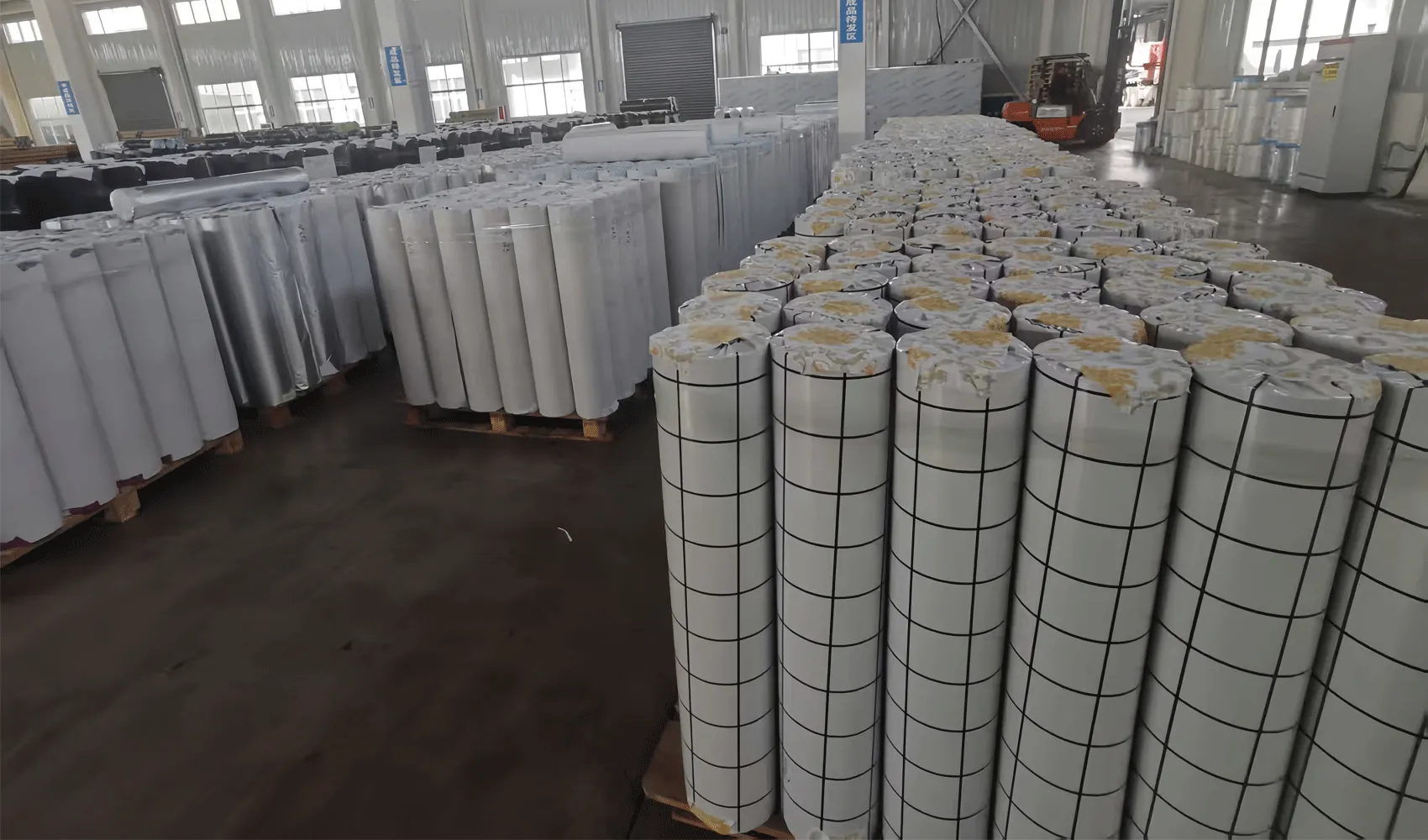
The international nature of PVC film manufacturing trade demands robust logistics capabilities. Films are typically shipped as master rolls or slit rolls, packaged in dust-proof PE film or kraft paper, clearly labeled with specifications, and packed in cartons or pallets for safe storage and transport. Bulk orders move via sea or land freight, while air transportation accommodates urgent requirements. Experienced manufacturers serving markets across Southeast Asia, the Middle East, Europe, North America, and beyond maintain streamlined export documentation and customs clearance processes.
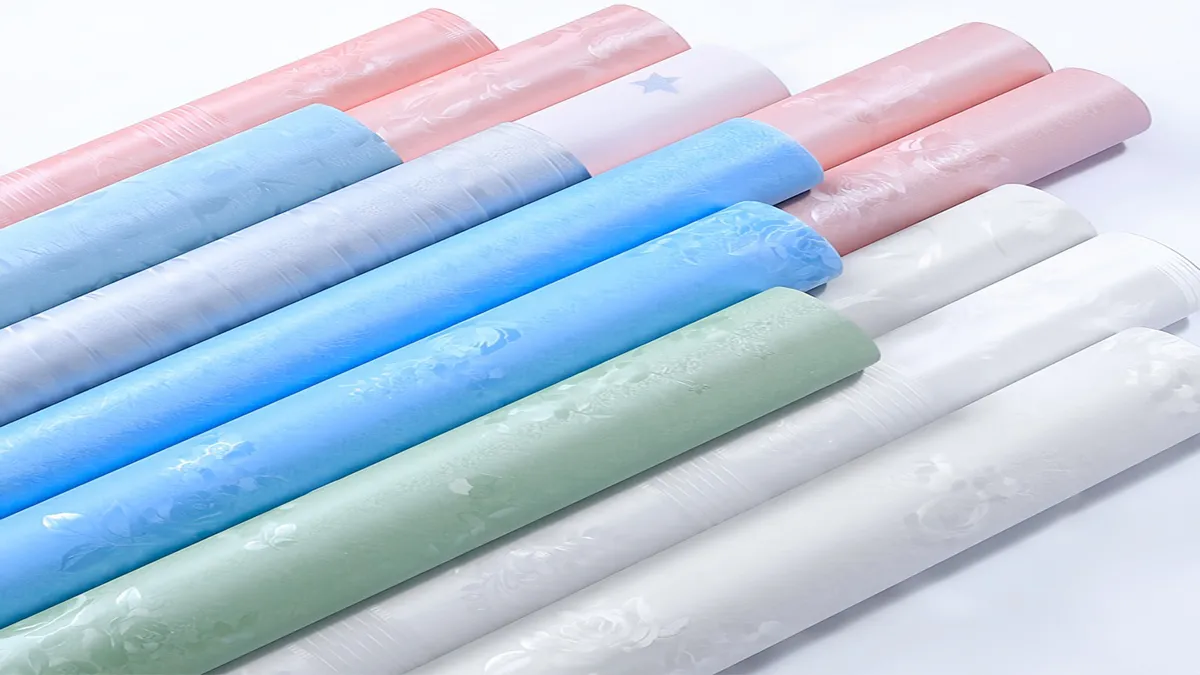
The PVC film manufacturing landscape continues to evolve with advances in material science and processing technology. Ultra-thin films below 0.03mm are enabling new applications in lightweight packaging and electronics. High-fidelity digital printing technologies allow for unprecedented design complexity and short-run customization without the tooling costs associated with traditional rotogravure cylinders. Smart films incorporating functional additives for thermal management, self-cleaning surfaces, and enhanced barrier properties represent the next frontier of product innovation.
PVC films are typically available in thicknesses from 0.03 mm to 0.50 mm, with widths up to 1500 mm. Custom cutting is available according to specific application requirements.
Yes. Many PVC films designed for outdoor use are formulated with UV inhibitors for improved weather resistance, helping resist yellowing, embrittlement, and gloss loss. Actual durability depends on the film type and exposure conditions.
PVC films are suitable for smooth, flat surfaces including MDF, particleboard, plywood, glass, metal, and plastic. Application methods include cold lamination with suitable adhesive or hot lamination using a vacuum laminator with appropriate heat and pressure.
For standard products, the minimum order quantity is typically 3,000 square meters per design. Custom colors or films with special properties may require a higher MOQ depending on the specific requirements.
From raw material selection and precision calendering to rigorous ASTM and ISO quality testing, every stage of PVC film manufacturing contributes to the final product’s performance and value. Whether sourcing calendered film for industrial applications or decorative films for interior design, understanding these manufacturing fundamentals empowers buyers to make informed decisions and build lasting supplier relationships built on quality and reliability.