Address
304 North Cardinal St.
Dorchester Center, MA 02124
Work Hours
Monday to Friday: 7AM - 7PM
Weekend: 10AM - 5PM
Address
304 North Cardinal St.
Dorchester Center, MA 02124
Work Hours
Monday to Friday: 7AM - 7PM
Weekend: 10AM - 5PM


 ByPulivk
Polyvinyl chloride (PVC) film has become an indispensable material across modern industries, offering a unique combination of durability, versatility, and cost-effectiveness. Understanding the full scope of pvc film manufacture—from raw material selection to finished roll—is critical for businesses seeking reliable, high-performance materials for furniture, construction, packaging, and decorative applications.
The diversity within pvc film manufacture is vast, with formulations tailored to specific aesthetic and functional requirements. Broadly, these films can be categorized by their production method and end-use properties.
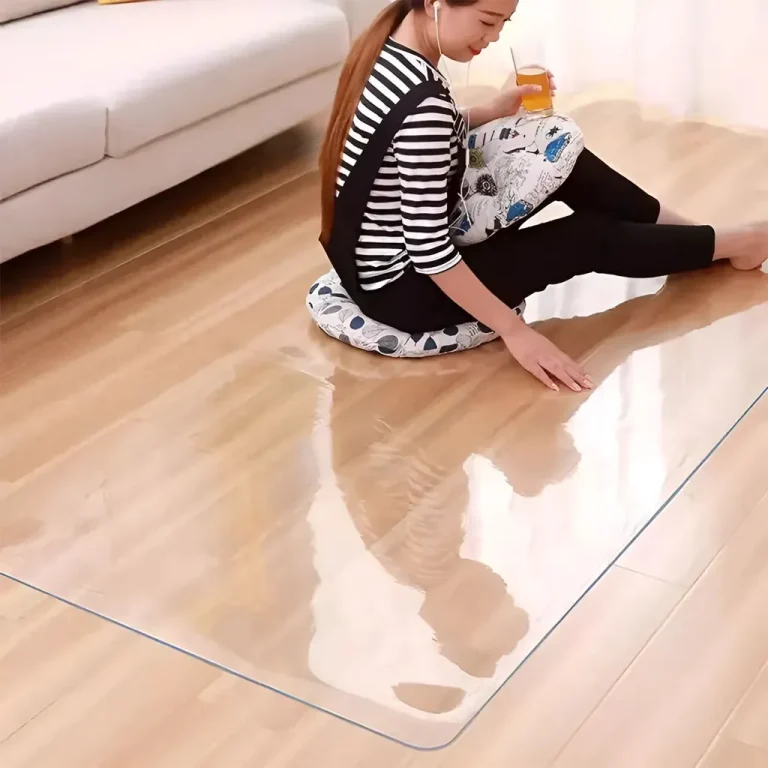
Produced through a calendering process, this category includes transparent film, frosted film, embossed film, pearlescent film, and antistatic film. These are often single-layer or multi-layer composite films used for packaging, isolation, and car stickers.
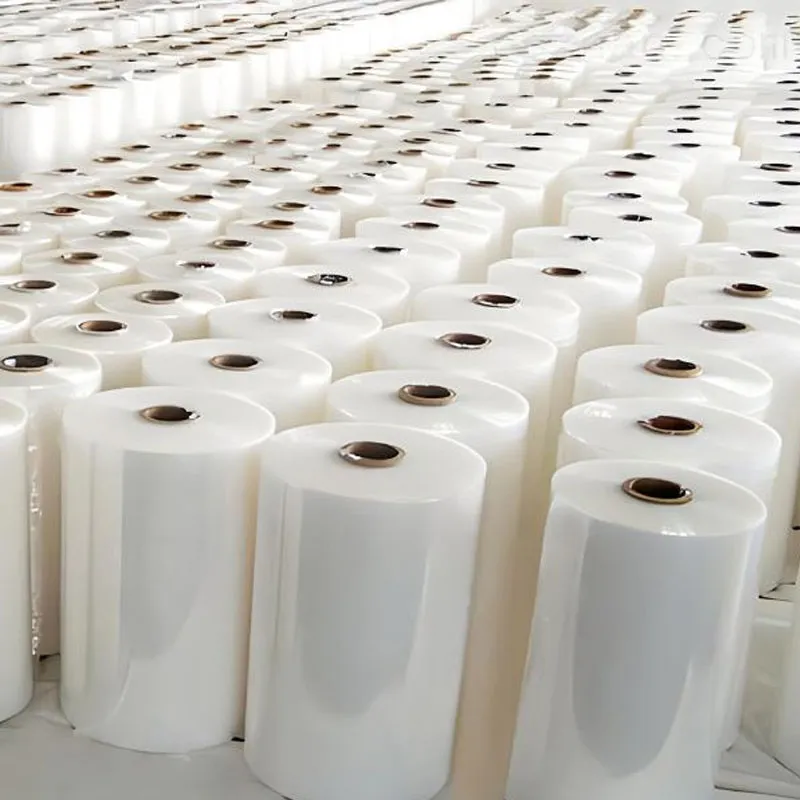
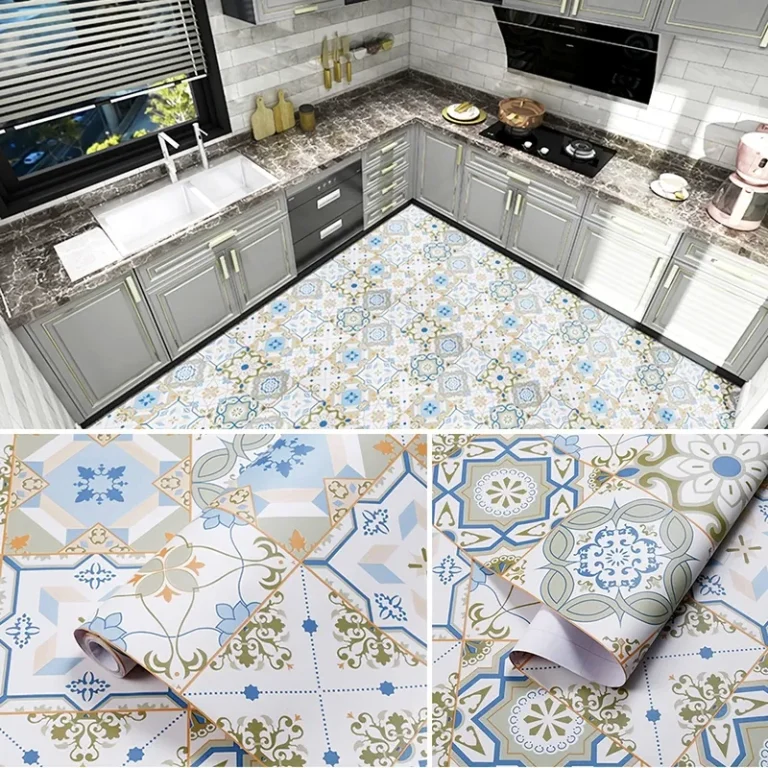
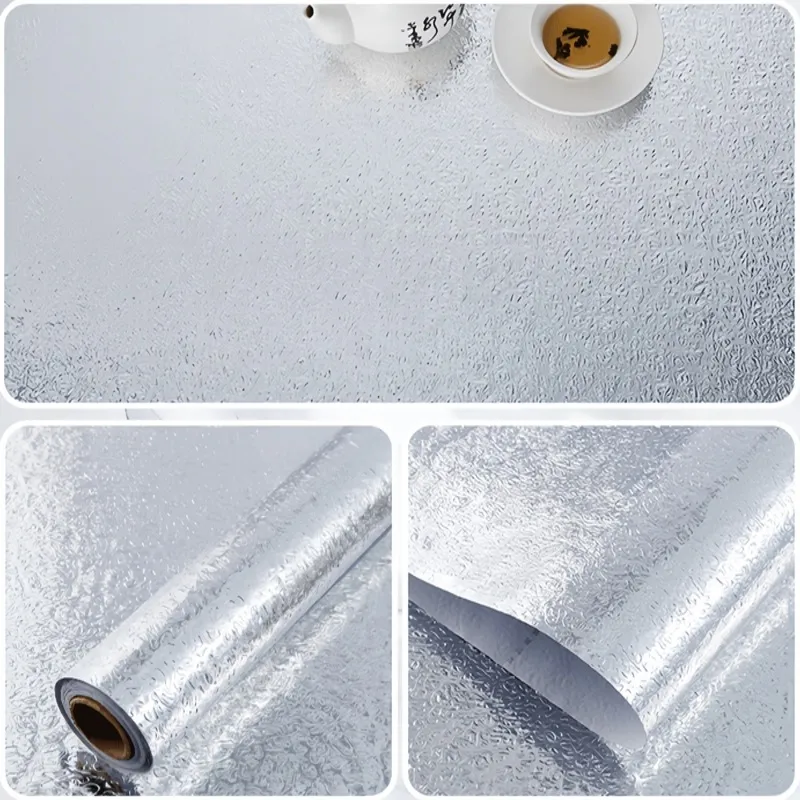
This is the largest segment, featuring films that replicate high-end materials. Key products include wood grain film, marble film, 3D relief film, and metal film. These are widely used for surface lamination on furniture and interior walls.

Beyond standard decoration, pvc film manufacture addresses specific technical demands:
Mastering the pvc film manufacture workflow requires precision engineering and strict quality control at every stage. The process typically follows a sequence that transforms raw polymer resin into a finished, printable substrate.
PVC resin is mixed with essential additives, including plasticizers for flexibility, stabilizers for heat resistance, color pigments, and processing aids. The exact formulation determines the film’s hardness, transparency, and weather resistance. This stage directly impacts compliance with PVC Plasticizers and Phthalates regulations.
The compound is processed through a series of heated rollers in a calendering line, which squeezes the material into a flat sheet of precise thickness. This method is superior for managing thickness tolerances, often adhering to standards like Plastic Film Thickness Testing. Modern lines integrate multi-layer capabilities to combine different colors or properties in one pass.
Post-forming, the film surface is treated. Embossing rollers create textures such as wood grain, matte, or 3D silk effects. Gloss levels are calibrated, a parameter often verified against Plastic Film Gloss Testing standards.
The jumbo roll is then slit into narrower, application-ready widths. High-quality pvc film manufacture includes automated optical inspection to detect gel particles or surface defects before the clean film is wound onto cores. Finally, split packaging ensures each roll is protected with PE film and labeled for shipment.
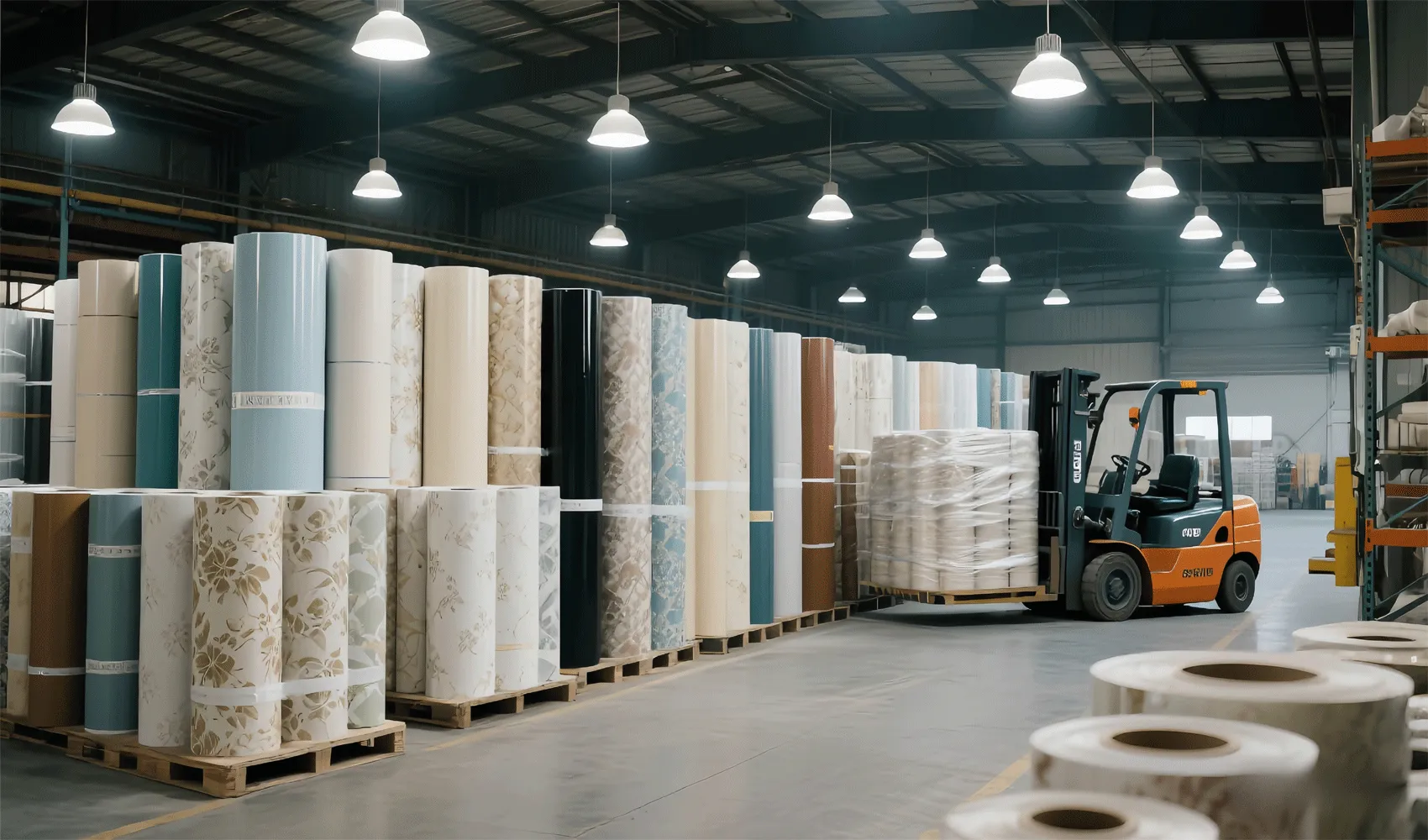
The adaptability of PVC films has cemented their role in a wide range of sectors. The following table summarizes the primary use cases linked to pvc film manufacture.
| Industry | Typical Applications | Film Features |
|---|---|---|
| Furniture | Cabinet wraps, wardrobe surfaces, door skins | Scratch-resistant, high-fidelity wood grain, soft touch |
| Construction | Interior wall panels, ceiling tiles, skirting boards | Fire-retardant, UV-stable, stone and marble textures |
| Flooring | LVT base layers, wear layers, decorative print film | High puncture resistance, dimensional stability |
| Advertising | Light box displays, exhibition backdrops, car wraps | High opacity, vibrant printability, outdoor durability |
| Electronics | Protective covers, appliance panels, insulation layers | Anti-static properties, flame retardancy |
A robust pvc film manufacture framework relies on adherence to international testing protocols. Rigorous verification ensures the film performs reliably in real-world conditions.
The visual appeal of the final product is non-negotiable. Haze and luminous transmittance are quantified per ASTM D1003, while surface gloss levels are categorized using a gloss meter according to ASTM D2457. For pvc film manufacture targeting export markets, compliance with EU PVC Chemical Restrictions regarding phthalates and heavy metals is mandatory.
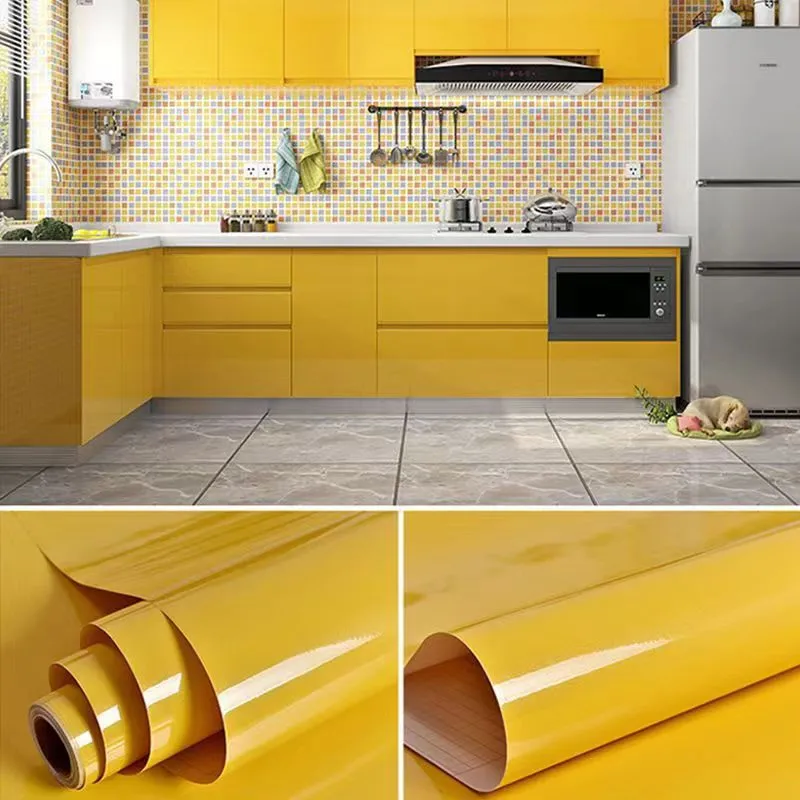
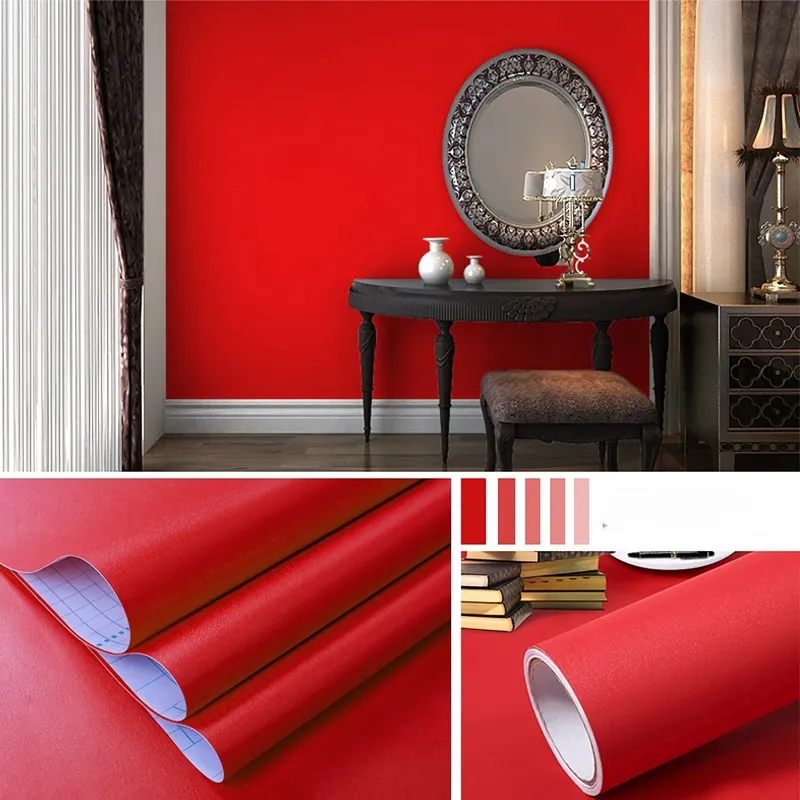
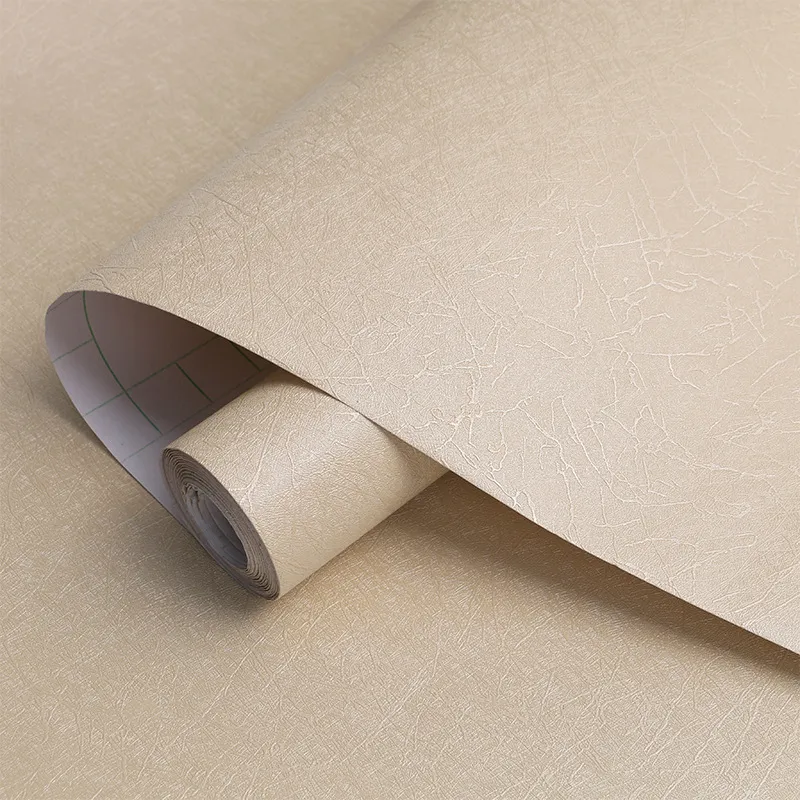
For importers and large-scale buyers, the manufacturer’s capability to guarantee consistent supply and technical flexibility is paramount. When evaluating a partner for pvc film manufacture, consider these factors:
A true end-to-end factory controls the entire value chain. Henan Pulivk New Materials Co., Ltd. exemplifies this by operating advanced calendering lines, printing lines, and split-packaging lines under one roof. By eliminating subcontractors, the factory ensures tighter quality control from raw material processing to finished packaging, reducing lead times and overall partner costs.
The ability to execute complex custom orders distinguishes a standard supplier from a strategic partner. This includes matching specific Pantone colors, custom wood grain or stone textures, and developing unique formulations. Support for bespoke roll lengths, core sizes, and private labeling is essential for brand differentiation. Factories with a deep reserve of over 2,000 base designs can quickly adapt to market trends.
Global export experience, particularly to regions like Southeast Asia, the Middle East, and Europe, signifies a mature logistics framework. Look for partners who offer flexible shipping solutions—sea, land, or air—and can provide documented environmental certifications such as RoHS and REACH for smooth customs clearance.
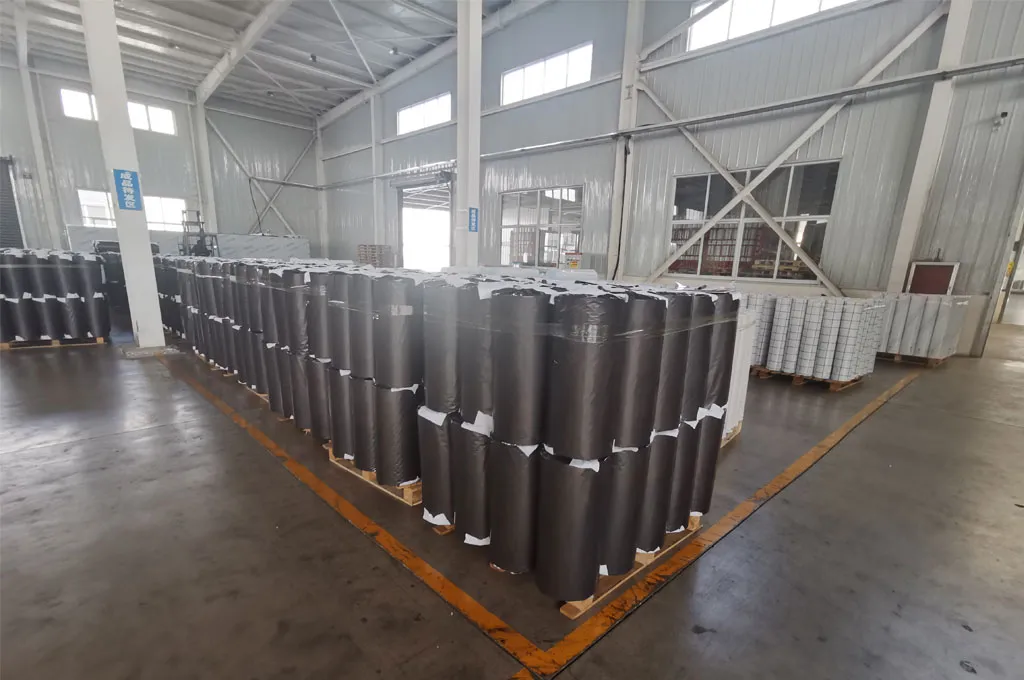
Ultimately, the landscape of pvc film manufacture continues to evolve toward higher performance, sustainability, and design realism. By aligning with a manufacturer that offers technical depth, aesthetic variety, and rigorous quality controls, businesses can secure a competitive edge in their respective industries.