Address
304 North Cardinal St.
Dorchester Center, MA 02124
Work Hours
Monday to Friday: 7AM - 7PM
Weekend: 10AM - 5PM
Address
304 North Cardinal St.
Dorchester Center, MA 02124
Work Hours
Monday to Friday: 7AM - 7PM
Weekend: 10AM - 5PM


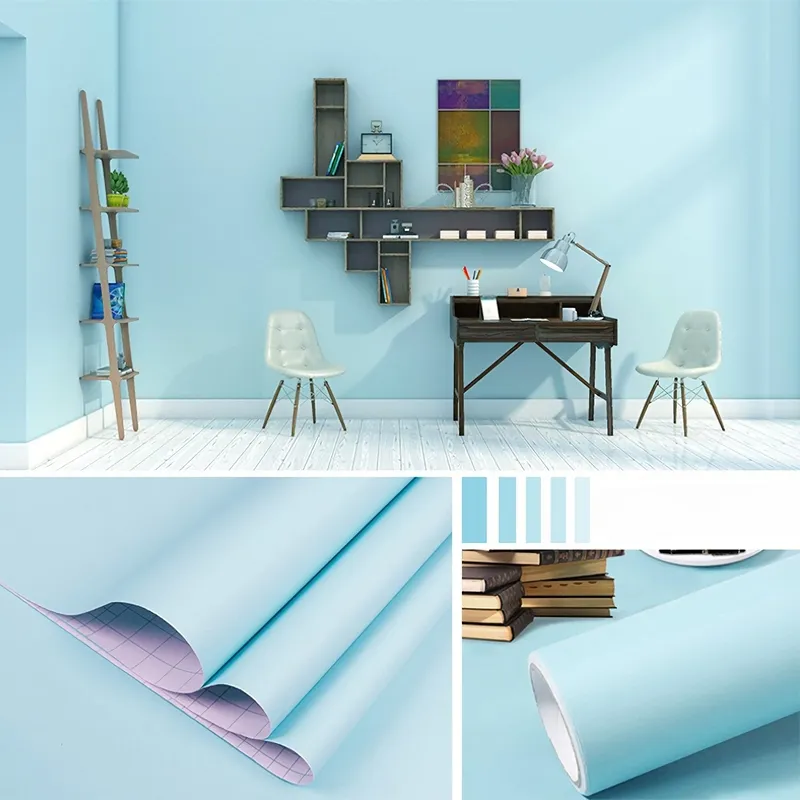
PVC film has evolved from a “basic plastic sheet” into a high-performance surface material used to upgrade furniture, interiors, appliances, medical packaging, and signage. Today’s buyers are no longer choosing only by price; they compare optical clarity, emboss depth, ink adhesion, anti-static performance, odor control, compliance (REACH/RoHS/FDA), and delivery reliability. This market analysis explains what is driving global demand, where PVC film is being applied most, how product types are segmented, and what a practical forecast looks like for manufacturers, distributors, and brand owners.
PVC film demand is supported by steady consumption across construction & interior renovation, furniture manufacturing, electronics protection, and medical and cleanroom packaging. While some regions face policy pressure to reduce certain plastic formats, PVC film remains competitive where durability, cleanability, decorative range, and cost control matter.
Key takeaway: Growth is increasingly “quality-led”—buyers prefer suppliers that can offer stable QC, functional coatings, and OEM-ready pattern/finish consistency over large volumes.
Demand is moving from flat colors to high-fidelity wood, stone, metal, and textile textures. Embossing and printing improvements make films look closer to natural materials while keeping the advantages of easy maintenance and scalable supply. A fast-growing niche is premium tactile surfaces such as soft-touch and deep embossed effects (often used on cabinet doors, wardrobes, and wall panels).
Buyers increasingly ask for films that do more than decorate. In electronics and appliance segments, anti-static and protective requirements are common. In kitchens and bathrooms, easy-clean and stain-resistant surfaces gain share. In medical and cleanroom environments, consistent material safety and low contamination handling are critical.
The market increasingly rewards suppliers who can deliver stable color matching, repeatable emboss depth, and consistent gloss levels across batches—especially for large furniture chains and building-material brands. Custom width, thickness, roll length, and packaging are standard requests, not “special projects.”
Procurement teams now check REACH/RoHS alignment and request documentation on heavy metals, phthalates, and indoor-use suitability. Films using eco-friendly inks and clear compliance reporting tend to win in export-heavy supply chains.
➤ Renovation cycles: When households and commercial spaces refresh interiors, decorative films provide a cost-effective way to modernize surfaces quickly.
➤ Industrial efficiency: Furniture and panel manufacturers benefit from fast lamination and consistent appearance at scale, reducing reliance on scarce natural veneers.
➤ Durability and maintenance: PVC films are selected for abrasion resistance, water resistance, and easy wipe-clean performance in high-traffic environments.
➤ Export-ready supply: Global trade favors suppliers with stable lead times, protective roll packaging, and batch traceability.
“PVC film” covers a wide range of constructions and finishes. In real purchasing decisions, buyers compare the film by manufacturing route, surface effect, and end-use performance—then narrow down by thickness, width, and roll format.
Calendered film is widely used for stable thickness control and scalable production, serving both decorative and industrial needs. If you are evaluating stable base film for lamination and printing, see
Calendered Film.
Decorative product lines typically include printing + embossing options (wood grain, marble, metallic, cloth grain), while functional lines add coatings or formulations for anti-static, anti-fog, protective, or specialty environments.
Visual style is often the fastest decision filter in interiors and furniture. Wood and stone patterns remain top sellers because they match multiple design languages—from minimal commercial offices to warm residential spaces—while hiding fingerprints and minor scratches better than ultra-gloss finishes.
For deeper tactile effects used in premium panels, consider a textured option such as
3D Silk Texture Film,
which targets buyers who want both a soft visual texture and a higher-end hand feel.
Self-adhesive films simplify on-site installation for renovation and retail display use, while non-adhesive films are commonly used in factory lamination where manufacturers control adhesive systems and process parameters. In either case, consistent release, adhesion behavior, and surface energy are essential to reduce rework.
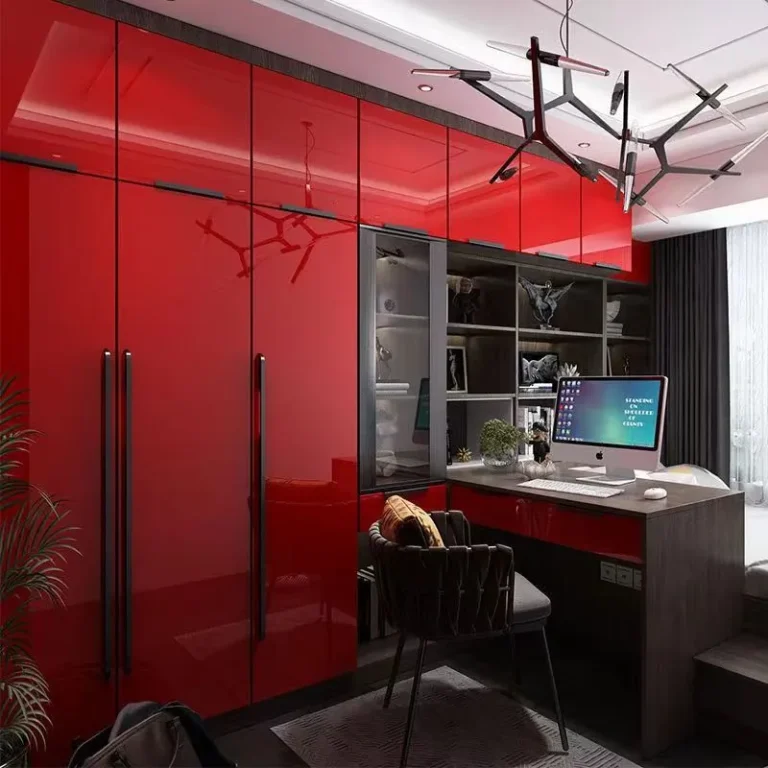
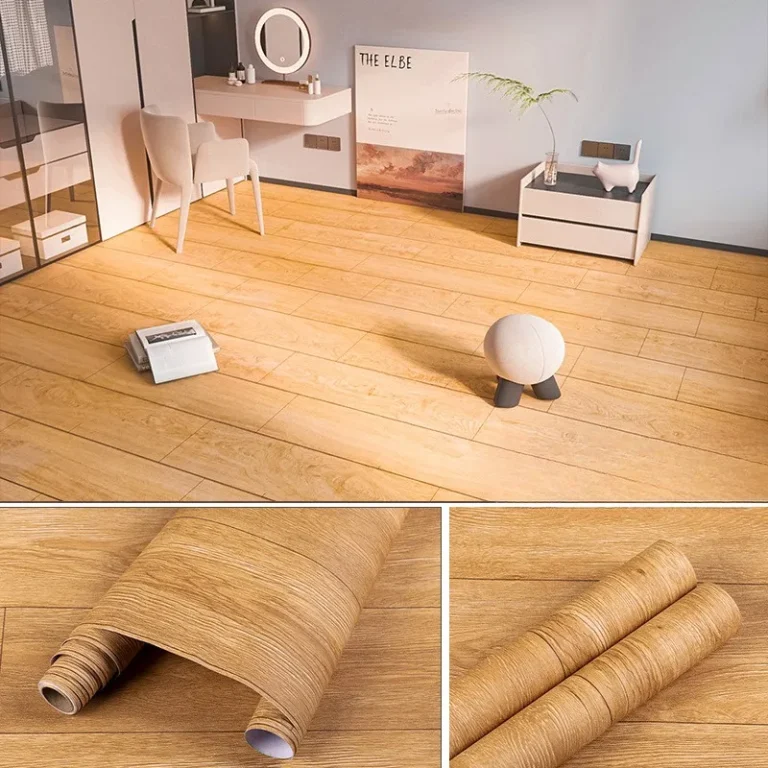
Cabinet doors, wardrobes, tabletops, and office furniture often use wood grain, cloth grain, matte, glossy, and soft-touch films to improve appearance and scratch resistance while simplifying cleaning. For mainstream decorative demand, a classic choice is
Wood Grain Film.
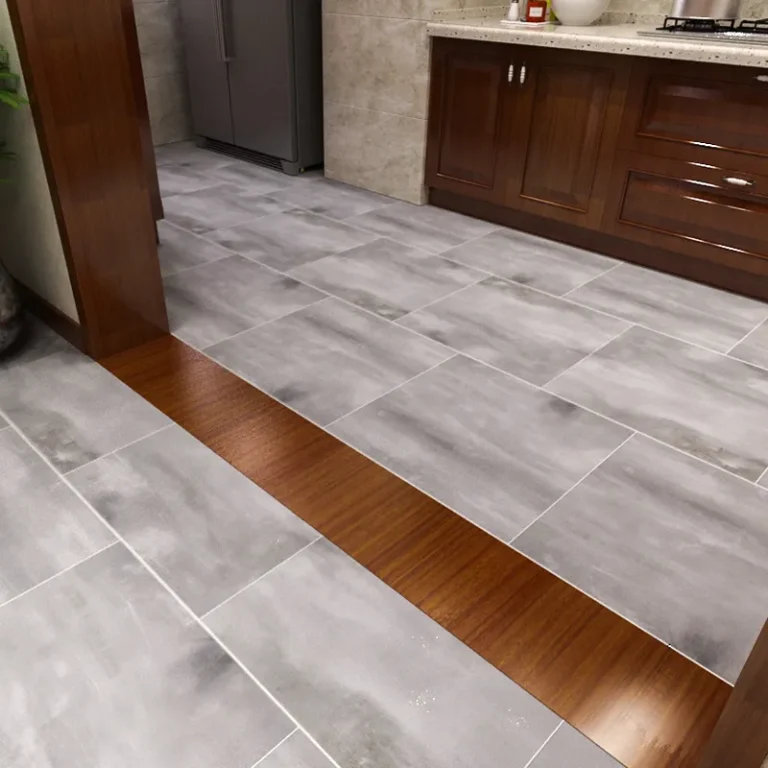
Renovation projects value fast installation and consistent pattern continuity across lots. Skirting and trim films help unify design themes while protecting edges from moisture and daily wear. A targeted option here is
PVC Skirting Film.
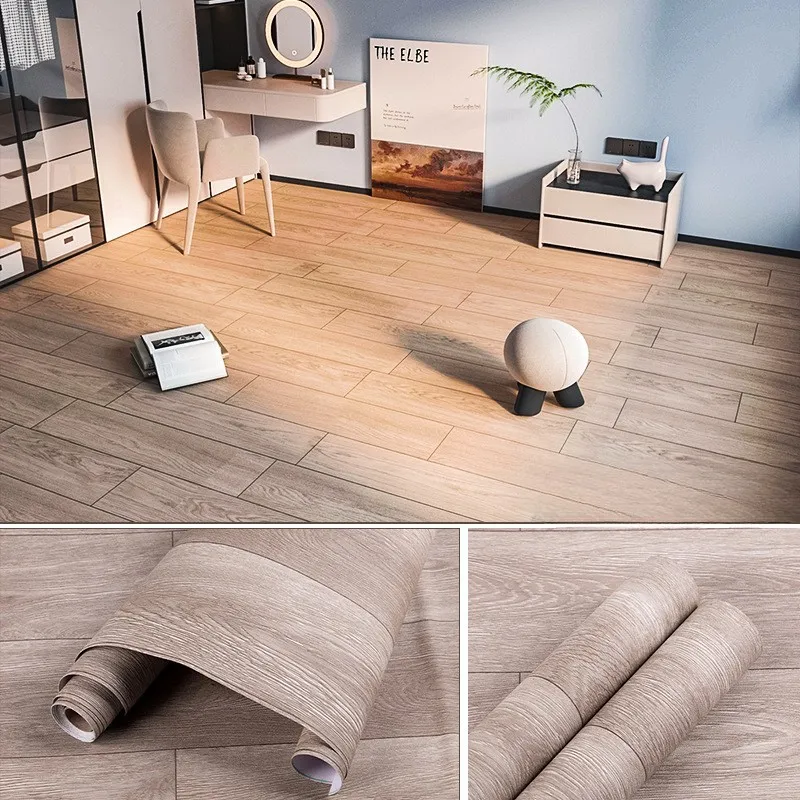
PVC-based floor surfaces compete on abrasion resistance, slip performance, and ease of maintenance. Many buyers source decorative + wear-layer compatible materials for stable performance in residential and light-commercial spaces. A product direction aligned with this demand is
Floor Film.
Anti-static, insulation, protective, and brushed/metal-texture films are common. Procurement focuses on thickness stability, adhesion consistency, and surface defect control (gels, fisheyes, scratches) to protect yield rates.
Clean handling, traceability, and compliance evidence matter as much as mechanical properties. Films used in these environments are typically evaluated for odor, migration, sealing compatibility, and packaging integrity under transport.
✔ Batch consistency: gloss, color delta, emboss repeat, thickness tolerance, and stable winding.
✔ Lead time reliability: predictable schedules, realistic capacity planning, and export-ready packaging to prevent moisture and damage.
✔ QC and traceability: multi-step inspections from raw materials to finished rolls; measurable testing for strength, adhesion, and optical properties.
✔ Customization depth: thickness/width, surface treatments (anti-static, anti-fog, food-grade), printing, and private-label packaging.
The PVC film market outlook remains positive in application areas where surfaces must be durable, decorative, and cost-controlled. Growth is expected to be strongest where urban renovation, commercial build-outs, and affordable housing support stable consumption of interior finishing materials. Meanwhile, industrial segments (electronics protection, appliance surfaces, cleanroom packaging) will continue to reward suppliers with consistent QC and functional performance.
Baseline: steady demand from furniture and building decoration; incremental upgrades in texture realism and easy-clean performance.
Upside case: faster renovation cycles and wider adoption of premium embossed/3D textures; higher demand for OEM pattern libraries and rapid sampling.
Downside risks: resin and additive volatility, logistics disruptions, and shifting compliance expectations that increase documentation and testing requirements.
In PVC film procurement, capability matters as much as the catalog. Suppliers with integrated calendering, printing, and slitting/packing can control quality across the chain and respond faster to design changes. Full-process production also reduces coordination risk between multiple subcontractors—often improving consistency in gloss, emboss, and color matching.
➤ Shorter lead times: fewer handoffs between factories means quicker sampling and more reliable bulk delivery.
➤ Lower defect risk: process-linked QC catches problems earlier (thickness drift, print issues, winding tension).
➤ Better packaging control: roll-by-roll wrapping (e.g., dustproof PE film or kraft paper) and clear labels reduce transit claims and warehouse confusion.
1) End application: cabinet door lamination, wall panel wrap, skirting, floor system, protective packaging, etc.
2) Film structure: single-layer vs. multi-layer, with or without adhesive, and any backing requirements.
3) Key parameters: thickness, width, roll length, gloss level (matte/satin/glossy), emboss depth, and color tolerance.
4) Performance targets: anti-static/anti-fog/food-grade needs, abrasion resistance, heat resistance, and cleanability.
5) Compliance & documentation: REACH/RoHS/FDA requests, test reports, and batch traceability expectations.
Most commonly for furniture surfaces (cabinets, wardrobes), building decoration (wall panels, skirting), and protective/functional uses in electronics, appliances, and packaging.
Glossy highlights color and depth but shows fingerprints more easily; matte hides smudges and suits modern interiors; embossed textures improve scratch-hiding and add a more premium tactile feel.
Yes. Typical OEM/ODM customization includes thickness, width, roll size, color/pattern, printing, surface finish, and functional treatments such as anti-static or anti-fog.
Provide application, film type (decorative/functional; adhesive or not), thickness, width, roll length, finish/pattern, quantity, and any compliance or testing requirements.
Request pre-production samples, confirm measurable specs (thickness tolerance, gloss range, color delta), require batch traceability, and align on packaging standards to prevent transit damage.