Address
304 North Cardinal St.
Dorchester Center, MA 02124
Work Hours
Monday to Friday: 7AM - 7PM
Weekend: 10AM - 5PM
Address
304 North Cardinal St.
Dorchester Center, MA 02124
Work Hours
Monday to Friday: 7AM - 7PM
Weekend: 10AM - 5PM


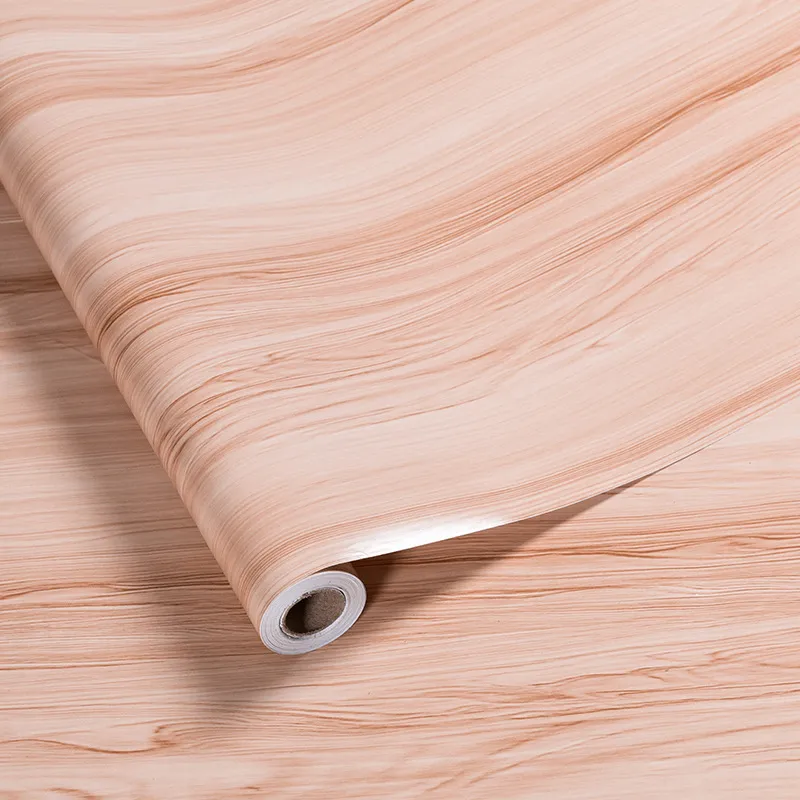
PVC film material is one of the most versatile polymer sheets used today for decoration, protection, and functional surfaces. From modern furniture wraps and interior wall panels to electronics insulation and medical-grade packaging, PVC film offers a practical balance of appearance, durability, and processability. This guide explains the key properties, major applications, typical manufacturing routes, and a practical buying checklist—so you can specify the right film with fewer trials and faster sourcing.
✔ Quick takeaway:
The best PVC film purchase is not “the thickest” or “the prettiest.” It’s the film whose formulation, surface, and process compatibility match your real use conditions: heat, abrasion, cleaning chemicals, humidity, adhesion method, and installation skill level.
PVC film is a thin sheet made from polyvinyl chloride resin combined with additives (plasticizers, stabilizers, pigments, lubricants, and functional agents). Depending on the formulation, PVC film can be rigid (higher hardness, better dimensional stability) or flexible (softer hand-feel, better wrapping and forming).
In industrial sourcing, PVC films are usually described by:
process type (calendered, cast, coated/laminated),
surface (glossy, matte, embossed, soft-touch, anti-static),
structure (single-layer, multi-layer composite, fabric-backed),
and adhesion (non-adhesive vs. self-adhesive).
PVC film’s performance comes from both resin design and surface engineering. Below are the properties procurement and engineering teams typically evaluate first.
In production, PVC film must survive heating cycles (lamination, vacuum press, wrapping, edge banding) without excessive shrinkage, distortion, or surface defects. Ask for:
heat shrink rate, softening behavior, and recommended processing temperature range.
⚠ Production note:
If you are doing membrane press or vacuum forming on MDF doors, confirm the film’s thermoformability, elongation, and whether a primer/topcoat is required for consistent adhesion and stain resistance.
Kitchens, bathrooms, hospitals, and public buildings demand easy-clean surfaces. Specify resistance to common agents (detergents, alcohol wipes, mild acids/alkalis, cooking oil, cosmetics). For indoor projects, many buyers also require low-odor solutions and compliance with regulated substances.
For global buyers, typical compliance references include REACH, RoHS, ISO systems (such as ISO 9001/14001), and in some cases FDA for food-contact-related applications. Always match the report scope to your exact film series and batch.
PVC films are used across furniture manufacturing, construction decoration, electronics, advertising display, medical/cleanroom, and home products. The right film typically delivers two outcomes: upgraded appearance and reduced lifetime maintenance.
Common uses include cabinet doors, wardrobe fronts, tabletops, wall panels, and decorative trims. Popular styles are
Wood Grain Film,
high-gloss solid colors, matte anti-fingerprint looks, and tactile textures for premium retail fixtures.
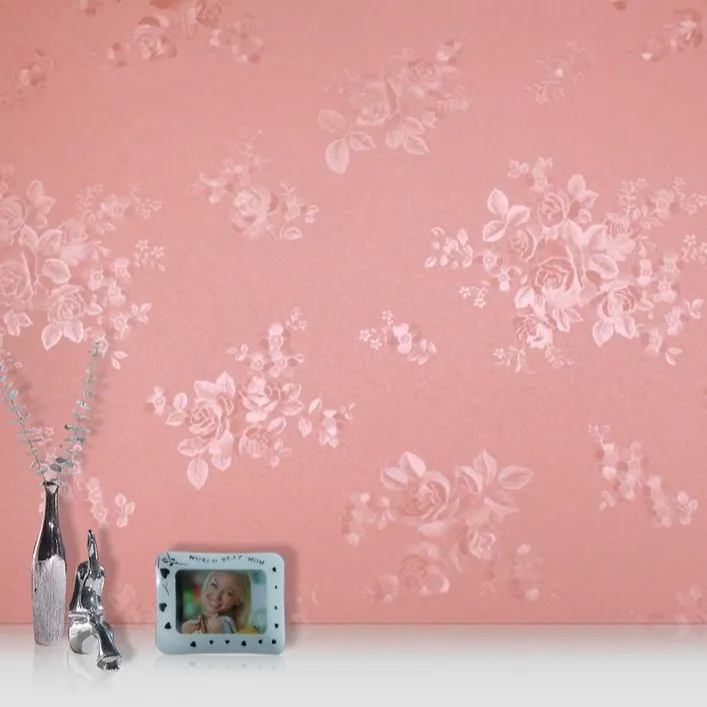
Wall finishes, partitions, ceilings, and trims often use decorative PVC films for fast installation and consistent patterns.
For edges and baseboard finishing, PVC Skirting Film helps unify design while improving wipe-clean durability.
For residential and commercial spaces, PVC-based floor layers are valued for abrasion resistance and easy maintenance.
If your project involves flooring surfaces or protection layers, consider
Floor Film
and specify wear layer expectations early.
Embossed and multi-dimensional surfaces add depth under showroom lighting. For premium tactile designs,
3D Silk Texture Film
can help create a distinctive “touch + visual” identity for doors, panels, and display furniture.
Understanding the manufacturing route helps you judge what can be controlled (and what cannot). High-quality PVC film production is a system: formulation design, stable processing, surface treatment, printing/embossing, and disciplined QC.
PVC resin is blended with plasticizers (for flexibility), stabilizers (heat stability), pigments, fillers, lubricants, and functional agents (anti-static, anti-fog, anti-scratch). The formulation determines softness, odor level, migration risk, aging behavior, and color stability.
Many decorative and industrial PVC films are produced by calendering, where heated compound is passed through a series of rollers to form a uniform sheet. Calendering is valued for throughput, thickness control, and compatibility with embossing and inline treatments.
For product reference, see Calendered Film.
★ What calendering can influence:
thickness tolerance, surface smoothness, gloss uniformity, and the base layer stability that later affects printing and lamination yield.
After the base film is formed, manufacturers may add decorative or functional layers:
embossing rollers create wood pores, fabric weave, brushed metal lines, or 3D relief; printing adds patterns; coatings enhance scratch resistance, matte feel, or anti-fingerprint performance.
For self-adhesive films, a controlled adhesive layer and release liner are added. For composite structures, the film may be laminated with fabric backing or paired with protective layers to balance stiffness and dimensional stability.
Films are slit to customer widths, then packed to protect edges and surfaces during shipping. Professional export packing often includes individual wrapping (dust-proof PE film or kraft paper), labeling by specification, and moisture protection for sea freight.
A reliable QC plan prevents surprises like color mismatch, bubbling, poor adhesion, shrink marks, or edge cracking. If you are onboarding a new supplier or launching a new pattern, treat sampling as a process—not a single swatch review.
A clear specification reduces quoting time, avoids sampling loops, and helps suppliers deliver consistent batches. Below is a buyer-friendly checklist you can send to your vendor or use internally.
If your project is design-led, start with the surface effect—but finalize with performance:
high-gloss highlights premium appearance yet demands better scratch resistance;
matte hides fingerprints but needs stable haze control;
soft-touch feels luxurious but should be tested for stain pickup and cleaning compatibility;
embossed patterns can disguise minor defects and add realism to wood/stone designs.
For international shipments, confirm roll protection and labeling: individual wrapping, dust control, moisture protection, and clear spec labels (pattern code, lot number, width, length, thickness). This reduces warehouse mistakes and makes batch traceability possible.
For buyers scaling up, supplier capability is as important as film aesthetics. Manufacturers with integrated lines—calendering, printing, slitting, and packaging—can control critical variables and shorten lead times. This also supports stable repeat orders because the same process chain is used from raw materials through finished rolls.
In practice, full-process control helps deliver:
stable color reproduction, better thickness uniformity, consistent emboss depth, and disciplined QC checkpoints from compounding to final packing—especially valuable for furniture, building decoration, electronics, advertising, medical, and home product supply chains.
✔ Practical sourcing tip:
When comparing suppliers, request the same pattern in two batches (or ask for historical batch data). Consistency over time is often more important than a single “perfect” sample.
PVC film material succeeds because it can be engineered for both beauty and performance. To purchase confidently, define your end-use environment, choose the right surface and structure, validate process compatibility (heat, adhesion, forming), and confirm QC items that protect mass-production yield. With clear specs and realistic tests, PVC film becomes a dependable solution for long-lasting decorative and functional surfaces.
The most common uses are furniture wrapping/lamination (cabinet doors, wardrobes, panels), interior decoration (walls, trims), protective surfaces, and certain packaging or industrial liner applications.
Calendered film is a popular choice for decorative and industrial uses due to strong thickness control and production stability. “Better” depends on your forming method, surface requirements, and compliance needs.
Yes. Many suppliers provide OEM/ODM customization including thickness, width, roll length, embossing, printing patterns, color matching, surface treatments (anti-static/anti-fog/anti-scratch), and export-ready packaging.
Send the film type, thickness, width, roll length, surface (gloss/matte/emboss), color or pattern reference, intended application method, order quantity, and destination country for logistics planning.
Lock a standard sample, define acceptable color tolerance, request batch traceability, and confirm that the supplier uses stable process control for compounding, printing, and embossing—then validate with pre-production samples before mass shipment.