Address
304 North Cardinal St.
Dorchester Center, MA 02124
Work Hours
Monday to Friday: 7AM - 7PM
Weekend: 10AM - 5PM
Address
304 North Cardinal St.
Dorchester Center, MA 02124
Work Hours
Monday to Friday: 7AM - 7PM
Weekend: 10AM - 5PM



 ByPulivk
Polyvinyl Chloride (PVC) film is a widely used thermoplastic material found in applications ranging from decorative surface finishes to industrial packaging. Understanding the Material Safety Data Sheet (MSDS) for PVC film is crucial for ensuring workplace safety, regulatory compliance, and proper material handling. This document provides a comprehensive breakdown of the safety, health, and environmental information associated with standard PVC film products.

Product Name: PVC Film (Polyvinyl Chloride Film)
Synonyms: Vinyl film, calendered PVC sheet, decorative vinyl, calendered film.
Recommended Use: Surface decoration, furniture lamination, packaging, construction materials.
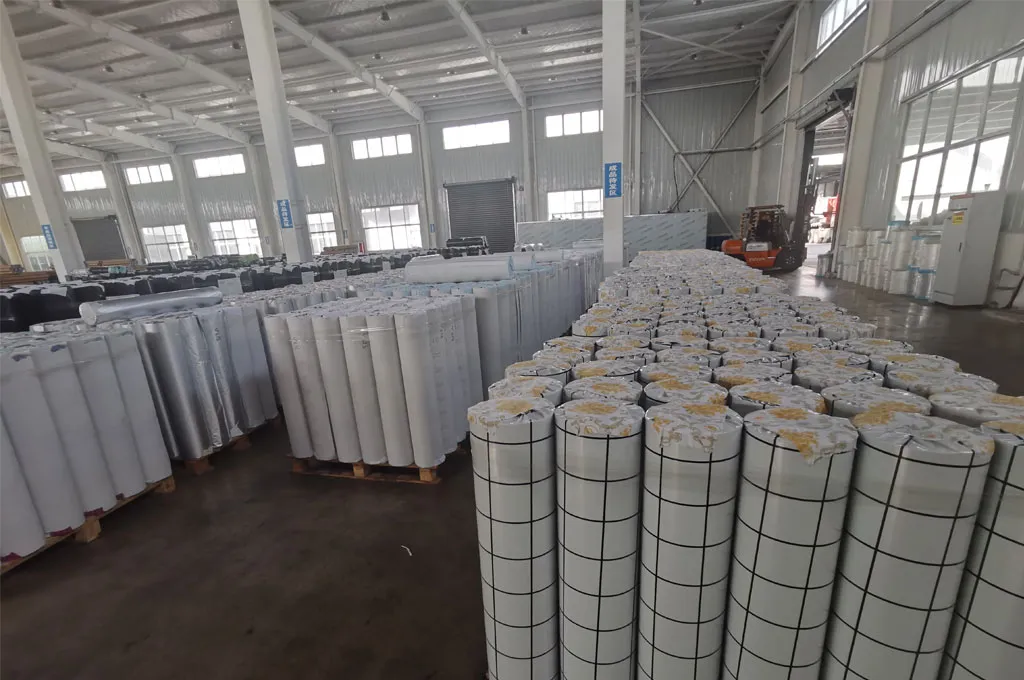
Supplier: Henan Pulivk New Materials Co., Ltd. is a professional manufacturer specializing in the production and export of various PVC films, ensuring high standards in quality and safety documentation for global clients.
Under normal handling conditions, solid PVC film presents minimal health risks. However, certain hazards arise during processing, such as cutting, heating, or combustion.
PVC is not readily biodegradable. Improper disposal can lead to environmental persistence. Recycling through proper PVC recycling and circularity channels is strongly recommended.
PVC film is a compounded mixture. The precise formulation varies by product type, such as wood grain film or solid color variants.
| Component | Typical CAS Number | Concentration Range |
|---|---|---|
| Polyvinyl Chloride Resin | 9002-86-2 | 60% – 95% |
| Plasticizers (e.g., DINP, DOTP) | Varies (68515-48-0) | 0% – 35% |
| Stabilizers (Ca-Zn based) | Mixture | 1% – 5% |
| Pigments / Fillers | Varies | 0% – 30% |
Suitable Extinguishing Media: Water spray, alcohol-resistant foam, dry chemical, or carbon dioxide.
Special Hazards: Thermal decomposition can release hydrogen chloride gas, carbon monoxide, and irritating fumes. Firefighters should wear self-contained breathing apparatus and full protective gear. The ISO plastic tensile testing standards often evaluate material behavior under stress including thermal degradation.
For solid film scrap or rolls, mechanical collection is sufficient. Avoid generating airborne dust. Prevent material from entering drains or waterways. Collected material should be stored in suitable containers pending waste disposal or recycling in line with PVC circular economy principles.
| Protection Type | Recommendation |
|---|---|
| Respiratory | Use NIOSH-approved dust mask if airborne particles are generated. Use supplied-air respirators in fire conditions. |
| Eye/Face | Safety glasses with side shields are recommended. |
| Skin | Protective gloves for thermal protection when handling hot material. |
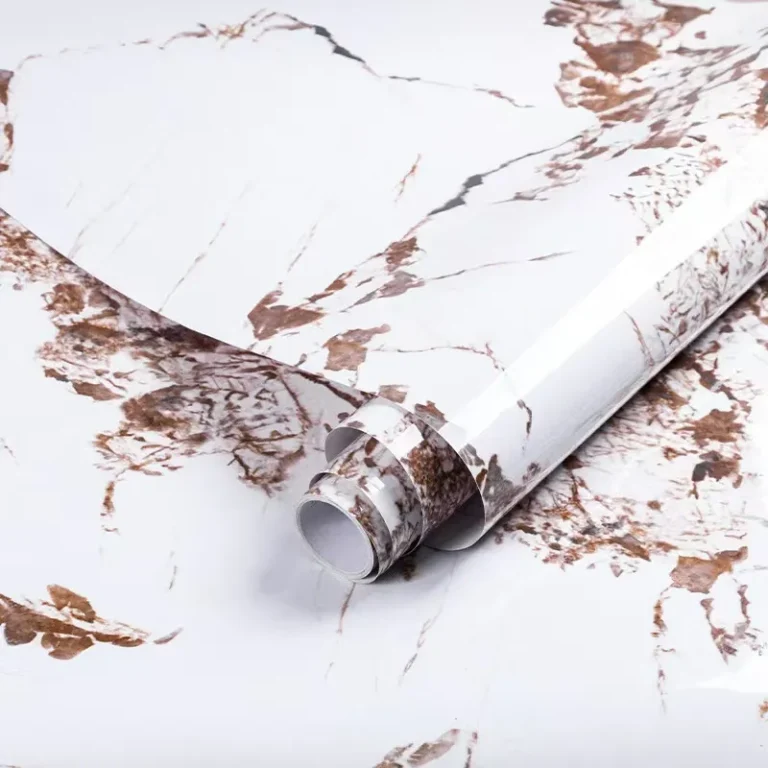
PVC film is available in a vast range of textures and finishes, including marble film and glossy surfaces.

Stability: Stable under recommended storage and handling conditions.
Conditions to Avoid: Excessive heat, open flames, and prolonged exposure to UV radiation which may degrade surface properties—relevant to the PVC film dimensional stability requirements.
Hazardous Decomposition Products: Hydrogen chloride, carbon monoxide, and carbon dioxide.
Finished PVC film products are generally inert and non-toxic. Health impacts are primarily associated with over-exposure to dust during mechanical finishing or fumes during thermal degradation. Phthalate-free and lead-free options, complying with strict environmental standards, are available for sensitive applications.
PVC does not biodegrade readily but is mechanically recyclable. Emissions during production are regulated by local environmental standards. Many modern films comply with rigorous standards including the PVC life cycle assessment for reduced carbon footprint.
Do not incinerate in uncontrolled facilities. Dispose of waste material in accordance with local, state, and national regulations. Whenever feasible, process scrap should be reintroduced into the production cycle or dedicated recycling streams.
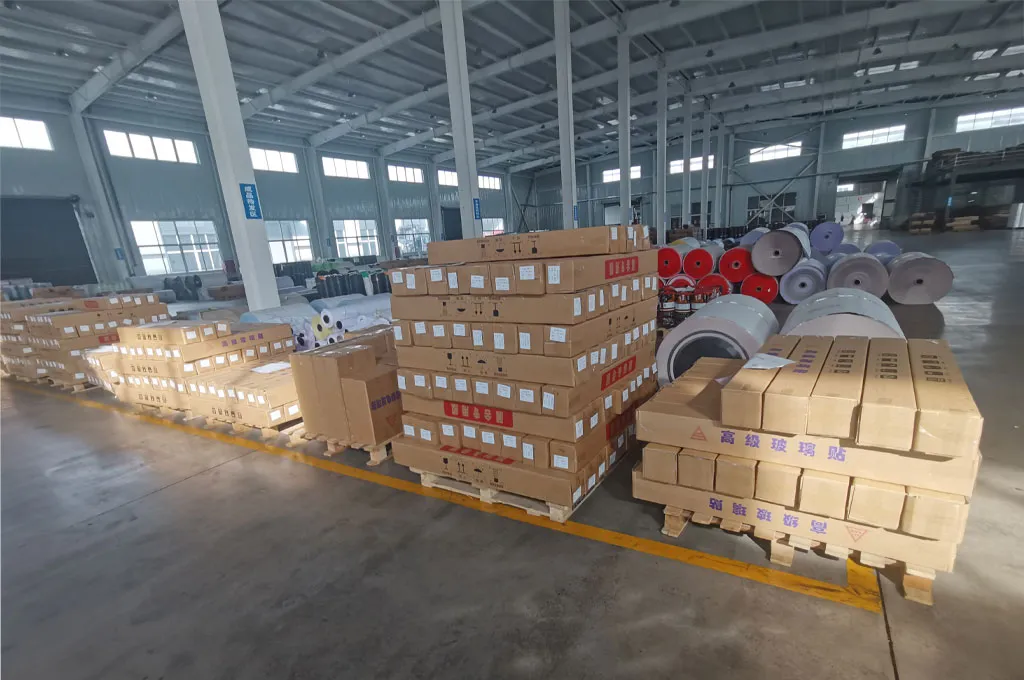
PVC film is not classified as dangerous goods under ADR, RID, IATA, or IMDG transport regulations. It can be shipped safely as standard cargo in containers or trucks without special hazard labels. Proper packaging ensures protection against physical damage and moisture during transit.
Compliance can be achieved with international standards for specific applications. Depending on the formulation, products may meet the requirements of the EU PVC chemical restrictions under REACH or the Food and Drug Administration regulations for certain food contact applications.
The information contained in this MSDS is provided in good faith and represents the best knowledge available on the subject as of the date of issuance. It is not intended to be a warranty, either express or implied. Users should verify compliance with specific local regulations prior to application. For technical support regarding product selection or safety compliance, it is advisable to consult directly with the material manufacturer.