Address
304 North Cardinal St.
Dorchester Center, MA 02124
Work Hours
Monday to Friday: 7AM - 7PM
Weekend: 10AM - 5PM
Address
304 North Cardinal St.
Dorchester Center, MA 02124
Work Hours
Monday to Friday: 7AM - 7PM
Weekend: 10AM - 5PM


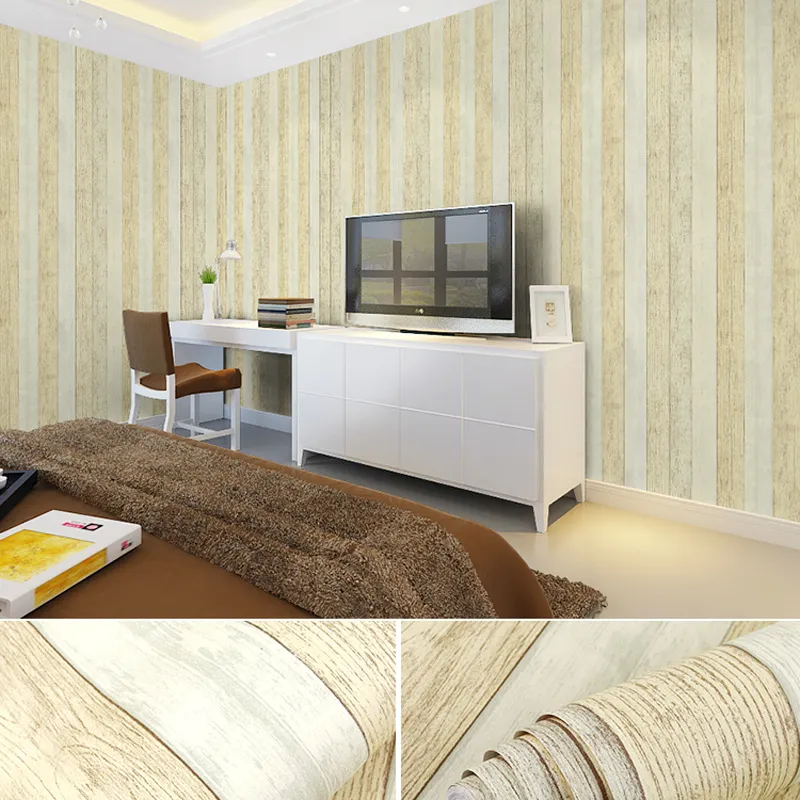
PVC film packaging is a practical, high-performance way to protect products, enhance shelf appeal, and simplify logistics across industries such as furniture, construction, electronics, advertising, medical, and household goods. When chosen correctly, PVC packaging film can deliver a strong balance of clarity, durability, surface finish, and cost efficiency—while supporting customization like printing, texture, and functional coatings.
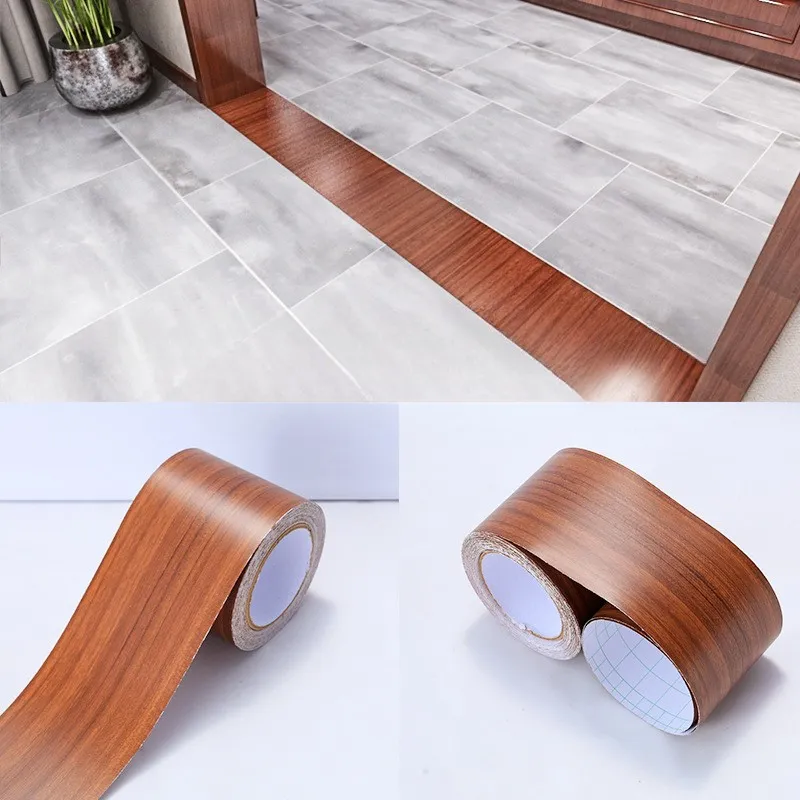
PVC (polyvinyl chloride) film is a thin plastic sheet that can be produced in multiple structures and surface finishes. In packaging, PVC film is commonly used as a protective layer, wrap, laminate, or surface-cover material. Depending on the formulation and processing method, it can be rigid or flexible, highly transparent or decorative, and can be enhanced with coatings such as anti-static, anti-fog, or food-grade options for specific use cases.
✔ Key idea:
PVC film packaging is not “one film fits all.” The best results come from matching film type, thickness, surface, and processing method to your product’s real-world handling, storage, and customer expectations.
PVC films can provide strong resistance to scuffs, abrasion, and everyday wear. This is especially valuable for products that are frequently handled in retail, shipped long-distance, or stored in busy warehouses. A properly specified PVC film helps reduce surface scratches and minimizes customer returns caused by cosmetic damage.
For display-driven products, PVC film can offer high transparency to showcase the item inside, or decorative effects to increase perceived value—such as glossy, matte, embossed, pearlescent, metallic, or artistic textures. If you need a premium surface feel, soft-touch or textured films can create a high-end impression without changing the underlying material.
PVC packaging films are compatible with printing and color matching. This enables consistent branding across product lines and allows you to add key information such as batch codes, instructions, or compliance marks. OEM/ODM customization can include thickness, width, roll length, pattern, and surface treatments like anti-static or anti-fog.
PVC films are commonly produced at scale with stable quality, making them cost-effective for both standard and customized packaging needs. When the supplier has an integrated production chain (calendering, printing, slitting, and packaging), it often results in better lead times, lower total cost, and improved consistency across batches.
⚠ Practical note for buyers:
Cost is not only “price per kg.” Ask about yield, defect rate, winding quality, and how rolls are protected in transit (dust-proof wrap, kraft paper, labels). These details often decide whether your packaging line runs smoothly.
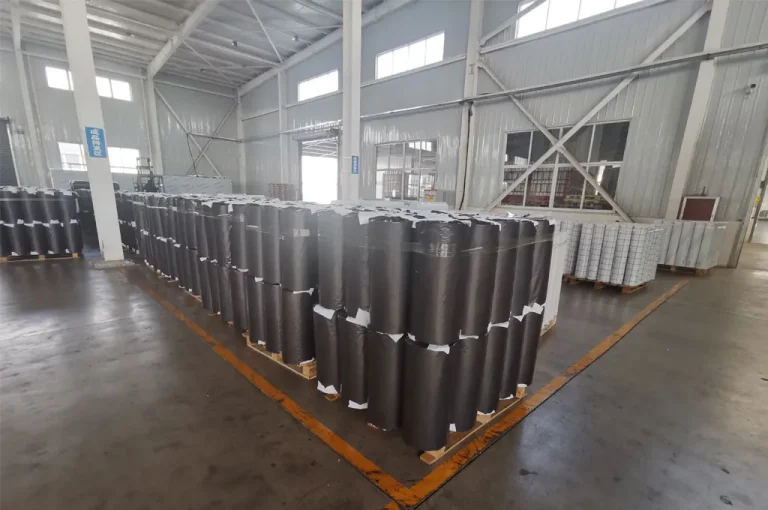
Many manufacturers package each roll individually with dust-proof PE film or kraft paper and apply clear specification labels to support safe transportation and warehouse identification.
Calendered films are produced by passing material through rollers to achieve consistent thickness and surface performance. They are widely used because they offer stable quality and good scalability for industrial orders.
If you’re evaluating this category, see Calendered Film for a reference point when comparing specifications and use cases.
Surface finish drives both aesthetics and performance. Transparent films highlight the product. Glossy films boost color saturation and shelf impact. Matte films reduce glare and fingerprints. Embossed finishes can improve scratch masking and premium feel while helping reduce visible handling marks.
For electronics and sensitive components, anti-static PVC film can help reduce dust attraction and electrostatic discharge risks during storage and handling. Other functional options include anti-fog (useful for humid environments), and food-grade coatings for products requiring contact-safe surfaces (subject to local regulatory requirements).
Self-adhesive films combine a PVC surface with an adhesive layer for quick installation and simplified processing. They’re often used where the “packaging” is also a protective surface layer on the product—common in home improvement, furniture surfaces, and temporary protection during transport.
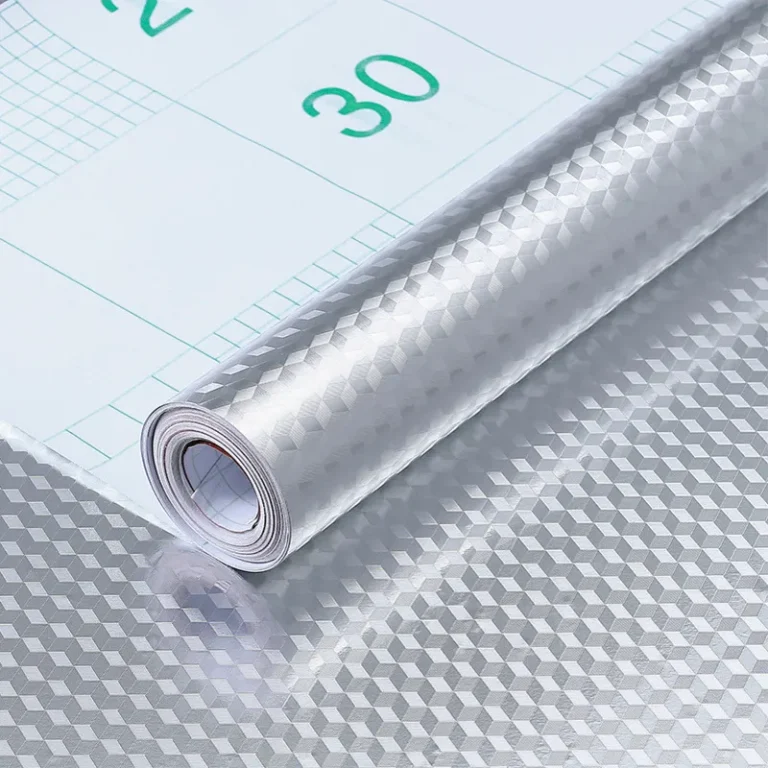
In many industries, the film acts as both protective packaging and a final-facing decorative layer. Examples include wood grain, marble, brushed textures, and 3D embossed effects. For a texture-forward option, you can review 3D Silk Texture Film as an example of how tactile design impacts perceived quality.
★ Quick classification tip:
Start with the product’s risk factors—scratch risk, dust sensitivity, humidity, and visual requirements—then choose structure + finish accordingly. “Prettiest film” is not always “lowest return rate.”
A clear requirement prevents over-specification or quality gaps. Ask internally:
Do you need the film primarily to protect the surface, to display the product through transparency, or to enable processing (lamination, slitting, wrapping, or automated packing)? Many projects need two or three goals—prioritize them to guide trade-offs.
Thickness affects stiffness, tear resistance, and overall protection. Lightweight items with minimal abrasion risk may work with thinner films, while heavy items, sharp-edged products, or long-distance shipping typically require thicker films to reduce punctures and creasing. If your goods are palletized, consider how strapping, corner protectors, and stacking loads interact with film durability.
Retail lighting, fingerprints, and dust exposure can change how your product looks in real life. Gloss may pop under bright lighting but can show scratches; matte reduces glare and fingerprints; embossed textures can hide wear. In humid climates or cold-chain transitions, consider anti-fog options to keep the product visible and presentable.
Functional coatings solve specific problems, but they must match the real scenario. For example, anti-static helps for electronics packaging and clean processing areas, while food-contact applications may require documented compliance (e.g., FDA, REACH, RoHS, and third-party test reports when applicable). Confirm what “compliant” means in your target market and request supporting documents.
Even a good film formula can cause headaches if roll winding is inconsistent. Ask about:
✔ Buyer checklist (copy/paste ready):
PVC films are frequently used to protect and decorate furniture panels, cabinet doors, and tabletops. Decorative surfaces (wood grain, cloth texture, stone effects) can increase perceived value while also improving cleanability. For example, a wood-look packaging/surface option can be referenced via
Wood Grain Film.
In building and decoration, PVC film can protect finished surfaces during installation and also serve as a final decorative layer. Solid color and textured options are popular for clean, modern interiors and easy maintenance—see
Solid Color Wallpaper
as an example of how uniform tones support minimalist design requirements.
For electronics, the priorities often include clean appearance, reduced dust attraction, and stable processing on automated lines. Anti-static films and consistent roll quality are especially important for improving yield and lowering rework caused by contamination or surface defects.
Medical and cleanroom scenarios typically require strict documentation, reliable batch traceability, and careful packaging to prevent contamination. If the film is used near sensitive environments, request third-party test reports and confirm material safety properties (such as being free of heavy metals and certain plasticizers where required).
When you’re selecting a PVC film packaging supplier, capabilities often matter as much as product specs. A manufacturer with full-process production—calendering, printing, and slitting/packaging—can better control quality, shorten delivery cycles, and reduce total cost. This end-to-end control also makes OEM customization more dependable because each step is adjusted as a system rather than outsourced across multiple parties.
For packaging film, “consistent” means more than meeting a single sample. Strong QC typically includes checks from raw materials to finished rolls, batch traceability, and testing for thickness stability, mechanical strength, adhesion (if applicable), and optical performance for clear films. If you operate high-speed equipment, consistency can directly impact downtime and scrap.
For international delivery, ensure the supplier can provide moisture and damage protection, clear labeling, and stable palletizing. If you import to regions with strict compliance expectations, confirm documentation readiness (ISO systems, REACH/RoHS/FDA claims where applicable, and third-party verification).
📌 What to request before placing a bulk order:
a pre-production sample roll (or lab dip for color), a written spec sheet with tolerances, QC standards, packing method (individual wrap + labels), and a realistic lead time plan for repeat orders.
PVC film is a thin polyvinyl chloride sheet used to protect, wrap, or enhance the appearance of products. It can be transparent or decorative and can include functional treatments like anti-static or anti-fog.
Choose thickness based on handling intensity, shipping distance, puncture risk, and your packing equipment. For best results, test under real packing and transport conditions and confirm tolerances with your supplier.
It can be, depending on formulation and target-market requirements. Request documentation such as REACH/RoHS/FDA-related compliance claims (where applicable) and third-party test reports, especially for contact-sensitive uses.
Glossy films maximize visual impact but can show scratches and fingerprints more easily. Matte films reduce glare and fingerprints and often look more premium in high-handling environments. The right choice depends on where and how your product is used.
Share the application, thickness, width, roll size, desired finish (transparent/matte/glossy/embossed), any functional needs (anti-static/anti-fog), color/pattern reference, and expected quantity so the supplier can match the film accurately.