Address
304 North Cardinal St.
Dorchester Center, MA 02124
Work Hours
Monday to Friday: 7AM - 7PM
Weekend: 10AM - 5PM
Address
304 North Cardinal St.
Dorchester Center, MA 02124
Work Hours
Monday to Friday: 7AM - 7PM
Weekend: 10AM - 5PM


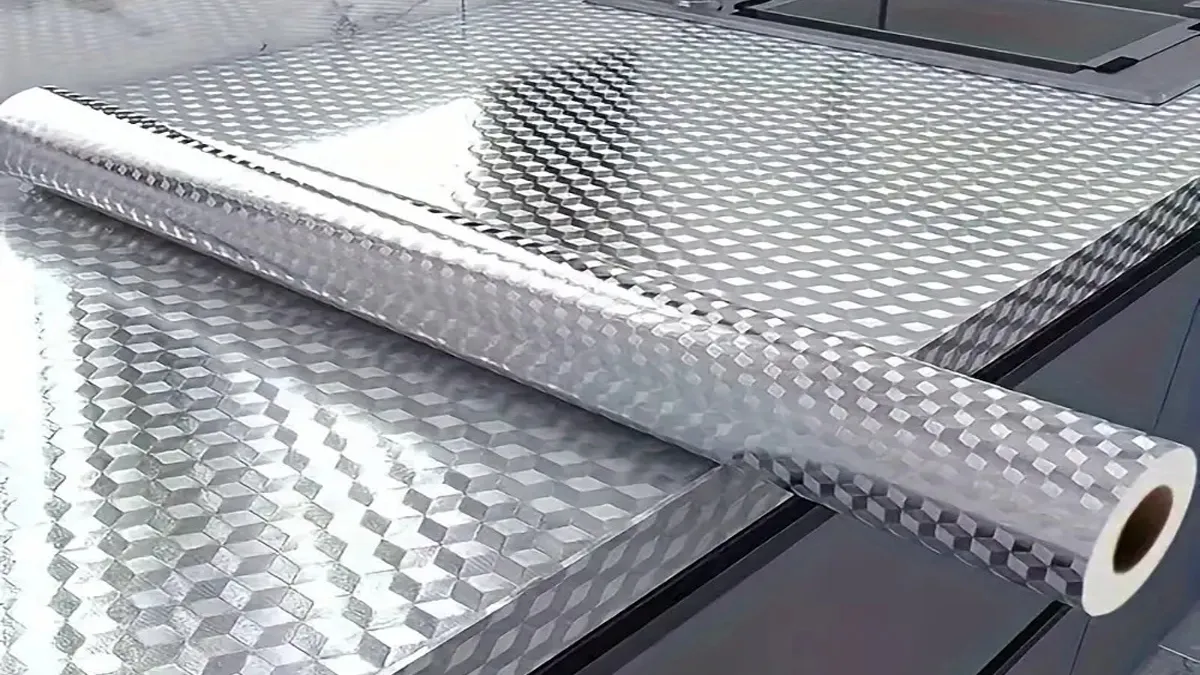
Labels do more than identify products—they communicate compliance, build brand trust, and protect traceability across the supply chain. Yet labels are also among the most vulnerable parts of packaging: they face abrasion during handling, moisture in storage, oil and chemicals in industrial settings, and UV exposure on shelves. That’s why PVC film packing material for labels is widely used as a clear, durable layer that keeps printed information readable, scannable, and visually sharp from production to end use.
Key takeaway:
PVC label packing films help reduce label defects, rework, and customer complaints by adding clarity, scratch resistance, moisture protection, and stable performance across different transport and storage conditions.
In label applications, PVC film packing material usually refers to a flexible PVC film used as a protective overwrap, lamination layer, or separator/packaging film for label rolls and finished labels. Depending on your workflow, PVC film may protect labels in at least three stages:
Many buyers choose calendered PVC film because it offers consistent thickness, stable tensile strength, and cost efficiency for high-volume label packaging. For an overview of base film options, you can review this product page:
Calendered Film.
A good label-protection film must remain optically clear while resisting daily damage. PVC stands out as a practical material because it can be engineered with a balanced mix of flexibility and toughness—helping labels survive real-world handling without cracking or clouding.
✔ High clarity: Keeps barcodes, QR codes, and fine text readable and scannable.
✔ Abrasion resistance: Helps prevent scratches that make labels look “used” before they reach the shelf.
✔ Moisture & contamination barrier: Adds protection against humidity, dust, and light splashes during transport.
✔ Process-friendly: Suitable for slitting, rewinding, and roll packaging workflows with consistent results.
PVC film packing material is used across many label types, from consumer goods to industrial traceability. The biggest gains usually come when labels are exposed to friction, frequent handling, or variable storage conditions.
Selecting PVC film for label packing isn’t only about thickness. You’ll get better performance when film properties match your print method, adhesive system, and end-use environment.
Thicker films generally increase scratch resistance and handling stability, while thinner films improve flexibility and cost efficiency. For roll-wrapped label protection, a balanced thickness often prevents “edge crush” without making rolls bulky.
If your label contains barcodes, small fonts, or security microtext, prioritize high clarity and controlled haze. Gloss can enhance shelf appearance; matte finishes can reduce reflections under warehouse scanning lights.
Depending on the environment, you may want anti-static performance, anti-fog, or other functional layers. In electronics packaging workflows, for example, anti-static options can reduce dust attraction and help keep label faces clean.
Prepare a short spec sheet: film type, thickness, width, roll length, target haze/gloss, surface treatment, and packing requirement (PE dust-proof wrap, kraft paper wrap, label tag). This reduces back-and-forth and speeds up qualification.
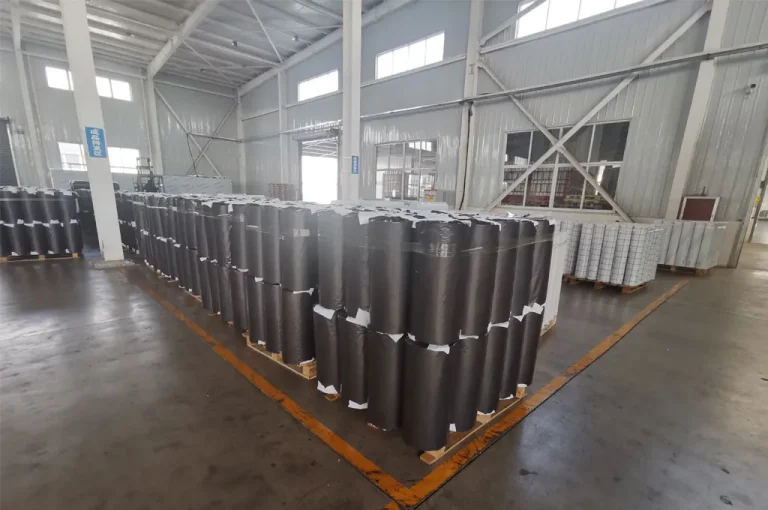
Even the best labels can fail if packaging is weak. A common best practice is to slit films to customer widths and pack each roll individually using dust-proof PE film or kraft paper, with specification labels for easy warehouse identification. This approach helps reduce:
For manufacturers that run multiple film families (clear, matte, embossed, pearl, colored), consistent roll labeling and batch traceability are essential—especially when label performance is tied to audits, product recalls, or export documentation.
Many packaging teams need films that fit existing machines and downstream processes. OEM/ODM support is most valuable when you need to control outcomes like unwind behavior, slitting tolerances, or visual appearance across multiple production sites.
• Dimensions: thickness, width, roll diameter/core size
• Surface options: glossy, matte, functional coatings (anti-static, anti-fog, etc.)
• Color & appearance: clear, tinted, or decorative textures for special packaging
• Packaging method: individual roll wrap, carton labeling, moisture-protection, export-ready packing
If your label program includes decorative or premium finishes (for example, tactile patterns for branded packaging), you may also evaluate texture films used in other surface applications—such as
3D Silk Texture Film
concepts—then adapt the look to label-protection or wraparound packaging where appropriate.
For label packing materials, quality isn’t only visual—it’s repeatability. Stable film properties help maintain consistent unwinding, prevent unexpected curl, and protect printed surfaces across long storage periods. When sourcing PVC films, request documentation and testing aligned with your market requirements.
If your products ship internationally, compliance expectations may include frameworks such as REACH, RoHS, and management systems like ISO 9001/14001, depending on the sector. For some label applications (e.g., food-contact contexts), confirm suitability with the supplier and your regulatory team.
Brands often discover an operational advantage when one supplier can support multiple film needs—label packing films plus interior decorative films, protective films, and surface finishes. This can simplify vendor management, align color/appearance standards, and reduce total lead time by consolidating slitting and packaging workflows.
For example, the same film production capabilities used to create label-protection and packing films can also support architectural and furniture applications like
Wood Grain Film
or
Marble Film,
helping purchasing teams standardize QC and logistics across categories.
Suppliers with integrated calendering, printing, and slitting/packing can better control thickness stability, surface consistency, and delivery schedules—often translating into fewer roll-to-roll variations and more predictable label protection results.
To receive a fast, accurate quotation, define your requirements in terms that match manufacturing and QC. The clearer the brief, the fewer iterations needed to reach a production-ready sample.
If you need technical guidance or want to explore more film categories, visit
Product
resources, or reach out directly via
Contact
to request samples and a tailored recommendation.
Yes—when you choose high-clarity, low-haze film, it helps keep codes readable and protects printed surfaces from abrasion that can cause scanning failures.
It depends on roll size, shipping distance, and handling intensity. Share your roll OD, core size, and shipping method so the supplier can recommend a thickness that prevents scuffing without adding unnecessary bulk.
Yes. Options may include anti-static, anti-fog, and other surface treatments depending on your application and compliance requirements.
Use individual roll wrapping (dust-proof PE or kraft paper), clear SKU labeling, moisture protection where needed, and stable pallet packing to reduce edge damage, dust contamination, and roll deformation.
Provide film type, thickness, width, roll length, surface finish (gloss/matte), any functional requirement (e.g., anti-static), quantity, and packaging method. This helps the supplier prepare accurate samples and pricing quickly.