Address
304 North Cardinal St.
Dorchester Center, MA 02124
Work Hours
Monday to Friday: 7AM - 7PM
Weekend: 10AM - 5PM
Address
304 North Cardinal St.
Dorchester Center, MA 02124
Work Hours
Monday to Friday: 7AM - 7PM
Weekend: 10AM - 5PM


PVC film paper is a practical, cost-effective surface material widely used in packaging and printing—from retail labels and protective wraps to decorative laminations and display graphics. In this guide, you’ll learn what PVC film paper is, where it performs best, what benefits it offers, and how to choose the right type for your product, process, and market needs.
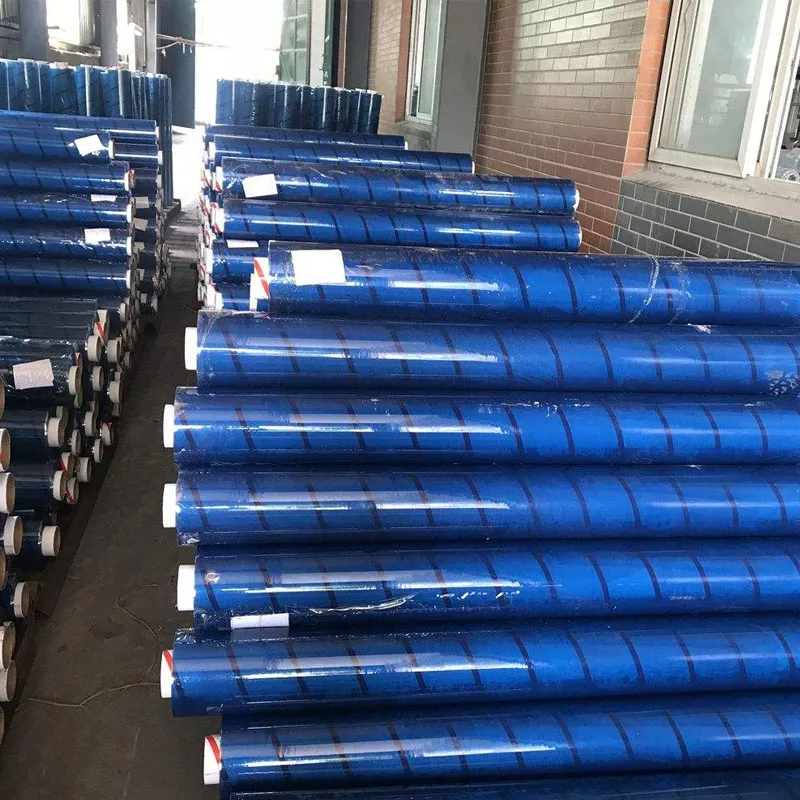
✔ Quick takeaway:
Choose PVC film paper by matching end-use environment (heat, moisture, abrasion),
printing method (digital/gravure/screen),
and adhesion/finishing needs (lamination, embossing, self-adhesive).
“PVC film paper” is a common industry phrase used to describe PVC film-based sheet or roll materials that behave like paper in converting and printing workflows. Depending on the product design, it can mean:
In packaging and printing, the main value is that PVC offers durability, water resistance, and strong visual finishing (gloss, matte, embossing, pearlescent) beyond what standard paper can handle in harsh or high-contact environments.
PVC film paper is widely used for labels where smudge resistance, moisture protection, and long-lasting color matter—such as household chemicals, personal care packaging, and warehouse identification. When paired with appropriate coatings, PVC can accept multiple inks and maintain clarity even under handling.
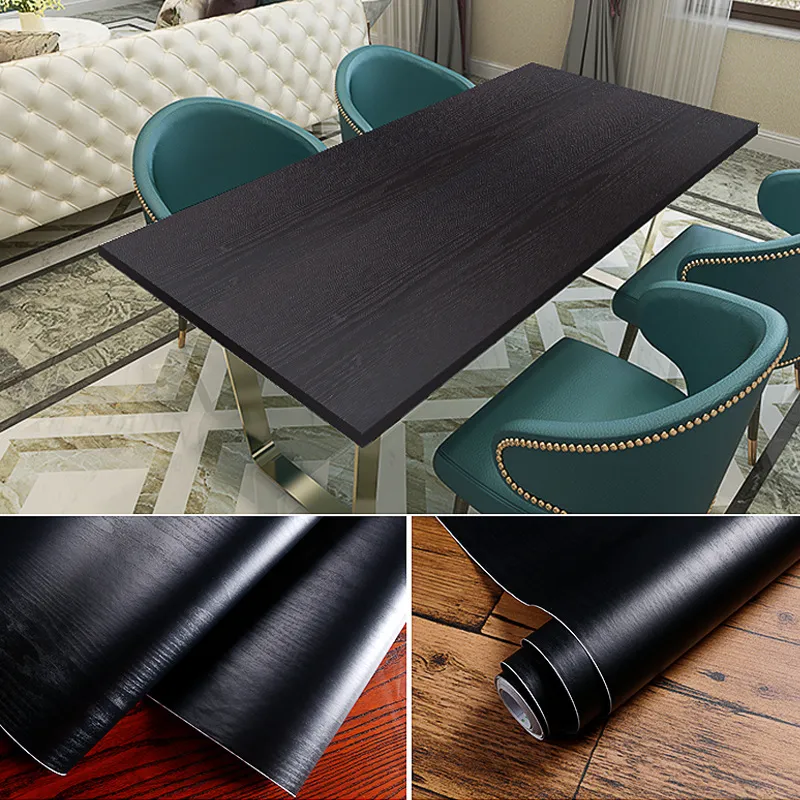
Laminating cartons or rigid panels with decorative PVC film can deliver premium shelf impact: crisp textures, gloss depth, and scratch resistance. Popular decorative options include wood grain, marble, brushed metal, and soft-touch finishes that elevate perceived value without heavy materials.
★ Practical example:
A gift box producer may use embossed or silk-texture PVC film to create tactile branding while improving scuff resistance during logistics.
In manufacturing and distribution, PVC films are used as protective layers for panels, appliances, and printed sheets. Certain variants can be made with anti-static features or controlled adhesion to reduce dust attraction and make removal clean.
For posters, exhibition backdrops, lightbox graphics, and in-store signage, PVC film substrates help maintain flatness and color stability. They also support surface treatments (matte/gloss) to control glare under retail lighting.
PVC film can be engineered for low contamination, durability, and functional coatings. For cleanroom or medical-related uses, buyers often request documentation and testing aligned with compliance needs (for example, REACH/RoHS/FDA where applicable).
✔ Durability and abrasion resistance for high-touch packaging and repeated handling.
✔ Water and moisture resistance to protect printing in humid storage, kitchens, bathrooms, and logistics.
✔ Strong visual effects including high gloss, deep matte, pearlescent, embossing, and 3D textures.
✔ Process flexibility—can be calendered, printed, laminated, slit, and packaged efficiently for industrial workflows.
✔ Customization range—thickness, width, roll size, surface treatments (anti-static/anti-fog), colors, patterns, and packaging formats.
Calendered PVC film is produced through a rolling process that creates consistent thickness and smooth surfaces suitable for printing and laminating. It’s often selected for labels, graphics, and protective coverings where dimensional stability and repeatable quality are critical.
If you’re comparing options, see: Calendered Film.
Textured surfaces add differentiation in premium packaging, promotional printing, and decorative lamination. They can also hide minor scratches and fingerprints better than high-gloss surfaces. For a tactile option used in decor and display-facing applications, review:
3D Silk Texture Film.
Decorative PVC films are widely used for furniture panels, doors, cabinets, and rigid packaging boards—where the “look” is as important as performance. They enable consistent patterns at scale and stable color matching for branded interiors and retail fixtures. Popular examples include:
Wood Grain Film and
Marble Film.
For environments with foot traffic, rolling loads, and frequent cleaning, floor-grade PVC films are engineered for wear resistance and long-term stability. While this is more “surface solution” than classic packaging, it’s relevant for retail build-outs, pop-up stores, and exhibition flooring where branding meets durability:
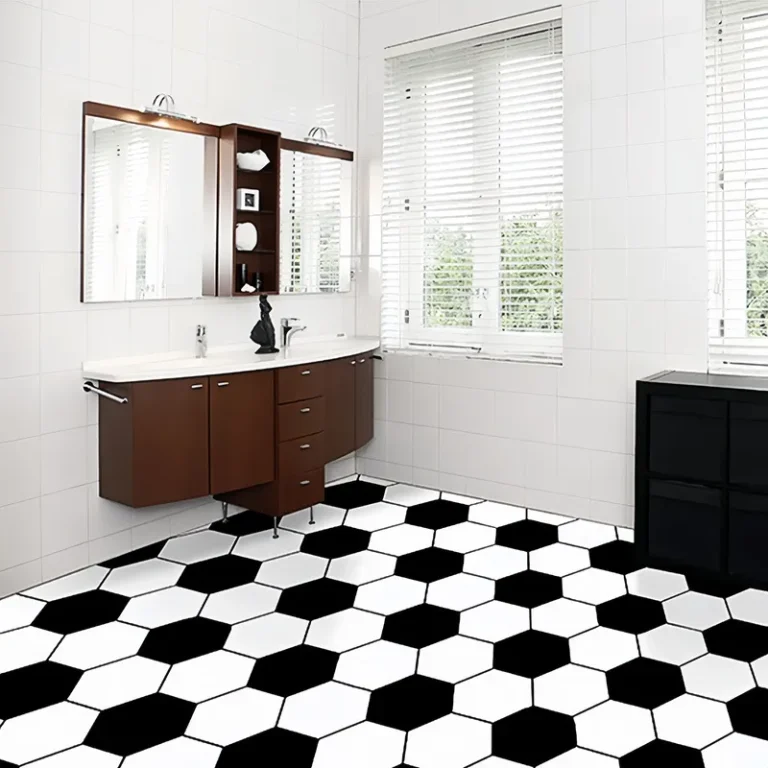
Floor Film.
Start with where and how the printed or laminated piece will be used. Ask:
Will it face water or humidity? Heat? Oils? Frequent abrasion? UV exposure? Cleaners?
Packaging for kitchens, bathrooms, or industrial logistics typically needs stronger resistance than short-term promotional prints.
⚠ Selection tip:
If the surface will be wiped regularly (retail counters, reusable boxes, appliance cartons), prioritize abrasion resistance and consider matte or textured finishes to reduce visible scuffs.
Not every film surface behaves the same with ink. Specify your printing approach early (digital, gravure, flexo, screen) and confirm:
ink adhesion, drying/curing behavior, color density, and scratch resistance after printing.
For converters, a small pre-production trial reduces risk—especially when changing suppliers, inks, or lamination structures.
Thickness affects not only durability but also converting efficiency (slitting, die-cutting, lamination speed) and final feel. Your ideal spec depends on whether the film is a label face, a wrap, a lamination layer, or a protective cover. Define:
thickness range, width, core size, and roll length to match your equipment.
Many “PVC film paper” projects involve bonding—either self-adhesive application or lamination onto paperboard, MDF, PVC boards, or other substrates. Confirm:
glue type compatibility, surface energy, and whether you need primer/coating for stable long-term bonding.
If the finished piece must survive heat cycles or humidity, lamination testing should include aging checks (peel strength retention).
Functional coatings can solve real problems in packaging and printing lines:
anti-static for electronics handling, anti-fog for cold-chain visibility, or food-grade coatings for regulated contact scenarios (where standards apply).
Always request supporting documentation and test reports aligned with your compliance requirements.
For packaging and printed applications—especially those involving indoor use or human contact—quality consistency and safety compliance are essential. When evaluating suppliers, confirm:
material formulation control, batch traceability, and whether the film is free from restricted substances (such as heavy metals and certain plasticizers) according to your target market requirements.
✔ Documentation checklist:
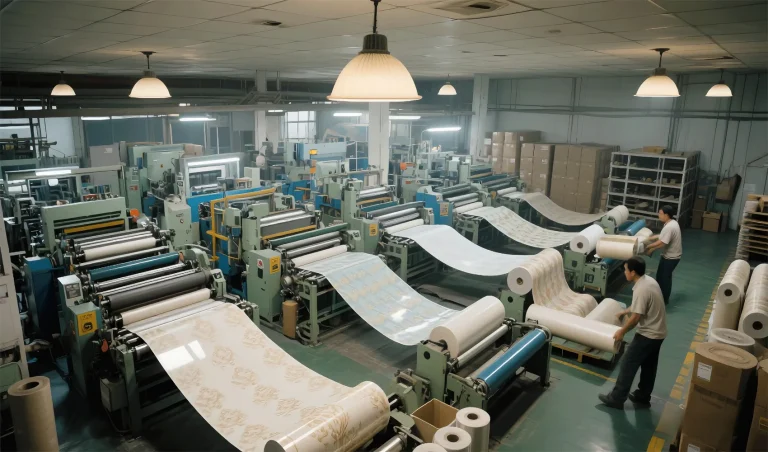
Reliable PVC film paper supply is not just about the film formula—it’s also about whether the manufacturer can control key steps such as calendering, printing, slitting, and protective packaging.
Full-process capability helps ensure consistent color/texture, stable lead times, and lower defect rates across large shipments.
Even if a film looks similar on paper, the real performance shows up in production. Before scaling, run a controlled trial using your real ink, adhesive, and finishing parameters. Focus on:
print adhesion, drying/curing, die-cut edge quality, lamination bubbles, and rub resistance after 24–72 hours.
🧪 Simple verification plan:
A glossy roll can look perfect but fail in real use due to rub marks or poor ink anchorage. Always verify performance with real finishing and handling.
If the package or display will be wiped with cleaners, specify chemical resistance early. A small coating change can significantly improve long-term appearance.
Converting issues often come from roll hardness, telescoping, edge damage, or width tolerance. Define packing method and QC checks to reduce downtime.
Yes—when the surface and coating are matched to your ink system. Always run a sample test for adhesion, rub resistance, and color density before mass production.
Glossy emphasizes color vibrancy and shine; matte reduces glare and fingerprints and can look more premium. The best choice depends on handling intensity and lighting conditions.
Yes. Typical customization includes thickness, width, roll size, surface finish (gloss/matte/embossed), colors/patterns, and functional coatings like anti-static or anti-fog.
Start from end-use environment (moisture/abrasion/heat), then confirm printing method and adhesion requirements. Request samples and run a short production trial with your real process.
Ask for relevant compliance statements (e.g., REACH/RoHS where required), material safety information, and performance test reports (thickness tolerance, adhesion, tensile strength, optical properties, and rub resistance).