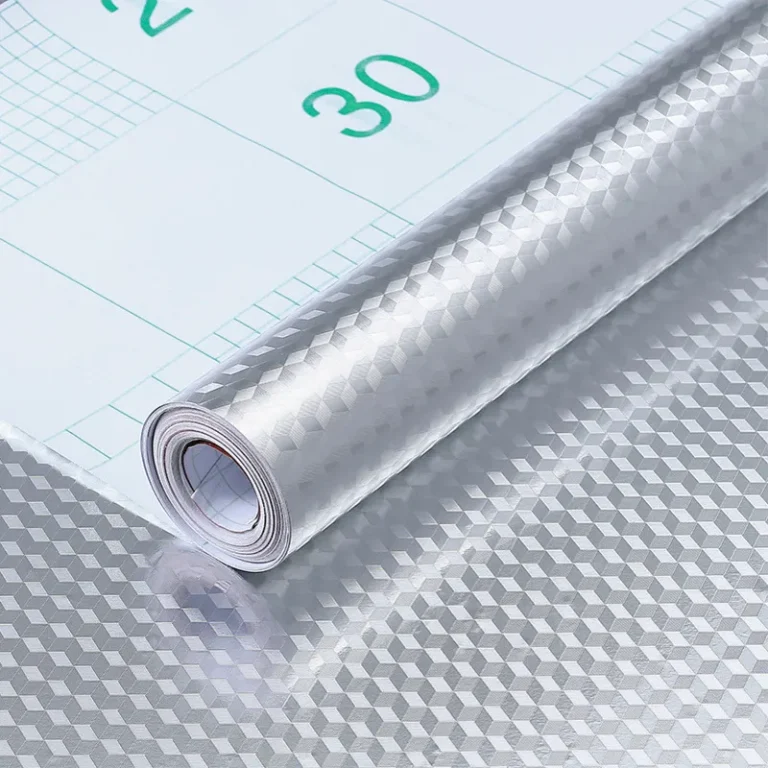
Address
304 North Cardinal St.
Dorchester Center, MA 02124
Work Hours
Monday to Friday: 7AM - 7PM
Weekend: 10AM - 5PM
Address
304 North Cardinal St.
Dorchester Center, MA 02124
Work Hours
Monday to Friday: 7AM - 7PM
Weekend: 10AM - 5PM


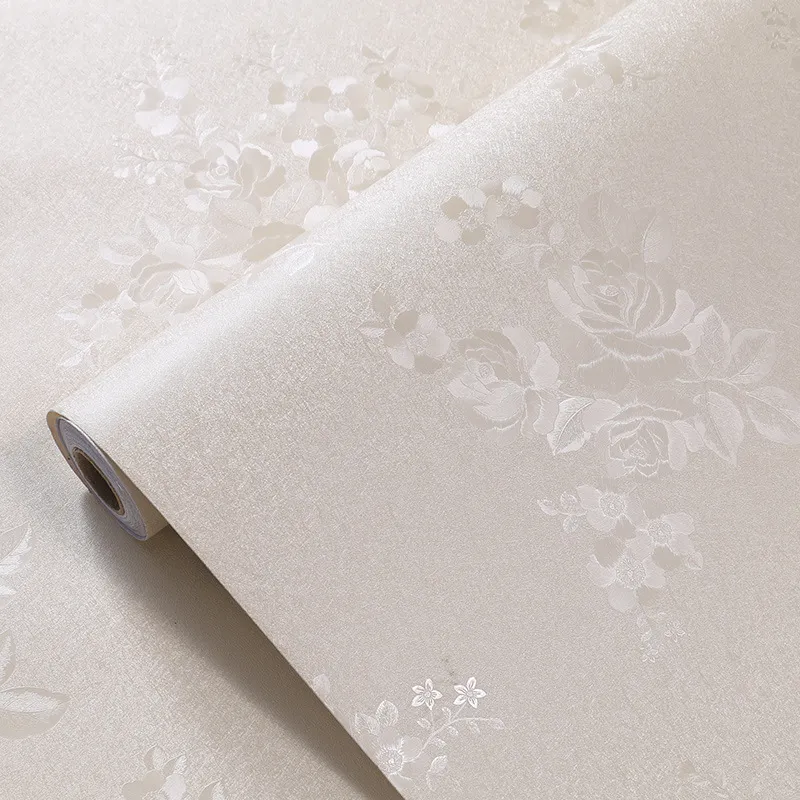
PVC film plastic (polyvinyl chloride film) is a versatile sheet material used to protect, decorate, seal, and enhance products across furniture, construction, electronics, advertising, medical environments, and everyday home goods. Thanks to modern calendering and coating technologies, today’s PVC films can look like wood, stone, metal, fabric, or solid colors—while also delivering practical benefits such as water resistance, easy cleaning, and stable performance in demanding environments.
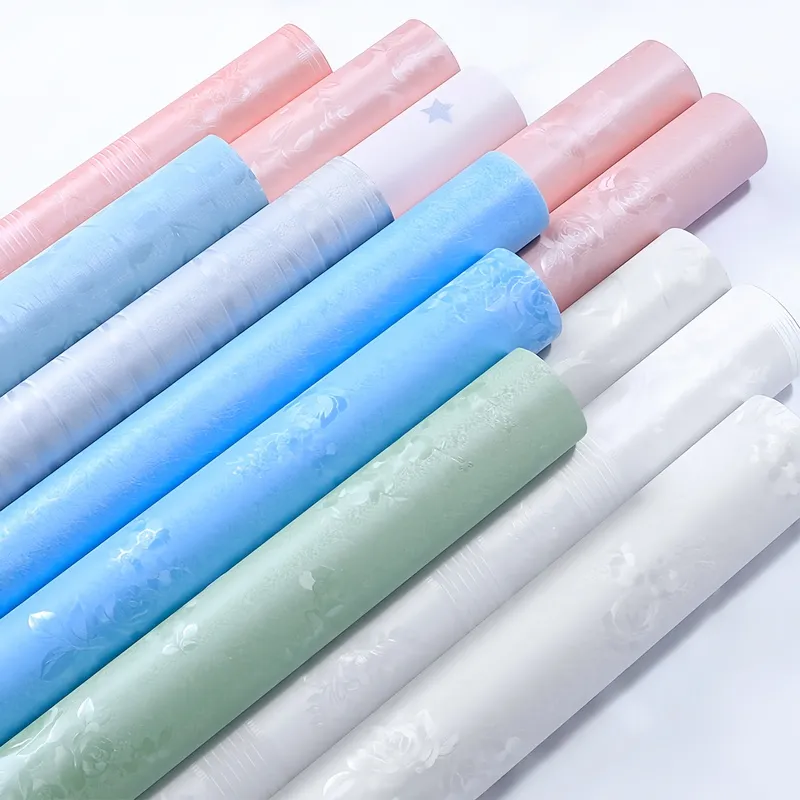
PVC film plastic is a thin, flexible or semi-rigid sheet made from polyvinyl chloride resin combined with stabilizers, pigments, and functional additives. The final film can be produced as transparent or opaque, smooth or embossed, glossy or matte, and can include functional layers such as anti-static, anti-fog, or self-adhesive backing.
In industrial supply chains, you’ll typically see PVC films described by manufacturing method (calendered vs. cast/extruded), structure (single-layer vs. laminated), and surface style (wood grain, marble, soft-touch, etc.). If you are evaluating specifications, prioritize the intended application (furniture wrap, wall panel lamination, flooring layer, protective covering) because performance targets differ by use case.
PVC decorative films are widely used on cabinet doors, wardrobes, tabletops, and office furniture because they deliver consistent patterns, easy cleaning, and a premium look without the maintenance demands of natural veneer. Wood, matte, glossy, brushed, and embossed finishes are common. For realistic looks, consider Wood Grain Film options designed for furniture wrapping and lamination.
In interiors, PVC film supports fast renovation: it can be laminated onto panels for walls and ceilings, or used in detail zones such as baseboards. Skirting film helps unify interior aesthetics while offering scuff resistance in high-traffic areas—see PVC Skirting Film for typical decorative and protective formats.
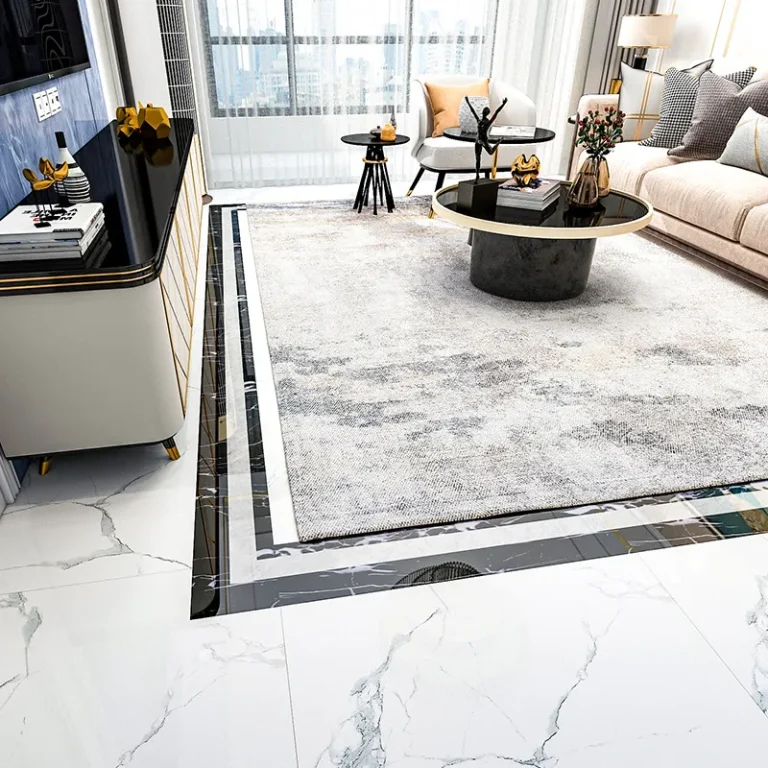
PVC films are used in flooring structures for wear layers, decorative layers, and protective coverings during installation or renovation. When selecting for floor applications, focus on abrasion resistance, slip behavior, dimensional stability, and long-term appearance. Explore application-oriented options such as Floor Film.
PVC film can be engineered for functional performance—such as anti-static behavior, insulation, scratch protection, and surface finish enhancement (e.g., brushed metallic looks). For sensitive components, it’s critical to match film properties with the operating environment (temperature, static sensitivity, contact chemicals, and required optical clarity).
For short-to-mid-term display and branding, printed PVC films offer vibrant color reproduction and controlled surface glare. In event contexts, durability and wipe-clean surfaces make PVC film a practical choice for backdrops, panels, and decorative wrapping.
PVC film can mimic natural materials—wood, marble, fabric, metal—while keeping color and pattern stable across batches when production is well-controlled. If your project needs a clean, minimal look, solid tones can be more consistent than painted finishes; for example, Solid Color Wallpaper-style films can help achieve uniform coverage on large surfaces.
For kitchens, bathrooms, and humid regions, properly specified PVC films resist moisture ingress and simplify cleanup. That said, performance depends on the full system: adhesive selection, edge sealing, substrate preparation, and whether the film is used as a wrap, laminate, or removable cover.
You can tune scratch resistance, gloss retention, and tactile feel with embossing, topcoats, and film thickness. A soft-touch finish prioritizes premium hand feel; a flooring-oriented wear layer prioritizes abrasion resistance. The “best” film is the one whose property targets match your daily use conditions.
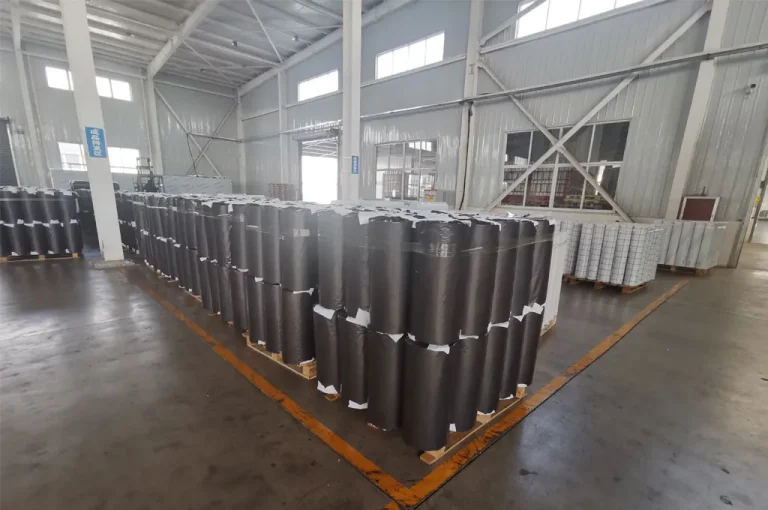
Manufacturers with full in-house processes—calendering, printing, slitting, and packaging—can reduce lead time, keep color consistent, and control total cost. If you need OEM/ODM outputs, ask for customization scope (thickness, width, roll length, emboss, ink system, and packaging) and confirm quality checks from raw material through finished rolls.
☑ Thickness tolerance (prevents visual banding and processing issues)
☑ Adhesion performance (especially for self-adhesive or laminated applications)
☑ Surface coefficient & scratch behavior (real-use scuff and cleaning cycles)
☑ Compliance needs (e.g., REACH/RoHS/FDA depending on your market and use)
Calendered film is formed by passing PVC compound through heated rollers to reach precise thickness and surface quality. It is common for decorative, furniture, and general industrial uses because it supports stable output, embossing, and broad width production. For a practical reference point, see Calendered Film specifications and typical formats.
Depending on the supplier, PVC film may also be produced via casting or extrusion routes to optimize clarity, flexibility, or special structures. When comparing, don’t focus only on the process name—compare the measurable properties that matter to your product: tensile strength, elongation, shrink behavior, and surface consistency.
PVC film can be formulated from soft to semi-rigid. Softer films suit wrapping and complex curves; more rigid films suit flat lamination and structural stability. If your application involves frequent bending, request elongation data and evaluate low-temperature flexibility (especially for shipping/storage in colder climates).
Functional PVC films include anti-static films for electronics environments, protective films for transport or installation, and self-adhesive films for faster on-site application. If the film will be touched frequently or used in interiors, confirm the ink and additive safety approach (e.g., non-toxic inks and restricted substance compliance where required).
➤ Indoor furniture: focus on appearance consistency, scratch resistance, and cleaning performance.
➤ Wet areas (kitchen/bath): prioritize moisture resistance, stain resistance, and edge sealing strategy.
➤ Flooring: require abrasion resistance, slip behavior, and dimensional stability.
➤ Electronics/industrial: verify anti-static, insulation, chemical tolerance, and temperature limits.
Thickness impacts feel, durability, and processing. Wider rolls improve efficiency for large panels, while narrower rolls reduce waste for trim components. If you are wrapping profiles or curved edges, ensure the thickness and softness support forming without whitening, cracking, or spring-back.
Glossy surfaces can elevate perceived value but show scratches more easily; matte finishes can hide fingerprints better; embossed textures add realism but require the right cleaning method to avoid residue build-up in deep grains. For high-touch zones (cabinet fronts, doors), ask for testing data aligned with your maintenance routine.
PVC film success depends on how it is applied. For lamination onto boards, adhesive compatibility and substrate preparation are critical. For self-adhesive films, tack level and removability (if needed) must be defined clearly. For vacuum pressing, evaluate thermoforming behavior and heat stability.
If your market requires restricted substance control, request documentation aligned with your region and product category. Many buyers also require traceability by batch, and testing for thickness, strength, adhesion, and optical properties. When the film is intended for interiors or contact-prone surfaces, confirm the ink system and additives are selected for safety and durability.
Share application, thickness, width & roll length, surface finish, color/pattern reference, and monthly quantity. This lets suppliers propose the right base film, coatings, emboss, and packaging from the first quotation.
Professional PVC film supply typically includes slitting to requested widths, roll-by-roll labeling, and protective packaging such as dust-proof PE wrap or kraft paper. For export shipments, moisture and damage protection matter as much as the film itself—especially for glossy finishes that can show surface marks if packed improperly.
Lead time depends on order size, customization level, and whether new engraving cylinders/printing work is needed. If your product launch depends on a stable schedule, confirm sampling timeline, production planning, and inventory strategy before locking in a long-term purchase order.
It’s most commonly used for decorative lamination and wrapping on furniture and interior panels, as well as for flooring layers, protective surfaces, and functional industrial films (such as anti-static or insulation applications).
Choose glossy for high-impact visual shine, matte for a calmer look and often better fingerprint hiding, and embossed when you want tactile realism (wood/stone/fabric). The best choice depends on touch frequency, cleaning habits, and scratch visibility expectations.
Yes. Calendered film is widely used for decorative and industrial purposes because it supports stable thickness control, embossing, and consistent production for large batches.
Yes. Typical customization includes thickness, width, roll size, color/pattern, printing, embossing, surface coatings (e.g., anti-static), and export-ready packaging.
Provide the intended application, thickness, width and roll length, surface finish, color/pattern reference, and quantity. If you have compliance requirements (REACH/RoHS/FDA or others), include those upfront to avoid redesign later.