Address
304 North Cardinal St.
Dorchester Center, MA 02124
Work Hours
Monday to Friday: 7AM - 7PM
Weekend: 10AM - 5PM
Address
304 North Cardinal St.
Dorchester Center, MA 02124
Work Hours
Monday to Friday: 7AM - 7PM
Weekend: 10AM - 5PM


PVC film pricing can look simple on a quote sheet, but the real cost is shaped by material formulation, production route, surface effects, compliance requirements, and logistics. If you’re sourcing for furniture wrapping, interior decoration, flooring, advertising, electronics, or medical/cleanroom packaging, understanding what drives the number helps you compare suppliers fairly and negotiate with confidence.
Key takeaway:
The “best” PVC film price is rarely the lowest unit price. It’s the lowest total landed cost while meeting your appearance, performance, and compliance needs—consistently, batch after batch.
In sourcing, people often say “price” when they mean several different numbers. Clarifying which one you’re comparing prevents surprises later.
✔ Practical rule:
If two suppliers differ by a small amount per square meter, the one with better thickness stability, fewer surface defects, and tighter color control can be cheaper overall because you lose less material in lamination/wrapping and reduce customer complaints.
PVC film is not one material. Suppliers can tune flexibility, durability, and safety through formulation. Higher-performance recipes typically cost more but deliver better processing and longer service life.
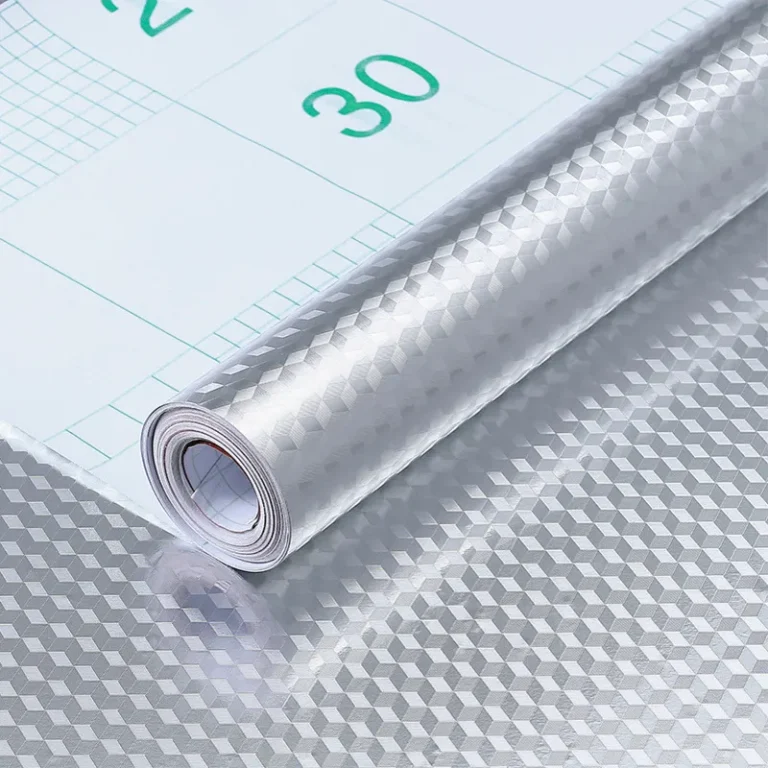
Film made by a controlled calendering line often offers excellent thickness control and surface quality—important for decorative finishes and precision lamination. If you’re comparing similar specs, ask how the film is produced and what tolerance the supplier guarantees.
For example, calendered options are commonly used in furniture and decoration:
Calendered Film.
Two quotes can look different simply because of unit basis. Some suppliers quote by kilogram, others by square meter, and your real cost depends on thickness and density. Wider rolls may improve conversion efficiency but can increase scrap if your equipment or panel sizes don’t match.
⚙️ Buyer tip:
Always confirm the quote includes thickness tolerance (e.g., ±0.01–0.03 mm) and whether thickness is measured across the full web. Variations can cause lamination bubbles, inconsistent emboss depth, or uneven gloss.
Decorative PVC film price increases with design complexity and surface engineering. Embossed textures, deep 3D effects, and premium coatings add material and processing steps.
If your application is high-end panels, consider specifying the exact tactile and visual standard up front (gloss units, emboss depth, haze, etc.). Examples include:
Wood Grain Film and
Marble Film.
Printing costs are influenced by ink type (eco-friendly non-toxic ink systems are increasingly required for interior use), number of colors, pattern complexity, and whether you need precise color matching to a cabinet door, wall panel, or brand standard. Tight ΔE color tolerance and repeatable grain alignment often require stronger process control and more QA checks.
Films for electronics, medical/cleanroom, or kitchen areas may require anti-static, anti-fog, antibacterial, low-odor, or food-contact considerations. Compliance documentation (e.g., REACH/RoHS/FDA where applicable) can raise cost but reduces your risk in audits and end-user claims.
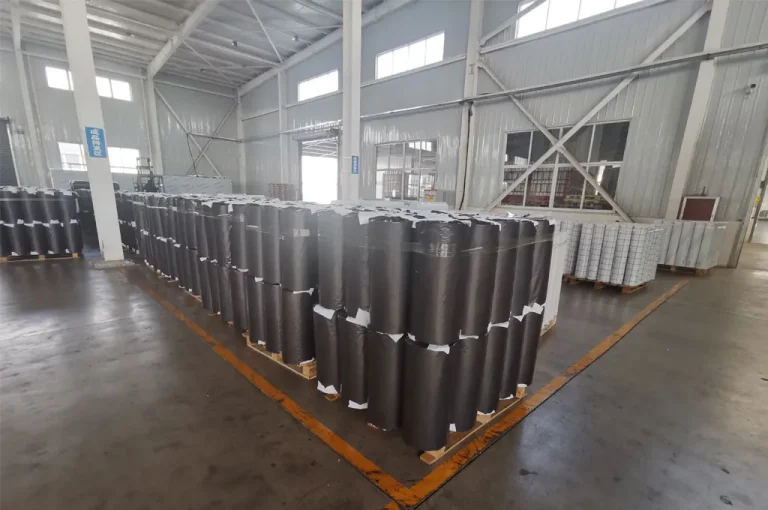
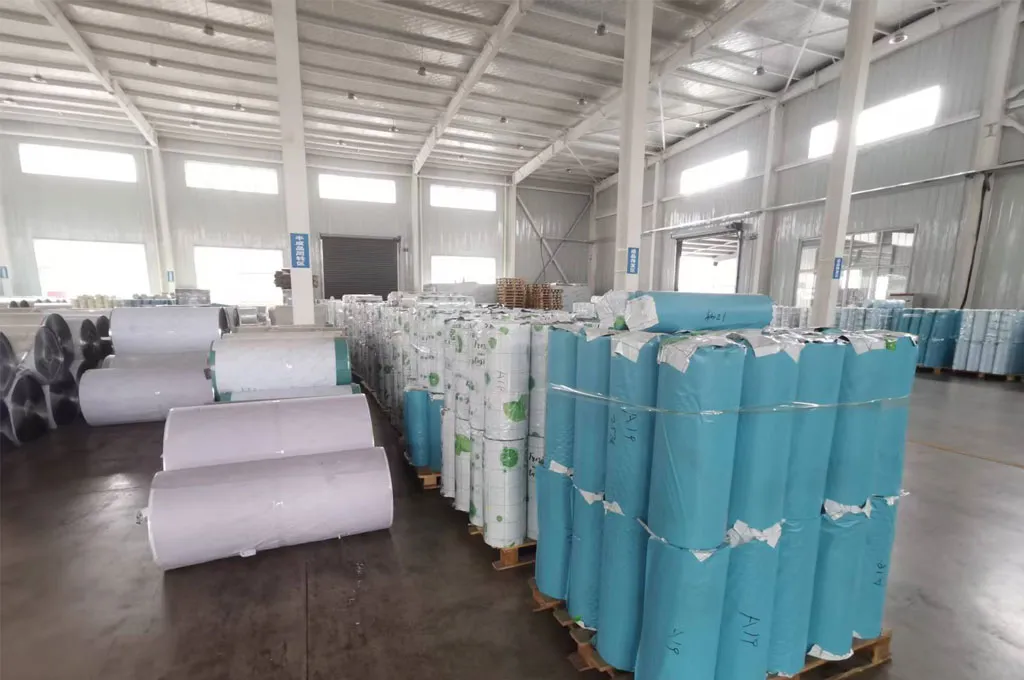
Export-grade packaging can make a big difference—especially for glossy or soft-touch surfaces that scratch easily. Individual roll wrapping (PE dustproof film or kraft paper), labeling, corner protection, palletizing, and moisture control add cost but prevent transit damage that is far more expensive than the packaging itself.
While exact percentages vary by supplier and spec, a typical PVC decorative film cost structure often includes the categories below. Understanding them helps you identify which levers actually reduce cost without sacrificing quality.
Furniture membrane pressing and wrapping demand stable thickness, predictable elongation, and consistent gloss/matte appearance. Premium decorative lines (wood, marble, metal, silk texture) typically add printing and embossing costs, but they also reduce rejection at the lamination stage.
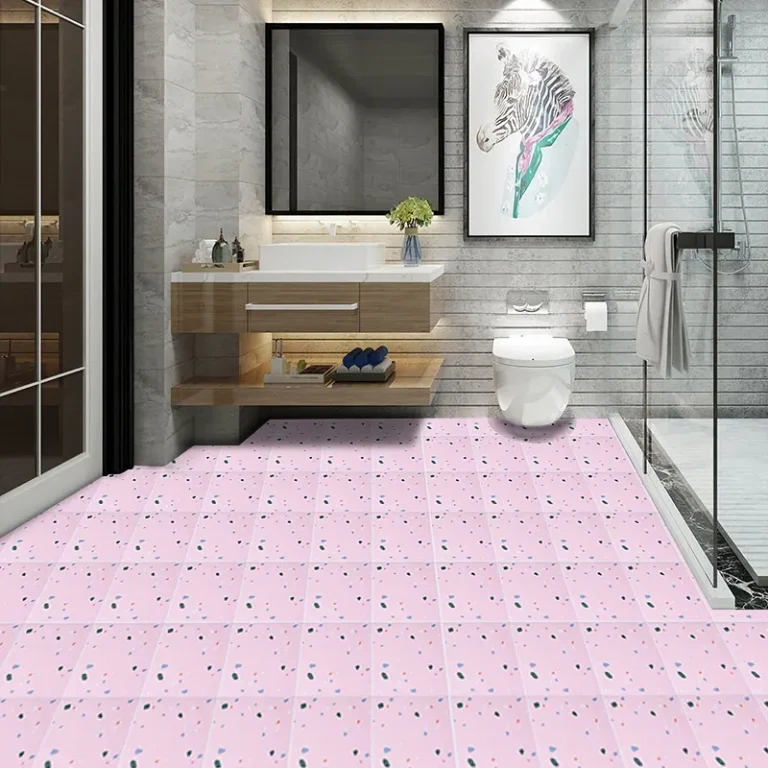
Flooring applications often need higher wear resistance, dimensional stability, and surface protection. Depending on the construction, the film may need special coatings or compatibility with adhesives and substrates. If you’re sourcing for flooring decoration or protection, compare options such as:
Floor Film.
Skirting and trim films may prioritize scratch resistance, color stability under indoor light, and stable wrapping behavior on profiles. For profile wrapping buyers, reviewing dedicated products can make specification and quoting faster:
PVC skirting film.
The fastest way to reduce price ambiguity is to make your RFQ unambiguous. When a supplier has to guess, they’ll either price high to cover risk or price low and later request changes. Include:
Before negotiating, normalize the data. Ensure all suppliers quote the same thickness, width, roll length, emboss/finish, packaging standard, and Incoterms. If one quote is “cheaper,” check whether it excludes protective packaging, uses looser tolerances, or assumes a different roll length.
Samples are not only about appearance—they validate processing behavior (wrapping, stretching, heat response, adhesive compatibility) and reduce the risk of ordering a container that doesn’t run well on your line.
📌 What to test on samples:
color consistency under your lighting, gloss/matte uniformity, emboss sharpness, scratch/stain resistance, odor level, thickness uniformity, and performance after forming/pressing.
If you need a better number, focus on changes that reduce manufacturing complexity without changing the look and function your customer expects:
A supplier with integrated calendering, printing, and slitting/packing can often control costs and lead time better than a chain of subcontractors. Full-process control also improves batch consistency because fewer handoffs mean fewer variations.
“Same thickness” doesn’t mean same grade. A low-odor interior-grade film with eco-friendly inks and tight color control will not price the same as a general decorative film. If your film is used indoors (cabinets, wall panels), confirm odor, VOC expectations, and compliance requirements.
A “cheap” film that causes wrinkles, inconsistent stretching, or adhesion issues can multiply costs through downtime and scrap. Ask for performance data and test with your process (wrapping, vacuum pressing, lamination).
Surface standards should be measurable: which side is decorative, how to inspect (lighting, distance), and what minor marks are acceptable. This reduces disputes and speeds up approvals.
Use the message below to obtain comparable, quote-ready offers quickly. It also signals that you’re a professional buyer, which typically improves responsiveness and pricing transparency.
Product: PVC decorative film (please confirm calendered base)
Application: [wrapping / membrane press / wall panel / flooring]
Spec: thickness [__] mm (tolerance [__]), width [__] mm, roll length [__] m, core [__] in
Surface: [glossy/matte/emboss/soft-touch], pattern/color reference: [file/sample/code]
Requirements: [anti-scratch/anti-static/low-odor/REACH/RoHS/FDA], target defect standard: [__]
Quantity: trial [__] rolls + monthly forecast [__] rolls
Trade terms: [FOB/CIF] to [port/city], expected lead time [__]
Please include: unit price basis (kg or sqm), packaging details, sample availability, and QC method.
Q1: Why do PVC film prices change frequently?
PVC film pricing is influenced by raw material markets, additive costs, energy, and freight. Decorative specs (printing/emboss/coatings) also add variability based on setup and yield.
Q2: What information is essential to get an accurate quote?
Thickness (and tolerance), width, roll length, surface finish (gloss/matte/emboss), pattern/color reference, performance/compliance requirements, quantity/forecast, and Incoterms/destination.
Q3: Is it better to compare quotes by kg or by square meter?
Either can work, but you must standardize thickness and density assumptions. For conversion cost control, many buyers prefer sqm pricing tied to a confirmed thickness tolerance.
Q4: How can I reduce total cost without lowering quality?
Standardize widths/roll lengths, provide forecasts, approve a clear defect standard, and choose functional coatings only where needed. Also confirm packaging appropriate for your shipping route.
Q5: What’s the fastest way to avoid disputes after placing an order?
Lock down a signed specification: thickness tolerance, surface/gloss level, pattern and color standard (with a retained sample), packaging method, and inspection criteria.