Address
304 North Cardinal St.
Dorchester Center, MA 02124
Work Hours
Monday to Friday: 7AM - 7PM
Weekend: 10AM - 5PM
Address
304 North Cardinal St.
Dorchester Center, MA 02124
Work Hours
Monday to Friday: 7AM - 7PM
Weekend: 10AM - 5PM



PVC film is one of the most cost-effective, versatile surface materials used across furniture, interior decoration, flooring, packaging, and industrial protection. Yet many buyers still ask the same question: what is the real PVC film price per kg, and why do quotes differ so much between suppliers, grades, and regions? This guide breaks down the key pricing factors, the latest market trends, and a practical process to help you secure a reliable quote without compromising quality or delivery.
Key takeaway:
PVC film is not a single commodity. Thickness, resin grade, formulation, surface finish, printing, adhesive layers, and compliance requirements can change the per‑kg price significantly—even if the product looks similar on a roll.
“Price per kg” is a common benchmark because PVC film is typically traded by weight. However, comparing only $/kg can be misleading if you don’t normalize the technical specs and commercial terms behind the quote.
✔ Compare on the same basis:
Raw materials usually account for the largest share of cost. The market price of PVC resin fluctuates with upstream feedstocks and regional supply. Plasticizers, stabilizers, fillers, pigments, and processing aids can also shift the final price—especially for films designed for low odor, indoor use, or skin-contact applications.
⚑ Buyer note:
If two suppliers quote the same thickness but one uses higher-grade resin and stricter additive control, you may see a higher price per kg—but better flatness, color consistency, and long-term stability.
For many decorative and technical applications, calendered PVC film is favored for its stable thickness control and consistent surface. Calendering equipment investment and process control influence pricing, but also improve uniformity—important for lamination and wrapping lines.
If you’re comparing suppliers, confirm the process and performance targets. For reference, you can review typical calendered film options here:
https://pvcfilmtec.com/product/calendered-film/
Thickness is a direct cost driver, but it also affects yield per kg (how much area you get for the same weight). Wider rolls may reduce converting waste for some factories but can require stricter slitting, better winding control, and heavier packaging.
📌 What you should specify
📌 Why it impacts $/kg
Glossy and matte surfaces are typically simpler than multi-step textures. Embossing depth and pattern alignment can raise cost due to rollers, maintenance, slower line speed, and higher rejection risk.
For example, premium texture effects (like silk-like depth or 3D feel) can increase the per‑kg price because they require tighter process control:
https://pvcfilmtec.com/product/3d-silk-texture-film/
Functional films often cost more because the supplier must balance performance with process stability. Common add-ons include:
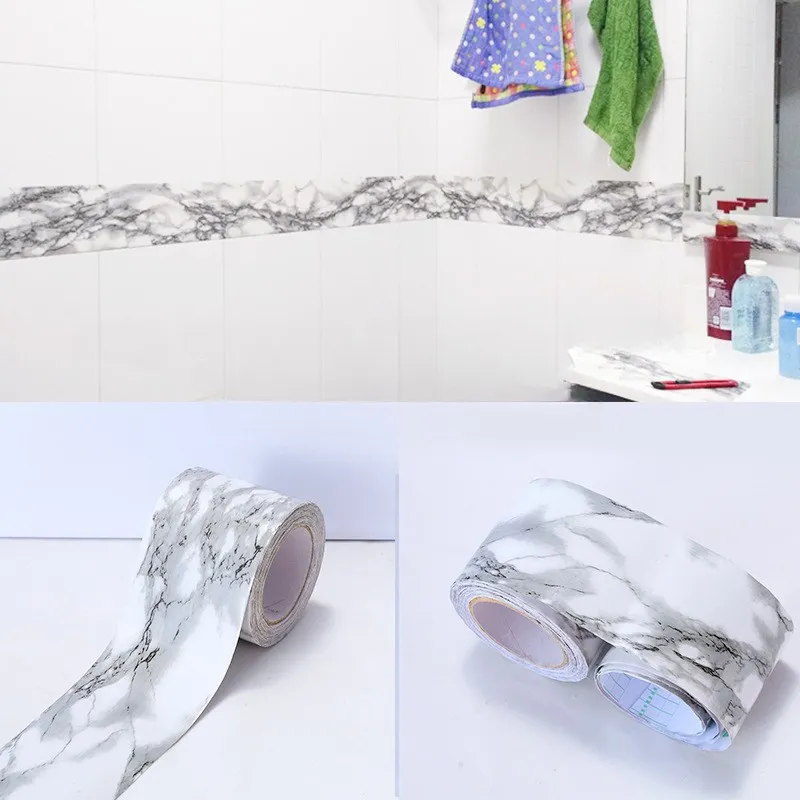
Self-adhesive PVC film pricing typically includes adhesive chemistry (acrylic, rubber-based, etc.) and release liner cost. The adhesive’s initial tack, peel strength, and temperature resistance can significantly affect price—especially for applications like skirting, walls, or quick renovations.
If your project involves trims, you may compare skirting-focused options here:
https://pvcfilmtec.com/product/pvc-skirting-film/
Export packaging is not just “nice to have.” Dust-proof wrapping, moisture protection, corner guards, palletization, and clear labeling protect the surface finish and reduce claims. If you need each roll individually wrapped (PE film or kraft paper) and labeled by specification, that adds cost but improves warehouse efficiency and reduces damage risk.
PVC film pricing is influenced by a mix of commodity cycles and application-driven upgrades. While exact price movements vary by region and timing, these patterns are consistently shaping quotes in 2025–2026:
🔎 Trend watch list
The fastest way to reduce price gaps is to send one clear requirement sheet to every supplier. Include thickness, width, roll length, surface, color/pattern reference, application, compliance needs, and expected monthly volume.
🧾 Quote checklist (copy/paste for RFQ)
Photos can’t reveal shrinkage, odor, adhesion behavior, or abrasion resistance. For stable production, request measurable properties such as thickness tolerance, tensile strength, surface gloss, adhesion (if laminated), and color delta consistency between batches.
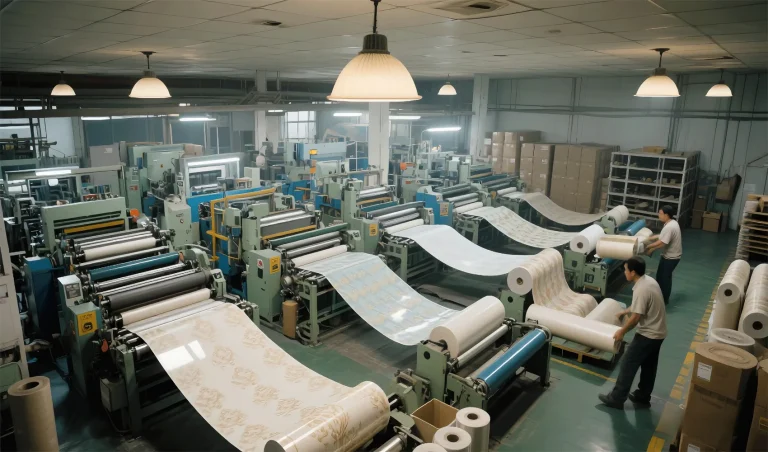
Suppliers with full-process capabilities—calendering, printing, slitting, and packaging in-house—often provide more consistent delivery and easier root-cause analysis if issues occur. It can also reduce cost by avoiding multiple subcontracting layers.
✅ What “best quote” really means:
Not the lowest $/kg—rather the lowest total landed cost with stable quality, predictable lead time, and low risk of claims or rework.
Buying the right film for the job can lower your cost even if $/kg is higher. For example, using an appropriate flooring-oriented film can reduce installation failure, callbacks, or premature wear. If you’re sourcing for floor-related applications, you can review typical formats here:
https://pvcfilmtec.com/product/floor-film/
PVC film suppliers usually price more competitively when they can plan resin procurement, production slots, and cylinder/emboss usage. To improve your quote:
Below is a practical way to think about pricing by category. These are not fixed price ranges (markets change), but they explain why per‑kg quotes move.
Pricing depends on pattern complexity, printing coverage, color matching accuracy, embossing depth, and batch consistency. Ideal for cabinets, doors, panels, and renovation surfaces.
$/kg is driven by additives, coatings, and performance testing. Stable electrical properties and surface consistency are key.
Includes adhesive + liner. Higher tack and cleaner removability usually cost more. Great for fast renovations and trims.
If you want fast, comparable quotes, send a short, structured RFQ like this:
RFQ Template:
Product: PVC decorative film (calendered)
Application: cabinet door wrapping / interior panels
Thickness: 0.18 mm ± 0.01 mm
Width: 1240 mm (slitting required: 620 mm x 2)
Surface: matte embossed (send available emboss options)
Pattern: wood grain (close to sample / provide similar catalog)
Roll: 200 m/roll, 3-inch core, each roll PE wrapped + label
Compliance: RoHS + REACH, phthalate-free (provide documents)
Quantity: trial 1–2 tons, monthly 10 tons if approved
Trade term: FOB (port), please quote lead time and sample time
Because thickness alone doesn’t define cost. Formulation, resin grade, surface finish (gloss/matte/emboss), printing, functional coatings, QC standards, and packaging can all change the price per kg.
Not necessarily. The best deal is the lowest total landed cost with stable quality and reliable lead time. A slightly higher $/kg can reduce waste, claims, and downtime.
Provide film type, thickness/width tolerances, finish, color/pattern reference, roll size, packaging requirements, compliance needs (REACH/RoHS/FDA), order quantity, and trade terms (EXW/FOB/CIF).
Standardize roll sizes, share a rolling forecast for production planning, request tiered pricing, confirm the most suitable surface/process for your application, and validate performance targets to avoid over-specifying.
For many interior, furniture, and export projects, yes. REACH/RoHS and phthalate-free/low-VOC expectations are increasingly common and can protect your brand and reduce customs or customer risk.