Address
304 North Cardinal St.
Dorchester Center, MA 02124
Work Hours
Monday to Friday: 7AM - 7PM
Weekend: 10AM - 5PM
Address
304 North Cardinal St.
Dorchester Center, MA 02124
Work Hours
Monday to Friday: 7AM - 7PM
Weekend: 10AM - 5PM


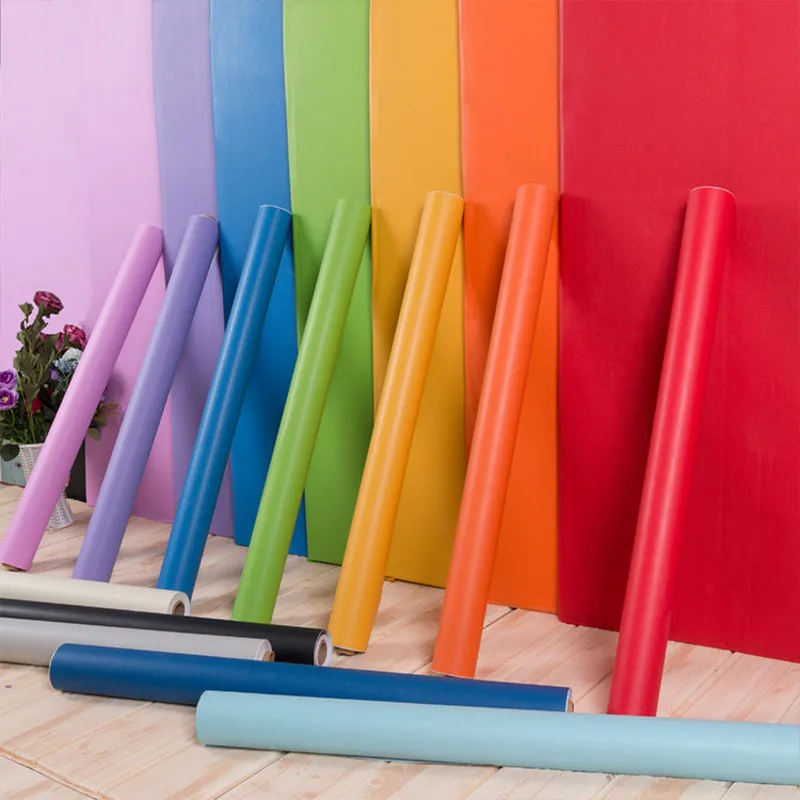
PVC film is a versatile, durable plastic sheet made from polyvinyl chloride, widely used to enhance surfaces, protect products, and deliver consistent performance in demanding environments. From furniture and interior decoration to electronics, advertising, medical packaging, and household products, PVC film is valued for its balanced combination of appearance, strength, processability, and cost efficiency. This article explains the core properties of PVC film, the benefits those properties create, and how to select the right film type for real-world applications.
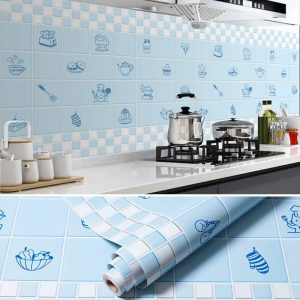
✔ Quick takeaway:
The “best” PVC film is not a single product—it depends on the surface, environment, required look (matte/gloss/texture), and functional needs such as anti-static, oil resistance, or easy cleaning.
PVC film is a thin sheet that can be produced in different constructions (single-layer or multi-layer composites) and finishes (transparent, matte, glossy, embossed, pearlescent, soft-touch, self-adhesive). The formulation may include stabilizers, pigments, and functional additives to deliver targeted performance such as improved flexibility, abrasion resistance, or anti-static behavior.
Calendered film is known for stable thickness control and productivity, making it popular for industrial and decorative uses. Decorative films focus on surface aesthetics such as wood grain, stone patterns, brushed metal looks, or 3D textures.
Explore a typical option here: Calendered Film.
• Glossy / high-gloss for premium, reflective looks
• Matte / super-matte for modern, low-glare interiors
• Embossed / textured for tactile realism and anti-slip feel
• Transparent / frosted for protection and light diffusion
Understanding PVC film properties helps you predict how it behaves during lamination, wrapping, thermoforming, printing, or daily wear. Below are the characteristics buyers most often evaluate in decorative, industrial, and protective applications.
PVC film can be engineered for tensile strength, tear resistance, and stable dimensions, which is critical for consistent processing and long-term surface appearance. Stable thickness and controlled shrinkage support better alignment in printing and laminating, and help reduce defects such as edge lift or pattern distortion.
Tip: For large-area panels (cabinet doors, wall panels, partitions), prioritize films with strong dimensional control to avoid visible waviness or misalignment.
Depending on formulation, PVC film can range from rigid to highly flexible. Flexible films enable smooth wrapping on curved edges and complex profiles; more rigid films support flat lamination with crisp surfaces. This property is essential for furniture profiles, door frames, and decorative trims where the film must conform without whitening, cracking, or spring-back.
Aesthetics are not only visual—they influence cleaning behavior, scratch visibility, and perceived quality. High-gloss surfaces can look premium but may show fingerprints more easily; matte and super-matte surfaces reduce glare and can better hide micro-scratches. Embossing adds realism (wood pores, textile grain, stone texture) and can improve grip for flooring-related uses. Soft-touch films elevate the tactile experience for high-end cabinetry, wall panels, and consumer products.
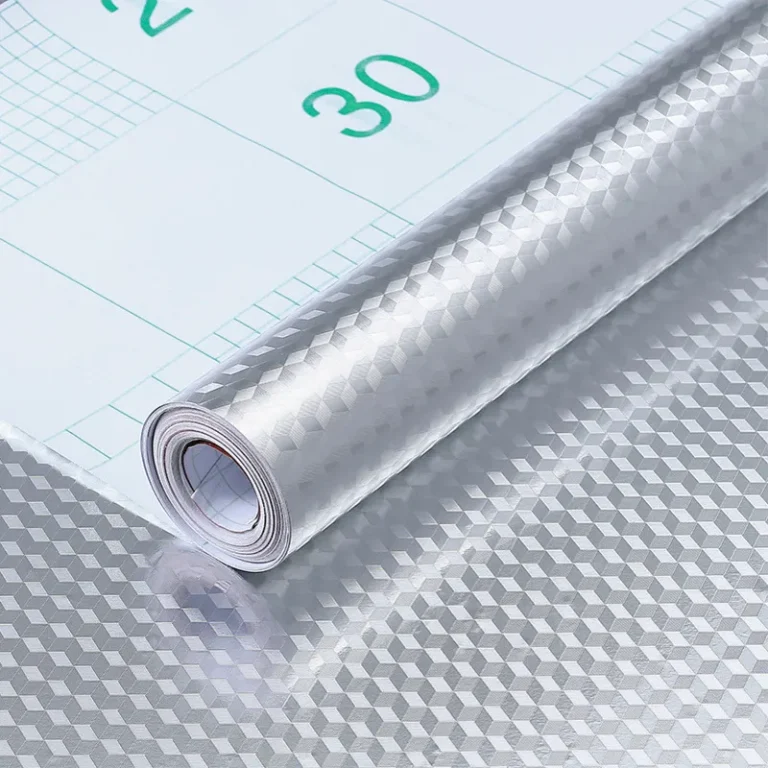
For a texture-forward decorative option, see: 3D Silk Texture Film.
Many PVC films are designed to resist everyday household and commercial contaminants—such as mild detergents, oils, and stains—making surfaces easier to maintain. This is especially important for kitchens, retail fixtures, furniture tops, and high-touch areas where repeated cleaning is expected.
• Kitchen cabinetry and countertops (oil splashes, frequent wiping)
• Healthcare and clean-room areas (sanitizing routines)
• Public furniture (disinfection and abrasion from daily use)
PVC film is widely chosen for environments where moisture exposure is unavoidable, such as bathrooms, kitchens, basements, and humid climates. Water resistance supports both decorative longevity (less swelling or discoloration of substrates) and hygiene (surfaces are easier to wipe down).
Functional coatings and additives allow PVC films to meet specialized requirements such as anti-static behavior for electronics packaging/handling, or insulation/protection for appliances and industrial components. Selecting the correct surface treatment can reduce dust attraction, improve process yield, and protect sensitive surfaces during transport or assembly.
Decorative PVC films often rely on advanced printing for wood grain, marble, fabric, solid color, and artistic textures. Printability impacts color sharpness, pattern depth, and repeat stability across production batches. Consistent color matching is especially important for furniture programs and architectural projects that require uniform appearance across multiple lots.
When the right film is selected, PVC film delivers measurable benefits beyond “just decoration.” These advantages are the reason it is used across furniture, construction, electronics, advertising, medical, and home goods.
Achieve wood, stone, metal, or high-gloss looks without using expensive natural materials—helpful for large-scale interior projects and mass production.
Improves resistance to light abrasion, moisture exposure, and daily staining—ideal for high-contact surfaces like cabinets and retail fixtures.
Stable processing and standardized rolls can streamline lamination, wrapping, and packaging—reducing rework and improving throughput.
★ Quality note: For long-running programs, prioritize suppliers with end-to-end control (calendering, printing, slitting, and packaging) and multi-step QC checks to keep thickness, adhesion, and color stable over time.
PVC film is used in many industries, but the selection logic is often similar: define the surface, define the environment, define the look, then choose functional treatments. Below are the most common application categories and what to prioritize for each.
Decorative PVC films are widely used on MDF and other board substrates to create consistent finishes such as wood grain, fabric texture, solid colors, and premium gloss or matte effects. For cabinet doors and furniture panels, focus on surface scratch performance, cleanability, and stable color matching.
A popular décor choice: Wood Grain Film.
In commercial and residential interiors, PVC films help designers deliver uniform finishes across wall panels, partitions, ceilings, and trims. Skirting areas benefit from films that handle frequent cleaning and minor impacts. For walls, texture and matte finishes can reduce glare and hide small imperfections, improving perceived quality in both daylight and artificial lighting.
For trim-focused projects: PVC Skirting Film.
Matte vs. gloss: pick matte for low glare; pick gloss for a brighter, luxury look.
Texture: choose embossed for realism and better scratch masking.
Moisture zones: prioritize water resistance for kitchens, bathrooms, and humid regions.
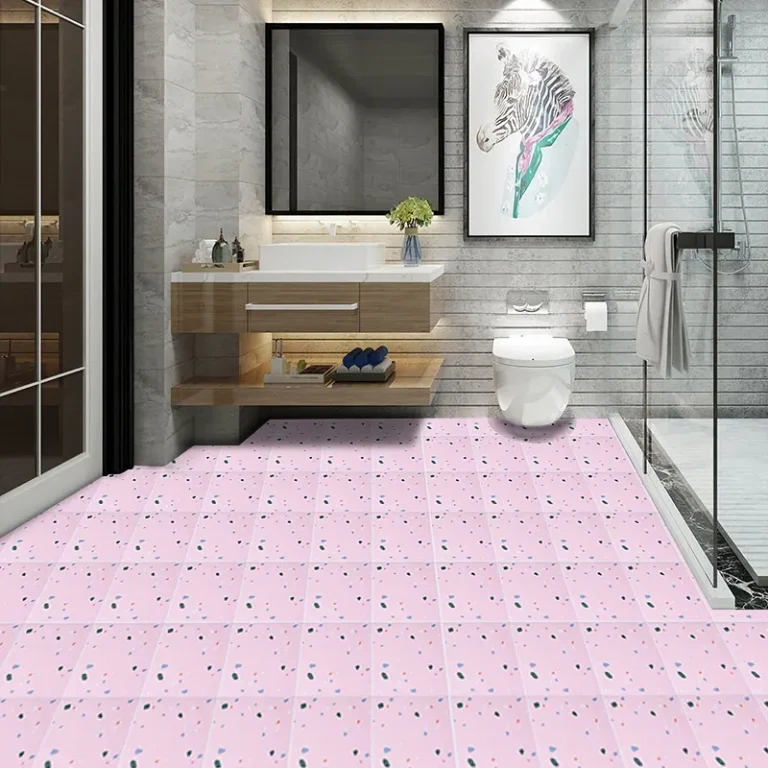
Flooring-related PVC films and protective layers are selected for wear resistance, cleaning ease, and stable appearance under foot traffic. Anti-slip texture, abrasion resistance, and stain resistance become more important than purely decorative factors. In commercial spaces, consider the cleaning chemicals used and the expected traffic level before choosing the surface finish.
Learn more about a typical product category: Floor Film.
In electronics and appliance production, PVC films can serve as anti-static films, protective covers, or insulating layers. Selection should prioritize functional performance (anti-static level, adhesion behavior, residue control) and reliable thickness. Consistent QC and traceability help reduce production risks, especially when films are used across multiple factories or regions.
For advertising and display applications (such as lightbox films and exhibition backgrounds), optical uniformity and print compatibility matter. Films should deliver stable color reproduction and predictable handling during installation, especially when large panels require clean alignment and minimal surface defects.
In medical and clean-room scenarios, PVC films are often chosen for barrier properties, cleanliness, and controlled performance under strict handling rules. When used in regulated environments, it is important to confirm compliance requirements and ensure materials are designed for safe indoor use and human contact where applicable.
A systematic approach reduces sampling cycles and prevents issues like poor adhesion, inconsistent gloss, or unexpected maintenance problems.
Specify whether the film will be laminated on flat panels, wrapped on profiles, or used as a protective layer. Share the substrate type (MDF, metal, glass, plastic) and adhesive/lamination method.
Consider humidity, heat, sunlight exposure, cleaning chemicals, abrasion frequency, and whether the surface is high-touch (fingerprints, hand oils).
Decide on gloss level, emboss depth, pattern repeat expectations, and color tolerance between batches—especially for modular furniture and architectural consistency.
Anti-static, anti-fog, oil resistance, water resistance, easy-clean coatings, or food-grade requirements should be stated early to avoid re-sampling.
✔ Practical sampling advice:
Test film on your real substrate and line settings, then evaluate adhesion, edge performance, gloss consistency, and cleaning resistance after 24–72 hours of conditioning.
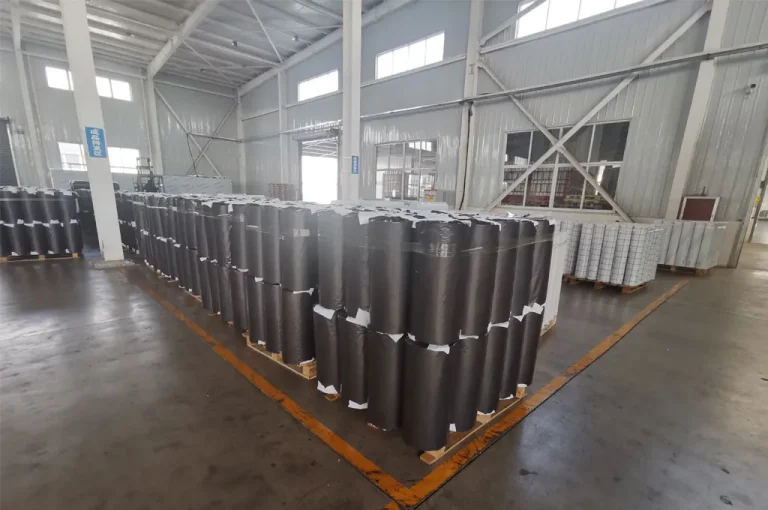
Even a good film design can fail if thickness control, printing stability, or packaging protection is inconsistent. For global shipping and long-distance delivery, roll protection and labeling are not minor details—they prevent contamination, edge damage, and mix-ups that lead to installation defects.
Integrated calendering, printing, and slitting/packaging helps reduce variability, shortens lead times, and improves batch-to-batch repeatability.
• Thickness & width tolerance
• Surface defects and gloss checks
• Adhesion and shrink behavior
• Color consistency and pattern control
Individual roll wrapping (dust protection), clear labeling, and moisture/damage prevention reduce claims and ensure easier warehouse handling.
PVC film selection increasingly includes safety and compliance checks. Many buyers require materials to be free of heavy metals and certain plasticizers, and to comply with standards such as ISO systems and market regulations. If the film is used for indoor décor or human contact scenarios, request relevant documentation and test reports based on your destination market and product category.
• Intended indoor/outdoor use conditions
• Required regulations (e.g., REACH/RoHS/FDA where applicable)
• Ink and coating safety for interior applications
• Third-party reports for critical projects
It is commonly used for furniture and cabinet decoration, interior wall/trim finishing, flooring-related layers, electronics protection (including anti-static needs), advertising displays, and certain medical/clean-room packaging applications.
Glossy films deliver a brighter, reflective premium look but may show fingerprints more easily; matte films reduce glare and can better hide micro-scratches—often preferred for modern interiors and large wall panels.
Yes. Many manufacturers support OEM/ODM customization including thickness, width, roll size, color matching, pattern printing, surface finish (matte/gloss/emboss), and functional treatments like anti-static or anti-fog.
Ask for thickness/width tolerance control, surface defect inspection, gloss/color consistency checks, adhesion testing (on your substrate), and batch traceability—especially for repeat orders and multi-site projects.
Many PVC films can be produced to meet requirements such as being free of heavy metals and certain plasticizers, and may comply with ISO systems and regulations like REACH/RoHS/FDA depending on the application—confirm with documentation for your market.
</