Address
304 North Cardinal St.
Dorchester Center, MA 02124
Work Hours
Monday to Friday: 7AM - 7PM
Weekend: 10AM - 5PM
Address
304 North Cardinal St.
Dorchester Center, MA 02124
Work Hours
Monday to Friday: 7AM - 7PM
Weekend: 10AM - 5PM


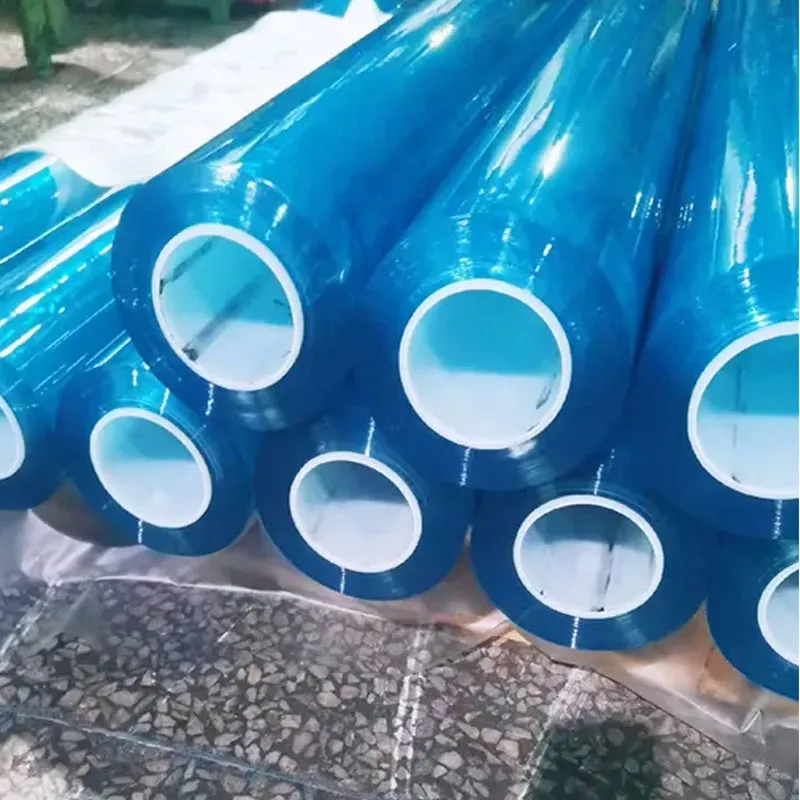
PVC film is a versatile, cost-effective material used across packaging, interior decoration, automotive wraps, and protective coverings. This guide breaks down the main advantages, disadvantages, and common uses so you can decide whether PVC film fits your project—whether you are a manufacturer, designer, retailer, or homeowner.
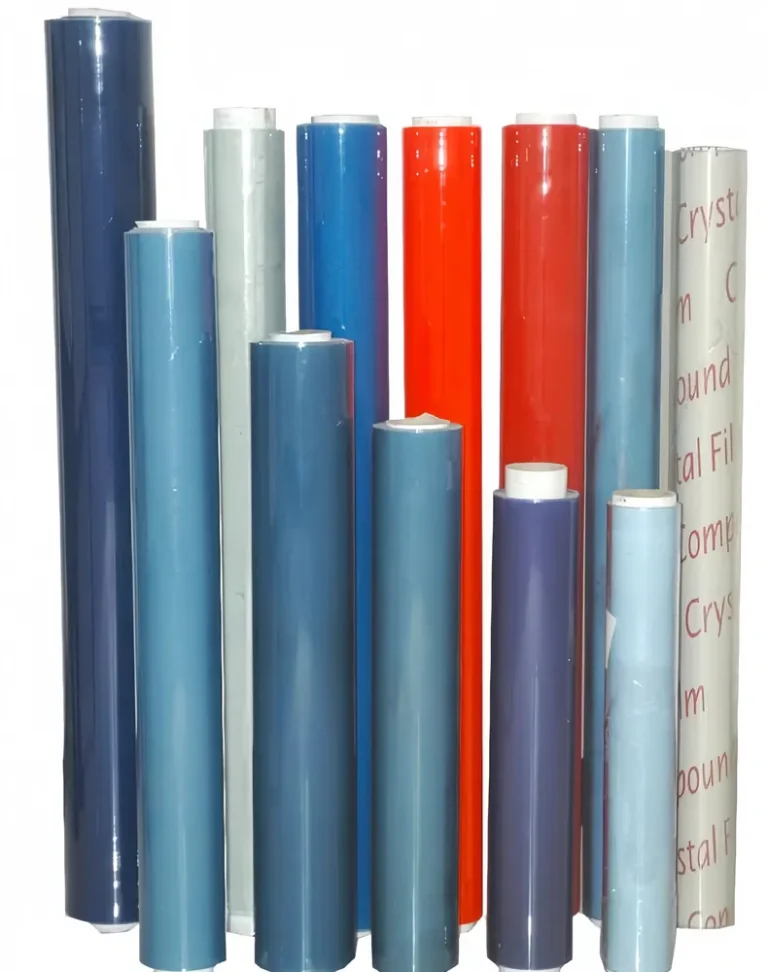
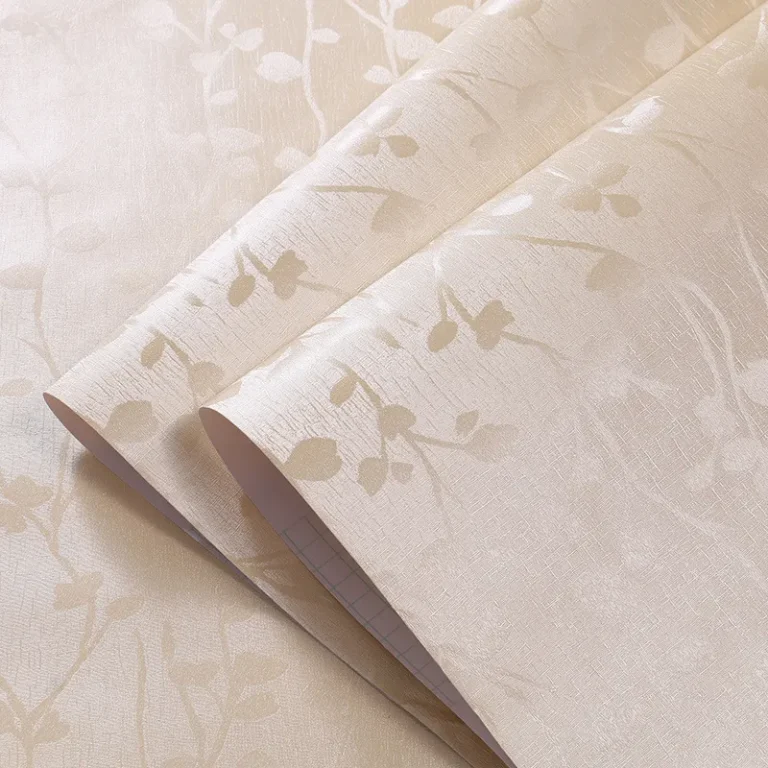
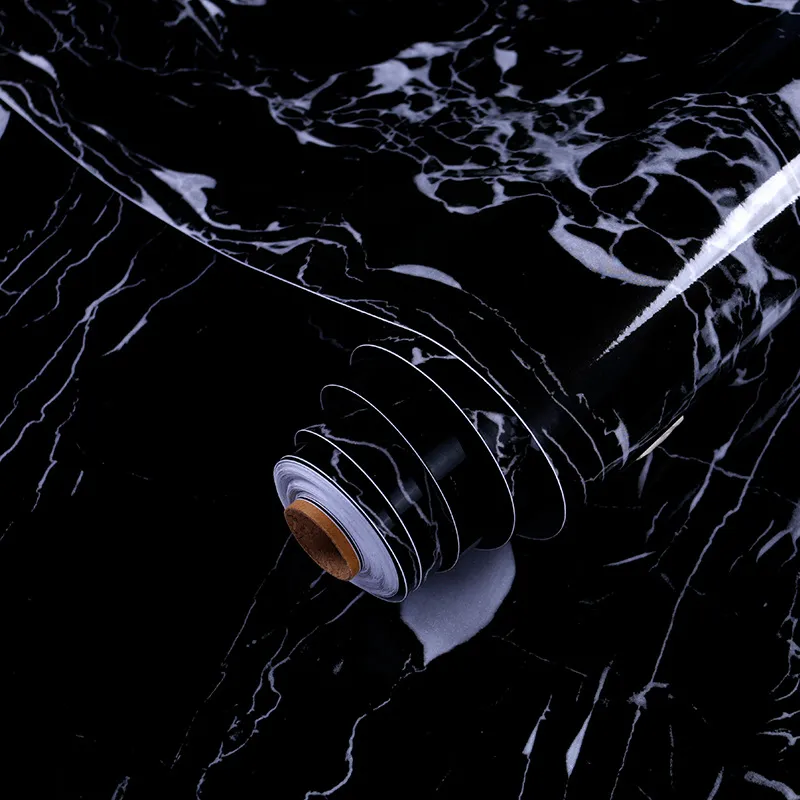
PVC (polyvinyl chloride) film is a plastic sheet produced in various finishes—glossy, matte, wood-grain, marble, textured, and pearlescent—by calendering or extrusion. It can be single-layer or multi-layer composite, self-adhesive or non-adhesive, and often incorporates printed patterns for decorative use.
Common formats include calendered transparent film, embossed décor films (wood grain, marble), self-adhesive films for furniture and floors, antistatic and antirust protective films, and packaging films used in food and industrial packaging.
PVC film offers a balance of performance, design flexibility, and affordability. Below are the most valued benefits:
Despite its benefits, PVC film also has drawbacks you should weigh for long-term projects and environmentally sensitive uses:
| Feature | PVC Film | PE / PET |
|---|---|---|
| Cost | Generally lower | Varies (PET often pricier) |
| Decor options | Extensive (textures, prints) | More limited decorative finishes |
| Recyclability | More complex | Easier recycling for PET |
| Heat resistance | Moderate | Often higher |
PVC film is applied across many industries. Best practices help maximize longevity and performance:
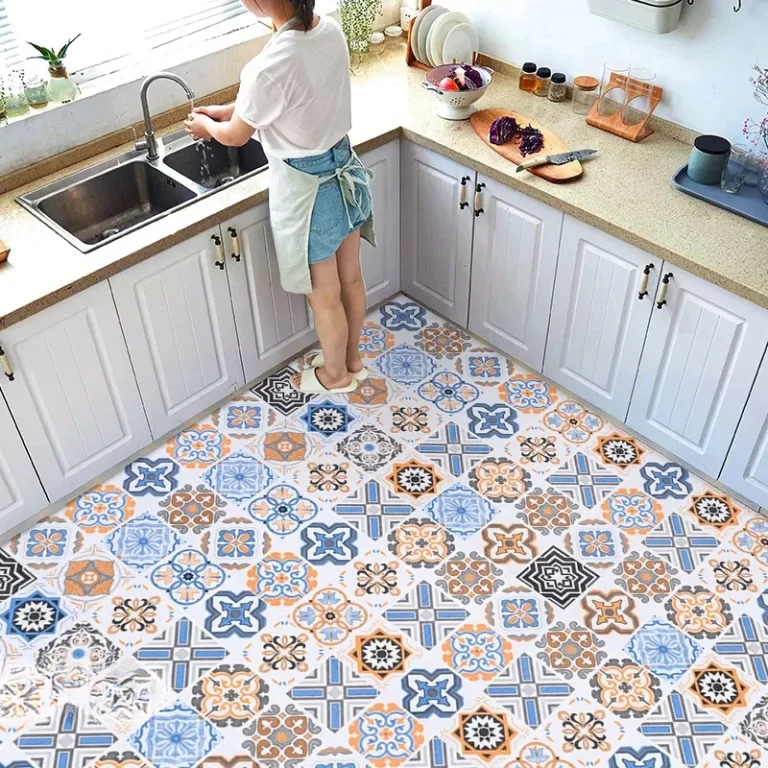
Used for wardrobe doors, kitchen cabinets, skirting boards, and floor stickers. Choose thicker, scratch-resistant film for floors and glossy or textured film for furniture facades. Always clean and dry surfaces before application and use primer for porous substrates.
PVC wraps and decals are popular for car decoration and commercial signage. Use UV-stable PVC for outdoor exposure and ensure bubble-free installation for smooth finishes.
PVC is used for cling wraps, dust-proof protective films, and shrink layers in some packaging. Verify food-grade certification before using for direct food contact. For fragile surfaces, choose low-tack protective films that peel cleanly.
Consider the following selection checklist when sourcing PVC film:
Surface prep is critical. Remove oils, dust, and old coatings. Apply at recommended temperature ranges, avoid direct sun during installation, and use a felt squeegee for smooth adhesion. For cleaning, mild detergents and soft cloths preserve finish—avoid abrasive cleaners.
Manufacturers and buyers are increasingly focused on lifecycle impact. Look for PVC films formulated with lower-VOC additives, phthalate-free plasticizers, and documented recycling or disposal options. When possible, work with suppliers who provide clear material data and QC records.
If you need tailored PVC film solutions, consider a partner with full in-house production and quality control; Henan Pulivk New Materials Co., Ltd. offers calendering, printing, and split-packaging lines to support OEM customization and stable lead times.
PVC film is an excellent choice when you need aesthetic flexibility, protection, and cost-efficiency. Weigh environmental factors and the specific performance requirements of your project before choosing PVC over other polymers.
For product specifications, printable patterns, or custom orders, check manufacturer catalogs and request sample rolls to confirm color, adhesion, and finish under real conditions.