Address
304 North Cardinal St.
Dorchester Center, MA 02124
Work Hours
Monday to Friday: 7AM - 7PM
Weekend: 10AM - 5PM
Address
304 North Cardinal St.
Dorchester Center, MA 02124
Work Hours
Monday to Friday: 7AM - 7PM
Weekend: 10AM - 5PM


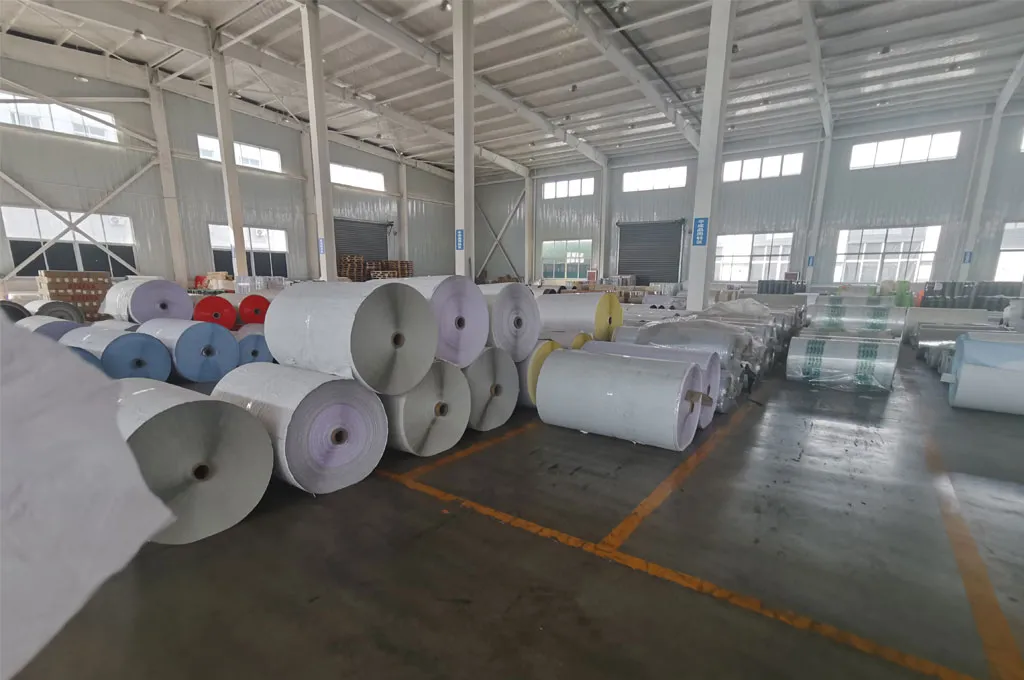
Traceability for PVC film products is becoming essential for manufacturers, distributors, and end users who need to confirm origin, prevent counterfeits, and manage supply chain visibility. QR codes printed or applied on PVC film provide a low-cost, scannable link between a physical roll or sheet and detailed digital records — batch data, production date, material grade, and shipping history.
QR codes enable fast verification at every touchpoint. For building materials, decorative films, and protective coverings, buyers want assurance that the film meets safety, environmental, and performance specifications. Traceability minimizes risk by connecting a printed QR to a centralized record: who made it, when, and under which quality checks.
Anti-counterfeiting: unique serialized QR codes make mass-faked rolls easy to detect.
Quality control: rapid access to batch-level QC reports reduces inspection time at warehouses and job sites.
Recall management: a traceable inventory lets manufacturers isolate and remove only affected lots.
Applying a durable QR code to PVC film requires choosing the right printing or labeling method and deciding where to place the code for long-term readability.
Digital printing: ideal for high-resolution codes on decorative or branded film surfaces during calendering or finishing.
Inkjet or thermal transfer labels: good for individual roll labels when direct printing is not feasible.
Laser marking: provides abrasion-resistant marking on certain coated PVC films, suitable where high durability is required.
Place QR codes on the inner tube label, the outer edge of the roll, or on a protected overlay to avoid abrasion. Use UV-resistant inks or laminated labels for outdoor or hardened-storage applications.
Keep the QR payload concise: product SKU, serial number, batch code, production date, and a short URL or GUID for backend lookup. Avoid stuffing long documents directly into the QR; use the QR as an index to cloud records.
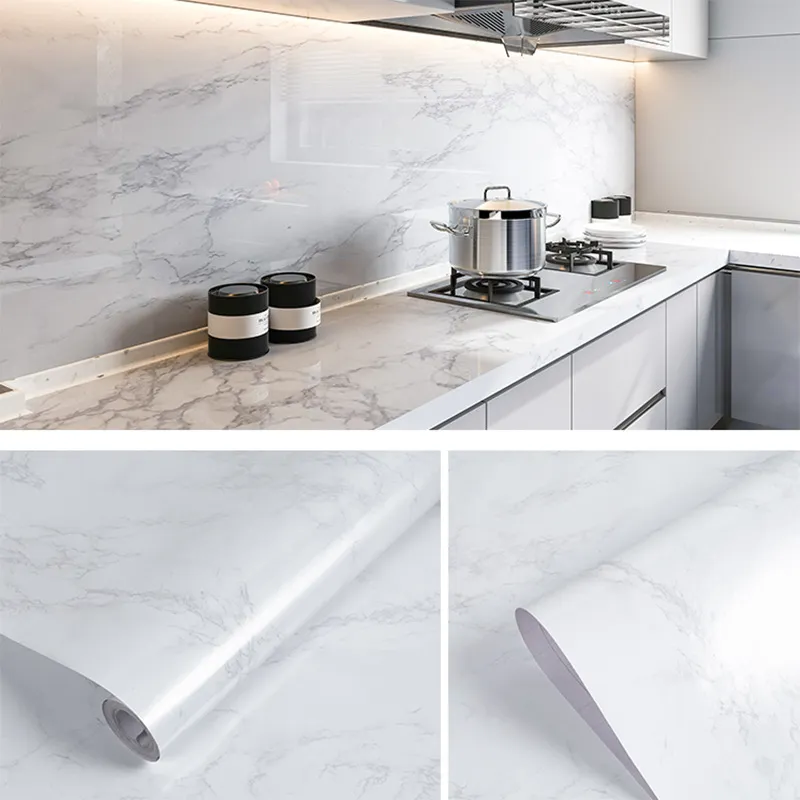
Design a verification flow that is fast for end users and secure for manufacturers. A typical workflow:
1) Scan QR with any smartphone camera or a dedicated scanner.
2) Redirect to a secure verification page or API response that shows batch details and authenticity status.
3) Optionally require multi-factor checks for high-value orders (e.g., image capture, time-limited tokens, or one-time codes).
| Scan Result | What It Means | Recommended Action |
|---|---|---|
| Valid serial & batch | Matches manufacturer records | Accept shipment or proceed with installation |
| Unknown serial | Not logged or possible counterfeit | Contact supplier or hold for inspection |
| Revoked / recalled | Product flagged by manufacturer | Quarantine and follow recall procedures |
Combine QR traceability with physical security features to raise the bar for counterfeiters.
Covert inks or microtext near the QR can be used for manual inspection without exposing secrets to the public. Holographic seals on roll ends or tamper-evident seals add an extra visual deterrent.
Serialization + database provides the basic framework; adding blockchain anchoring or signed tokens increases tamper resistance for high-value exports and regulated markets.
1) Define the data model for each QR: SKU, batch, serial, production line, and QC check IDs.
2) Choose durable printing/labeling technology based on film type and end-use environment.
3) Build a secure backend that maps QR payloads to authoritative records and logs verification events.
4) Plan packaging and placement so codes survive handling and customer installation.
5) Train sales and logistics teams to use verification tools and respond to authenticity alerts.
Use common standards like GS1 identifiers for better interoperability with distributors and construction partners. Provide both human-readable batch info and machine-friendly GUIDs for API lookups.
Pulivk follows end-to-end production control—printing, calendering, and split-packaging—so integrating QR traceability at the production or split-packaging stage is practical and cost-effective for improved product transparency.
Always scan the QR before accepting shipments. Keep a photo log tied to delivery documents and note any mismatches immediately. For contractors working outdoors or on large sites, ensure the QR placement is accessible and protected from immediate wear.
Implementing QR traceability for PVC film enhances supply chain visibility and customer trust while reducing the financial and reputational risks associated with counterfeit and mislabelled materials. With the right printing methods, backend systems, and simple verification workflows, manufacturers and buyers can enjoy a modern, reliable anti-counterfeit solution.