Address
304 North Cardinal St.
Dorchester Center, MA 02124
Work Hours
Monday to Friday: 7AM - 7PM
Weekend: 10AM - 5PM
Address
304 North Cardinal St.
Dorchester Center, MA 02124
Work Hours
Monday to Friday: 7AM - 7PM
Weekend: 10AM - 5PM


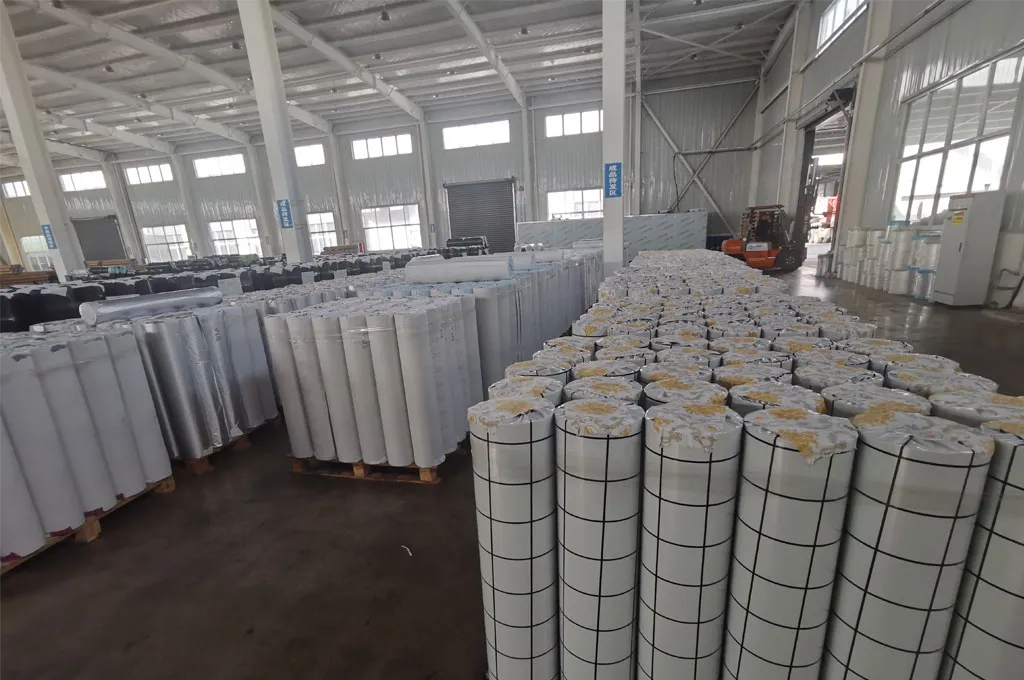
PVC film is everywhere—on furniture surfaces, doors, wall panels, flooring protection, packaging, and industrial wraps. That convenience also creates a sustainability challenge: PVC wrap and PVC films are not always accepted in standard curbside recycling due to additives, contamination, and local facility limits. The good news is that recycling and responsible reuse are achievable when you understand PVC types, how to prepare materials, and which recycling pathways actually work.
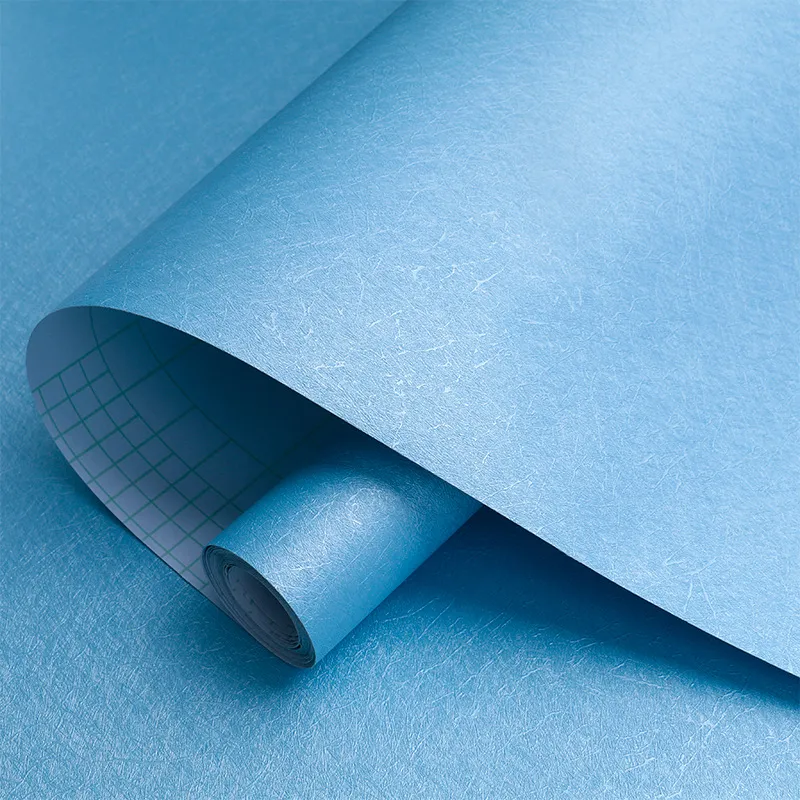
This guide explains how to recycle PVC film (including PVC wrap), how to improve collection quality, and how businesses can reduce waste with smarter procurement, better handling, and supplier support. It is written for manufacturers, contractors, brand owners, and facility managers who want practical steps—not vague promises.
PVC (polyvinyl chloride) behaves differently than common packaging plastics like PE or PP. Many recyclers require tight control over inputs because PVC often contains plasticizers, stabilizers, pigments, and functional coatings. In mixed-plastic streams, small amounts of PVC can also interfere with other recycling processes, which is why some facilities restrict it.
Key point:
Recycling PVC film is most successful when you keep it clean, sorted, and traceable (known film type, known source, minimal contamination).
Before deciding on a recycling route, identify what you actually have. PVC film can range from rigid decorative laminates to flexible wraps. In real operations, the recycling outcome depends less on the word “PVC” and more on film construction (single-layer vs multi-layer), surface treatment, and contamination.
Sometimes—depending on your local recycling infrastructure and the wrap’s condition. “PVC wrap” can refer to flexible PVC films used for industrial protection, surface covering, or packaging. These materials often pick up oils, dust, labels, or adhesive residue that make them unacceptable for general recycling.
✔ Best-case scenario:
clean, single-type PVC wrap collected from a controlled environment (factory, warehouse, installation site) and sent to a PVC-capable recycler.
✖ Worst-case scenario:
heavily contaminated wrap mixed with other plastics, paper, food residue, or unknown adhesives—typically rejected or downcycled.
Start with a simple classification: decorative/industrial clean film scrap vs post-use film (jobsite removal, packaging, wrap with unknown exposure). Clean in-house scrap is far easier to recycle because it has known composition and low contamination.
Mixing PVC film with PE stretch wrap, PET sheets, paper, or foam dramatically reduces recycling options. Set up clearly labeled collection bins and train staff to separate by polymer family and by film type.
Tip for facilities:
Use “Clean PVC Film Only” collection bags near cutting, slitting, or lamination stations. The closer the bin is to the scrap source, the cleaner the stream stays.
Recyclers commonly reject bales with paper labels, mixed tapes, or heavy dirt. If the film is self-adhesive or has release liners, separate liners from PVC where feasible. For decorative films, keep protective PE layers separate from the PVC layer.
Compaction improves transport economics. However, avoid heat-based compaction methods that may deform films or cause sticking and contamination. If you bale, keep bale density consistent and use minimal strapping materials compatible with your recycler’s process.
PVC film recycling can follow several routes. The best option depends on your volume, cleanliness, and regional availability:
Recycling is important, but the biggest sustainability gains often come from preventing waste and increasing product life. For PVC films used in furniture, construction, and interior finishing, durability and consistent quality reduce replacement cycles, rework, and jobsite waste.
If you specify or purchase PVC films, ask for structures that align with your end-of-life plan. Examples include minimizing unnecessary multilayer combinations and selecting surface treatments that are compatible with recycling when possible. Also consider how the film is installed—adhesives and primers may improve performance but can complicate recycling.
What to request from suppliers:
documentation for material composition, compliance (e.g., REACH/RoHS), and guidance on scrap handling so your team can keep a clean recycling stream.
Most PVC film recycling failures come from inconsistent sorting and contamination. A few simple controls can dramatically increase acceptance rates:
Recycled PVC film can be transformed into a variety of products depending on its cleanliness, flexibility, and additive package. While high-clarity applications may require virgin-quality materials, many durable applications can incorporate recycled content effectively.
Producers with strong process control—calendering, printing, and slitting/packaging—are positioned to help downstream users reduce waste. Consistent thickness, stable roll quality, and clear labeling all improve yield at the customer site and reduce unusable offcuts.
A practical sustainability program can include: offering roll sizes that match customer equipment to reduce trimming, providing dust-protected packaging (individual wrap with PE film or kraft paper), and adding specification labels that support sorting after use.
📌 Procurement checklist:
When ordering PVC films, align on thickness, width, surface treatment, and packaging so the delivered rolls minimize scrap and remain easy to identify in recycling streams.
If your recycler is rejecting loads, the reason is often one of these issues:
Map where PVC film waste is generated, then implement source separation (PVC-only bins). Document which film types generate the most scrap and why (setup waste, trimming, damage, over-ordering).
Optimize roll widths, cutting plans, and handling procedures. Work with suppliers to improve packaging protection, labeling, and roll consistency to reduce defects and rework.
Engage a recycler that accepts your specific PVC film stream. Submit photos and samples, confirm contamination thresholds, and standardize baling/packing. Set KPIs (acceptance rate, kg recycled per month, scrap rate reduction).
Result to aim for:
a stable “clean PVC film” stream with predictable quality—this is what recyclers need, and what sustainability reporting can credibly measure.
Often no. Many curbside programs do not accept PVC film due to sorting limitations and contamination risk. Business or specialized recycling channels are usually more effective.
Clean, single-type, post-industrial PVC film (known source, minimal printing/coatings, no adhesive) is typically the easiest for mechanical recycling.
Sometimes, but it depends on the recycler’s process and how much adhesive residue remains. Separating liners and keeping adhesive films in a dedicated stream increases acceptance chances.
Add source-separated “clean PVC only” bins at generating points, remove labels/tapes, keep material dry, and standardize packing/baling so loads are consistent.
Focus on waste prevention: choose durable films, reduce trimming waste with optimized roll widths, improve handling to avoid damage, and work with suppliers to standardize specs and labeling for future recycling readiness.