Address
304 North Cardinal St.
Dorchester Center, MA 02124
Work Hours
Monday to Friday: 7AM - 7PM
Weekend: 10AM - 5PM
Address
304 North Cardinal St.
Dorchester Center, MA 02124
Work Hours
Monday to Friday: 7AM - 7PM
Weekend: 10AM - 5PM


 ByPulivk
The global push toward circular economy models has placed PVC film scrap at the center of industrial sustainability conversations. Every year, millions of tons of polyvinyl chloride film waste are generated across construction, packaging, furniture manufacturing, and advertising sectors. Rather than sending this valuable material to landfills, forward-thinking manufacturers are investing in advanced recycling technologies that transform pvc film scrap into high-quality secondary raw materials for new production cycles.
Understanding how to effectively collect, process, and reuse PVC film scrap is essential for businesses aiming to reduce their environmental footprint while improving operational efficiency. This article explores proven recycling solutions, emerging market trends, and the expanding range of sustainable applications for reclaimed PVC film materials.
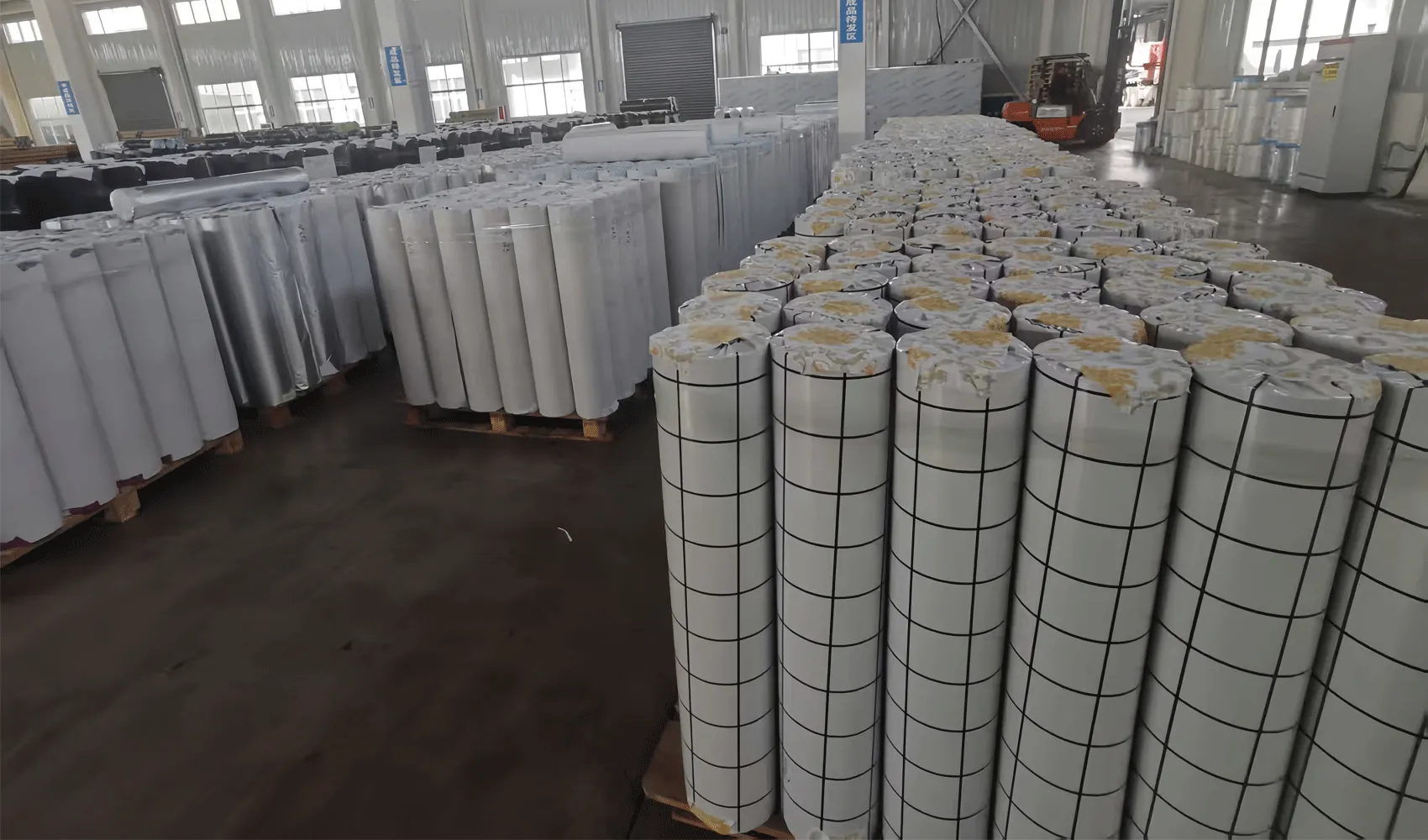
Effective recycling begins with proper identification and sorting of pvc film scrap streams. Industrial sources generate the largest volumes of recoverable PVC film waste, which can be broadly categorized into two types:
Post-industrial scrap originates directly from manufacturing processes. This includes edge trimmings from calendered film production lines, rejected rolls that fail quality inspection, and off-specification batches from printing or lamination operations. Post-industrial PVC film scrap is generally cleaner and easier to recycle because it has a known composition and has not been exposed to environmental contaminants.
Post-consumer waste presents more complex challenges due to contamination from adhesives, inks, dirt, and mixed materials. Common sources include used floor films, wall coverings, packaging films, and advertising banners. The recycling of post-consumer PVC film scrap requires sophisticated sorting and cleaning systems to achieve acceptable purity levels for reuse in new products.
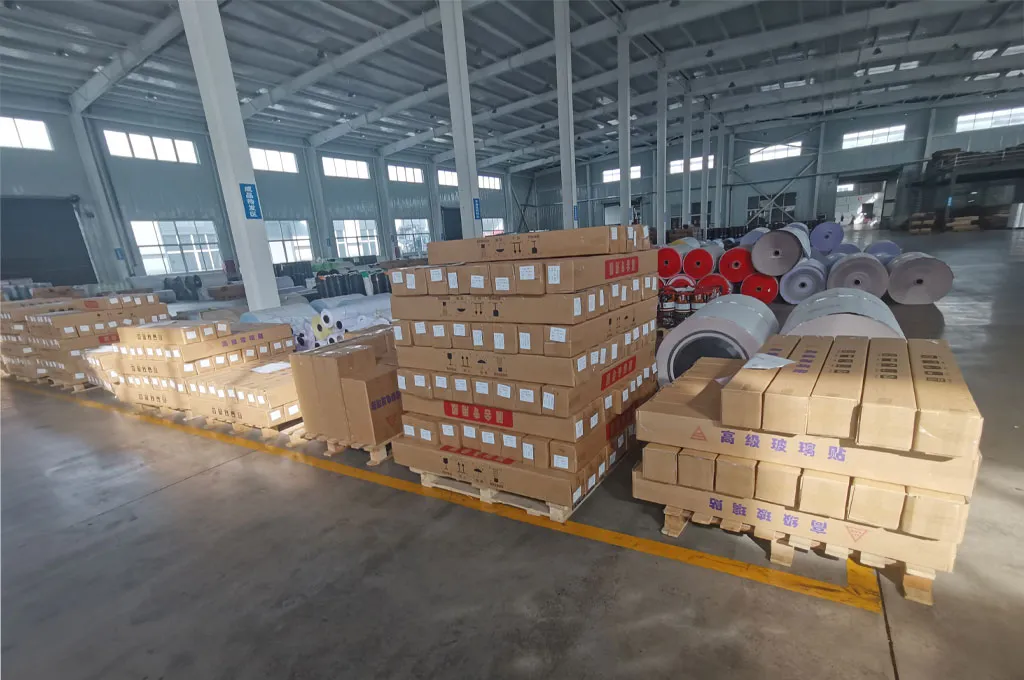
Mechanical recycling remains the most cost-effective and widely adopted method for processing PVC film scrap. This approach preserves the polymer structure while physically transforming waste into reusable granules or powder. The process typically involves several key stages that directly affect the quality and value of the recycled output.
Advanced mechanical recycling lines can now achieve recovery rates exceeding 95% for clean pvc film scrap streams, making this technology economically attractive for large-scale operations. The resulting recyclate can be blended with virgin resin at various ratios depending on end-use requirements.
For PVC film scrap that cannot be mechanically recycled due to heavy contamination or mixed material composition, chemical recycling offers an alternative pathway. These technologies break down the polymer into its chemical building blocks, which can then be purified and repolymerized into virgin-quality PVC resin.
Several promising chemical recycling methods are gaining industrial traction, including solvolysis processes that use solvents to selectively dissolve and regenerate PVC from complex waste mixtures. While capital costs remain higher than mechanical recycling, chemical routes provide a solution for PVC film scrap streams that would otherwise be incinerated or landfilled. Industry associations such as VinylPlus are actively funding research into scaling these technologies across European markets.
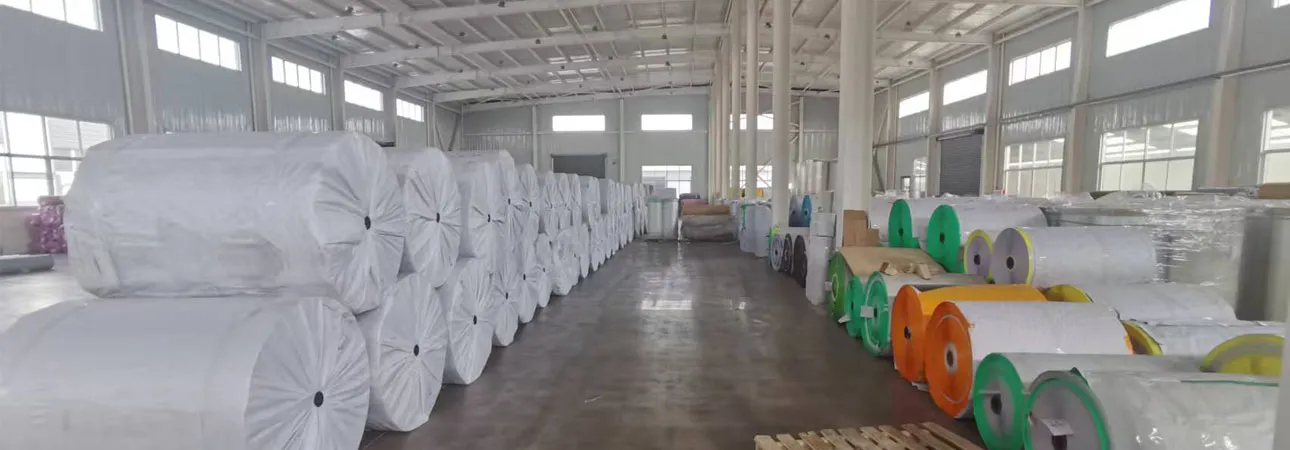
The global market for recycled PVC is experiencing significant growth, driven by regulatory pressure, corporate sustainability commitments, and rising virgin resin costs. Understanding these market dynamics helps businesses make informed decisions about their PVC film scrap management strategies.
| Market Driver | Impact on PVC Film Scrap | Regional Focus |
|---|---|---|
| Extended Producer Responsibility (EPR) | Mandates manufacturers to finance collection and recycling of post-consumer PVC film waste | European Union, Canada, Japan |
| Green building certifications | LEED and BREEAM credits incentivize use of recycled PVC content in construction films | North America, Europe, Australia |
| Carbon border adjustment mechanisms | Increases cost-competitiveness of recycled PVC compared to carbon-intensive virgin resin imports | European Union |
| Brand sustainability targets | Major brands demanding minimum recycled content in packaging and decorative films | Global |
| Landfill diversion policies | Rising disposal costs push manufacturers to seek recycling outlets for PVC film scrap | Southeast Asia, Middle East |
The economic case for recycling PVC film scrap continues to strengthen as virgin PVC prices fluctuate and disposal costs rise. According to industry data from Plastics Europe, recycled PVC carries a significantly lower carbon footprint compared to virgin production, creating additional value for manufacturers targeting emissions reductions.
Reclaimed PVC film scrap finds applications across a diverse range of industries. The quality of the recyclate largely determines its suitability for different end uses, with higher-grade recycled material commanding premium pricing in specialized markets.
One of the largest outlets for recycled PVC film is the construction sector. Reprocessed pvc film scrap is incorporated into flooring underlayments, waterproofing membranes, wall protection panels, and skirting boards. These applications benefit from PVC’s inherent durability and moisture resistance while reducing the embodied carbon of building projects. Manufacturers following ISO 10581 standards ensure recycled-content PVC flooring meets performance requirements for commercial and residential use.
The automotive industry increasingly specifies recycled PVC for interior components including door panels, dashboard skins, and wire harness insulation. Recycled PVC film scrap from post-industrial sources provides consistent quality for these demanding applications while helping automakers meet recycled content targets.
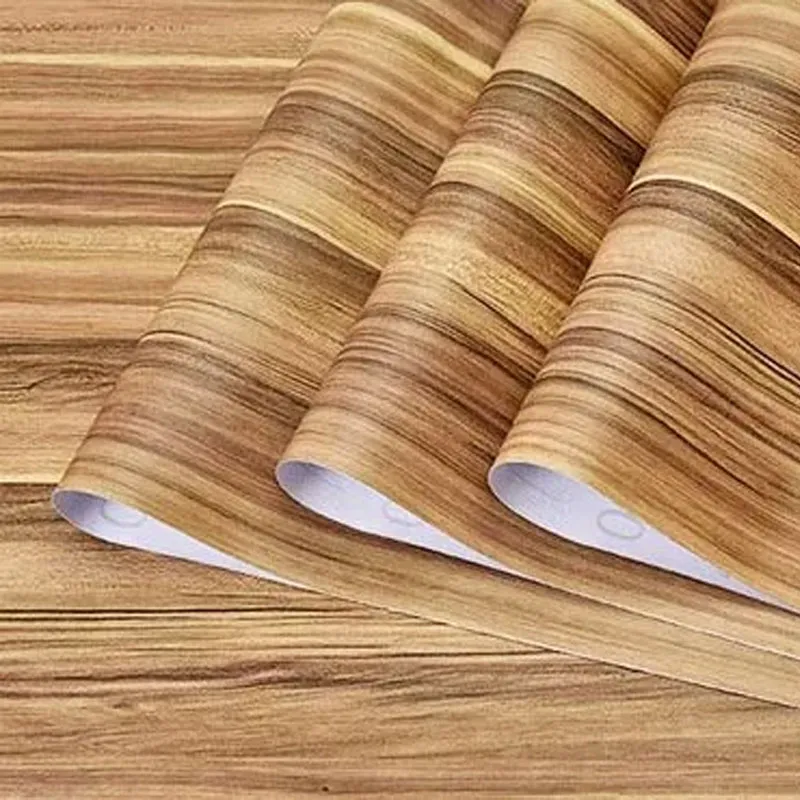
Non-food-contact packaging represents a growing market for recycled PVC film scrap. Protective films for appliances, temporary surface protection during shipping, and industrial packaging can all incorporate high percentages of recycled content without compromising functional performance. Testing according to ASTM D1593 standards ensures recycled PVC film maintains adequate tensile strength and elongation properties.
Recycled PVC film finds use in garden hoses, pond liners, and agricultural mulch films where high purity is less critical. These applications provide a valuable outlet for mixed-color or slightly contaminated PVC film scrap streams that cannot be used in premium decorative applications.
Maintaining consistent quality parameters is essential for producing reliable recycled PVC materials. Key factors that influence the value and usability of PVC film scrap include contamination levels, thermal stability, and particle size distribution.
Standardized testing methods such as ISO 4593 for thickness measurement and related protocols for mechanical properties help recyclers maintain batch-to-batch consistency. These quality systems are essential for building buyer confidence in recycled PVC materials.
Achieving true circularity for PVC film scrap requires collaboration across the entire value chain. Raw material suppliers, film manufacturers, converters, brand owners, waste management companies, and recyclers must work together to design products for recyclability and establish efficient collection systems.
Companies like Henan Pulivk New Materials Co., Ltd., with fully integrated production capabilities spanning calendering, printing, and split-packaging, are well-positioned to implement closed-loop recycling programs that capture manufacturing scrap and reintroduce it directly into production lines. This in-house approach minimizes transportation emissions while ensuring consistent quality of recycled content in finished PVC film products.
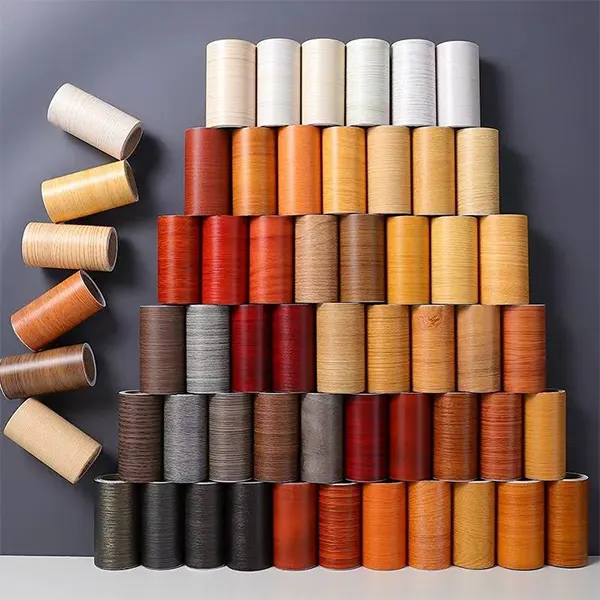
As regulatory frameworks tighten and consumer awareness grows, the business case for investing in pvc film scrap recycling infrastructure becomes increasingly compelling. Organizations that act now to develop robust recovery and reprocessing capabilities will gain significant competitive advantages in the years ahead, positioning themselves as leaders in the transition toward a more sustainable plastics economy.
Most PVC film types can be recycled, but the economic viability depends on contamination levels, material composition, and available processing infrastructure. Clean post-industrial PVC film scrap from known sources offers the highest recycling value, while mixed or heavily contaminated post-consumer waste requires more advanced processing technologies and may have limited end-use applications.
Depending on the application and quality requirements, recycled content in new PVC film products can range from 10% to over 50%. Decorative surface films and protective layers often incorporate 15-30% recycled content without performance compromise, while hidden layers and backing materials can accept much higher percentages of recycled PVC film scrap.
Well-processed recycled PVC from clean PVC film scrap streams can approach virgin material performance for many applications. Key properties such as tensile strength, elongation, and chemical resistance are largely maintained through proper stabilization and formulation. Some reduction in optical clarity or color consistency may occur with recycled content, making it more suitable for opaque or dark-colored products unless advanced sorting is employed.
Regulations vary by region but increasingly favor recycling over disposal. The European Chemicals Agency (ECHA) monitors PVC-related chemical restrictions, while various national extended producer responsibility schemes mandate recycling targets for plastic films. Compliance with REACH and RoHS requirements remains essential for recycled PVC materials entering international markets.