Address
304 North Cardinal St.
Dorchester Center, MA 02124
Work Hours
Monday to Friday: 7AM - 7PM
Weekend: 10AM - 5PM
Address
304 North Cardinal St.
Dorchester Center, MA 02124
Work Hours
Monday to Friday: 7AM - 7PM
Weekend: 10AM - 5PM


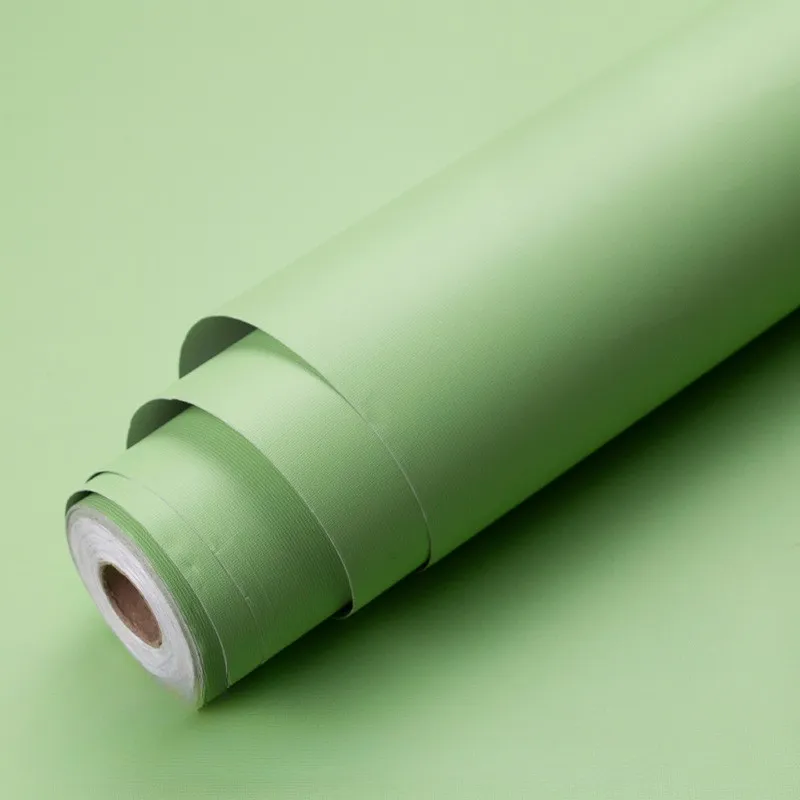
PVC film scrap is a valuable secondary material created during PVC film production, converting, lamination, and end-of-life product collection. When handled correctly, it can be reused in new PVC products, reducing raw-material costs and supporting sustainability targets without sacrificing performance. This guide explains practical uses, the recycling process, key pricing factors, and how to buy quality PVC film scrap with confidence.
Key takeaway:
PVC film scrap is not “waste” by default. With correct sorting, cleaning, and reprocessing, it can become reliable input for rigid or flexible compounds, decorative film layers, protective sheets, and many non-food industrial applications.
PVC film scrap refers to offcuts, edge trims, start-up rolls, defective rolls, and post-industrial leftovers generated during the manufacturing or converting of PVC films. Common sources include calendering lines, printing and embossing operations, slitting/rewinding, lamination, and packaging steps. In many factories, scrap is produced continuously; managing it well reduces disposal cost and turns a production byproduct into a predictable supply stream.
✔ Better yield: Clean, single-grade scrap can achieve stable pellet output and repeatable processing.
✔ Lower carbon footprint: Recycled PVC typically reduces upstream impacts vs. virgin resin.
✔ Cost control: Scrap pricing can be more flexible than virgin PVC during market swings.
Recycled PVC film scrap can be reintroduced into production as regrind, compounded into pellets, or blended with virgin PVC depending on the performance target. The best end-use depends on scrap cleanliness, formulation consistency, and whether the film was printed, coated, or adhesive-backed.
Tip for buyers:
If you need consistent decorative performance, consider pairing recycled content with stable base film types such as
Calendered Film
and tightly controlling scrap grade, color, and additives.
Scrap is usually not recommended for applications requiring high optical clarity, strict food-contact compliance, or extremely stable color matching unless you have traceability, testing, and an agreed recycled-content specification. Printed scrap may also introduce pigment migration risks if used incorrectly.
A reliable PVC scrap recycling workflow focuses on sorting accuracy, contamination control, and repeatable melt processing. Below is a practical, factory-friendly process used by many recyclers and compounders.
Scrap is collected by source and film family (transparent, matte, embossed, printed, adhesive-backed, etc.). Good grading reduces surprises later. For decorative film waste (wood grain, stone, metallic effects), grading by pattern family and ink type can improve consistency in reprocessed pellets.
⚠ Quality checkpoint:
Even small contamination (paper dust, PET strips, aluminum foil) can trigger black specks, unstable torque, or screen pack blockage during extrusion.
Film scrap is shredded into flakes or granules. Uniform particle size improves feeding stability. For soft or highly plasticized PVC films, temperature control and sharp blades reduce melting during shredding.
Post-industrial clean trim may not require washing. Post-consumer film often needs washing to remove dirt, oils, and residues. Drying is critical—moisture can cause bubbles and surface defects in the final sheet/film.
Recyclers commonly blend scrap with stabilizers, processing aids, lubricants, and pigments to achieve target melt flow and heat stability. Melt filtration (screen packs) helps remove remaining contaminants. For printed scrap, filtration and formulation are especially important to limit gel count and odor.
Depending on the customer’s process, recyclate may be supplied as flakes or pellets. Typical tests include ash content, volatile content, density, melt behavior, color index, tensile properties, and heat stability. If the recyclate will go into decorative surfaces (e.g., furniture wrap), appearance and surface uniformity become key acceptance criteria.
PVC film scrap pricing is rarely “one number.” Buyers and sellers usually negotiate based on a combination of material quality, processing cost, and market conditions. Understanding the price drivers helps you compare offers more accurately and avoid hidden losses in yield.
Grade consistency:
Single-grade, consistent formulation scrap typically commands higher prices because it produces stable output with less sorting.
Contamination level:
Paper, dust, non-PVC polymers, and metal increase processing cost and reduce usable yield—lowering value.
Printed/coated/adhesive-backed:
These grades may require extra filtration or special formulation; pricing reflects added risk and cost.
Procurement note:
A cheaper scrap offer can become more expensive after you account for extra sorting, lower yield, and production downtime. Always evaluate cost per usable kg, not only cost per shipped kg.
Buying PVC film scrap successfully is mostly about reducing uncertainty. A good supplier will help you lock down grade definition, provide realistic contamination limits, and support evaluation with samples and documentation.
Ask for a representative sample (not “hand-picked”) and run a pilot trial with the same screw, screen pack, and temperature profile you use in production. Track feeding stability, melt pressure, odor, surface appearance, and scrap rate.
✔ Practical acceptance criteria:
Create a simple incoming QC sheet: visual contamination count, smell check, moisture indicator, and a small extrusion test if available.
Suppliers who manage full production—calendering, printing, slitting, and packaging—can often provide more consistent scrap streams because they know the exact film construction and additives. For example, manufacturers producing decorative and functional films can align scrap supply with your end-use needs, whether you’re making skirting layers, furniture wrap, or wall covering materials.
If your downstream products involve decorative patterns, it helps to understand the original film type. Common references include
Wood Grain Film,
Marble Film,
or textured finishes such as
3D Silk Texture Film.
Knowing what the scrap comes from makes it easier to predict ink load, emboss depth, and additive package.
The main risks in PVC film scrap are manageable if you detect them early. Below are frequent issues and practical controls.
Risk: Non-PVC contamination (PET/PP/PE)
Control: supplier sorting protocol + incoming inspection + melt filtration.
Risk: Adhesive residues and coatings
Control: isolate adhesive-backed grades; set gel/odor limits and trial with your exact process.
Risk: Heat instability (yellowing, degradation)
Control: proper stabilizer package, controlled reprocessing temperatures, and consistent scrap age/storage.
Matching the scrap grade to your product requirements is the fastest way to improve yield and avoid customer complaints. Below are realistic pairings used by many converters and compounders.
For skirting layers and decorative profiles, mixed decorative scrap can work well if you control color and contamination. If your product line includes skirting finishes, reviewing the original film family (e.g.,
PVC Skirting Film)
helps you align emboss, pigment load, and plasticizer range when formulating recycled compounds.
Flooring manufacturing often uses multiple layers, and some non-surface layers may tolerate higher recycled content. However, the acceptable grade depends heavily on odor, stability, and performance targets. When comparing scrap options, always validate against the requirements of your flooring layer design, especially if you also source materials like
Floor Film.
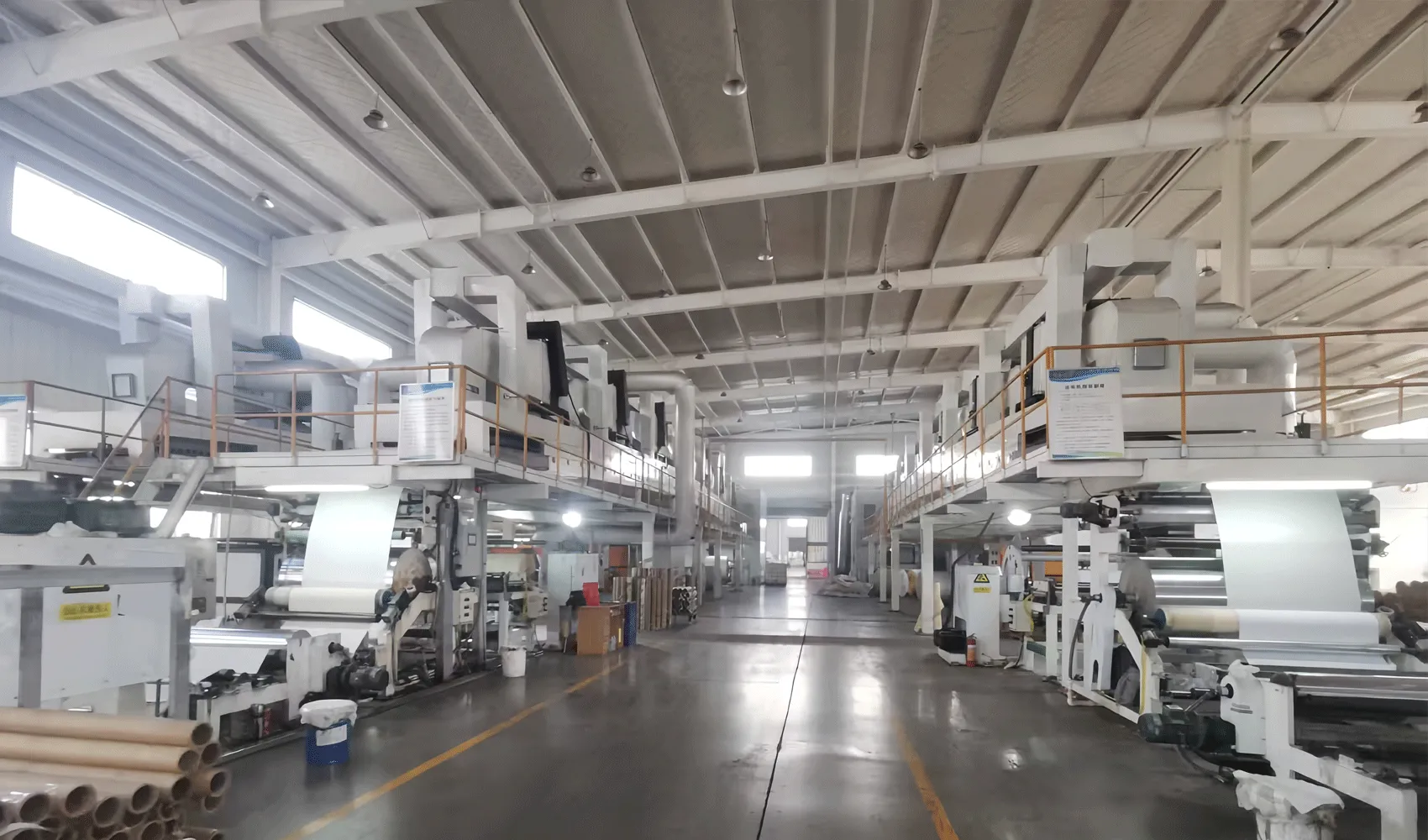
Consistency is easier to achieve when the supplier controls the full manufacturing chain. Pulivk Film operates integrated calendering, printing, and slitting/packing lines, enabling control from raw material selection to finished roll handling. This full-process capability supports stable lead times, repeatable quality, and clearer traceability for film-related materials.
What buyers typically value:
consistent grade definition, export-ready packing, optional OEM/ODM customization, and multi-region export experience (Southeast Asia, Middle East, Europe, and more).
For product and technical references, you can also browse
Knowledge
or reach out via
Contact.
Yes, but properties can drift after repeated heat histories. Using proper stabilizers, controlling processing temperature, and limiting contamination helps maintain performance over multiple cycles.
Flakes are shredded scrap; they are cheaper but may feed less consistently. Pellets are compounded and pelletized for more stable feeding and cleaner processing, typically at a higher price.
Use a visual sorting sample (by weight), check for paper dust and non-PVC strips, run a magnet check for metal, and perform a small melt test if possible to look for black specks and unstable pressure.
It can, depending on ink system, coatings, and processing conditions. Ask for scrap origin details, require a representative sample, and validate odor during your pilot run.
Share your target application, required thickness/grade range, preferred format (rolls/flakes/pellets), estimated monthly volume, destination port, and any limits on contamination, odor, or color.